Finding a Medical Waste Drop Off Near Me: A Guide to Safe Disposal in 2026
To find a medical waste drop-off near you, utilize the DEA Public Disposal Search for medications or SafeNeedleDisposal.org for sharps. Local pharmacies like CVS and Walgreens, along with municipal hazardous waste facilities and police...
To find a medical waste drop-off near you, utilize the DEA Public Disposal Search for medications or SafeNeedleDisposal.org for sharps. Local pharmacies like CVS and Walgreens, along with municipal hazardous waste facilities and police departments, frequently host collection kiosks or mail-back programs to ensure environmental and public safety.
Contents
The management of medical waste has evolved significantly. In 2026, the volume of medical waste generated in residential settings has reached record highs due to the continued expansion of home-based healthcare and self-administered treatments for chronic conditions like diabetes and rheumatoid arthritis. Finding a safe "drop off near me" is no longer just a matter of convenience; it is a critical step in protecting sanitation workers, preventing environmental contamination, and complying with local health regulations.
When searching for a disposal site, it is vital to distinguish between different types of medical waste, as a facility that accepts expired pills may not be equipped to handle used syringes or biohazardous bandages. This guide provides a comprehensive roadmap for identifying the correct disposal channels for your specific needs, ensuring that hazardous materials are neutralized according to modern safety standards.
Understanding the Types of Medical Waste for Disposal
Before you head to a local drop-off point, you must categorize the waste you are carrying. Incorrectly sorting medical waste can lead to "red bag" contamination in recycling streams or, worse, accidental needle-stick injuries for waste management personnel.
Sharps and Needles
Sharps include any device with sharp points or edges that can puncture or cut skin. This category encompasses needles, syringes, lancets (used for blood glucose testing), and auto-injectors (such as EpiPens). In 2026, the Food and Drug Administration (FDA) continues to mandate that these items be placed in puncture-resistant containers immediately after use. You cannot simply drop loose needles into a collection bin; they must be secured in a compliant container.
Pharmaceutical Waste
This includes expired, unused, or unwanted medications. Pharmaceutical waste is categorized into non-controlled substances (over-the-counter meds) and controlled substances (opioids or stimulants). Because of the risks of diversion and water supply contamination, these should never be flushed down the toilet or tossed in the kitchen trash. Dedicated kiosks at pharmacies and police stations are the gold standard for this waste type.
Biohazardous Materials
Also known as "red bag" waste, this includes items saturated with blood or other infectious materials, such as bandages, gauze, and disposable gloves used during home wound care. While many municipalities allow small amounts of this waste in the regular trash if double-bagged, specific drop-off centers provide a higher level of safety through autoclaving (steam sterilization) or incineration.
Where to Find a Medical Waste Drop-Off Near You
Finding a location requires using a combination of federal databases and local resources. In 2026, several organizations maintain real-time maps of authorized collection sites.
Retail Pharmacies and Kiosks
Major retail chains, including Walgreens, CVS, and Rite Aid, have significantly expanded their on-site disposal kiosks over the last several years. These kiosks are usually located near the pharmacy counter and look like large metal mailboxes.
- Walgreens: Most 24-hour locations offer safe medication disposal kiosks.
- CVS: Many locations participate in the "Safer Communities" program, providing units for both prescription and over-the-counter medications.
- Small Independent Pharmacies: These often participate in state-sponsored take-back programs.
Municipal Household Hazardous Waste (HHW) Facilities
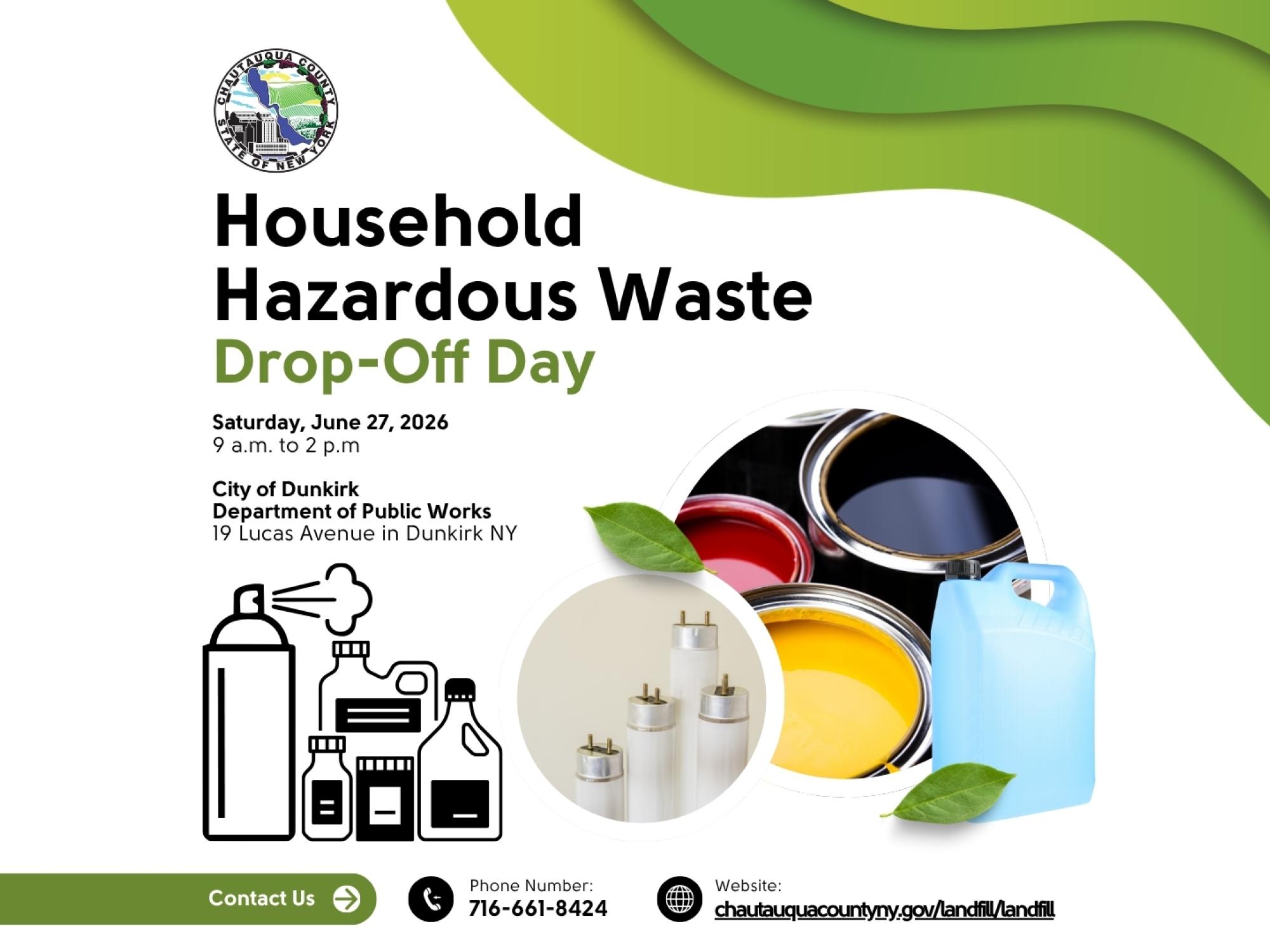
Most counties operate hazardous waste facilities that accept "special" waste types that cannot be placed in curbside bins. These facilities often have dedicated days for medical waste collection. You should check your local Department of Public Works (DPW) website to see if an appointment is required. These sites are often the best choice for large volumes of waste or for disposing of full sharps containers.
Law Enforcement Agencies
Local police departments and sheriff’s offices frequently host permanent drug "drop boxes." This is often the most secure way to dispose of controlled substances, as these boxes are monitored and the contents are destroyed by professional hazardous waste contractors. Note that law enforcement sites rarely accept sharps; their primary focus is pharmaceutical waste.
Hospital and Clinic Programs
Some healthcare providers allow patients to return sharps containers or unused medications to the facility where they received treatment. However, this is not a universal policy due to the high cost of medical waste processing. Always call ahead to the hospital’s environmental services department before bringing waste to a clinical setting.
Technology and Tools for Locating Sites
In 2026, digital tools have made the "near me" search more accurate than ever. Instead of a general web search, use these specialized locators:
- DEA Public Disposal Search: The Drug Enforcement Administration (DEA) maintains a searchable database of controlled substance public disposal locations. You can search by zip code to find pharmacies and law enforcement sites.
- Safe Needle Disposal (.org): This is the most comprehensive resource for sharps. It provides state-specific rules and a map of local drop-off sites, including hospital-based programs and HHW facilities.
- Earth911: This platform allows users to search for various recycling and disposal options by material type, including "medical waste" and "syringes."
Mail-Back Programs: An Alternative to Physical Drop-Off
If you cannot find a physical drop-off location within a reasonable distance, mail-back programs have become the industry standard for home-based medical waste management in 2026.
These programs work by providing you with a specialized, FDA-cleared container. Once the container is full, you seal it in a pre-paid shipping box provided by the company. The package is then sent via the USPS or a private carrier to a specialized treatment facility.
| Program Type | Best For | Typical Cost | Process |
|---|---|---|---|
| Sharps Mail-Back | Home injections (Diabetes, HRT) | $30 - $60 (includes shipping) | Fill container, seal, and mail via USPS. |
| Medication Envelopes | Pills, creams, and patches | $5 - $15 per envelope | Place meds in a chemically lined bag and mail. |
| Small Business Kits | Dental offices, tattoo parlors | $100+ based on volume | Scheduled pickup or bulk mail-back systems. |
Legal Requirements and Safety Protocols
The disposal of medical waste is governed by a patchwork of federal and state laws. At the federal level, the Environmental Protection Agency (EPA) provides guidelines under the Resource Conservation and Recovery Act (RCRA), though they primarily defer the regulation of "medical waste" to individual states.
The Danger of Improper Disposal
Throwing needles or medications in the regular trash is not just an environmental hazard; it is often illegal. In states like California and Massachusetts, it is strictly prohibited to dispose of sharps in the household trash. "Needle-stick" injuries can transmit bloodborne pathogens like Hepatitis B, Hepatitis C, and HIV to waste collectors. Furthermore, medications that end up in landfills can leach into groundwater, affecting aquatic ecosystems and potentially entering the human food chain.
Proper Containerization
If you are taking waste to a drop-off site, it must be properly contained:
- Sharps: Must be in a heavy-duty plastic container. If you do not have an FDA-cleared red container, many programs accept laundry detergent bottles if they are made of thick plastic, capped tightly, and labeled "BIOHAZARD" or "DO NOT RECYCLE."
- Liquids: Ensure all medicine bottles are tightly sealed. It is often recommended to remove your personal information (name and prescription number) from the label using a permanent marker, but leave the name of the medication visible.
Frequently Asked Questions
Can I drop off medical waste at any fire station?
Not all fire stations are equipped to handle medical waste. While some participate in "Safe Haven" or medication take-back programs, many do not have the specialized biohazard bins required by law. Always check your local municipality’s website or call the non-emergency line before visiting a fire station for disposal.
Is there a fee for using a medical waste drop-off site?
Most pharmacy kiosks and law enforcement drop boxes are free to the public. However, municipal hazardous waste facilities may charge a small fee for non-residents, and private mail-back programs always involve a cost that covers the container, shipping, and destruction.
What should I do if I find a needle in public?
Do not pick it up with your bare hands. If you are in a public park or street, contact your local non-emergency services or the Department of Public Works. If you must move it for safety, use tongs or pliers and place it in a hard-sided container (like a soda bottle) until you can get it to a proper sharps disposal site.
Can I recycle the plastic bottles my medications come in?
Yes, once the medication is safely disposed of in a kiosk or via a take-back program, the empty plastic prescription bottles can usually be recycled in your standard blue bin. Be sure to remove or black out all personal identifiable information (PII) to protect your medical privacy.
What happens to the waste after I drop it off?
Medical waste is typically transported to a high-heat facility. Sharps and biohazardous materials are often autoclaved (sterilized with high-pressure steam) or incinerated to destroy pathogens. Medications are incinerated at extremely high temperatures to ensure the chemical compounds are completely broken down, preventing them from entering the environment.
Summary of Next Actions
To effectively manage your medical waste today, start by identifying the category of waste you have. If you have sharps, visit SafeNeedleDisposal.org to find the nearest compliant facility or order a mail-back kit. For medications, use the DEA’s locator tool to find a pharmacy kiosk. Remember to always use a puncture-resistant container for needles and never flush medications down the drain. By following these 2026 safety standards, you contribute to a cleaner environment and a safer community for everyone.
Image Gallery