What Makes Virginia Theological Seminary Unique?
Virginia Theological Seminary (VTS) is unique due to its status as the largest accredited Episcopal seminary in the world, its pioneering $1.7 million reparations endowment for the descendants of enslaved laborers, its strategic "Holy...
Virginia Theological Seminary (VTS) is unique due to its status as the largest accredited Episcopal seminary in the world, its pioneering $1.7 million reparations endowment for the descendants of enslaved laborers, its strategic "Holy Hill" location near Washington, D.C., and its role as the premier global crossroads for the 85-million-member Anglican Communion.
Contents
Founded in 1823, Virginia Theological Seminary—often referred to colloquially as the Virginia Episcopal Seminary—has spent over two centuries evolving from a regional training ground into a global powerhouse of theological education. As we look at the institution in 2026, its uniqueness is not defined by a single factor but by a confluence of historical weight, financial independence, and a radical approach to social justice that sets it apart from nearly every other Protestant institution of higher learning in North America.
A Historical Legacy on the "Holy Hill"
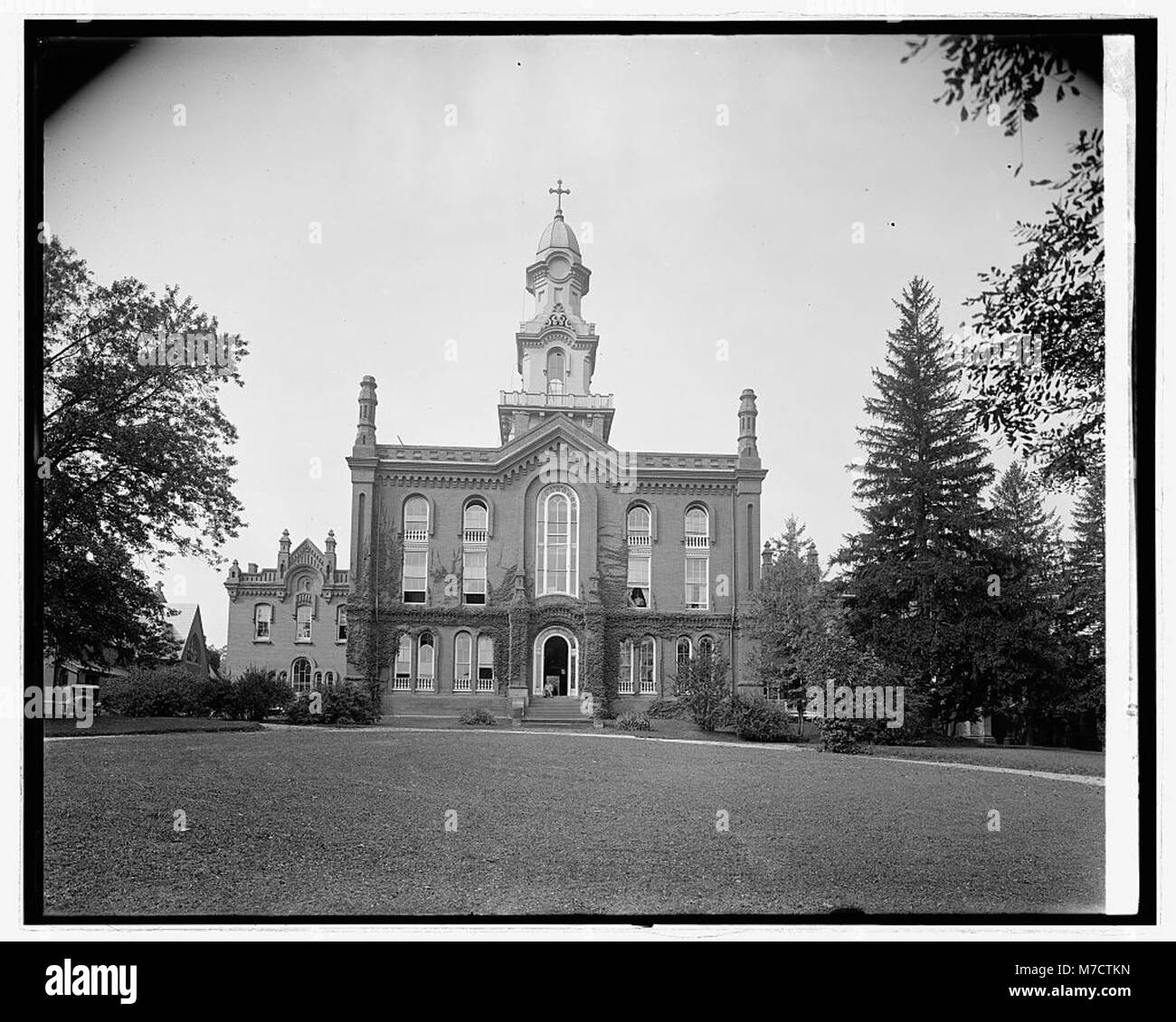
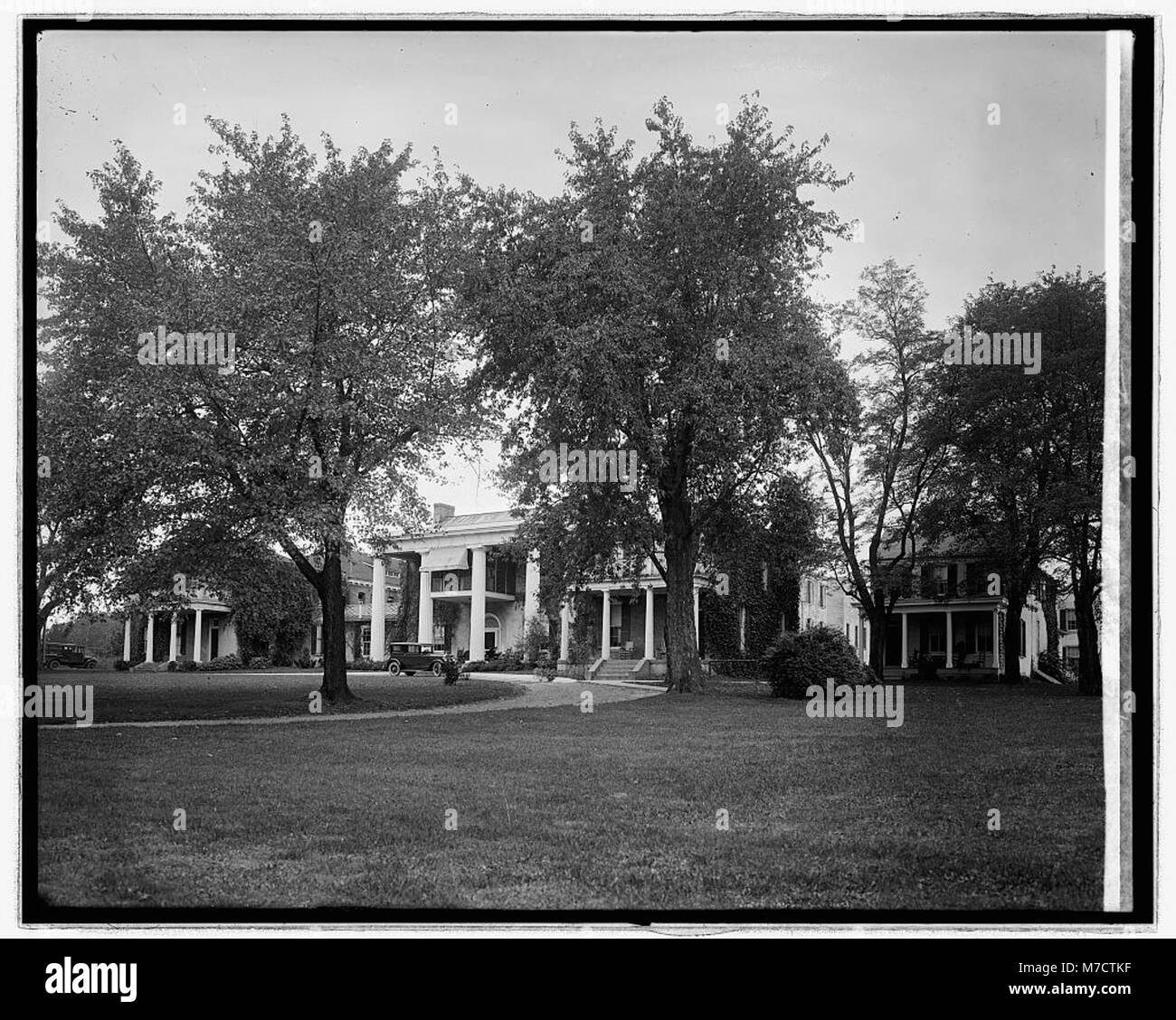
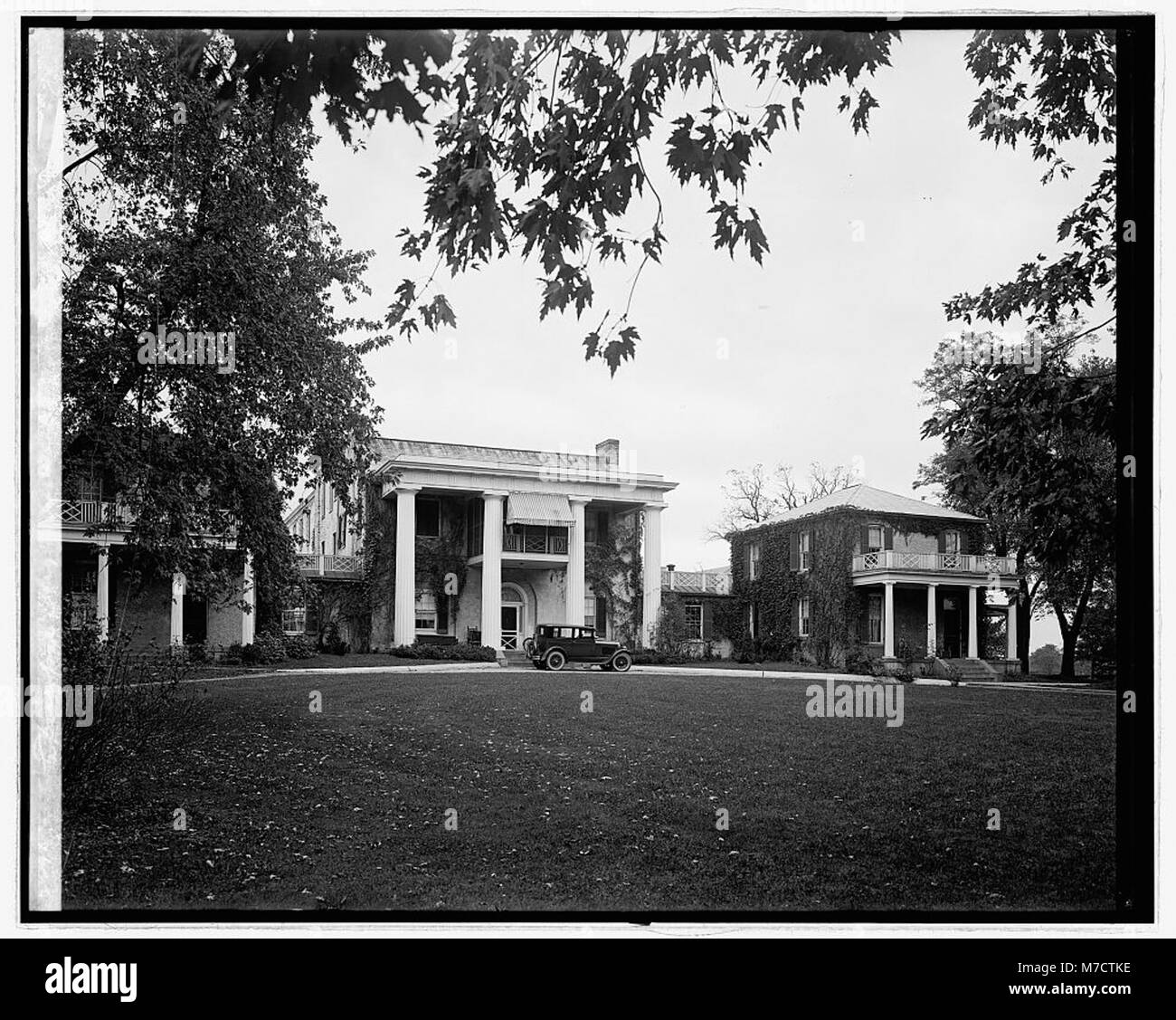
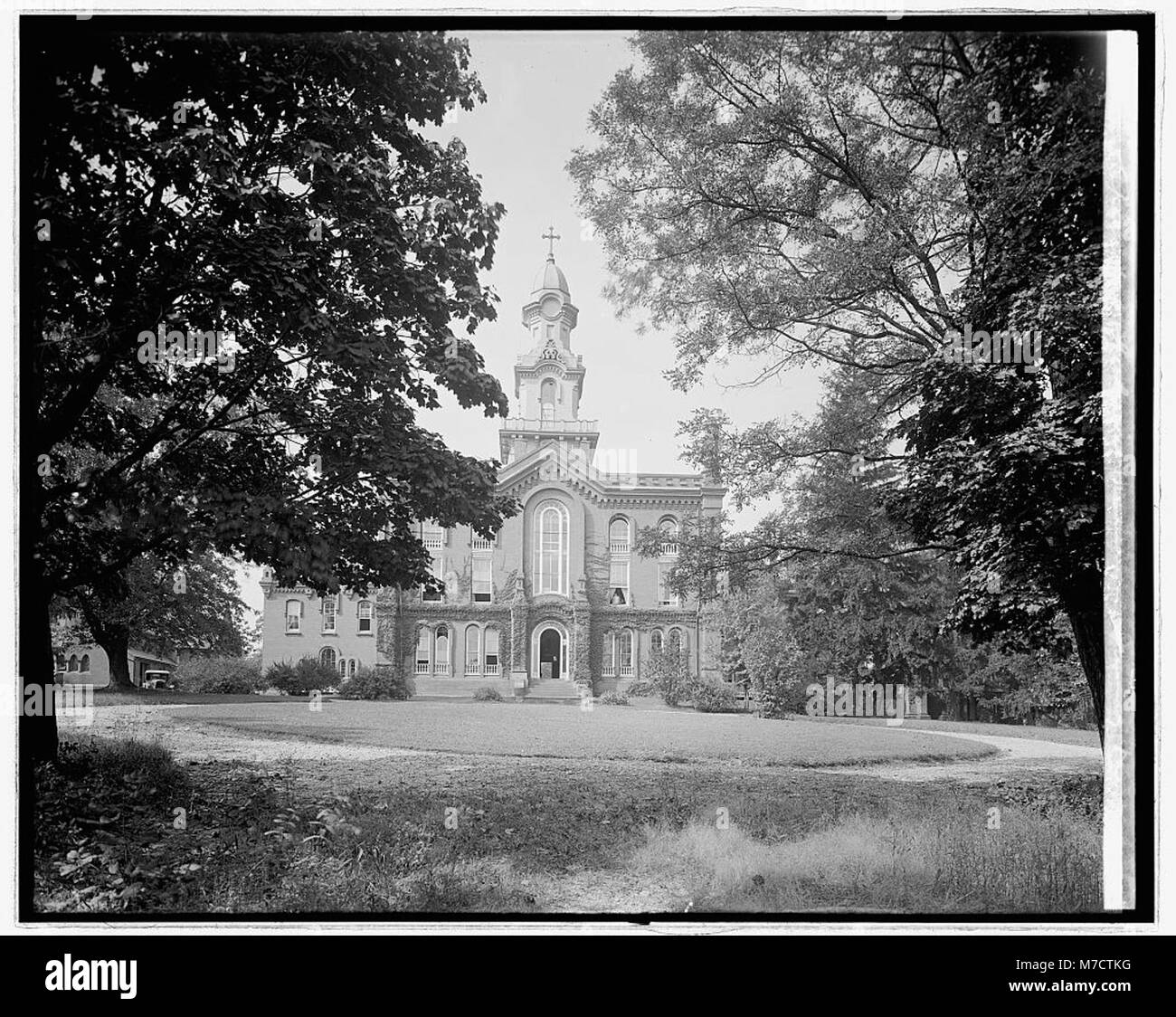
The physical location of VTS is the first element of its uniqueness. Known as the "Holy Hill," the 80-acre campus in Alexandria, Virginia, provides a monastic yet accessible environment. Unlike urban seminaries that are tightly integrated into city blocks, VTS maintains a sprawling, collegiate atmosphere that encourages contemplative study.
The history of the campus is deeply intertwined with the history of the United States. During the Civil War, the seminary was occupied by Union forces and used as a hospital for wounded soldiers. This period of upheaval is still etched into the geography of the campus, providing a constant reminder to students of the intersection between faith and national crisis. In 2026, the seminary continues to preserve its historic architecture, including the ruins of the 1881 chapel, which was destroyed by fire in 2010. Rather than simply replacing the lost structure, the seminary built the Immanuel Chapel, a world-class liturgical space designed by Robert A.M. Stern Architects, which serves as a beacon of modern Anglican worship while honoring the site of the old chapel as a sacred garden.
Pioneering Racial Justice Through Reparations
One of the most distinct features of VTS in the modern era is its leadership in the movement for institutional reparations. In 2019, the seminary announced the creation of a $1.7 million endowment specifically designated for the descendants of enslaved persons who worked on the campus during the antebellum era and the Black laborers who worked under Jim Crow conditions.
By 2026, this program has matured into a global model for how religious and educational institutions can move beyond symbolic apologies. The uniqueness of the VTS approach lies in its execution:
- Direct Engagement: The seminary employs dedicated researchers to identify the descendants of laborers.
- Tangible Reparations: The funds are used to provide direct grants to identified descendants, supporting education, health care, and elderly care.
- Institutional Honesty: VTS has integrated this history into its curriculum, ensuring that every graduate understands the institution’s complicity in systemic racism and its ongoing efforts toward reconciliation.
This initiative makes VTS a primary destination for scholars and activists interested in the "theology of reparations," a field where the seminary now leads the national conversation.
The Global Crossroads: Center for Anglican Communion Studies (CACS)
While many seminaries focus on local or national ministry, VTS is uniquely global. Through the Center for Anglican Communion Studies (CACS), the seminary functions as a diplomatic and educational hub for the entire Anglican Communion.
The CACS facilitates a constant flow of international residents—bishops, priests, and scholars from Africa, Asia, and South America—who live on campus and engage with the student body. This "cross-cultural immersion" happens without students ever leaving Alexandria. In 2026, this global reach is more critical than ever as the Anglican Communion navigates complex theological and geopolitical shifts. VTS serves as a "neutral ground" where leaders from diverse geographical and theological backgrounds can engage in dialogue, making the campus a microcosm of the global church.
Proximity to Power: The Washington, D.C., Influence
The seminary's location just miles from the United States Capitol provides a unique laboratory for "Public Theology." VTS students have unprecedented access to the levers of national power, allowing the seminary to offer programs that intersect faith with public policy, international relations, and social advocacy.
The institution frequently hosts guest lecturers from the State Department, non-governmental organizations (NGOs), and the various embassies dotting the D.C. landscape. This proximity allows for a specific type of formation: the "Pastor-Citizen." Graduates are trained not only to lead congregations but to navigate the public square, advocating for the marginalized within the framework of the federal government. This differentiates VTS from more isolated rural seminaries that may lack the resources for robust civic engagement.
Comparison of VTS vs. Standard Theological Institutions
| Feature | Virginia Theological Seminary (VTS) | Standard Episcopal/Protestant Seminaries |
|---|---|---|
| Endowment Size | Over $500 million (among the highest globally) | Typically $10M - $50M |
| Reparations Program | Active endowment for descendants of enslaved laborers | Often limited to symbolic apologies or research |
| Global Integration | Home to the Center for Anglican Communion Studies | Primarily focused on domestic or regional needs |
| Campus Environment | 80-acre "Holy Hill" in a major metro area | Often urban/compact or remote/rural |
| Ecumenical Reach | Strong ties to Roman Catholic and Orthodox traditions | Often strictly denominational in scope |
| Academic Resources | Bishop Payne Library (world-class archives) | Standard academic library |
The Bishop Payne Library and Research Excellence
The Bishop Payne Library is one of the most significant theological libraries in the United States, and it contains a unique treasure: the archives of the Episcopal Church's African American history.
Originally the library of the Bishop Payne Divinity School—a segregated institution for Black seminarians that merged with VTS in 1953—it now serves as the definitive repository for the study of the Black presence in the Episcopal Church. This makes VTS a singular destination for researchers and doctoral students focused on African American religious history. The library's commitment to digitizing these records by 2026 has made these vital historical documents accessible to a global audience, further cementing the seminary’s role as a guardian of suppressed histories.
Innovation in Lifelong Learning
VTS recognizes that theological education does not end with a Master of Divinity degree. Its "Lifelong Learning" department is arguably the most robust in the Episcopal Church. It operates the "Butterfly House," an on-campus preschool that serves as a site for studying early childhood faith formation.
Furthermore, the seminary produces "Building Faith," a leading online resource for Christian educators. By 2026, VTS has expanded its digital footprint to offer "hybrid" certificates and lay education programs that reach thousands of people who will never set foot on the Alexandria campus. This democratization of theological resources is a core part of the VTS mission, ensuring that the wealth of the seminary benefits the whole church, not just those pursuing ordained ministry.
Financial Stewardship and Accessibility
The significant endowment of VTS—which surpassed $500 million in the early 2020s—allows it to offer a level of financial support that is increasingly rare in higher education. In 2026, VTS remains committed to a "debt-free" model for many of its students.
While many seminarians across the country graduate with stifling loan debt, VTS utilizes its resources to provide competitive scholarships that often cover full tuition and housing. This financial independence allows the seminary to remain prophetic; it is not beholden to tuition revenue or the whims of specific donors, giving the faculty the freedom to explore challenging theological and social issues without fear of institutional collapse.
Frequently Asked Questions
Is Virginia Theological Seminary only for Episcopalians?
While VTS is an Episcopal institution, it welcomes students from many denominations. Its ecumenical atmosphere includes students from the United Methodist, Evangelical Lutheran, Baptist, and Roman Catholic traditions. The diversity of the student body enriches the classroom experience, as students learn to articulate their faith in a multi-denominational context.
What is the "Holy Hill"?
The "Holy Hill" is the traditional nickname for the 80-acre VTS campus in Alexandria, Virginia. The term refers both to the physical elevation of the site and its reputation as a place of intense spiritual formation and academic rigor.
How does the reparations program work in practice?
As of 2026, the reparations program operates through the Office of Decedents. The seminary identifies descendants of those who were enslaved or labored under discriminatory conditions on campus. These individuals receive annual or project-based grants funded by the interest from a $1.7 million endowment. The program also includes an oral history project to preserve the stories of these families.
What academic degrees does VTS offer?
VTS offers several graduate-level degrees, including the Master in Divinity (M.Div.), which is the standard for ordination; the Master of Arts (M.A.); the Master in Theological Studies (M.T.S.); and the Doctor of Ministry (D.Min.). They also offer specialized certificates in areas like Christian formation and New Testament studies.
Can the public visit the VTS campus?
Yes, the VTS campus is generally open to the public. Visitors often come to see the Immanuel Chapel, walk the prayer labyrinth, or use the Bishop Payne Library for research. The seminary also hosts public lectures, concerts, and workshops throughout the year.
Practical Recommendation for Prospective Students
For those considering VTS in 2026, the first step is to engage with the seminary's digital resources. Prospective students should explore the official VTS website to understand the specific "formational" requirements of the M.Div. program. Because VTS is a residential seminary, the community aspect—eating together, praying together, and living together—is as important as the academic work. It is highly recommended to schedule a campus visit during the academic year to experience the "Holy Hill" firsthand and witness the global diversity of the student body and faculty.
Image Gallery