Choosing the Best Transition Swaddle for a 4-Month-Old: A Complete Guide
Choosing the best transition swaddle for a 4-month-old involves identifying products that allow for arm movement while still providing the snug security babies crave. Once your infant shows signs of rolling, traditional swaddling becom...
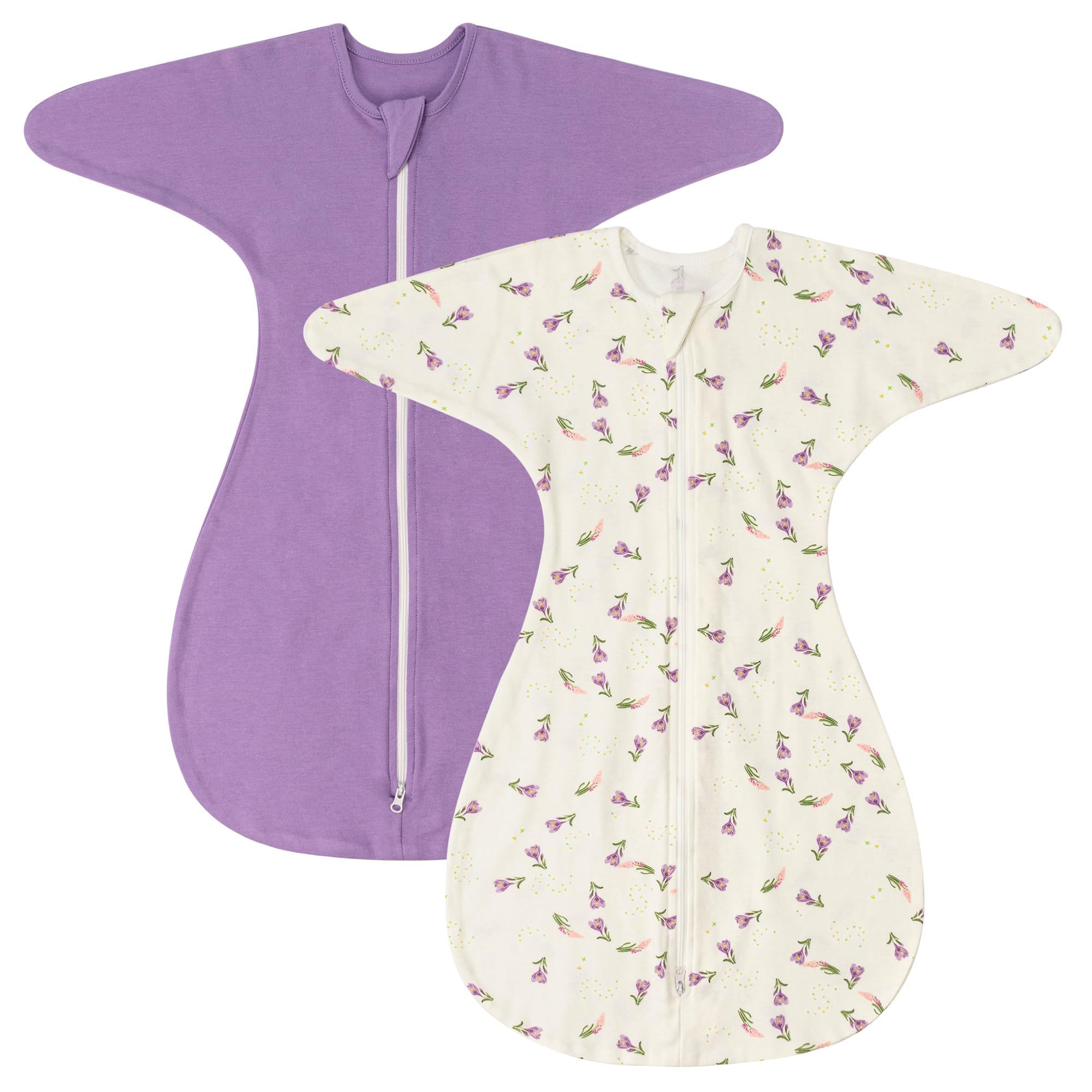
Choosing the best transition swaddle for a 4-month-old involves identifying products that allow for arm movement while still providing the snug security babies crave. Once your infant shows signs of rolling, traditional swaddling becomes a safety hazard. Transition swaddles, such as arms-up designs or wearable blankets with removable sleeves, bridge the gap between a full swaddle and a standard sleep sack.
Contents
Why You Must Transition at 4 Months (or Sooner)
The transition from a traditional swaddle is not merely a milestone in sleep training; it is a critical safety requirement. By the age of 4 months, many infants have developed the core strength to roll from their back to their stomach. If a baby rolls over while their arms are pinned inside a traditional swaddle, they cannot use their limbs to push their face away from the mattress, significantly increasing the risk of Sudden Infant Death Syndrome (SIDS) and accidental suffocation.
The American Academy of Pediatrics (AAP) and the Consumer Product Safety Commission (CPSC) provide clear guidance that swaddling must stop the moment a baby attempts to roll. Even if your 4-month-old has not yet successfully flipped over, the "pre-rolling" stage—where they kick their legs or rock their hips—is the signal to begin the transition.
Furthermore, the Moro reflex (the startle reflex) typically begins to fade between 3 and 6 months. While the swaddle was originally designed to suppress this reflex to prevent the baby from waking themselves, the 4-month mark represents a developmental shift where the baby needs more freedom to self-soothe by touching their face or sucking on their hands.
Recognizing the Signs of Readiness
While age is a general guide, developmental markers are the true indicators that your baby needs a transition swaddle. At 4 months, you should look for the following:
- Rolling or "The Rock": If your baby is rocking onto their side or lifting their legs and dropping them to one side to gain momentum, they are close to rolling.
- Swaddle Breakouts: If you find your baby has frequently escaped the swaddle with their arms free or the fabric bunched near their face, the swaddle is no longer secure or safe.
- Decreased Sleep Quality: Sometimes, a baby who previously slept well in a swaddle starts fighting the restriction. This "swaddle resistance" often coincides with the 4-month sleep regression.
- Hand Discovery: If your baby is actively trying to bring their hands to their mouth through the swaddle fabric, they are seeking a new way to self-soothe.
Types of Transition Swaddles Available in 2026
The market in 2026 offers several distinct categories of transition products. Each is designed to solve a specific problem: either the need for arm freedom or the need to dampen the remaining startle reflex.
Arms-Up Transition Swaddles
Products like the Love To Dream Swaddle UP have revolutionized the transition phase. These swaddles allow babies to sleep in their natural "arms up" position. The transition version features "wings" that can be unzipped one at a time. This allows for a gradual process where the baby sleeps with one arm out for several nights before removing the second wing.
Convertible Sleep Sacks
These are standard sleep sacks that include snaps or zippers at the armholes. When the snaps are closed, they function as a traditional swaddle. When opened, they become a sleeveless sleep sack. The HALO SleepSack Swaddle is the most prominent example in this category. These are cost-effective because they grow with the baby from the newborn stage through the first year.
The "Starfish" or Enclosed Sleeve Designs
The Zipadee-Zip is a popular choice for 4-month-olds who still have a strong startle reflex. It features a unique star-shaped design that encloses the hands but allows for full range of motion. If the baby rolls over, they can easily push themselves up, but the slight resistance of the fabric at the ends of the sleeves provides the "enclosed" feeling that helps them stay asleep.
Transition Suits
The Baby Merlin’s Magic Sleepsuit is a weighted-alternative, thick fabric suit designed specifically for the transition period. It is intended for babies who are ready to leave the swaddle but aren't quite ready for a loose sleep sack. However, it is important to note that this suit should only be used in a crib and must be discontinued the moment the baby shows signs of rolling while wearing the suit itself, as its bulk can make it difficult for a baby to flip back over.
Comparison of Top Transition Swaddle Styles
| Swaddle Type | Best For | Main Benefit | Mobility Level |
|---|---|---|---|
| Arms-Up (e.g., Love To Dream) | Babies who sleep with hands by their face. | Zip-off wings allow for a two-stage transition. | High (once unzipped) |
| Convertible Sack (e.g., HALO) | Parents wanting a long-term, versatile solution. | Can be used as a swaddle or a sack; very "hip-healthy." | Moderate to High |
| Starfish Suit (e.g., Zipadee-Zip) | Babies with a lingering startle reflex. | Provides resistance without pinning the arms. | High |
| Thick Transition Suit (e.g., Merlin) | Easing the 4-month sleep regression. | Heavy fabric mimics the pressure of a swaddle. | Low to Moderate |
Key Factors to Evaluate Before Buying
When choosing the best transition swaddle for your 4-month-old, technical specifications and safety certifications should take precedence over aesthetics.
1. TOG Rating and Temperature Control
The Thermal Overall Grade (TOG) measures the warmth of the garment. Since 4-month-olds cannot have blankets in their crib, the transition swaddle must be appropriate for the room temperature to prevent overheating, which is a major SIDS risk factor.
- 0.5 TOG: Ideal for warm rooms (above 75°F / 24°C).
- 1.0 TOG: Standard for year-round use (68–72°F / 20–22°C).
- 2.5 TOG: Reserved for very cold environments.
2. Hip Health Certification
Improper swaddling can lead to developmental dysplasia of the hip (DDH). Ensure the transition swaddle is recognized as "hip-healthy" by the International Hip Dysplasia Institute (IHDI). A hip-healthy swaddle allows the baby’s legs to be bent "up and out" at the hips, rather than being pulled straight down and pressed together.
3. Ease of Diaper Changes
At 4 months, middle-of-the-night diaper changes are still common. Look for swaddles with two-way zippers or zippers that open from the bottom. This allows you to change the diaper without fully removing the swaddle or exposing the baby’s chest to the cold air.
4. Fabric Choice
Cotton is the standard for breathability, but many 2026 models use bamboo-derived viscose or Tencel for superior moisture-wicking and softness. If your baby has sensitive skin or eczema, look for organic Oeko-Tex certified fabrics to ensure no harmful chemicals are present in the fibers.
How to Implement the Transition Successfully
Transitioning a 4-month-old is rarely an overnight success. It usually requires a strategic approach over 7 to 10 days.
The "One Arm Out" Method
This is the most recommended technique by pediatric sleep consultants.
- Nights 1-3: Swaddle your baby with one arm out (usually the non-dominant arm) and the other arm tucked in. If using a convertible swaddle, simply unzip one wing or leave one arm out of the wrap.
- Nights 4-7: Once the baby has adjusted to having one arm free, release the second arm.
- Night 8+: Transition fully to a sleeveless sleep sack or an enclosed starfish-style suit.
Consistency in the Routine
The 4-month sleep regression often occurs at the same time as the swaddle transition. To minimize disruptions, keep every other part of the bedtime routine identical. The bath, feeding, and white noise should remain constant so the baby understands that sleep is still the objective, even if their arms feel different.
Safety Standards and 2026 Guidelines
As of 2026, the safety landscape for infant sleep products is stricter than ever. Following the Safe Sleep for Babies Act, many dangerous inclined sleepers and certain types of padded bumpers have been removed from the market.
A Note on Weighted Products: In recent years, both the AAP and the CPSC have issued warnings against the use of weighted swaddles or weighted sleep sacks. The concern is that the weight can compress a baby's chest and potentially interfere with their breathing or make it harder for them to roll back if they flip onto their stomach. For a 4-month-old, it is generally recommended to avoid weighted options unless specifically advised by a medical professional for a diagnosed condition.
Common Mistakes to Avoid
- Waiting Too Long: Many parents wait until the baby is fully rolling to start the transition. This creates a dangerous window where the baby might roll for the first time in the middle of the night while still fully swaddled.
- Overdressing: Because transition swaddles often have sleeves, parents sometimes forget to adjust the base layers. A baby in a long-sleeve transition suit likely only needs a short-sleeve onesie or just a diaper underneath if the room is at standard temperature.
- Switching Back and Forth: If the baby has a rough night during the transition, it is tempting to go back to the full swaddle for one more night. This inconsistency confuses the baby and restarts the adjustment period.
Frequently Asked Questions
Can I just use a regular blanket instead of a transition swaddle?
No. Loose blankets should never be used in a crib for a 4-month-old. According to Safe to Sleep guidelines, the sleep surface should be free of blankets, pillows, and toys to prevent suffocation. A transition swaddle or sleep sack is a "wearable blanket" that stays securely on the baby.
How long does the transition period usually last?
Most babies adjust to having their arms free within 3 to 7 nights. However, if the transition coincides with a growth spurt or the 4-month regression, it can take up to two weeks for sleep patterns to stabilize.
Is the Zipadee-Zip safe if my baby can roll?
Yes. The Zipadee-Zip and similar "starfish" designs are considered safe for rollers because they do not restrict the baby's ability to use their arms to push up or flip back over. The fabric is loose enough to allow full motor movement.
My baby keeps scratching their face; should I keep swaddling?
No, safety regarding rolling takes precedence over scratches. Instead of swaddling, choose a transition product that has fold-over mitten cuffs or keep the baby’s nails trimmed and filed.
What should I do if my baby won't sleep at all without the swaddle?
If the transition is failing after several nights of "one arm out," you may want to try a more structured transition suit like the Baby Merlin or a slightly snugger sleep sack that provides "deep pressure" without the risk of a full swaddle. Ensure the room environment is optimized with white noise and total darkness to help them settle.
Practical Recommendation
For most 4-month-olds, the Love To Dream Swaddle UP Transition Bag offers the most intuitive path forward. Its ability to unzip the wings allows you to move at your baby's pace without introducing a completely different sleep garment. If your baby has a particularly high startle reflex and struggles with the "arms-out" feel, the Zipadee-Zip is the best secondary option to provide the necessary enclosure while maintaining safety for rolling. Always check that your chosen product is the correct size based on your baby’s current weight, not their age, to ensure a snug and safe fit.
Image Gallery