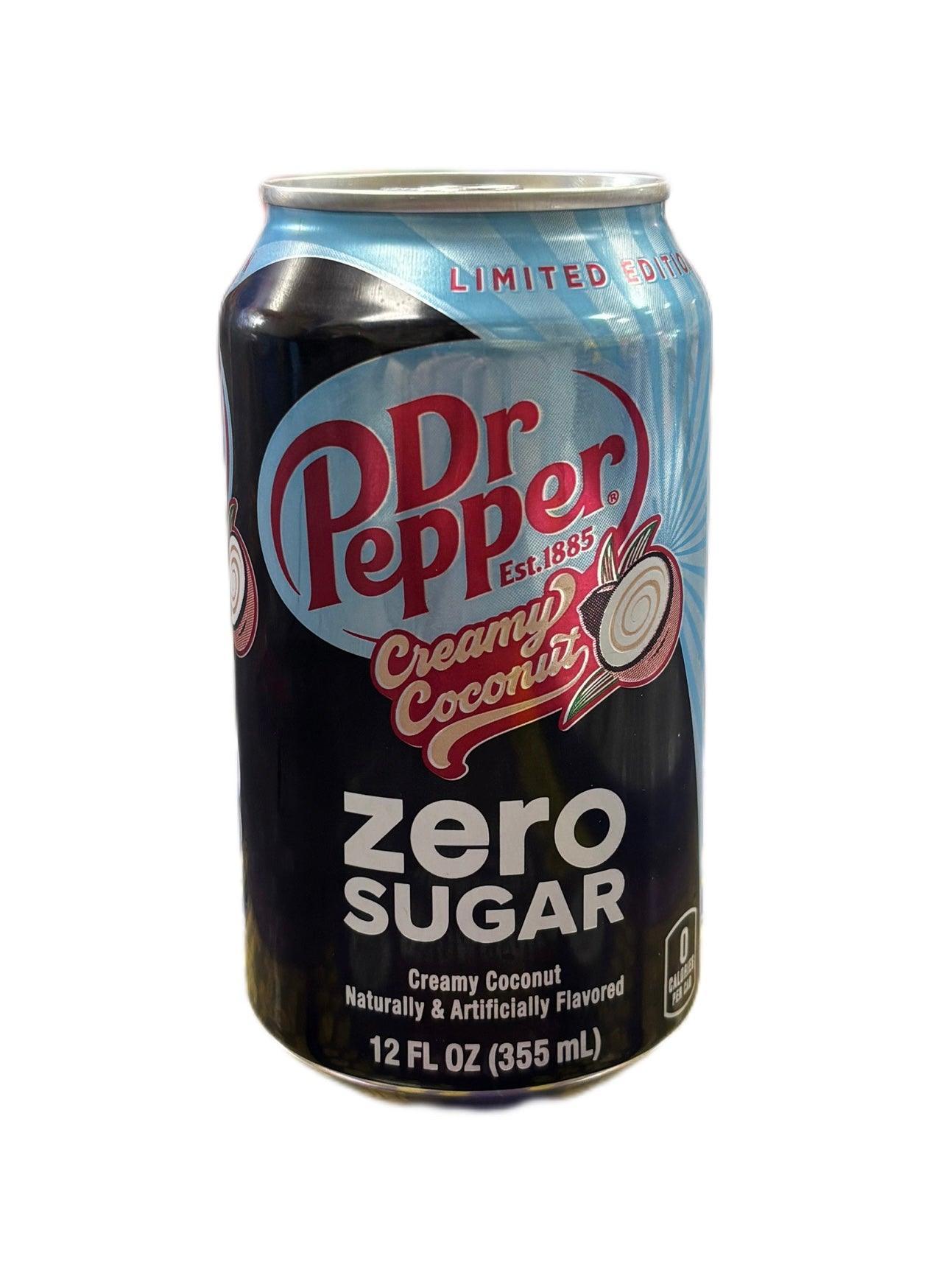
Is Dr Pepper Zero Sugar Bad for You? A Clear Take on Its Health Impact
Dr Pepper Zero Sugar is generally considered safe for most people when consumed in moderation, as it contains zero calories and no sugar, making it a functional alternative for weight management and blood sugar control. However, its re...
Dr Pepper Zero Sugar is generally considered safe for most people when consumed in moderation, as it contains zero calories and no sugar, making it a functional alternative for weight management and blood sugar control. However, its reliance on artificial sweeteners, phosphoric acid, and caffeine means it may cause digestive issues, dental erosion, or caffeine sensitivity in some individuals.
Contents
Understanding the Ingredients: What Is Actually in the Can?
To determine if Dr Pepper Zero Sugar is "bad" for you, we must first deconstruct the chemical profile of the beverage. Unlike the original version, which relies on high fructose corn syrup for its signature 23-flavor profile, the Zero Sugar variant uses a sophisticated blend of artificial additives to mimic that taste without the glycemic load.
The Sweetener Blend: Aspartame and Acesulfame Potassium
The primary sweeteners in Dr Pepper Zero Sugar are aspartame and acesulfame potassium (often called Ace-K). This "synergistic blend" is the standard for the "Zero" line of sodas, which differs from the older "Diet" versions that often relied solely on aspartame.
Aspartame is composed of two amino acids: aspartic acid and phenylalanine. It is approximately 200 times sweeter than sucrose. Ace-K is often blended with it because it holds up better under heat and provides a more immediate sweetness that masks the lingering bitter aftertaste sometimes associated with aspartame. As of 2026, these remain some of the most rigorously tested food additives in history.
Phosphoric Acid and Preservatives
Like many colas and pepper-style sodas, Dr Pepper Zero Sugar contains phosphoric acid. This ingredient provides the "tang" or "bite" that balances the sweetness. It also acts as a preservative to prevent the growth of mold and bacteria. While safe in small quantities, its impact on calcium metabolism and tooth enamel is a frequent point of discussion among nutritionists.
Caffeine and Sodium
A standard 12-ounce can contains approximately 41 mg of caffeine. For context, this is slightly higher than a Diet Coke (34 mg) but significantly lower than a standard cup of coffee (95 mg). It also contains a small amount of sodium (about 100 mg), which serves as a flavor enhancer.
The Metabolic Question: Insulin, Cravings, and Weight Loss
One of the most persistent questions regarding zero-sugar beverages is whether they "trick" the body into producing insulin or cause weight gain despite having no calories.
The Cephalic Phase Insulin Response
There is a theory that the mere taste of sweetness triggers a "cephalic phase insulin response," where the pancreas releases insulin in anticipation of glucose that never arrives. While some animal studies have shown this effect, human clinical trials have been largely inconsistent. For the vast majority of healthy adults, drinking a Dr Pepper Zero Sugar does not cause a significant spike in insulin levels, making it a viable option for those following a ketogenic diet or managing type 2 diabetes.
Impact on Appetite and Cravings
The "bad" reputation of zero-sugar sodas often stems from behavioral observations. Some research suggests that consuming intensely sweet, non-caloric substances can "recalibrate" the palate, making naturally sweet foods like fruit taste less appealing and potentially increasing cravings for high-calorie carbohydrates. However, for many individuals, using these beverages as a direct replacement for 150-calorie sugary sodas results in a net caloric deficit, which is the primary driver of weight loss.
Gut Health and the Microbiome
As we move through 2026, the focus of nutritional science has shifted heavily toward the human microbiome. This is perhaps the area where the "clear take" on Dr Pepper Zero Sugar becomes more nuanced.
Recent longitudinal studies have explored how artificial sweeteners like Ace-K may alter the composition of gut bacteria. Some researchers argue that these changes could lead to glucose intolerance or low-grade inflammation in certain individuals. However, it is important to note that most of these effects have been observed at extremely high doses that far exceed typical daily consumption. For the average person drinking one or two cans a day, the evidence of significant gut dysbiosis remains inconclusive.
Comparing Dr Pepper Varieties: Nutritional Breakdown
To understand the relative health impact, it is helpful to see how the Zero Sugar version compares to its siblings.
| Feature | Original Dr Pepper | Diet Dr Pepper | Dr Pepper Zero Sugar |
|---|---|---|---|
| Calories | 150 | 0 | 0 |
| Total Sugar | 39g | 0g | 0g |
| Sweetener | High Fructose Corn Syrup | Aspartame | Aspartame & Ace-K |
| Sodium | 55mg | 60mg | 100mg |
| Caffeine (12oz) | 41mg | 41mg | 41mg |
| Glycemic Index | High | Zero | Zero |
The primary difference between "Diet" and "Zero Sugar" lies in the flavoring system and the inclusion of Ace-K, which allows the Zero Sugar version to more closely replicate the mouthfeel and flavor profile of the original full-sugar recipe.
Regulatory Safety: The IARC and FDA Positions
In recent years, the World Health Organization’s International Agency for Research on Cancer (IARC) classified aspartame as "possibly carcinogenic to humans" (Group 2B). While this sounds alarming, it is essential to understand the context of this classification.
The IARC classification is based on "limited evidence" and places aspartame in the same category as aloe vera extract and pickled vegetables. The Joint FAO/WHO Expert Committee on Food Additives (JECFA) reaffirmed that the Acceptable Daily Intake (ADI) for aspartame remains 40 mg per kilogram of body weight. For a person weighing 70kg (154 lbs), this equates to drinking approximately 9 to 14 cans of diet soda every single day for a lifetime to reach the threshold of concern.
The U.S. Food and Drug Administration (FDA) continues to maintain that aspartame and Ace-K are safe for the general population under these established limits.
Dental Health and Bone Density
While Dr Pepper Zero Sugar solves the "sugar-fueled cavity" problem, it does not entirely eliminate dental risks. The beverage is acidic, with a pH typically ranging between 2.8 and 3.2. Regular exposure to such acidity can lead to enamel erosion over time, especially if the soda is sipped slowly over several hours rather than consumed with a meal.
Regarding bone health, high intake of phosphoric acid has been linked in some observational studies to lower bone mineral density. This is thought to occur because the body uses calcium to neutralize the acid, or because soda consumption displaces calcium-rich beverages like milk or fortified plant milks. This risk is primarily associated with heavy, habitual consumption (multiple liters per day).
Practical Recommendations for Consumption
If you enjoy Dr Pepper Zero Sugar, you do not necessarily need to eliminate it to maintain a healthy lifestyle. Instead, consider these expert-backed guidelines for 2026:
- Moderation is Key: Limit intake to one or two servings per day. This keeps you well within the safety limits for sweeteners and caffeine.
- Protect Your Enamel: Drink soda through a straw to minimize contact with teeth, and avoid brushing your teeth immediately after drinking, as the enamel is temporarily softened by the acid.
- Hydrate with Water First: Do not use zero-sugar soda as your primary source of hydration. Ensure the majority of your fluid intake comes from plain water.
- Monitor Your Response: If you notice headaches, digestive upset, or increased sugar cravings after drinking, consider reducing your intake to see if symptoms improve.
- Special Populations: Individuals with Phenylketonuria (PKU) must avoid Dr Pepper Zero Sugar entirely, as they cannot metabolize the phenylalanine found in aspartame.
FAQs About Dr Pepper Zero Sugar
Does Dr Pepper Zero Sugar cause weight gain?
There is no evidence that Dr Pepper Zero Sugar causes direct weight gain, as it contains no calories. However, if drinking it leads you to eat more calories from other sources due to increased appetite or "calorie trading" (thinking you can eat more because you saved calories on the drink), weight gain could occur indirectly.
Is Dr Pepper Zero Sugar better for you than regular Dr Pepper?
From a metabolic and caloric standpoint, yes. Regular Dr Pepper contains high amounts of added sugar, which is linked to obesity, type 2 diabetes, and cardiovascular disease. Replacing 39 grams of liquid sugar with non-caloric sweeteners is a significant health improvement for most people.
Can I drink Dr Pepper Zero Sugar while intermittent fasting?
Most experts agree that zero-calorie sodas will not "break" a fast in terms of weight loss, as they do not provide enough caloric energy to stop fat oxidation. However, if your goal is "clean fasting" for autophagy or digestive rest, the artificial ingredients may be counterproductive.
Does it contain "forever chemicals" or PFAS?
As of 2026, major soda manufacturers have faced increased scrutiny regarding packaging. While the beverage itself does not contain PFAS as an ingredient, there have been industry-wide discussions about the coatings used in aluminum cans. Most major brands are currently compliant with updated 2025 environmental safety regulations.
Is the caffeine in Dr Pepper Zero Sugar too much?
For most adults, 41 mg of caffeine is considered a low-to-moderate dose. However, if you are pregnant, nursing, or sensitive to stimulants, you should track your total daily caffeine intake across all sources (coffee, tea, soda, and chocolate).
Final Take: The Verdict
Dr Pepper Zero Sugar is not "bad" for you in the sense of being an acute toxin or a significant health hazard for the average consumer. It serves as an effective harm-reduction tool for those transitioning away from high-sugar diets. While it is not as beneficial as pure water, its risks—primarily related to acidity and artificial additives—are manageable through moderation. For a clear take in 2026: enjoy it as a treat, but don't make it your primary source of hydration.
Disclaimer: This article provides general nutritional information and is not a substitute for professional medical advice, diagnosis, or treatment. Always seek the advice of your physician or other qualified health provider with any questions you may have regarding a medical condition.
Image Gallery