Is the University of Richmond Private or Public? A Comprehensive Institutional Profile
The University of Richmond is a private, non-profit liberal arts university located in Richmond, Virginia. Established in 1832, it operates independently of state funding and is governed by a private Board of Trustees. It is widely rec...
The University of Richmond is a private, non-profit liberal arts university located in Richmond, Virginia. Established in 1832, it operates independently of state funding and is governed by a private Board of Trustees. It is widely recognized for its unique coordinate college system and its status as a top-tier national liberal arts institution.
Contents
As of 2026, many prospective students and researchers often confuse the University of Richmond with public state institutions due to its name. However, unlike the University of Virginia or Virginia Commonwealth University, Richmond relies on its multi-billion dollar endowment, private donations, and tuition rather than state tax allocations. This private status allows the university to maintain smaller class sizes, a specialized academic curriculum, and a robust financial aid program known for meeting 100% of demonstrated student need.
The Definition of Private Status at the University of Richmond
To understand why the University of Richmond is classified as a private institution, one must look at its governance, funding, and operational autonomy. In the United States, public universities are established by state governments and receive a portion of their operating budgets from taxpayer dollars. In exchange, these schools often prioritize in-state residents for admission and offer lower tuition rates to those students.
The University of Richmond, conversely, is an independent entity. Its "private" designation carries several specific implications:
- Governance: The university is governed by a self-perpetuating Board of Trustees. This board makes all high-level decisions regarding the university’s strategic direction, presidential appointments, and financial management without oversight from the Virginia General Assembly.
- Funding Sources: While public schools receive state appropriations, the University of Richmond’s revenue streams are composed of tuition, private philanthropy, and draws from its substantial endowment. In 2026, the endowment remains one of the largest per-student in the nation, providing a significant safety net and funding source for specialized programs.
- Admissions Autonomy: Because it does not receive state funding, the University of Richmond is not required to meet specific quotas for Virginia residents. This allows the admissions office to recruit a geographically diverse student body from across the United States and dozens of foreign countries.
Historical Evolution from Baptist Roots to Non-Sectarian Private Institution
The University of Richmond’s journey as a private institution began in 1832 as a manual labor school for Baptist ministers. Originally known as Virginia Baptist Seminary, it was later chartered as Richmond College in 1840. Throughout the 19th century, the institution faced several financial crises, particularly following the American Civil War, which nearly led to its closure.
Its survival was predicated on private support rather than government intervention. In the early 20th century, the university moved to its current location in the Westhampton area of Richmond. A pivotal moment occurred in 1920 when the institution was renamed the University of Richmond. Over time, while it maintains a historical connection to its Baptist heritage, it has become a non-sectarian institution, meaning it is no longer governed by a religious body. This transition solidified its identity as a private, independent university focused on academic rigor rather than denominational instruction.
The Coordinate College System: A Unique Private Structure
One of the most distinct features of the University of Richmond’s private organizational structure is its coordinate college system. This system allows the university to offer the benefits of a small, gender-focused environment within the broader context of a coeducational university.
- Richmond College: Traditionally the college for men.
- Westhampton College: Traditionally the college for women.
While all students attend the same classes and share the same faculty, the coordinate system provides separate dean’s offices, student governments, and traditions. This dual-college model is rare in 2026 and represents the university's commitment to maintaining a personalized student experience that larger public universities often cannot replicate. This structure is a direct result of the university’s private status, which grants it the flexibility to maintain traditional systems that align with its specific educational philosophy.
Academic Schools and Specialized Programs
As a private university, Richmond has the resources to host specialized schools that are often ranked among the best in the country. The university is organized into five distinct schools:
1. School of Arts & Sciences
The heart of the university, providing the foundation for its liberal arts mission. It offers over 60 majors and minors, emphasizing undergraduate research and interdisciplinary study.
2. Robins School of Business
A highly ranked business school that benefits from close ties to the Richmond corporate community. Its private funding allows for state-of-the-art trading rooms and small class sizes that facilitate direct mentorship from faculty.
3. Jepson School of Leadership Studies
Founded in 1992, Jepson was the first school of its kind in the nation. It focuses exclusively on the study of leadership as a discipline. This innovative school is a prime example of how private institutions can lead the way in creating new academic fields without the bureaucratic hurdles often found in public systems.
4. T.C. Williams School of Law
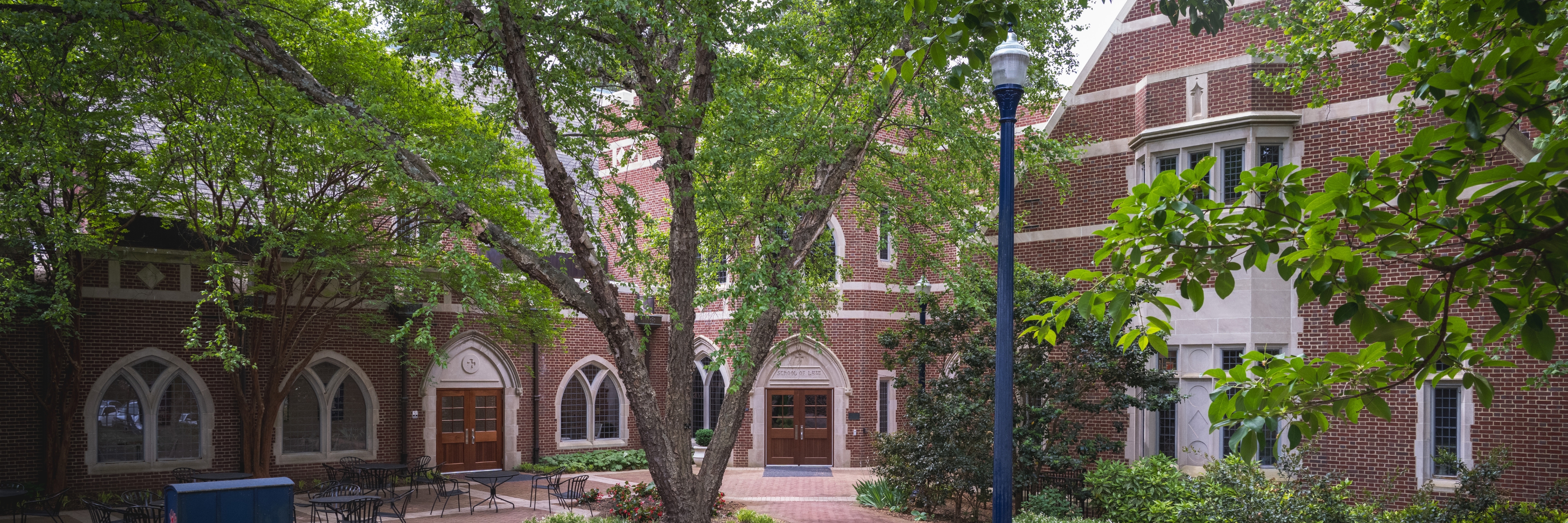
A private law school known for its rigorous curriculum and high bar passage rates. It offers a more intimate setting than the large law schools found at major state universities.
5. School of Professional & Continuing Studies
This school provides degree and certificate programs for working adults and non-traditional students, further expanding the university’s reach into the local community.
Comparison: University of Richmond vs. Public Universities
To clarify the differences for students evaluating their options in 2026, the following table compares the University of Richmond with a typical large public university (such as UVA or VCU).
| Feature | University of Richmond (Private) | Typical Public University (e.g., VCU/UVA) |
|---|---|---|
| Funding Source | Tuition, Endowment, Private Gifts | State Appropriations, Tuition, Federal Grants |
| Student Body Size | Small (~4,000 students) | Large (20,000+ students) |
| Average Class Size | 15–20 students | 30–200+ students |
| Tuition Structure | Single rate for all students | Differentiated In-State/Out-of-State rates |
| Financial Aid | Need-blind (Domestic); 100% need met | Varies; often dependent on state budget |
| Governance | Independent Board of Trustees | State-appointed Board of Visitors |
| Research Focus | Undergraduate-centric research | Graduate and faculty-centric research |
Costs, Financial Aid, and "The Richmond Guarantee"
The sticker price of a private university like the University of Richmond is typically higher than the in-state tuition of a public university. However, the university’s private endowment allows for a financial aid policy that makes it accessible to a wide range of students.
In 2026, the university continues its commitment to being need-blind for domestic undergraduate applicants. This means a student’s ability to pay is not considered during the admissions process. Furthermore, the university pledges to meet 100% of demonstrated financial need for all admitted students.
The Richmond Guarantee
A hallmark of the university's private financial strategy is the "Richmond Guarantee." This program ensures that every undergraduate student is eligible for up to $5,000 in funding for one summer internship or faculty-led research project. This level of guaranteed financial support for experiential learning is a direct benefit of the university's private status and dedicated donor base, something rarely found at public institutions where such funding is often competitive or limited.
Campus Culture and the "Spider" Identity
The University of Richmond is the only university in the United States with the Spider as its mascot. This unique identity is reflected in the close-knit campus culture. With a student-to-faculty ratio of approximately 8:1, the university fosters an environment where professors are mentors rather than distant lecturers.
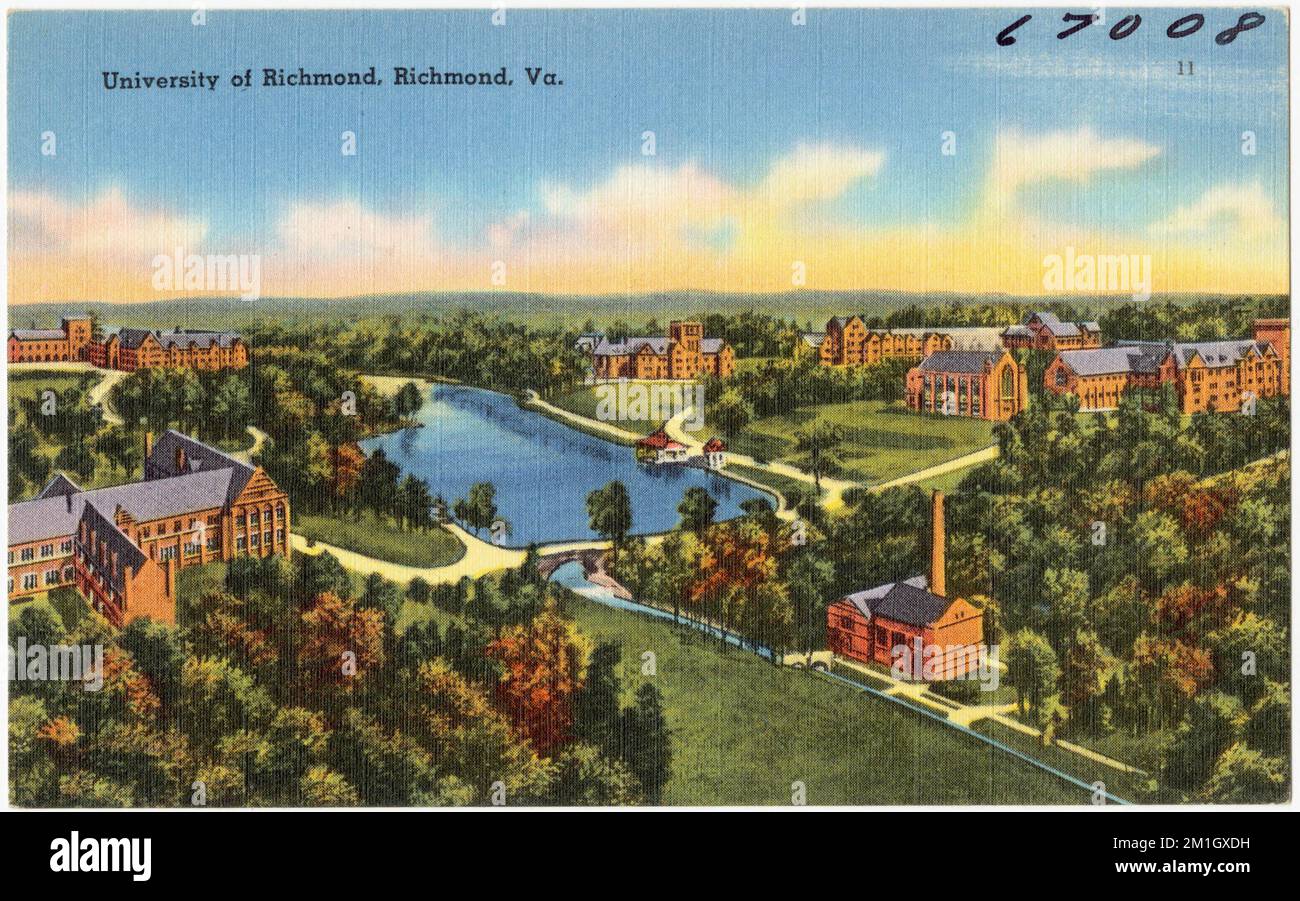
The 350-acre campus is frequently cited as one of the most beautiful in the country, featuring red-brick Gothic architecture and a central lake. Because it is a private institution, the university has significant control over its campus environment and infrastructure, allowing it to invest heavily in residence halls and student facilities that enhance the residential liberal arts experience.
Admissions and Selectivity
Because of its private status and national reputation, the University of Richmond is highly selective. The admissions committee reviews applications holistically, looking beyond GPA and test scores to evaluate a student’s potential for leadership and community contribution. Unlike public universities that may have "guaranteed admission" agreements with local community colleges, Richmond’s process is entirely independent and based on the university's specific institutional goals.
Frequently Asked Questions
Is the University of Richmond part of the state university system of Virginia?
No. While it is located in the capital of Virginia and bears the city’s name, it is a private, independent institution. It is not affiliated with the state government or the Virginia public higher education system.
Does the University of Richmond offer lower tuition for Virginia residents?
No. As a private university, Richmond charges the same tuition rate for all students regardless of their state of residency. However, Virginia residents may be eligible for the Virginia Tuition Assistance Grant (VTAG), a state-funded program for residents attending private colleges within Virginia.
How does Richmond’s endowment affect students?
The university’s endowment, which is significantly larger than many public institutions of its size, allows for smaller classes, better facilities, and more generous financial aid. It also funds the "Richmond Guarantee," providing $5,000 to students for summer research or internships.
Is the University of Richmond still a Baptist school?
The university has historical roots in the Baptist faith and was founded by the Baptist General Association of Virginia. However, it is now a non-sectarian private university. It welcomes students of all religious backgrounds and does not incorporate religious requirements into its curriculum.
What is a "coordinate college" in the context of a private university?
A coordinate college system means that the university has separate administrative structures for men (Richmond College) and women (Westhampton College). While the academic experience is coeducational, the coordinate system maintains distinct traditions and student governance for each college.
Summary of Recommendation
For students seeking an intimate, academically rigorous environment with substantial financial resources, the University of Richmond offers a compelling alternative to large public state schools. Its private status is its greatest asset, enabling a 100% need-met financial aid policy and a focus on undergraduate success.
If you are considering the University of Richmond, your next step should be to use their Net Price Calculator on the official financial aid website. Many students find that after private grants and scholarships are applied, the cost of attending this private university is comparable to, or even less than, the cost of a public state institution. Additionally, visiting the campus in the West End of Richmond is essential to understanding the unique atmosphere of this independent liberal arts community.
Image Gallery