Understanding the Pennsylvania Workers Compensation Statute for Occupational Disease 108 k
Section 108(k) of the Pennsylvania Workers' Compensation Act specifically designates silicosis as a compensable occupational disease. It applies to workers whose illness results from direct contact with, handling of, or exposure to the...
Section 108(k) of the Pennsylvania Workers' Compensation Act specifically designates silicosis as a compensable occupational disease. It applies to workers whose illness results from direct contact with, handling of, or exposure to the dust of silicon dioxide. To qualify, claimants must meet specific exposure timelines and prove the disease arose out of their employment.
Contents
The Pennsylvania Workers’ Compensation Act is a complex framework designed to provide financial and medical relief to employees injured on the job. While most people associate workers' compensation with sudden accidents—like a fall or a machinery malfunction—the law also provides extensive coverage for "occupational diseases." These are illnesses that develop over time due to the specific nature of a worker’s environment. Among the various categories defined in the statute, Section 108(k) remains one of the most significant and historically litigated provisions.
As of 2026, understanding Section 108(k) requires a deep dive into the technical requirements for silicosis claims, the interaction between different sections of the Act, and the evidentiary burdens placed on both the claimant and the employer.
What is Section 108(k)?
Section 108 of the Pennsylvania Workers’ Compensation Act serves as a glossary of recognized occupational diseases. Each subsection, from (a) through (q), identifies a specific condition or a category of conditions that the legislature has deemed inherently related to certain types of work.
Section 108(k) specifically identifies:
"Silicosis in any occupation involving direct contact with, handling of, or exposure to the dust of silicon dioxide."
Silicosis is a fibrotic lung disease caused by the inhalation of microscopic particles of crystalline silica. In Pennsylvania, this has historically affected workers in the mining, glass manufacturing, foundry, and construction industries. Because silica dust causes permanent scarring of the lungs, the statute recognizes that these workers deserve protection if their environment leads to disability or death.
The Statutory Requirements for a 108(k) Claim
Simply having a diagnosis of silicosis is not enough to secure benefits under the Pennsylvania statute. The law imposes several layers of requirements that a claimant must satisfy.
The Exposure Requirement (Section 301(d))
One of the most rigid aspects of Section 108(k) is found in Section 301(d) of the Act. For a silicosis claim to be compensable, the employee must have had an aggregate employment of at least four years in the Commonwealth of Pennsylvania, during the period of eight years next preceding the date of disability, in an occupation having a silica hazard.
This "four-out-of-eight" rule is a frequent point of contention. If a worker spent twenty years in a silica-heavy environment in Ohio but only three years in Pennsylvania before becoming disabled, they may be barred from recovering under the Pennsylvania statute, even if the Pennsylvania exposure was the "final straw" for their health.
The 300-Week Rule (Section 301(c)(2))
Perhaps the most significant hurdle for any occupational disease claimant in Pennsylvania is the "statute of repose" found in Section 301(c)(2). This rule mandates that any disability or death resulting from an occupational disease must occur within 300 weeks (approximately 5.7 years) after the last date of employment in the occupation or industry in which the employee was exposed to the hazard.
Because silicosis is a progressive disease that often has a long latency period, symptoms might not become disabling until a decade after the worker has retired or changed industries. If the disability manifests at week 301 after the last exposure, the claim is typically barred, regardless of how clear the medical evidence is.
The Benefit of the Presumption (Section 301(e))
While the timelines are strict, the Pennsylvania statute offers a powerful tool for workers known as the "Rebuttable Presumption." Under Section 301(e), if it is shown that the employee, at or immediately before the date of disability, was employed in any occupation or industry in which the occupational disease is a hazard, it shall be presumed that the disease arose out of and in the course of their employment.
For a 108(k) claim, this means if a worker can prove they worked in a foundry (a known silica hazard) and they have silicosis, the burden shifts to the employer. The employer must then prove that the silicosis was caused by something other than the workplace (such as a different hobby or environment) to avoid liability. This presumption is a critical protection for employees because proving the exact particle of dust that caused a disease is scientifically impossible.
Comparing Silicosis to Other Occupational Diseases
Section 108 contains several subsections that often overlap with 108(k). Understanding the nuances between these helps in determining the correct filing strategy.
| Statute Subsection | Disease | Primary Industry/Hazard | Key Requirement |
|---|---|---|---|
| 108(k) | Silicosis | Foundries, glass, sandblasting, masonry | 4 years of PA exposure in 8 years prior to disability. |
| 108(l) | Asbestosis | Construction, insulation, shipyards | Exposure to asbestos fibers; 300-week rule applies. |
| 108(m) | Pneumoconiosis | Coal mining (Black Lung) | Often involves the Federal Black Lung Benefits Act overlap. |
| 108(n) | Omnibus Clause | Any industry | General "catch-all" for diseases not listed in (a) through (m). |
Unlike the "catch-all" provision of Section 108(n), which requires the claimant to prove that the disease is substantially higher in their industry than in the general population, Section 108(k) diseases are "specifically enumerated." This makes the initial legal path slightly smoother, provided the exposure timelines are met.
Necessary Medical Evidence and Documentation
To prevail in a 108(k) litigation in 2026, medical documentation must be rigorous. A simple note from a family doctor stating the patient has "breathing problems" is insufficient. The Workers' Compensation Judge (WCJ) typically requires:
- ILO Classification of Chest Radiographs: Radiologists or "B-Readers" must classify X-rays or CT scans using the International Labour Office (ILO) standards for pneumoconiosis. This provides a standardized score for the profusion of opacities in the lungs.
- Pulmonary Function Tests (PFTs): These tests measure lung capacity (FVC) and the volume of air exhaled in one second (FEV1). They determine the degree of functional impairment.
- Physical Examination and History: A detailed occupational history is vital to link the diagnosis back to the specific periods of employment that meet the 108(k) and 301(d) criteria.
- Expert Medical Testimony: In Pennsylvania, medical evidence in these cases must be "unequivocal." The doctor must state, within a reasonable degree of medical certainty, that the work exposure was a substantial contributing factor to the disease.
Common Challenges in 108(k) Litigation
Even with strong medical evidence, employers and their insurance carriers frequently contest these claims. Common defense strategies include:
- The Multi-Employer Defense: If a worker was exposed at three different companies over 20 years, the carriers may argue about which one is responsible. Generally, the last employer where the claimant was exposed to the hazard for at least one year is the liable party.
- Alternative Causation: Carriers often point to a history of cigarette smoking. While smoking does not "cause" silicosis (only silica dust does), it can cause emphysema or COPD, which can complicate the medical picture and the assessment of disability.
- The 300-Week Bar: As mentioned, this is the most common reason legitimate claims are denied. Lawyers often look for "last exposure" dates that might have been extended by part-time work or consulting to bring the claim within the window.
Conclusion and Next Actions
The Pennsylvania Workers’ Compensation Statute for occupational disease 108(k) provides a vital safety net for those suffering from silicosis, but it is governed by rigid timelines and specific exposure requirements that are difficult to navigate without professional assistance.
If you or a family member is dealing with a silicosis diagnosis, you should take the following steps:
- Secure your employment history: Create a timeline of every employer, the dates worked, and the specific materials handled.
- Request a B-Read: Ensure your medical imaging is reviewed by a doctor certified in identifying occupational lung diseases.
- Monitor the 300-week window: If you are nearing five years since your last exposure to silica, you must act quickly to determine if you have a compensable disability.
- Consult a specialist: Seek legal counsel specializing in Pennsylvania Workers' Compensation law, as these cases almost always require formal litigation and expert testimony.
Frequently Asked Questions
Can I still file a 108(k) claim if I smoked for 30 years?
Yes. Smoking does not disqualify you from receiving workers' compensation for silicosis. However, the medical expert must be able to differentiate the disability caused by silica from the disability caused by smoking-related diseases. If the silica exposure was a substantial contributing factor to your total disability, you may still be eligible.
What happens if my employer from 20 years ago is out of business?
The claim is typically filed against the last employer where you were exposed to the hazard for at least one year. If that company is out of business, the claim may be directed toward the insurance carrier that held the policy at the time of your last exposure, or through the Uninsured Employers Guaranty Fund if no insurance can be found.
Does 108(k) cover medical bills or just lost wages?
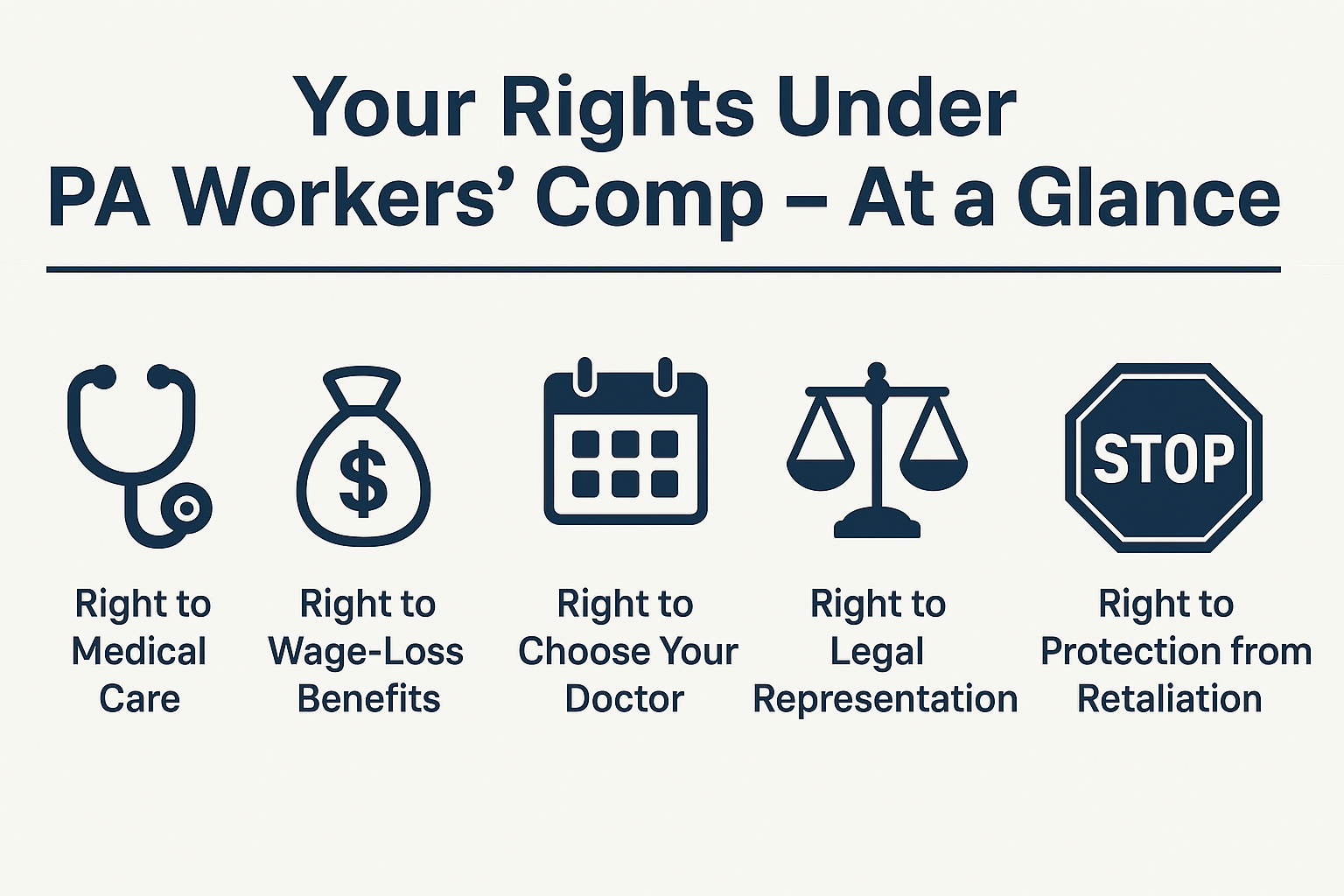
It covers both. If your claim is successful, the employer/insurer is responsible for all reasonable and necessary medical treatment related to the silicosis, as well as wage loss benefits (usually around two-thirds of your average weekly wage, subject to state maximums).
Is there a difference between silicosis and asbestosis in the eyes of the law?
Statutorily, they are different subsections (108(k) vs. 108(l)), but they share many of the same procedural hurdles, such as the 300-week rule. The primary difference lies in the specific mineral dust involved and the industries associated with the exposure.
Can I file a claim if I have the disease but I am still working?
Pennsylvania workers' compensation is generally based on "disability," which means a loss of earning power. If you have the disease but are still earning your full wages, you may be able to file for "medical only" benefits, but you would not receive weekly checks until the disease causes a drop in pay or total inability to work.
Image Gallery