How to Cook King Mushrooms Safely and Deliciously
To cook king mushrooms safely and deliciously, you must first clean them with a damp cloth and slice the dense stems into rounds or planks. Always cook them thoroughly to break down indigestible chitin; searing them over medium-high he...
To cook king mushrooms safely and deliciously, you must first clean them with a damp cloth and slice the dense stems into rounds or planks. Always cook them thoroughly to break down indigestible chitin; searing them over medium-high heat with fat until golden brown ensures a meaty texture and rich, savory umami flavor.
Contents
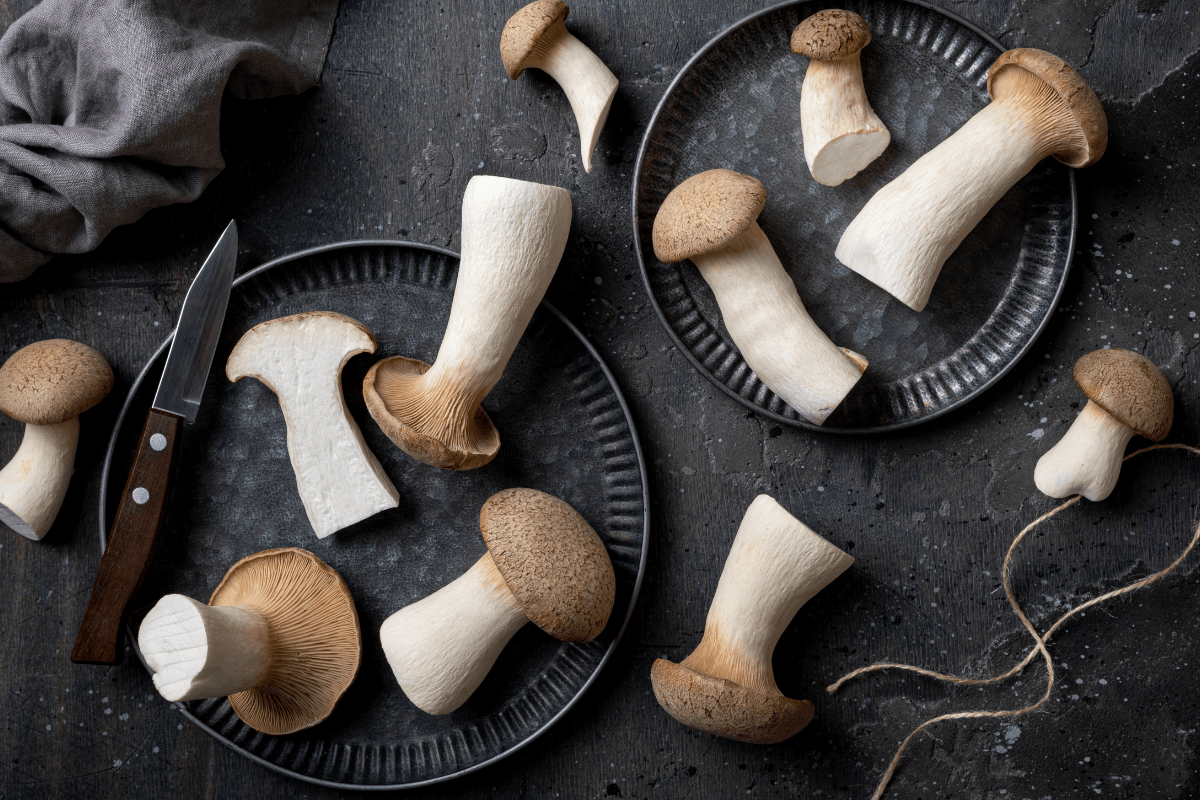
King mushrooms, scientifically known as Pleurotus eryngii and often called King Oyster or French Horn mushrooms, have become a staple of modern plant-forward professional kitchens in 2026. Unlike many other fungi where the cap is the star, the King Oyster is prized for its thick, meaty, and cylindrical stem. When prepared correctly, these mushrooms serve as a remarkable sustainable alternative to scallops, abalone, or even pulled pork. However, achieving the perfect balance of safety and flavor requires an understanding of their unique biological structure and culinary properties.
Safety and Preparation: The Foundation of Mushroom Cooking
Before applying heat, you must ensure the mushrooms are handled correctly. While king mushrooms are generally safe for most people, "safety" in the context of fungi involves both hygiene and digestibility.
Why You Must Cook King Mushrooms
It is a common misconception that all mushrooms can be eaten raw. King mushrooms contain chitin, a fibrous substance that makes up their cell walls. The human digestive system lacks the enzymes to break down raw chitin efficiently, which can lead to bloating, gas, or stomach upset. Furthermore, cooking neutralizes small amounts of heat-sensitive toxins found in many wild and cultivated fungi and significantly improves nutrient bioavailability. By applying heat, you break down these cell walls, releasing the antioxidants, such as ergothioneine, and vitamins like B3 and B5.
Proper Cleaning Techniques
Mushrooms act like sponges. If you soak them in water, they will absorb the liquid, making it impossible to achieve a crisp, golden-brown sear.
- Inspect: Look for firm, white stems and intact brown caps. Avoid any that feel slimy or have a pungent, sour odor.
- Dry Clean: Use a soft brush or a slightly damp paper towel to wipe away any substrate or dirt from the stem and cap.
- Trim: The very bottom of the stem may be woody or have bits of growing medium attached. Trim about a quarter-inch off the base to reveal a clean, uniform texture.
Slicing for Success
The way you cut a king mushroom dictates its final texture.
- Medallions: Slicing the stem into 1-inch thick rounds is the standard method for creating "vegan scallops."
- Planks: Slicing the mushroom lengthwise creates long steaks that are perfect for grilling or pan-searing.
- Shredding: Using a fork to shred the raw stem lengthwise creates a texture identical to pulled meat, ideal for tacos or sandwiches.
The Science of Flavor: The Maillard Reaction and Umami
To make king mushrooms delicious, you must master the Maillard reaction. This chemical reaction between amino acids and reducing sugars gives browned food its distinctive flavor. Because king mushrooms have a high water content (though lower than standard white buttons), the first stage of cooking is often water evaporation.
Once the surface water is gone, the temperature rises above 284°F (140°C), triggering the browning process. To maximize this, many chefs use the "dry sear" method. Start by placing the mushrooms in a hot pan without oil for 1–2 minutes to drive off surface moisture, then add your fat (butter, olive oil, or neutral grape seed oil) to facilitate the browning.
Scoring for Enhanced Seasoning
Because the stem of a king mushroom is so dense, salt and aromatics often struggle to penetrate the center. By using a sharp knife to score a cross-hatch pattern (diamonds) into the flat surfaces of your slices, you increase the surface area. This allows heat to reach the core faster and provides "valleys" for butter, garlic, and herbs to settle into.
Comparative Cooking Methods for King Mushrooms
Different techniques yield vastly different culinary results. The following table compares the most effective ways to prepare king mushrooms in 2026.
| Method | Heat Level | Cook Time | Best Used For | Resulting Texture |
|---|---|---|---|---|
| Pan-Searing | Medium-High | 8–10 mins | Vegan Scallops, Steaks | Crispy exterior, tender interior |
| Roasting | 400°F (200°C) | 20–25 mins | Sheet pan meals, sides | Concentrated flavor, slightly chewy |
| Grilling | High | 6–8 mins | BBQ, Summer Salads | Smoky, charred, and firm |
| Braising | Low | 15–20 mins | Stews, Curries | Silky, succulent, absorbs sauce |
| Air Frying | 375°F (190°C) | 12–15 mins | Healthy Snacks | Dehydrated, jerky-like or crisp |
Step-by-Step Guide: The Perfect Pan-Seared King Mushroom
This method is widely considered the gold standard for bringing out the "abalone-like" quality of the mushroom.
- Prep: Slice the mushrooms into 1-inch thick medallions and score both sides in a diamond pattern.
- Initial Sear: Heat a heavy-bottomed skillet (cast iron is preferred) over medium-high heat. Place the medallions in the dry pan. Let them sit undisturbed for 2 minutes.
- Add Fat: Add 2 tablespoons of high-smoke-point oil or a combination of butter and oil. You should hear a vigorous sizzle.
- Season: Sprinkle with sea salt and cracked black pepper. The salt helps draw out remaining moisture to assist in browning.
- The Flip: Once the bottom is deep golden brown, flip the pieces.
- Aromatics: Reduce heat to medium. Add a crushed garlic clove and a sprig of thyme or rosemary to the fat. Spoon the flavored fat over the mushrooms (basting) for the final 3 minutes of cooking.
- Deglaze (Optional): Add a splash of white wine or soy sauce at the very end to lift the browned bits (fond) from the pan and coat the mushrooms in a savory glaze.
Troubleshooting Common Mistakes
Even experienced cooks can encounter issues with these dense fungi. Understanding the "why" behind these failures is key to correction.
- Rubbery Texture: This usually happens when the mushrooms are cooked at too low a temperature for too long. They "steam" in their own juices rather than searing. Ensure the pan is hot before adding the mushrooms.
- Bitter Taste: If the mushrooms are burnt rather than browned, they will turn bitter. If the pan gets too smoky, reduce the heat and add a bit more oil to regulate the temperature.
- Lack of Flavor: King mushrooms are mild on their own. They require generous seasoning. If they taste bland, increase the salt or add a source of acidity like lemon juice or balsamic vinegar after cooking.
- Sliminess: This occurs if you wash the mushrooms under a faucet right before cooking. Always stick to the dry-wipe method or ensure they are bone-dry before they hit the oil.
Nutritional Value and Health Considerations
In 2026, king mushrooms are recognized not just for flavor, but as a functional food. They are naturally low in calories and fat while being high in protein compared to other vegetables.
- Selenium: Supports immune function and acts as a powerful antioxidant.
- Potassium: Essential for heart health and fluid balance.
- Statins: King mushrooms naturally contain low levels of lovastatin, which may assist in maintaining healthy cholesterol levels.
Medical Note: While king mushrooms are safe for the general population, individuals with a known mold or fungi allergy should exercise caution. Always consult a healthcare professional if you experience an adverse reaction such as hives or respiratory distress after consumption.
Frequently Asked Questions
Can I eat the brown cap of the king mushroom?
Yes, the cap is entirely edible and delicious. It has a slightly softer texture than the stem and carries a more traditional "earthy" mushroom flavor. Many chefs leave the cap attached to the stem planks for aesthetic appeal.
How long do king mushrooms last in the fridge?
When stored properly in a paper bag (which allows them to breathe), king mushrooms can last for 7 to 10 days. Avoid plastic bags, as they trap moisture and lead to rapid spoilage and mold growth.
Do king mushrooms taste like seafood?
On their own, they have a mild, nutty, and savory flavor. However, their texture is remarkably similar to scallops or abalone. When seasoned with seaweed (like dulse or nori) and seared in butter, they can convincingly mimic the experience of eating seafood.
Why did my mushrooms turn grey or black?
Mushrooms oxidize when exposed to air after being sliced. While a slight color change is normal, deep black spots or a slimy coating indicate that the mushroom has spoiled and should be discarded for safety.
Is it necessary to peel king mushrooms?
No, the skin of the king mushroom is thin and tender. Peeling is unnecessary and would remove much of the fiber and surface area needed for browning. Just ensure the surface is wiped clean of any dirt.
Practical Recommendation for Next Actions
To master king mushrooms, start by purchasing the freshest specimens possible—look for firm, heavy stems with no visible bruising. Begin with the Pan-Searing method described above, as it provides the most immediate feedback on how the mushroom reacts to heat and seasoning. Once you are comfortable with the texture, experiment with "pulled" king oyster mushrooms by shredding the stems with a fork and sautéing them with BBQ sauce for a high-fiber, low-fat alternative to traditional pork. Always remember: high heat and thorough cooking are your best tools for both safety and culinary excellence.
Image Gallery