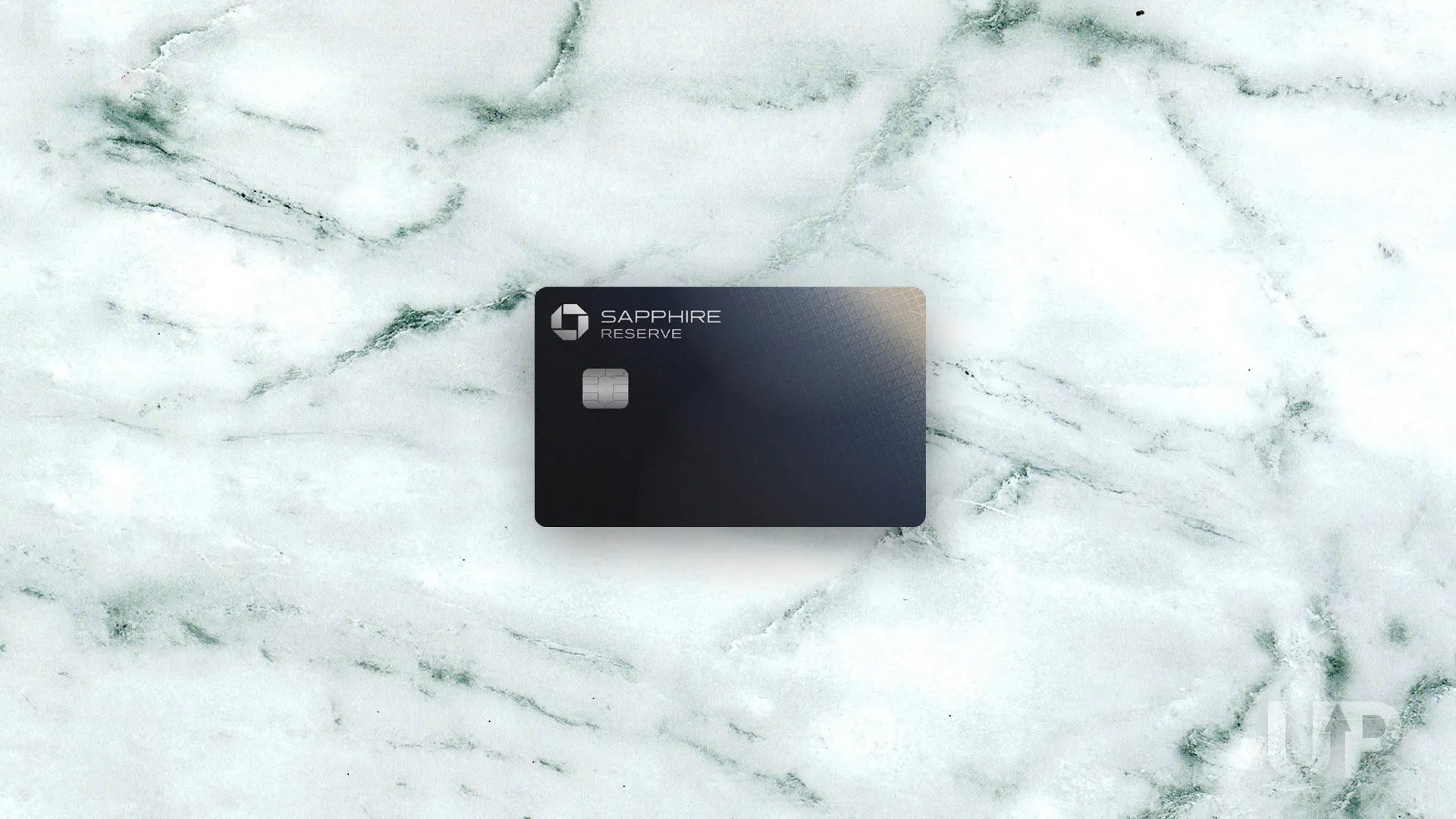
Why the Chase Sapphire Preferred Beats Most Flight Cards for Students
The Chase Sapphire Preferred card stands out as a superior financial tool for students because it balances accessible entry-level requirements with high-value travel rewards, flexible redemption options through Chase Ultimate Rewards,...
The Chase Sapphire Preferred card stands out as a superior financial tool for students because it balances accessible entry-level requirements with high-value travel rewards, flexible redemption options through Chase Ultimate Rewards, and comprehensive travel protections that most entry-tier student flight cards lack. Its structure allows students to build credit while maximizing the return on travel and dining expenses.
Contents
Understanding the Student Travel Card Landscape
For students, the primary goal of selecting a credit card often centers on travel, particularly for trips home, study abroad programs, or career-related travel. Most cards marketed specifically as "student cards" offer simple cash-back structures or basic airline miles tied to a single carrier. While these cards are easy to obtain, they often suffer from significant limitations, such as predatory fee structures, lack of travel insurance, or restrictive redemption portals that diminish the actual value of your points.
The Chase Sapphire Preferred (CSP) functions differently. While it carries an annual fee, the value proposition—driven by a 25% increase in point value when redeemed for travel through the Chase portal and the ability to transfer points to a diverse range of airline and hotel partners—frequently outweighs the costs. For a student who spends regularly on dining and transit, this card provides a pathway to premium travel experiences rather than just modest rebates.
Core Advantages of the Chase Sapphire Preferred for Students
The primary appeal of the CSP lies in its flexibility. Unlike co-branded airline cards that lock you into one carrier, the CSP earns Ultimate Rewards points that can be transferred to partners like United Airlines, Southwest, British Airways, and Hyatt. This is critical for students, as travel needs often change year to year.
- Flexible Redemption: You are not tethered to a specific airline’s schedule or hub. If a budget airline becomes the most convenient option, you can still find value for your points.
- Dining and Transit Multipliers: Students typically spend a significant portion of their budget on food and campus transport. The CSP offers 3x points on dining and 2x points on travel, which adds up faster than standard 1x earning cards.
- Comprehensive Protections: Student flight cards rarely include built-in travel insurance. The CSP provides baggage delay reimbursement, trip cancellation and interruption insurance, and primary rental car coverage. These features offer a safety net for students who may not have independent insurance policies.
- No Foreign Transaction Fees: For students planning to study abroad, the lack of foreign transaction fees is a critical cost-saver. Many generic student cards charge 3% or more on every international purchase.
Comparison: Chase Sapphire Preferred vs. Typical Student Flight Cards
| Feature | Chase Sapphire Preferred | Typical Student Airline Card |
|---|---|---|
| Point Flexibility | High (Transfer Partners + Portal) | Low (Specific Airline Only) |
| Dining Multipliers | 3x Points | Usually 1x |
| Annual Fee | $95 | $0 |
| Foreign Fees | None | Often 3% |
| Travel Protections | Extensive | Minimal/None |
| Sign-up Bonus | Often High | Often Low/None |
Addressing the Annual Fee and Student Eligibility
The most frequent point of hesitation for students regarding the Chase Sapphire Preferred is the $95 annual fee. However, when evaluating this from a financial standpoint, the value is often recovered through the annual $50 hotel credit for stays booked through the Chase portal or simply by taking advantage of the point transfer system.
Regarding eligibility, Chase does not have a formal "student" version of the Sapphire Preferred. However, applicants who have established a thin credit history—often through a starter card or a student account—can often qualify if they have a consistent income. Students should verify their income, including scholarships and grants if they are applied toward living expenses, to ensure they meet the bank’s criteria. It is important to note that financial products carry risks; students should only apply for a card with an annual fee if they are disciplined in paying their balance in full every month to avoid interest charges, which would negate any travel rewards earned.
Strategic Use of Points for Maximum Value
To "beat" other cards, the user must use the points strategically. Transferring points directly to airline partners often yields a higher cent-per-point value than booking through the portal. For example, transferring points to an airline partner for a last-minute flight home during a holiday period can save hundreds of dollars compared to a cash booking.
Students should also monitor the rotating category bonuses and use the Chase portal for their primary travel bookings to secure the 5x points per dollar spent on travel booked through Chase. This multi-tiered earning structure is rarely found in traditional student-targeted travel cards.
Common Mistakes to Avoid
- Carrying a Balance: The interest rates on travel rewards cards are generally high. Never view points as a justification for spending beyond your means.
- Neglecting Protections: Students often forget that the card offers primary rental car coverage. Renting a car without this coverage—and then purchasing the rental agency's expensive insurance—is a missed opportunity to save significant money.
- Redeeming for Cash Back: Redeeming Ultimate Rewards for cash back is generally the least efficient use of the points. They should almost always be saved for travel.
Frequently Asked Questions
1. Can a student get the Chase Sapphire Preferred without a high income? Approval is based on credit history and debt-to-income ratio. While there is no published minimum income, having a solid credit score and a verifiable income source (even if modest) is necessary.
2. Is the $95 fee worth it for a student? It is worth it if you travel at least twice a year and utilize the transfer partners. If you rarely travel, a no-annual-fee cash-back card may be more appropriate.
3. Does the card offer primary rental car insurance? Yes. The CSP provides primary rental car insurance, which covers theft and damage to the vehicle. This is a significant perk compared to many other cards that only offer secondary coverage.
4. How does the "transfer partner" feature work? You can move your Chase points at a 1:1 ratio to several airline and hotel loyalty programs. This allows you to book award flights directly through those airlines, which often provides much better value than redeeming points for a fixed cash value.
5. What should I do if I am denied for the Chase Sapphire Preferred? If denied, you can call the Chase reconsideration line to discuss your application. They may ask for proof of income or clarity on your credit history, providing a chance to appeal the initial decision.
Next Steps for the Prospective Student Cardholder
If you are a student considering this path, first pull your credit report to ensure your history is accurate. Evaluate your annual travel habits; if you plan to travel at least once or twice a year, the CSP offers a level of value and protection that standard student cards cannot match. If you currently hold a starter card, ensure you have used it responsibly for at least 6–12 months before applying for the CSP to maximize your approval odds. Always maintain a zero balance to ensure the rewards you earn remain true savings rather than costs offset by interest.
Image Gallery