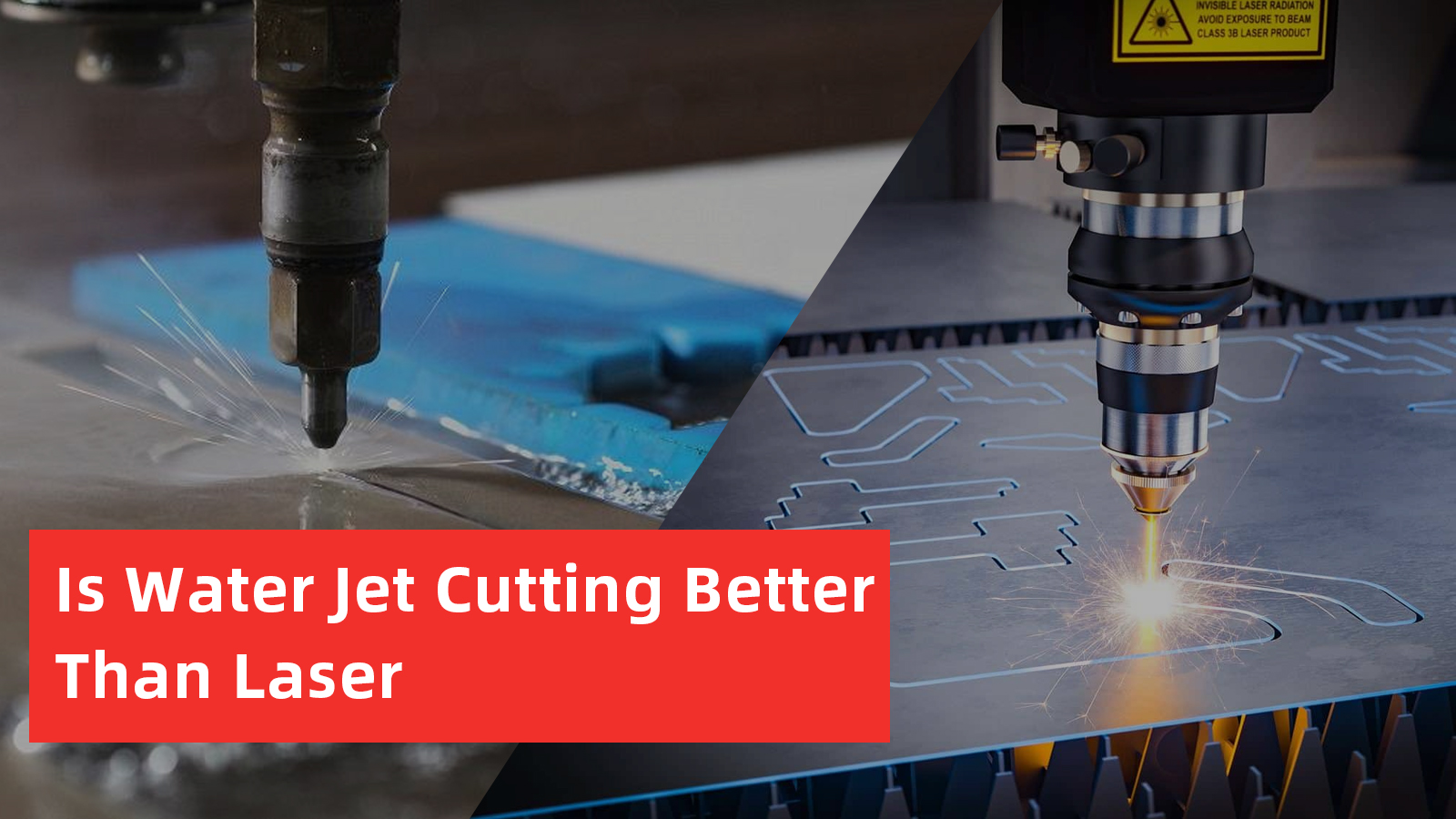
Understanding the Water Jet Tech Landscape
In 2026, the water jet technology landscape represents a sophisticated segment of the subtractive manufacturing industry, defined by high-pressure cold-cutting capabilities that handle virtually any material. Utilizing pressurized wate...
In 2026, the water jet technology landscape represents a sophisticated segment of the subtractive manufacturing industry, defined by high-pressure cold-cutting capabilities that handle virtually any material. Utilizing pressurized water streams—often reaching 90,000 PSI—this technology integrates advanced AI-driven motion control and sustainable closed-loop filtration to deliver precision without heat-affected zones.
Contents
Water jet cutting has evolved from a niche industrial process into a versatile cornerstone of modern manufacturing. Unlike laser or plasma cutting, which rely on thermal energy to melt or burn through materials, a water jet acts as a mechanical erosion tool. By accelerating water to supersonic speeds, the system effectively "washes" material away at a microscopic level. In the current 2026 industrial environment, the technology is prized for its "cold cutting" nature, which preserves the structural integrity and metallurgical properties of the workpiece.
The Core Mechanics: Powering the Stream
At the heart of the water jet landscape are two primary methods of generating the immense pressure required for cutting: intensifier pumps and direct drive (crankshaft) pumps. Understanding the distinction between these two is critical for any facility evaluating its operational needs.
Intensifier Pump Technology
The intensifier pump utilizes the principle of pressure amplification. A hydraulic circuit moves a large-piston plunger, which in turn pushes a smaller-diameter high-pressure plunger. Because the surface area of the hydraulic piston is much larger than the high-pressure plunger, the pressure is "intensified" by a specific ratio, often 20:1. In 2026, intensifier pumps remain the gold standard for ultra-high-pressure applications (exceeding 90,000 PSI) because they are easier to maintain over long duty cycles and can support multiple cutting heads from a single pressure source.
Direct Drive (Crankshaft) Pumps
Direct drive pumps use a motor-driven crankshaft to move three or more plungers in a manner similar to an internal combustion engine. These systems are inherently more energy-efficient than hydraulic intensifiers, often converting up to 90% of electrical energy into water pressure. While historically limited to lower pressure ranges, 2026-era direct drive pumps have closed the gap, frequently operating reliably at 60,000 PSI. They are preferred in shops where energy costs are a primary concern and where ultra-high-pressure "burst" capacity is less critical than consistent flow.
Primary Categories: Pure Waterjet vs. Abrasive Waterjet
The tech landscape is bifurcated into two distinct operational modes: Pure Waterjet (PWJ) and Abrasive Waterjet (AWJ). The choice between them depends entirely on the material density and the desired finish.
Pure Waterjet (PWJ)
Pure waterjet cutting uses only a stream of pressurized water. The orifice, usually made of lab-grown ruby, sapphire, or diamond, creates a hair-thin stream (0.004 to 0.010 inches in diameter). This method is ideal for soft materials that can be easily eroded, such as:
- Food products: Meat, produce, and baked goods (using sterilized water).
- Textiles and Carpeting: For automotive interiors and fashion.
- Foam and Rubber: For gaskets and packaging.
- Paper and Thin Plastics: Used in high-speed industrial printing and packaging.
Abrasive Waterjet (AWJ)
To cut hard materials like titanium, granite, or armored glass, the system must introduce an abrasive medium—typically crushed almandine garnet—into a mixing chamber located within the cutting head. The high-velocity water creates a vacuum (Venturi effect) that draws the garnet into the stream. The water then accelerates the garnet particles, which do the actual "cutting" through erosion. This allows the system to tackle materials up to 10 inches thick with high precision.
Advanced Features Driving the 2026 Landscape
The modern landscape is no longer defined by simple 2D X-Y tables. Integration with Industry 4.0 has introduced several transformative features.
Multi-Axis and Robotic Integration
5-axis and 6-axis cutting heads are now standard in aerospace and defense sectors. These heads can tilt and rotate during the cutting process, allowing for complex 3D geometries and automatic taper compensation. Historically, water jet streams would "trail" behind the head or create a slight taper at the bottom of the cut; modern software-controlled tilting heads counteract these physics-based errors in real-time, producing perfectly square edges.
Micro-Waterjet Cutting
A significant development in recent years is the refinement of micro-waterjet technology. These systems use incredibly fine orifices and specialized fine-mesh abrasives to achieve tolerances within ±0.01mm. This has positioned water jet tech as a viable competitor to Small-Hole EDM (Electrical Discharge Machining) for medical device manufacturing and micro-electronics, especially when the material is sensitive to the heat produced by EDM or lasers.
AI and Predictive Maintenance
In 2026, high-end water jet systems are equipped with acoustic and vibration sensors. AI algorithms analyze these signals to predict when a nozzle is nearing failure or when a pump seal requires replacement. This shift from reactive to predictive maintenance has significantly reduced downtime in high-volume production environments.
Comparative Analysis: Water Jet vs. Alternative Technologies
Choosing the right technology requires a comparison of material versatility, precision, and operational cost.
| Feature | Water Jet Cutting | Laser Cutting | Plasma Cutting | EDM (Electrical Discharge) |
|---|---|---|---|---|
| Heat Affected Zone | None (Cold Cutting) | High | Very High | Moderate |
| Material Range | Virtually Any | Mostly Metals/Plastics | Conductive Metals Only | Conductive Metals Only |
| Max Thickness | Up to 10+ inches | Up to 1 inch (common) | Up to 3 inches | Up to 12+ inches |
| Edge Quality | Satin finish, no slag | Clean, may have burr | Rough, high dross | Extremely Smooth |
| Cutting Speed | Moderate | Very Fast (thin materials) | Fast (thick metals) | Very Slow |
| Precision | High (±0.003") | Very High (±0.001") | Moderate (±0.020") | Extremely High (±0.0001") |
Economic and Operational Considerations
While the "versatility" of water jet technology is its primary selling point, the "cost per part" is influenced by several recurring expenses.
- Abrasive Costs: Garnet is the single largest operating expense in abrasive water jet cutting. In 2026, prices fluctuate based on mining output and logistics. Effective systems now include garnet recycling units that can recover up to 50% of used abrasive for reuse.
- Power Consumption: High-pressure pumps require significant electricity. Optimizing pump pressure for the specific material (rather than running at max PSI constantly) is a key strategy for cost reduction.
- Consumables: Nozzles, orifices, and high-pressure seals are considered "wear items." Diamond orifices, while more expensive upfront, can last up to 1,000 hours compared to 40-60 hours for ruby or sapphire, leading to lower long-term costs and more consistent stream quality.
- Waste Disposal: The "spent" abrasive and removed material settle in the catcher tank as sludge. In 2026, environmental regulations require proper filtration and disposal of this sludge, especially if cutting hazardous materials like lead or certain composites.
Environmental Sustainability and Resource Management
The 2026 landscape places a heavy emphasis on "Green Manufacturing." Modern water jet systems are no longer "drain-and-fill" operations.
Closed-Loop Water Systems
Regulations in many jurisdictions now mandate closed-loop systems. These units capture the water from the catcher tank, filter out suspended solids and dissolved minerals, chill the water to protect pump seals, and return it to the pump. This reduces water consumption by over 90% and prevents the discharge of potentially contaminated water into municipal sewers.
Garnet Recycling
The industry has seen a massive shift toward on-site garnet recycling. By separating the usable garnet from the fine "fines" (dust) and the removed material, shops can significantly lower their environmental footprint and their shipping costs for new abrasive.
Frequently Asked Questions
What is the maximum thickness a water jet can cut?
In 2026, standard industrial water jets can effectively cut through 8 to 10 inches of most materials, including steel and stone. While the jet can technically penetrate even thicker materials (up to 18 inches in some specialized setups), the accuracy and edge quality diminish significantly as the stream diverges at greater depths. For most precision engineering applications, 6 inches is considered the practical limit for maintaining tight tolerances.
Does water jet cutting cause rust on steel parts?
Because the process involves water, surface oxidation (flash rust) can occur on carbon steels. However, because the cutting process is so fast and the water is often treated with rust inhibitors, this is usually minimal. Most operators dry the parts immediately after cutting or use a specialized chemical dip to prevent oxidation. Stainless steel and aluminum are generally unaffected.
How loud is a water jet system during operation?
An abrasive water jet cutting in the open air can reach noise levels of 100-110 decibels. However, most modern 2026 systems utilize "submerged cutting," where the water level in the catcher tank is raised to cover the workpiece. Cutting underwater muffles the sound significantly, bringing it down to approximately 75-80 decibels, which is much safer and more comfortable for a shop environment.
Can water jet technology cut tempered glass?
No. Tempered glass is designed to shatter into thousands of small pieces when its surface tension is compromised. Even the precise, cold-cutting nature of a water jet will trigger this reaction. However, water jets are the preferred method for cutting non-tempered glass, laminates (like bullet-resistant glass), and mirrors, provided the pressure is ramped up slowly to prevent initial cracking.
What are the maintenance requirements for a high-pressure pump?
Maintenance is measured in "on-pressure" hours. Typically, high-pressure seals and check valves require inspection or replacement every 500 to 1,000 hours, depending on the operating pressure. The cooling system and hydraulic oil (in intensifiers) should be serviced annually. Modern systems provide digital alerts when these milestones are approaching to prevent unexpected failures.
Practical Recommendation for 2026 Implementation
For organizations looking to enter or expand within the water jet tech landscape, the focus should be on flexibility and sustainability. If your workflow involves a wide variety of materials (metals, composites, and plastics), an abrasive water jet with a 5-axis head and a 60,000 to 90,000 PSI intensifier pump offers the most comprehensive solution. Prioritize systems with integrated water recycling and garnet recovery to ensure compliance with 2026 environmental standards and to insulate your operation from rising consumable and utility costs.
Image Gallery