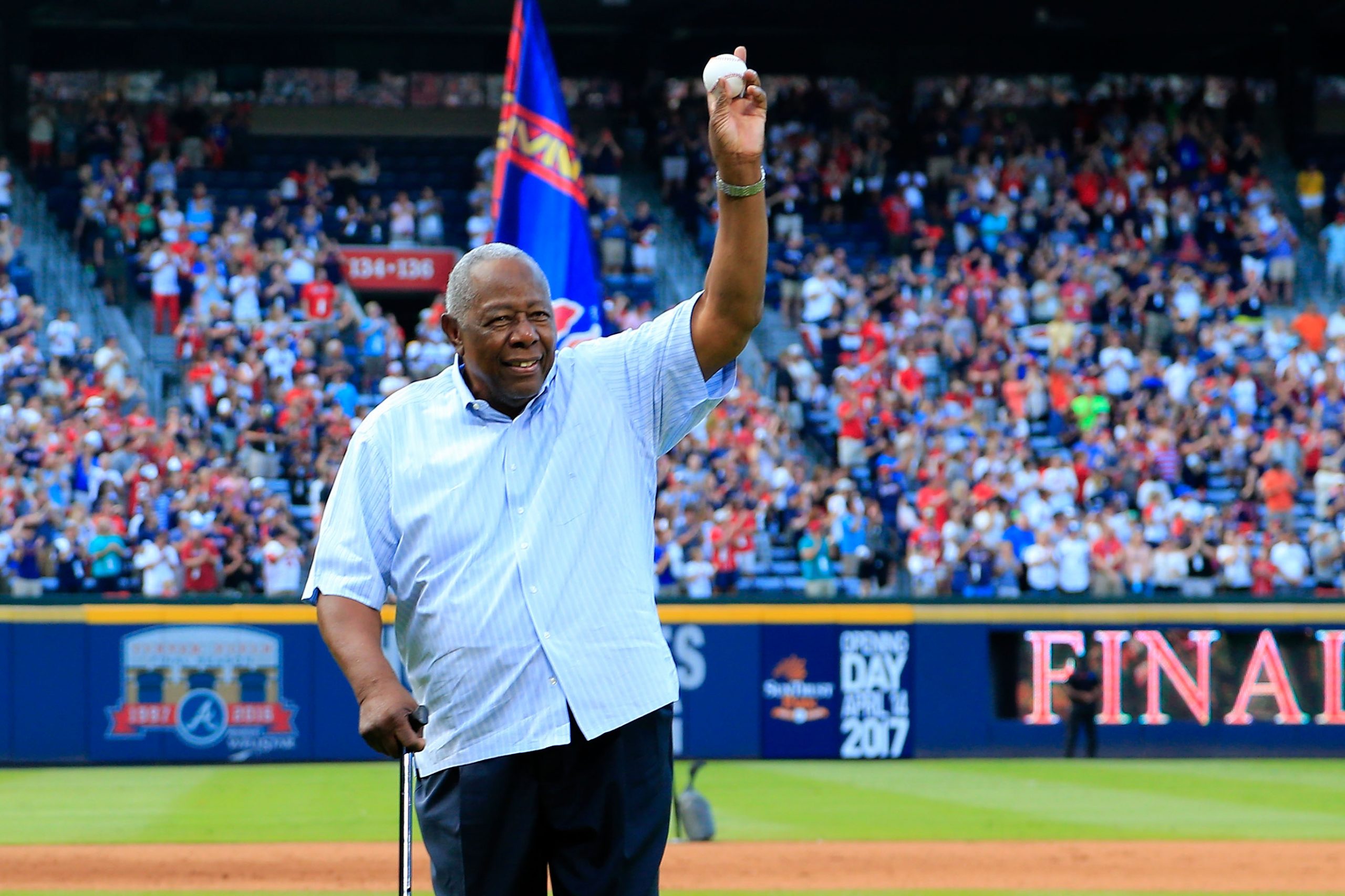
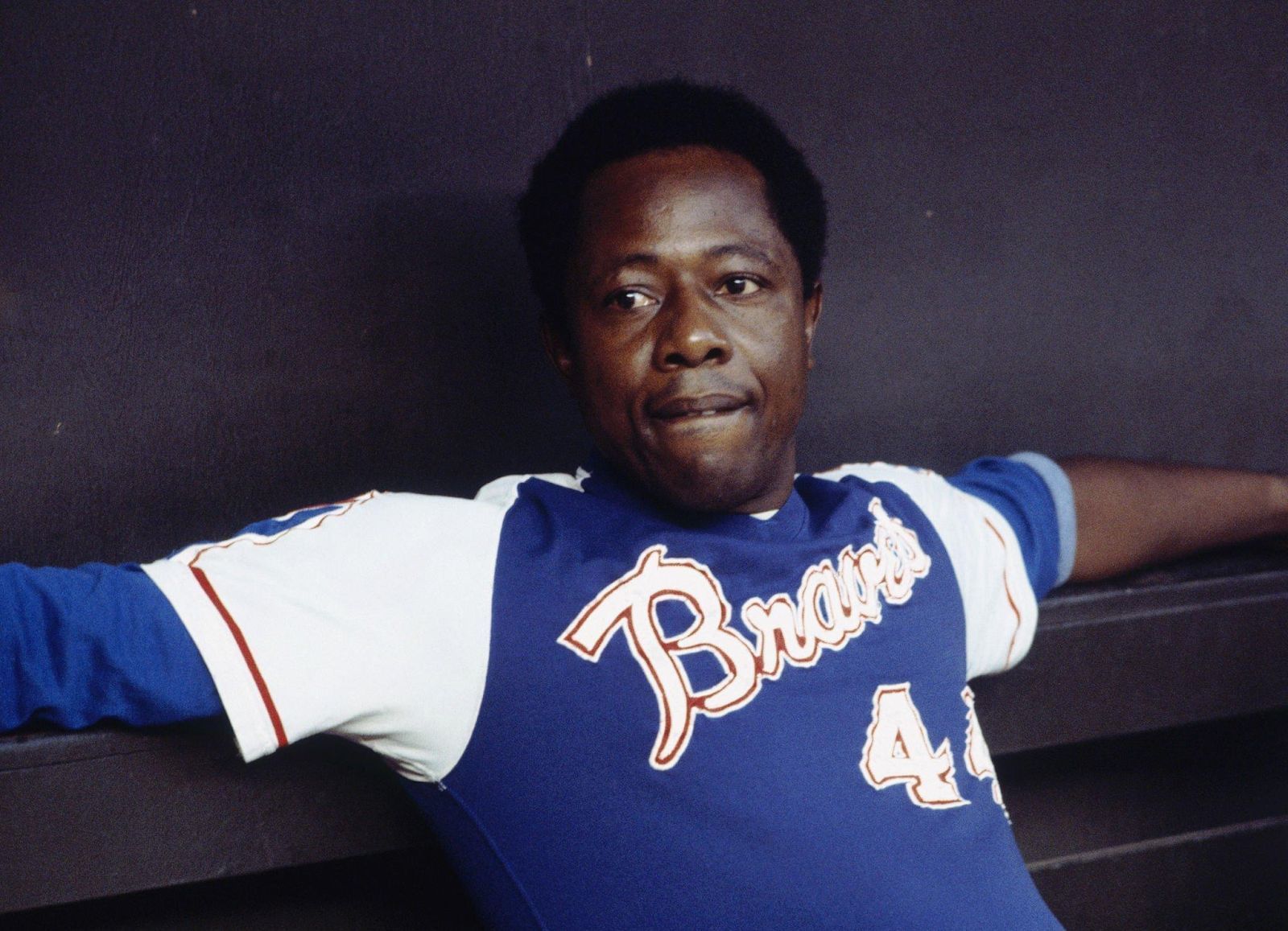
Henry Aaron Net Worth: Analyzing the Financial Legacy of "Hammerin' Hank"
At the time of his passing in January 2021, Henry "Hank" Aaron had an estimated net worth of approximately $25 million. As we look back from 2026, his wealth reflects a successful transition from a legendary professional baseball caree...
At the time of his passing in January 2021, Henry "Hank" Aaron had an estimated net worth of approximately $25 million. As we look back from 2026, his wealth reflects a successful transition from a legendary professional baseball career to a formidable secondary career as a corporate executive and entrepreneur.
Contents
While modern sports contracts often exceed hundreds of millions of dollars, Aaron’s financial success was built through a combination of pioneering player salaries, strategic business investments in the automotive and fast-food industries, and a long-standing executive role within the Atlanta Braves organization. Understanding his net worth requires an examination of how he leveraged his iconic status into a sustainable business empire during an era when athlete endorsements and post-career planning were still evolving.
The Evolution of Hank Aaron’s On-Field Earnings
To understand Henry Aaron’s net worth, one must first look at the era in which he played. Aaron played 23 seasons in Major League Baseball (MLB) from 1954 to 1976. This period preceded the explosion of television revenue and the era of massive free-agent contracts that define the sport in 2026.
Early Career and the Move to the Majors
Aaron’s professional journey began in the Negro Leagues with the Indianapolis Clowns, where he reportedly earned $200 per month. After his contract was purchased by the Boston (soon to be Milwaukee) Braves, his climb up the financial ladder began in earnest. In his 1954 rookie season, Aaron’s salary was approximately $3,000.
Throughout the 1950s and 1960s, Aaron’s salary rose steadily as he established himself as the premier power hitter in the National League. By the mid-1960s, he was consistently earning between $50,000 and $70,000 annually—figures that were significant at the time but represent only a fraction of his ultimate net worth.
Breaking the $200,000 Ceiling
The most significant milestone in Aaron’s playing contracts occurred in the early 1970s. In 1972, Aaron signed a three-year contract worth $200,000 per year, making him the highest-paid player in baseball history at that moment. By the time he retired in 1976 after a final stint with the Milwaukee Brewers, his career on-field earnings totaled roughly $2 million.
Adjusted for inflation to 2026 standards, those career earnings would equate to roughly $12 million to $15 million. However, the true foundation of his $25 million net worth was laid not on the diamond, but in the boardroom and through franchised business models.
The Post-Career Business Empire
Unlike many athletes of his generation who struggled financially after retirement, Henry Aaron became a blueprint for the "athlete-entrepreneur." His net worth was significantly bolstered by his aggressive and disciplined approach to business ownership.
The 755 Restaurant Corporation
One of the primary drivers of Aaron's wealth was his involvement in the franchise industry. He founded the 755 Restaurant Corporation, named after his then-record-of-career home runs. Through this entity, Aaron owned and operated dozens of fast-food locations across the United States, primarily in the Southeast.
- Popeyes Louisiana Kitchen: At one point, Aaron owned more than 20 Popeyes franchises.
- Krispy Kreme: He was a major franchisee for Krispy Kreme, particularly in the Atlanta market.
- Church’s Chicken: His portfolio also included various locations under this brand.
These businesses provided consistent cash flow and significant asset appreciation over several decades, contributing more to his final net worth than his total baseball salary ever did.
Hank Aaron Automotive Group
In the 1990s, Aaron diversified his portfolio further by entering the automotive industry. He established the Hank Aaron Automotive Group, which included several high-profile dealerships. His most notable venture was Hank Aaron BMW in Union City, Georgia.
Aaron was known for being an active owner rather than a silent partner. He eventually sold most of his dealerships in the late 2000s and early 2010s. The liquidation of these physical assets and the sale of the "Blue Sky" (the value of the brand name and reputation) of the dealerships provided a substantial injection of liquidity into his estate.
Executive Roles and Corporate Affiliations
Another pillar of Aaron’s financial stability was his lifelong relationship with the Atlanta Braves and Turner Broadcasting. After retiring as a player, Aaron was appointed by Ted Turner as the Braves' Vice President of Player Development. This made him one of the first African American executives in Major League Baseball.
Long-term Executive Salary
Aaron served as a Senior Vice President for the Braves for decades. This role provided a steady, high-level corporate salary and executive benefits long after his physical playing days ended. His tenure with the Braves wasn't just ceremonial; he was deeply involved in the scouting and development processes that led to the Braves' dominance in the 1990s.
Board Memberships and Consultancies
Aaron’s reputation for integrity and his business acumen led to invitations to serve on various corporate boards. He held positions or consultancy roles with organizations such as:
- The Coca-Cola Company
- Delta Air Lines
- Turner Broadcasting System
Board members at these multinational corporations typically receive compensation in the form of both cash retainers and stock options. Given the growth of these specific companies between 1980 and 2020, Aaron’s equity holdings likely represented a significant portion of his $25 million valuation.
Financial Comparison: Playing Salary vs. Business Assets
The following table illustrates the disparity between Aaron's earnings as an athlete and his growth as a businessman, highlighting why his net worth remained high despite retiring decades ago.
| Revenue Stream | Estimated Period | Approx. Value/Earnings | Significance |
|---|---|---|---|
| MLB Player Salaries | 1954–1976 | $2.1 Million | Highest-paid player of the early 70s. |
| 755 Restaurant Corp. | 1980s–2010s | $10M - $15M (Valuation) | Massive cash flow from 30+ franchises. |
| Automotive Group Sale | 1990s–2007 | Undisclosed (Multi-Million) | Capital gain from selling BMW/Mini dealerships. |
| Atlanta Braves Executive | 1977–2021 | $150k - $400k (Annual) | Stability and corporate benefits. |
| Endorsements/Licensing | Lifetime | $3M - $5M | Long-term deals with BMW, Coca-Cola, and Topps. |
Endorsements and Intellectual Property
In 2026, the licensing of a legend’s "Name, Image, and Likeness" (NIL) remains a lucrative business. During his life, Henry Aaron was selective but successful with endorsements. He maintained a long-standing relationship with Magna Card, and his partnership with BMW extended beyond dealership ownership into national marketing campaigns.
Furthermore, his autograph and memorabilia remain among the most sought-after in the sports world. While Aaron was known for being generous with fans, the commercial licensing of his image for trading cards (such as Topps) and official MLB products created a passive income stream that continues to benefit his estate and his "Chasing the Dream" Foundation.
Philanthropy and the Impact on Estate Value
It is important to note that while Aaron’s net worth was substantial, he was a prolific philanthropist. He and his wife, Billye, founded the Hank Aaron Chasing the Dream Foundation, which provides grants to children with limited financial resources to develop their talents in the arts and sports.
Large-scale philanthropy often reduces the "liquid" net worth of an individual, as wealth is moved into charitable trusts and endowments. However, Aaron’s ability to maintain a $25 million valuation while giving away millions during his lifetime is a testament to the strength of his underlying business investments.
Frequently Asked Questions
Did Hank Aaron make more money from baseball or business?
Hank Aaron made significantly more money from his business ventures and executive roles than he did from his professional baseball salary. His career earnings in MLB were roughly $2.1 million, whereas his business assets and executive compensation were valued at over ten times that amount.
How many restaurants did Hank Aaron own?
At his peak as a franchisee, Aaron owned and operated over 30 restaurants through his 755 Restaurant Corporation. These included primarily Popeyes Louisiana Kitchen and Krispy Kreme locations, concentrated mostly in the Georgia and regional Southeast markets.
What happened to Hank Aaron's net worth after he died?
Upon his death in 2021, his estate was managed according to his private will. Much of his legacy continues through the Hank Aaron Chasing the Dream Foundation. His business entities, like the 755 Restaurant Corporation, were largely restructured or sold, contributing to the financial security of his heirs and his charitable causes.
Was Hank Aaron the wealthiest baseball player of his time?
By the time he retired in 1976, Aaron was one of the wealthiest players in the game due to his record-breaking $200,000 annual salary. However, his true wealth accumulation relative to his peers occurred in the 1980s and 90s when he outperformed many of his contemporaries in the business sector.
Does the Hank Aaron estate still earn money in 2026?
Yes. The estate continues to earn revenue through licensing agreements with Major League Baseball, memorabilia companies, and digital media rights. His name remains a powerful brand associated with integrity and excellence.
Summary of Financial Success
Henry Aaron’s $25 million net worth was not an accident of fame; it was the result of a calculated transition from the field to the marketplace. He entered the business world at a time when many retired athletes were seen as mere figureheads, but Aaron insisted on operational control and ownership.
His success in franchising and the automotive industry, combined with a steady executive career and strategic corporate board placements, allowed him to grow his wealth consistently for over 40 years post-retirement. For modern athletes in 2026, Aaron remains the definitive example of how to convert athletic greatness into long-term financial independence and philanthropic impact.
Image Gallery