Understanding Life Insurance for a 25-Year-Old Female: Rates, Types, and Requirements in 2026
Life insurance for a 25-year-old female is primarily about locking in historically low rates while healthy. For an average profile, a 20- or 30-year term policy provides the most cost-effective protection against debt and future lifest...
Life insurance for a 25-year-old female is primarily about locking in historically low rates while healthy. For an average profile, a 20- or 30-year term policy provides the most cost-effective protection against debt and future lifestyle needs, typically costing significantly less than coverage for other age groups or demographics due to statistical longevity.
Contents
The landscape of financial planning in 2026 places a heavy emphasis on early intervention. For a 25-year-old woman, life insurance is often viewed not just as a "death benefit," but as a foundational component of a broader risk management strategy. At this age, you likely fall into an "average" profile: relatively healthy, perhaps navigating the early years of a career, and potentially carrying student loan debt or considering future family obligations. Understanding the nuances of policy types, underwriting, and premium structures is essential to maximizing the value of your coverage.
Why Age 25 is the Strategic "Sweet Spot" for Coverage
From an actuarial perspective, 25 is an ideal age to secure life insurance. Insurance companies base their premiums on risk—specifically, the risk of the insured person passing away during the policy term. Statistical data continues to show that young women have the longest life expectancy of any major demographic in the United States. In 2026, this translates to some of the lowest monthly premiums available in the market.
By purchasing a policy at 25, you are essentially "freezing" your age and health status. If you wait until 35 or 45, the cost of the exact same coverage can double or triple. Furthermore, you avoid the risk of developing a medical condition in your 30s—such as gestational diabetes, hypertension, or thyroid issues—that could make insurance more expensive or even impossible to obtain later.
The Impact of Gender on Premiums
It is a documented reality in the insurance industry that females generally pay less for life insurance than males. This is because women, on average, live approximately five to six years longer than men. For a 25-year-old female, this "longevity discount" is baked into the base premium. In 2026, while some jurisdictions have moved toward gender-neutral pricing for certain types of insurance, life insurance in many regions still reflects these statistical differences in mortality rates.
Evaluating Policy Types for the Average 25-Year-Old
The two primary categories of life insurance—Term and Permanent—serve very different financial goals. Choosing the right one depends on your current budget and your long-term financial objectives.
Term Life Insurance: The Practical Choice
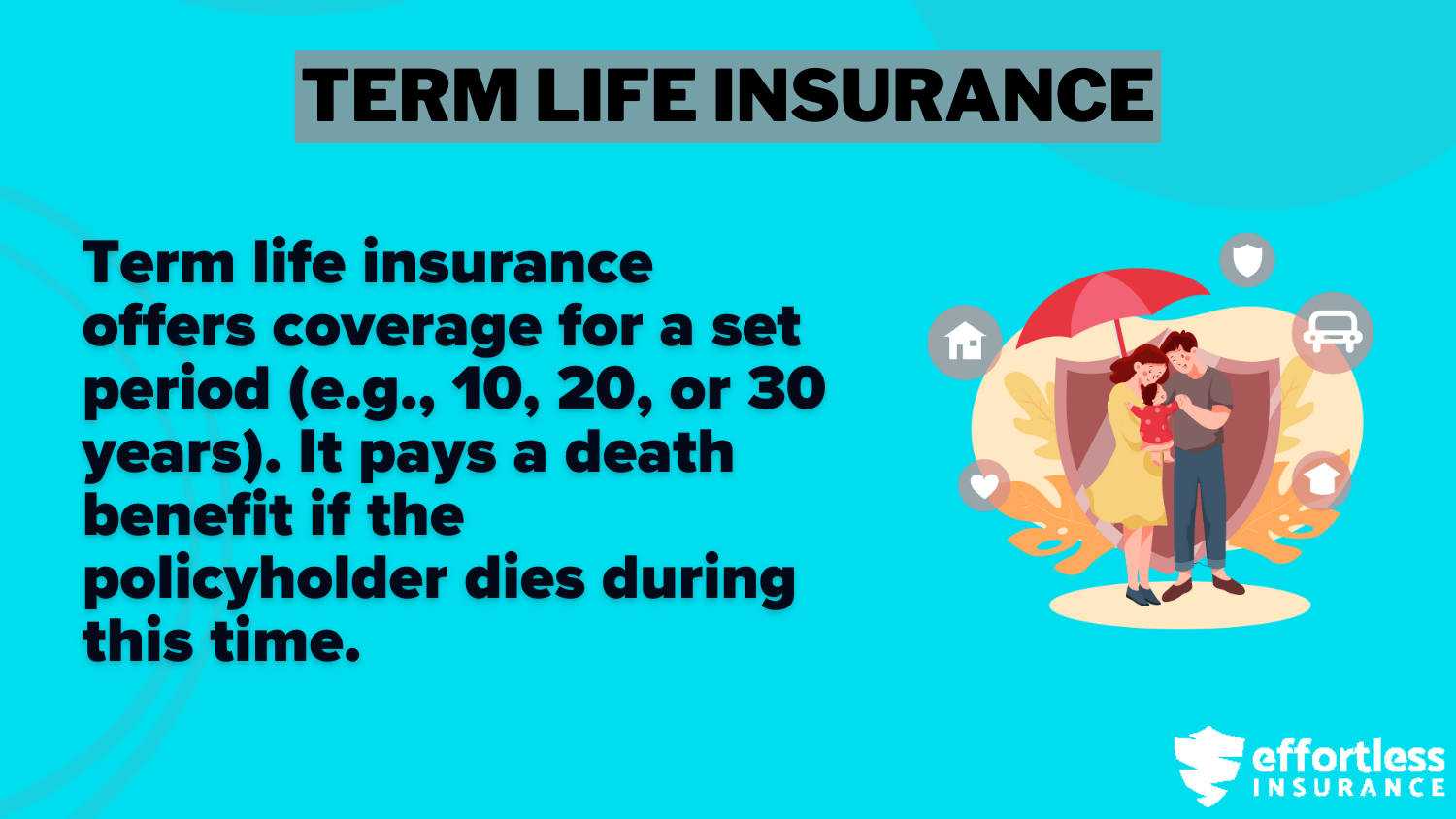
For the average 25-year-old, Term Life Insurance is almost always the recommended path. It provides coverage for a specific period (usually 10, 20, or 30 years). If you pass away during that time, your beneficiaries receive the payout. If you outlive the term, the policy simply expires.
- Affordability: You can often secure $500,000 of coverage for the cost of a few cups of coffee per month.
- Simplicity: It is straightforward protection without the complex "cash value" components found in permanent policies.
- Flexibility: Many 2026 policies include a "convertibility rider," allowing you to turn your term policy into a permanent one later without a new medical exam.
Permanent Life Insurance: The Investment Hybrid
Whole Life or Universal Life insurance covers you for your entire life and includes a "cash value" component that grows over time. While this sounds appealing, the premiums are typically 5 to 10 times higher than term insurance. For an average 25-year-old who might be prioritizing student loan payments or saving for a home down payment, the high cost of permanent insurance often outweighs the benefits.
Estimated Monthly Costs for a 25-Year-Old Female in 2026
In 2026, the life insurance market is highly competitive, with many "Insurtech" companies offering streamlined pricing. Below is an estimate of monthly premiums for a healthy, non-smoking 25-year-old female based on average industry rates.
| Coverage Amount | 10-Year Term | 20-Year Term | 30-Year Term |
|---|---|---|---|
| $250,000 | $12.50 - $15.00 | $15.50 - $19.00 | $19.50 - $24.00 |
| $500,000 | $17.00 - $22.00 | $21.00 - $28.00 | $29.00 - $38.00 |
| $1,000,000 | $26.00 - $34.00 | $35.00 - $45.00 | $48.00 - $62.00 |
Note: These are estimates for a "Preferred Plus" or "Excellent" health rating. Smoking, vaping, or underlying health conditions will increase these rates significantly.
The Underwriting Process in 2026: What to Expect
The process of "underwriting" is how an insurance company evaluates your risk level. For a 25-year-old female in 2026, the process has become significantly faster and less invasive than in previous decades.
Accelerated Underwriting
Many insurers now use Accelerated Underwriting (AU). Instead of requiring a nurse to come to your home for a blood draw and physical exam, companies use algorithms to analyze your medical records, prescription history, and motor vehicle reports. If you are a healthy 25-year-old, you may be approved for a policy within minutes or hours without ever seeing a needle.
Traditional Underwriting
If you have a pre-existing condition or are applying for a very high coverage amount (typically over $2 million), you may still undergo traditional underwriting. This involves:
- A Paramedical Exam: A brief check of height, weight, blood pressure, and pulse.
- Lab Work: Blood and urine samples to check for cholesterol, glucose levels, and nicotine.
- Attending Physician Statement (APS): A report from your primary care doctor regarding your medical history.
Determining How Much Coverage You Actually Need
A common mistake for 25-year-olds is either buying too little coverage (only relying on the "free" policy from their employer) or buying too much. A good rule of thumb is to calculate your "financial footprint."
1. The Debt Factor
If you have private student loans that were co-signed by a parent or spouse, those loans often do not vanish if you pass away. Life insurance can prevent your co-signers from being burdened by that debt. Calculate your total outstanding balance on student loans, car loans, and credit cards.
2. Future Income Replacement
If you have a partner or children who depend on your income, you should aim for 10 to 15 times your annual salary. Even if you don't have dependents yet, locking in a high coverage amount now ensures you are protected when you eventually do.
3. Final Expenses
The average cost of a funeral and associated end-of-life expenses in 2026 ranges from $10,000 to $15,000. Having a basic policy ensures your family is not forced to pay these costs out of pocket.
Essential Riders for Young Women
Riders are "add-ons" to a life insurance policy that provide extra benefits. For a 25-year-old female, three specific riders are worth considering:
- Waiver of Premium: If you become totally disabled and cannot work, the insurance company will pay your premiums for you, keeping the policy in force.
- Accelerated Death Benefit: This allows you to access a portion of the death benefit while you are still alive if you are diagnosed with a terminal illness. Most modern policies include this for free.
- Child Term Rider: If you plan to have children in the future, this rider allows you to add small amounts of life insurance for them to your own policy at a very low cost.
Common Mistakes to Avoid
When shopping for life insurance at 25, it is easy to be swayed by aggressive marketing or confusing financial jargon.
Rlying Solely on Employer-Provided Insurance: Most employers offer a basic life insurance policy (usually 1x your salary). However, this coverage is "contingent" on your employment. If you leave your job or are laid off, you lose the coverage. Having a private policy ensures you are protected regardless of your job status.
Waiting Until Marriage or Parenthood: Many women wait until they are pregnant or buying a house to look at life insurance. However, pregnancy can sometimes lead to temporary health issues (like high blood pressure) that can make your insurance premiums higher for a few years. Buying at 25, while you are likely at your peak health, is a smarter financial move.
Underestimating the "Stay-at-Home" Value: If you are a 25-year-old female who manages a household, you still need life insurance. The cost of replacing the services a homemaker provides—childcare, transportation, household management—is immense. Insurance provides the funds to cover these costs if you were no longer there.
Recommended Next Actions
If you are ready to secure your financial future, follow these steps:
- Check Your Debt: Identify any co-signed loans that need coverage.
- Compare Quotes: Use an independent brokerage to compare rates from at least three different carriers. In 2026, digital platforms make this comparison instantaneous.
- Choose a Term: A 30-year term is often the best value for a 25-year-old, as it covers you until your typical retirement age.
- Apply Early: The younger you are, the easier the process. If you qualify for accelerated underwriting, you can have your policy active by the end of the day.
Frequently Asked Questions
Is life insurance more expensive for women if they smoke? Yes, significantly. In 2026, tobacco or nicotine use (including vaping) can increase premiums by 200% to 300%. If you quit smoking for at least 12 months, you can usually apply for a rate reduction or a new policy at "non-smoker" rates.
Does my health insurance cover the medical exam for life insurance? No, the life insurance company pays for the paramedical exam. It is entirely free for the applicant. In many cases, if you have had a physical with your own doctor in the last 12 months, the insurer may waive the exam entirely and just use those records.
Can I change my beneficiaries later? Yes. You can change your beneficiary at any time as long as the policy is active. Many 25-year-olds start by naming a parent or sibling and later update the policy to name a spouse or a trust for their children.
What happens if I move to another state or country? Most standard life insurance policies issued in the U.S. remain in force if you move, as long as you continue to pay your premiums. However, you should notify your insurer of a change of address to ensure you receive renewal notices and tax documents.
Is the payout from life insurance taxable? In almost all cases, the death benefit paid to beneficiaries is federal income tax-free. This is one of the primary advantages of life insurance as a tool for transferring wealth or settling debts.
Image Gallery