What Genre Is Bobby Darin? The Evolution of a Musical Chameleon
Bobby Darin was a multi-genre artist whose career spanned rock and roll, traditional pop (swing), folk, and country. While he gained fame as a teen idol with "Splish Splash," he is best defined by his versatility, successfully transiti...
Bobby Darin was a multi-genre artist whose career spanned rock and roll, traditional pop (swing), folk, and country. While he gained fame as a teen idol with "Splish Splash," he is best defined by his versatility, successfully transitioning from high-energy swing standards like "Mack the Knife" to introspective folk-protest music later in his career.
Contents
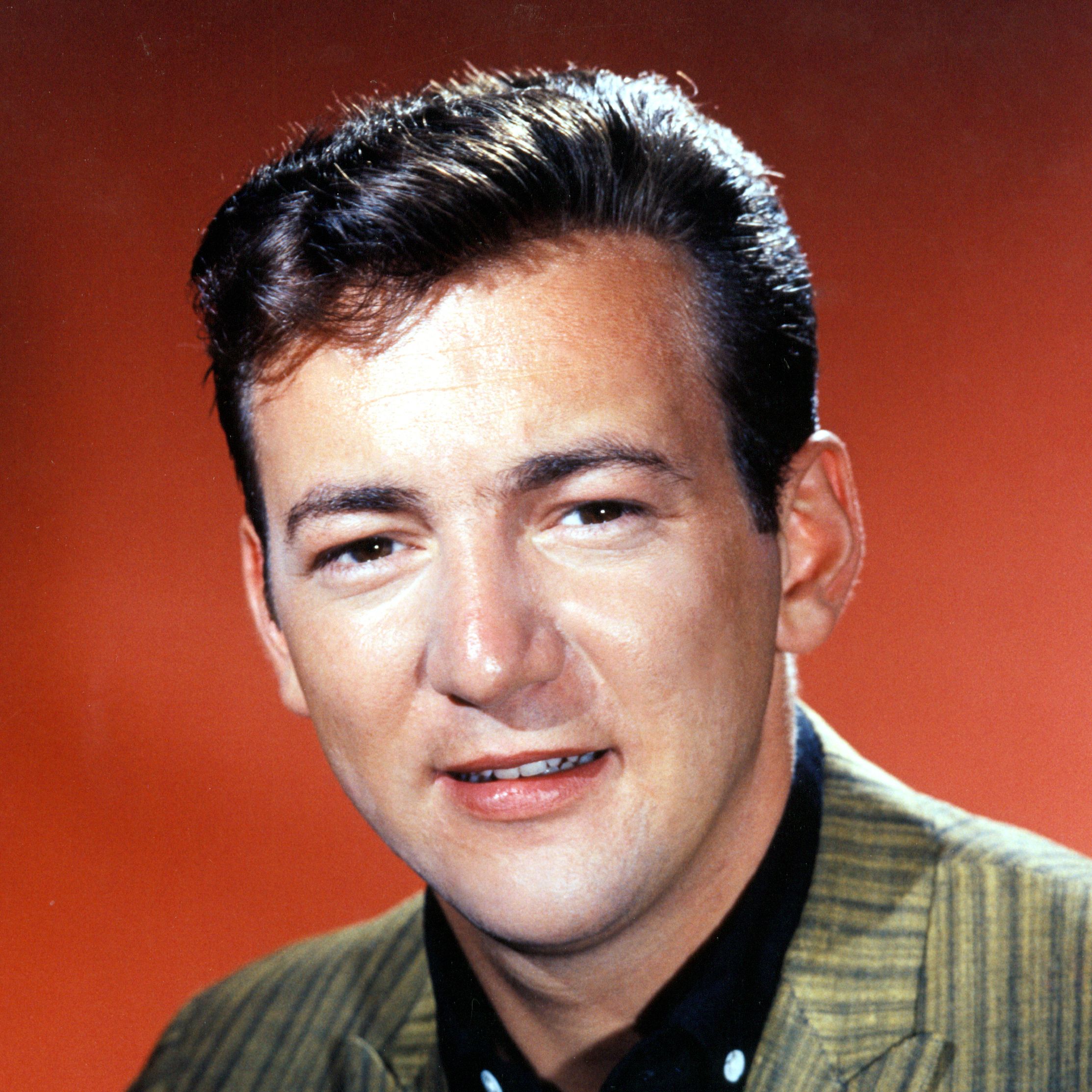
Bobby Darin remains one of the most enigmatic figures in the history of American popular music. As we observe his legacy in 2026, it is clear that Darin was not merely a singer of songs, but a "stylist" who refused to be confined by the rigid genre boundaries of the mid-20th century. To ask what genre Bobby Darin belonged to is to invite a chronological tour of the evolution of American music from the late 1950s through the early 1970s.
The Genesis of a Rock and Roll Teen Idol
Bobby Darin’s professional recording career began in the crucible of the Brill Building era. In the mid-1950s, rock and roll was a nascent, disruptive force, and Darin—born Walden Robert Cassotto—initially sought to capitalize on this trend. His early recordings were aimed squarely at the burgeoning "teen" market.
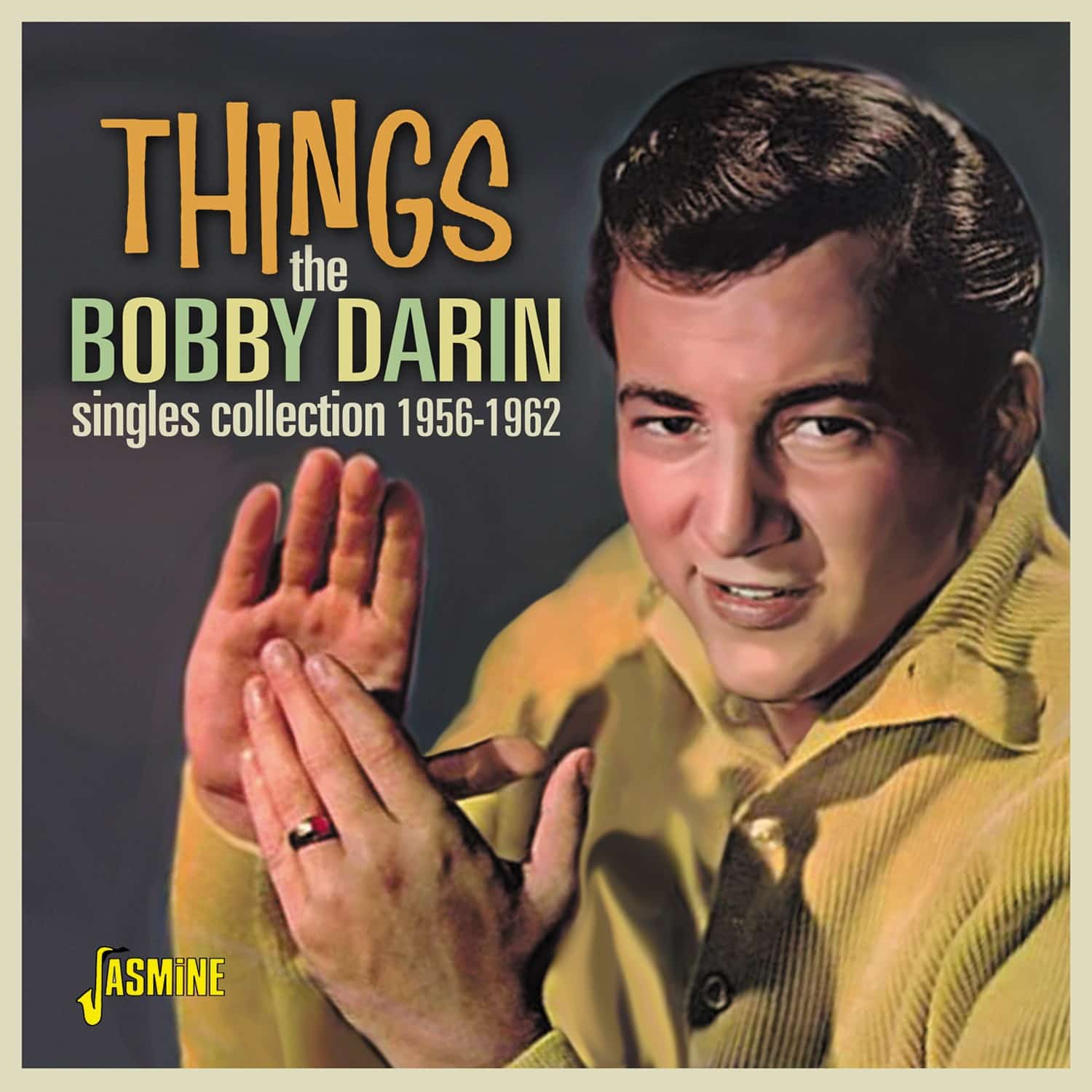
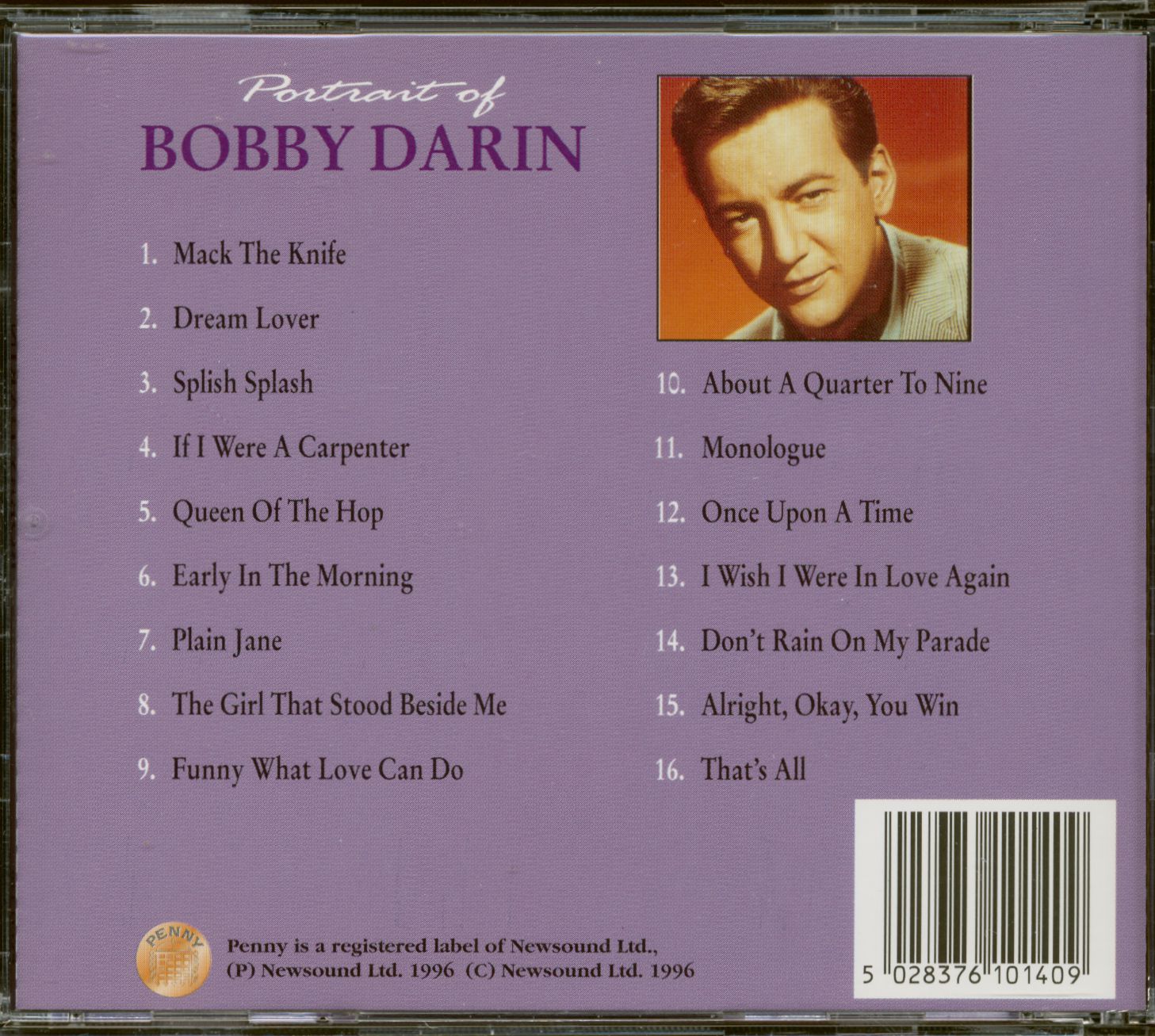
In 1958, Darin released "Splish Splash," a song he reportedly wrote in 12 minutes. The track was a monumental success, blending the rhythmic drive of rhythm and blues with the accessible "pop" sensibilities required for radio play at the time. This period of his career was defined by the rock and roll and rockabilly genres. Following "Splish Splash," hits like "Queen of the Hop" and "Dream Lover" solidified his status as a teen idol. However, Darin was intellectually and artistically restless. Unlike many of his contemporaries who were content to ride the wave of a single genre, Darin viewed rock and roll as a stepping stone rather than a destination.
The Definitive Shift to Traditional Pop and Swing
By 1959, Bobby Darin made a move that many industry insiders considered professional suicide: he pivoted toward traditional pop and swing. During an era when adult standards were supposedly being pushed aside by rock and roll, Darin recorded the album That's All.
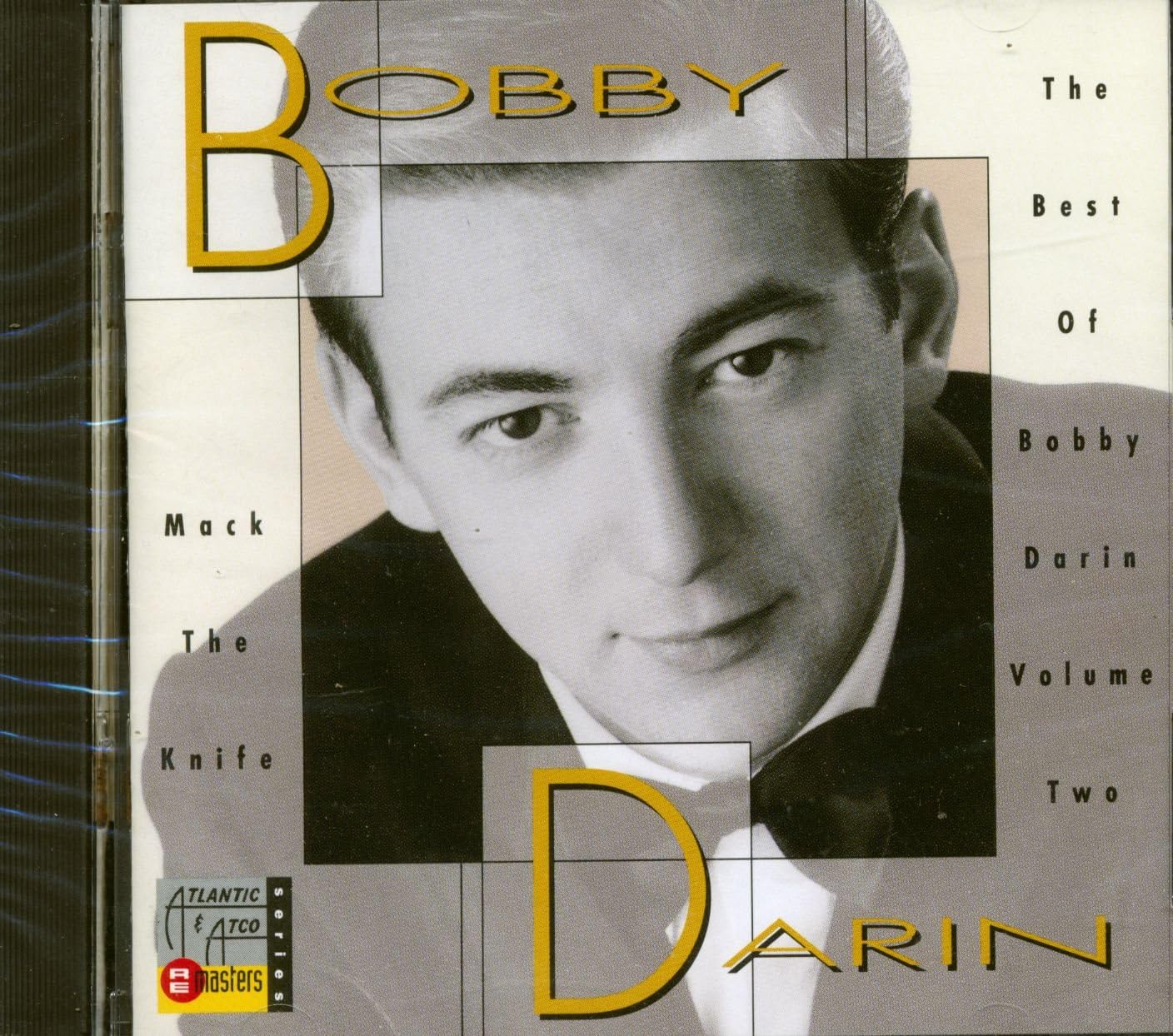
The centerpiece of this album was "Mack the Knife," a song from Bertolt Brecht and Kurt Weill's The Threepenny Opera. Darin’s arrangement, influenced heavily by the big band sound, transformed the dark, murderous ballad into a finger-snapping swing anthem. The song spent nine weeks at number one on the Billboard Hot 100 and earned Darin the Grammy Award for Record of the Year in 1960.
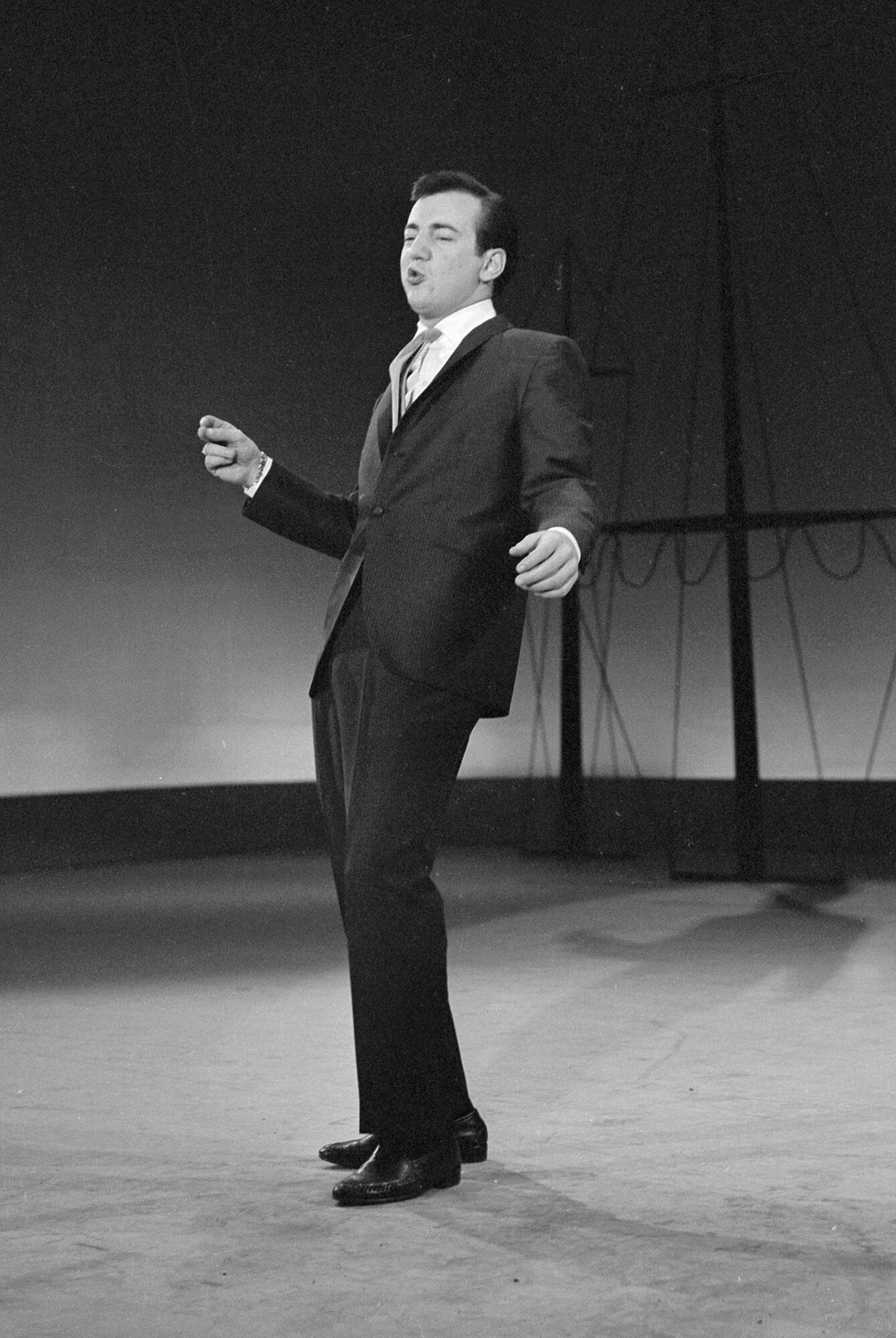
During this "Copa" era (named after his legendary performances at the Copacabana), Darin’s genre was firmly Big Band Swing and Great American Songbook. He adopted the persona of a sophisticated crooner, often drawing comparisons to Frank Sinatra. However, Darin brought a youthful, almost aggressive energy to swing that was distinctly his own. His versions of "Beyond the Sea" and "Lazy River" demonstrated a technical mastery of phrasing and rhythm that few vocalists in the pop genre could match.
The Folk-Protest and "Bob Darin" Era
As the 1960s progressed and the cultural landscape shifted with the Vietnam War and the Civil Rights Movement, Darin underwent another radical transformation. By 1966, he began moving away from the tuxedo-clad Vegas persona and toward folk and folk-rock.
This shift was most notably marked by his cover of Tim Hardin’s "If I Were a Carpenter." This recording signaled a departure from the brassy orchestrations of his swing years in favor of acoustic guitars and more intimate, vulnerable vocal deliveries. Following the assassination of Robert F. Kennedy in 1968—a man Darin had campaigned for and considered a close friend—Darin’s music became even more political.
He briefly changed his professional name to "Bob Darin," began wearing denim and a toupee-free natural look, and started his own label, Direction Records. During this period, his genre was strictly folk-protest. His self-penned "Simple Song of Freedom" became an anthem for the anti-war movement. While this era was less commercially successful than his swing years, it represented Darin’s most significant effort to align his art with his personal convictions.
Explorations in Country and Soul
In the final years before his untimely death in 1973, Darin continued to experiment. He explored country music and soul, even signing with Motown Records in 1971. His work with Motown showcased a singer who could adapt to the burgeoning "California Soul" sound, blending his pop roots with the funkier, more rhythmic arrangements popular in Detroit and Los Angeles.
Darin’s ability to move between these genres was supported by his immense talent as a multi-instrumentalist; he played the piano, guitar, drums, and vibraphone. This technical proficiency allowed him to communicate effectively with session musicians across different musical disciplines, ensuring that whether he was recording a country ballad or a jazz standard, the production felt authentic.
Genre Comparison: Bobby Darin’s Musical Eras
The following table outlines the primary genres Bobby Darin inhabited during his career and the definitive tracks associated with each.
| Era | Primary Genre | Key Tracks | Artistic Focus |
|---|---|---|---|
| 1956–1958 | Rock and Roll / Rockabilly | "Splish Splash," "Queen of the Hop" | Teen appeal, rhythmic R&B influences. |
| 1959–1965 | Traditional Pop / Swing | "Mack the Knife," "Beyond the Sea" | Sophistication, big band, vocal mastery. |
| 1966–1969 | Folk / Folk-Rock | "If I Were a Carpenter," "Simple Song of Freedom" | Social commentary, acoustic intimacy. |
| 1970–1973 | Soul / Country-Pop | "Melodie," "Happy" (Love Theme from Lady Sings the Blues) | Contemporary 70s production, eclectic covers. |
Why Did Bobby Darin Change Genres So Often?
The frequency with which Bobby Darin changed genres is often attributed to two primary factors: his competitive nature and his health. Having suffered from multiple bouts of rheumatic fever as a child, Darin was aware from an early age that his heart was damaged and his life expectancy was short.
This sense of "living on borrowed time" created a frantic creative energy. He felt he had to prove he could master every corner of the entertainment industry—acting (winning a Golden Globe and an Oscar nomination), songwriting, and singing across all popular styles—before his time ran out. Furthermore, Darin was intensely competitive. When he saw the success of folk artists like Bob Dylan or country stars like Johnny Cash, he didn't just want to listen to them; he wanted to prove he could perform at their level.
The Legacy of Bobby Darin’s Versatility
Bobby Darin’s refusal to stick to one genre paved the way for future "crossover" artists. In 2026, we see his influence in performers who refuse to be pigeonholed by streaming service algorithms. He was an early pioneer of the idea that a "brand" is built on the artist’s persona and vocal quality rather than a specific musical style.
He was posthumously inducted into the Rock and Roll Hall of Fame in 1990 and the Songwriters Hall of Fame in 1999. These accolades reflect the duality of his career: he was a pioneer of the rock era and a master of the pre-rock songwriting tradition.
Frequently Asked Questions
Was Bobby Darin considered a "Crooner"?
Yes, during his most successful commercial period (1959–1965), Bobby Darin was considered one of the premier crooners of his generation. While the term is often associated with the soft, smooth style of Bing Crosby, Darin’s "crooning" was often more dynamic and jazz-influenced, similar to the "saloon singer" style of Frank Sinatra.
Why did he switch from Rock and Roll to Swing?
Darin transitioned to swing because he wanted to establish a long-term career in adult entertainment venues like Las Vegas and the Copacabana. At the time, rock and roll was viewed by many as a passing fad for teenagers, and Darin sought the prestige and longevity associated with traditional pop standards.
Did Bobby Darin write "Mack the Knife"?
No, Bobby Darin did not write "Mack the Knife." The song was originally written by Kurt Weill (music) and Bertolt Brecht (lyrics) for the 1928 German musical The Threepenny Opera. Darin’s 1959 version, however, is the most famous English-language recording and features a unique jazz arrangement by Richard Wess.
What genre is the song "Beyond the Sea"?
"Beyond the Sea" is categorized as Traditional Pop or Swing. It is an English version of the French song "La Mer" by Charles Trenet. Darin’s version is celebrated for its big band arrangement and his impeccable rhythmic timing, which helped define the "Cool Jazz" pop sound of the early 1960s.
Is Bobby Darin in the Rock and Roll Hall of Fame?
Yes, Bobby Darin was inducted into the Rock and Roll Hall of Fame in 1990. His induction recognizes his early contributions to the genre and his unique ability to bridge the gap between the rock and roll era and the traditional pop world.
Summary of Recommendations for Listeners
For those looking to explore Bobby Darin’s work, it is recommended to listen chronologically to appreciate his growth. Start with the Atco recordings to hear the transition from rock to swing, specifically the albums That's All and This is Darin. To understand his folk period, the 1966 album If I Were a Carpenter is essential listening. Finally, for a glimpse into his later versatility, the live recordings from his 1970s television appearances showcase a performer who had successfully integrated all his disparate genres into a single, cohesive stage persona.
Image Gallery