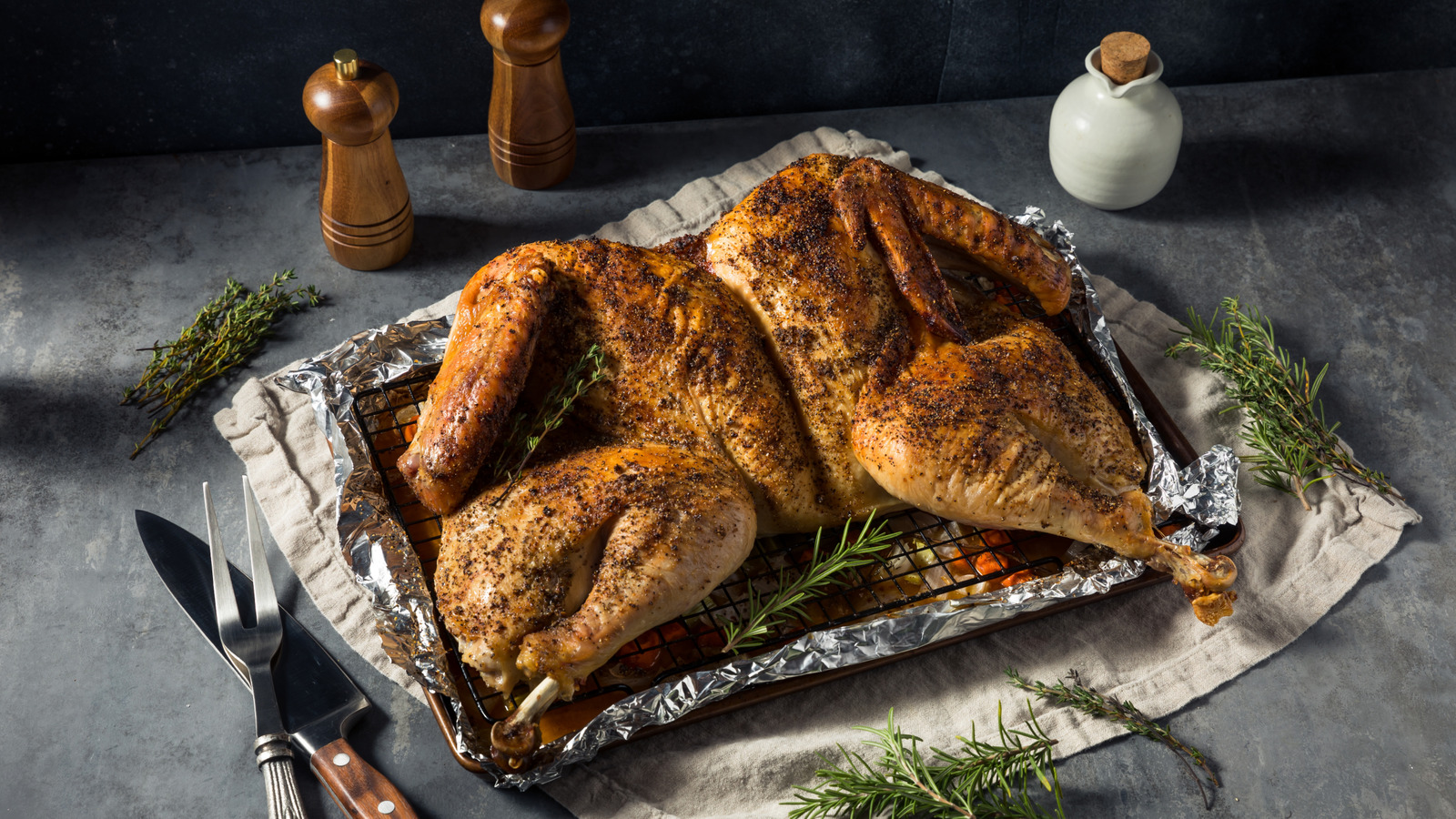
How Ree Drummond's Brined Turkey Works: The Science of Flavor and Moisture
Ree Drummond’s brined turkey works by utilizing osmosis and protein denaturation to infuse poultry with moisture and aromatics. A salt-and-sugar solution breaks down muscle fibers, allowing the meat to retain more water during the high...
Ree Drummond’s brined turkey works by utilizing osmosis and protein denaturation to infuse poultry with moisture and aromatics. A salt-and-sugar solution breaks down muscle fibers, allowing the meat to retain more water during the high-heat roasting process, resulting in a significantly juicier and more flavorful bird than traditional roasting.
Contents
The "Pioneer Woman" method has become a staple for holiday cooking because it addresses the most common complaint with roasted turkey: dryness. By the time the internal temperature of a turkey reaches the safe 165°F (74°C), the breast meat often loses up to 20% of its moisture. The brining process provides a "buffer" of hydration that ensures the meat remains succulent even after exposure to prolonged oven heat. Understanding the mechanics behind this popular technique requires a look at both the chemistry of the ingredients and the physics of the soak.
The Fundamental Mechanism: Osmosis and Diffusion
At its core, Ree Drummond’s turkey brine is a wet brine, consisting of a concentrated liquid solution. When the turkey is submerged in this solution, two primary physical processes occur simultaneously: osmosis and diffusion.
Osmosis involves the movement of water across the semi-permeable membranes of the turkey’s muscle cells. Initially, the high salt concentration outside the turkey might actually pull some water out of the cells. However, as the salt begins to penetrate the meat through diffusion, the internal environment of the cells changes. Salt ions (sodium and chloride) move from the area of high concentration (the brine) to the area of lower concentration (the turkey meat).
Once the salt enters the muscle fibers, it begins to interact with the proteins, specifically myosin. Salt denatures these proteins, causing the tightly wound muscle fibers to unwind and relax. This relaxation creates a mesh-like structure that can trap and hold onto water. As the protein structure opens up, the osmotic pressure shifts, and the turkey begins to reabsorb the brine along with the dissolved aromatics. This increases the total weight of the bird by 3% to 10% before it even enters the oven.
Breaking Down the Pioneer Woman’s Signature Ingredients
Ree Drummond’s specific recipe is famous for its balance of sweet, salty, and acidic components. Each ingredient serves a functional purpose beyond mere seasoning.
- Coarse Sea Salt or Kosher Salt: This is the engine of the brine. Without salt, there is no protein denaturation. It is essential to use the correct volume; Drummond’s recipe typically calls for a significant amount of salt to create a solution strong enough to penetrate dense turkey muscle within 24 hours.
- Apple Juice or Cider: This provides the primary liquid base. The natural sugars in the juice aid in the Maillard reaction, the chemical process that creates the golden-brown crust on the skin. Additionally, the mild acidity of the cider helps further tenderize the outer layers of the meat.
- Brown Sugar: Sugar adds a counter-balance to the salt. While salt seasons and hydrates, sugar enhances the flavor profile and contributes to the caramelization of the skin during roasting.
- Aromatics (Rosemary, Peppercorns, Orange Peel, and Bay Leaves): While large flavor molecules often struggle to penetrate deep into the meat compared to salt ions, they heavily season the surface and the "channels" opened up by the salt. The orange peel provides essential oils that cut through the richness of the poultry fat.
The Importance of the Cooling Phase
A critical step in how this method works is the preparation of the brine itself. Drummond instructs cooks to simmer the water, salt, sugar, and aromatics together. This serves two purposes: it ensures the salt and sugar are fully dissolved, and it "blooms" the spices, extracting the essential oils from the rosemary and peppercorns.
However, the brine must be completely cooled before the turkey is added. Submerging a raw turkey in warm or even lukewarm liquid creates a "danger zone" for bacterial growth. In 2026, food safety guidelines remain stringent: the brine should be chilled to below 40°F (4°C) before it touches the poultry. If the brine is hot, it may also begin to "cook" the outside of the turkey prematurely, resulting in a rubbery texture.
Comparing Brine Components and Their Functions
| Ingredient | Primary Function | Chemical Effect |
|---|---|---|
| Salt | Hydration | Denatures proteins (myosin) to trap water molecules. |
| Water/Apple Juice | Solvent | Acts as the vehicle for flavor and hydration transport. |
| Brown Sugar | Browning | Lowers the temperature required for the Maillard reaction. |
| Orange Peel | Aromatic | Volatile oils provide top-note flavors and acidity. |
| Rosemary/Bay Leaves | Depth | Infuses the outer layers with earthy, herbal notes. |
| Cold Temperature | Safety | Prevents microbial proliferation during the 16-24 hour soak. |
The 16 to 24-Hour Timeline: Why Duration Matters
How long the turkey sits in the brine determines the depth of the salt penetration. A common mistake is pulling the bird out too early or leaving it in too long.
- The Under-Soak (Less than 12 hours): The salt may only penetrate the outer half-inch of the meat. This leaves the deep breast meat and the thighs unseasoned and prone to drying out.
- The Sweet Spot (16–24 hours): This allows the salt ions enough time to reach the center of the largest muscles. For a standard 12–20 pound turkey, 24 hours is generally considered the maximum for the Pioneer Woman method.
- The Over-Soak (Over 24 hours): If left too long, the salt begins to break down the proteins too much, turning the meat mushy or "ham-like" in texture. It can also become over-salted, making the drippings unusable for gravy.
Practical Logistics: Brining Bags and Refrigeration
Since the turkey must remain submerged and chilled, logistics are a major part of how the process works in a home kitchen. Ree Drummond often recommends using a large stockpot or a food-grade brining bag.
Temperature control is non-negotiable. The entire vessel—turkey and liquid—must be kept in a refrigerator. For those with limited space, a cooler can be used, but it must be packed with enough ice to maintain a consistent internal temperature of 40°F or lower. Using a digital probe thermometer to monitor the ambient temperature of the brine is a standard practice in 2026 to ensure safety.
The Trade-off: Moisture vs. Skin Texture
While brining guarantees juicy meat, it presents a challenge for achieving perfectly crispy skin. Because the skin becomes saturated with water during the soak, it can turn out soft or rubbery if moved directly from the brine to the oven.
To make the Pioneer Woman method work perfectly, experts recommend a drying phase. After removing the turkey from the brine, it should be rinsed thoroughly to remove excess surface salt and then patted dry with paper towels. Ideally, the turkey should then sit uncovered in the refrigerator for 2 to 4 hours (or up to overnight). This allows the skin to air-dry, which is essential for the fat to render properly and the skin to crisp up during roasting.
Common Mistakes and Troubleshooting
Despite the simplicity of the recipe, several factors can interfere with how the brine works:
- Using a Pre-Basted Turkey: Many commercial turkeys (like Butterball) are already injected with a salt and water solution. Brining these birds can lead to an incredibly salty finished product. Check the label for terms like "enhanced," "self-basting," or "injected with a solution."
- Improper Rinsing: Failing to rinse the bird after brining leaves a high concentration of salt on the skin. This not only affects the taste but can also prevent the skin from browning evenly.
- Using Hot Brine: As mentioned, this is a safety hazard and ruins the texture of the meat. Always prepare the brine at least a few hours in advance to allow for thorough chilling.
- Neglecting the Gravy: Because the turkey has absorbed a salt solution, the drippings at the bottom of the roasting pan will be saltier than usual. It is vital to taste the gravy before adding any additional salt.
Frequently Asked Questions
Can I use this brine for a frozen turkey?
The turkey must be completely thawed before entering the brine. If the turkey is still frozen, the salt ions cannot penetrate the ice crystals, and the meat will not be properly seasoned or hydrated. Furthermore, placing a frozen bird in the brine can lower the temperature too much, potentially extending the cooking time unpredictably later.
Will the turkey taste like apple juice?
No, the turkey will not have a strong fruit flavor. The apple juice provides a subtle sweetness and acidity that enhances the natural savory flavor of the poultry. The sugars primarily assist with the browning of the skin rather than turning the meat into a "sweet" dish.
Do I need to rinse the turkey after brining?
Yes. Rinsing is essential to remove the excess surface salt. If you skip this step, the skin will be unpleasantly salty, and the drippings used for gravy will likely be unusable. After rinsing, remember to sanitize your sink to prevent the spread of bacteria like Salmonella or Campylobacter, as per USDA food safety guidelines.
What if I don't have enough room in my fridge?
If your refrigerator cannot accommodate a large stockpot, you can use a heavy-duty, food-grade brining bag inside a dedicated cooler. You must monitor the temperature constantly to ensure it stays below 40°F. If the ice melts and the temperature rises, the turkey could become unsafe to consume.
Does brining affect the cooking time?
Yes, a brined turkey often cooks slightly faster than an unbrined one. This is because water is a better conductor of heat than the air pockets found in drier meat. Always use a meat thermometer to check the internal temperature at the thickest part of the thigh and breast, aiming for 165°F (74°C).
Final Recommendation
To achieve the best results with Ree Drummond's brined turkey, plan for a two-day process. Spend the first day preparing the brine and allowing the turkey to soak for 16–24 hours. On the day of roasting, prioritize the air-drying step in the refrigerator for at least 4 hours. This combination of internal hydration from the brine and external dehydration of the skin provides the ideal balance of succulent meat and crispy, golden-brown skin.
Image Gallery