Why the Right Maintenance Planning Course Matters for Industrial Efficiency
Selecting the right maintenance planning course is critical because it bridges the gap between reactive "firefighting" and a structured, proactive operational strategy. High-quality training equips planners with the technical skills to...
Selecting the right maintenance planning course is critical because it bridges the gap between reactive "firefighting" and a structured, proactive operational strategy. High-quality training equips planners with the technical skills to optimize "wrench time," reduce emergency work orders, and manage spare parts inventories effectively, directly resulting in increased asset reliability and lower operational costs in the 2026 industrial landscape.
Contents
The Strategic Role of Maintenance Planning in 2026
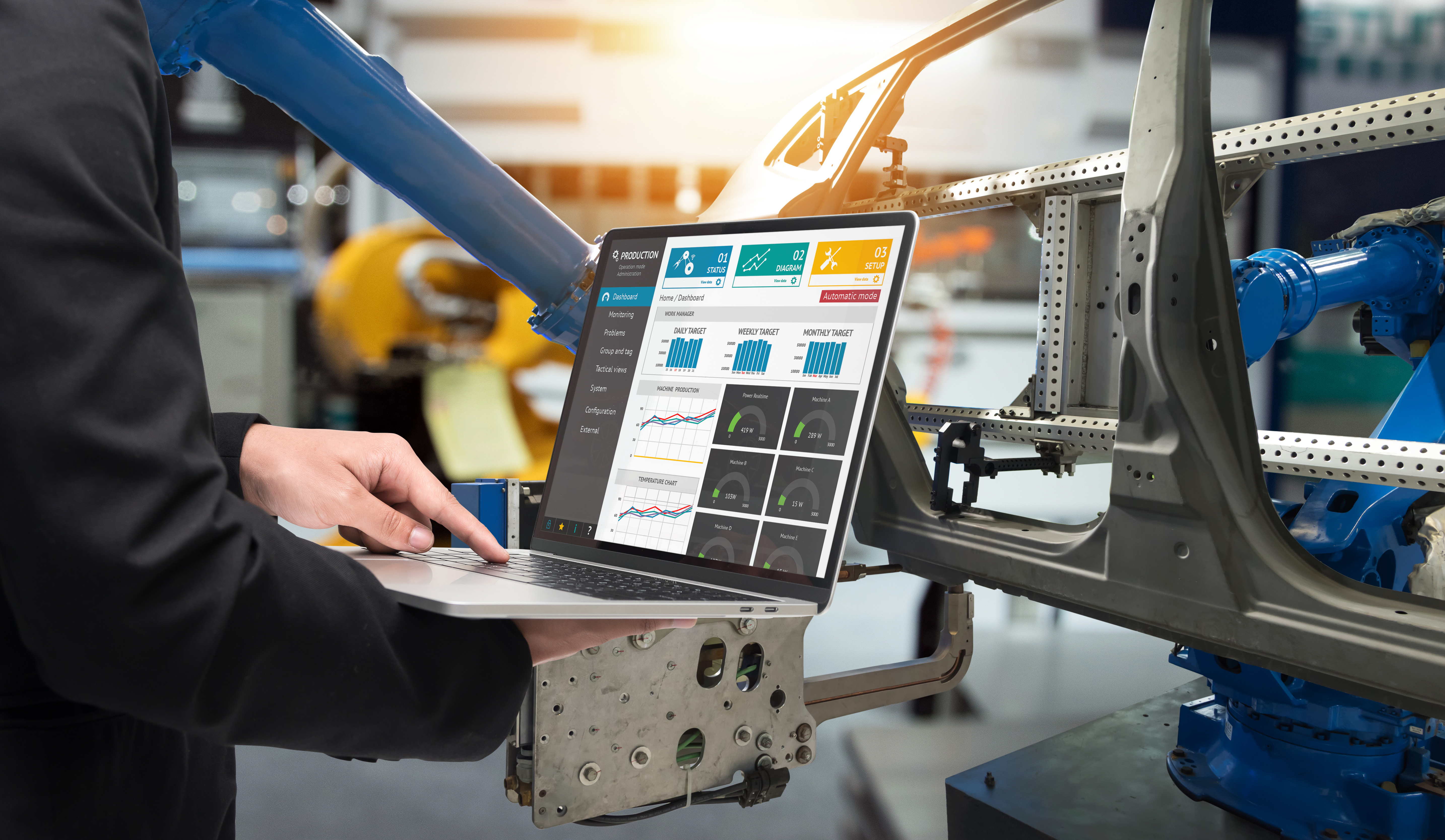
In the current industrial environment of 2026, maintenance is no longer viewed as a necessary evil or a cost center. Instead, it is recognized as a primary driver of corporate profitability and sustainability. As facilities become increasingly automated and rely on complex Cyber-Physical Systems (CPS), the role of the maintenance planner has evolved from a simple scheduler to a data-driven strategist.
The "right" maintenance planning course matters because it addresses this complexity. Traditional maintenance often suffers from low productivity, where technicians spend more time looking for tools, waiting for parts, or traveling between jobs than actually performing repairs. This "wrench time"—the measure of actual hands-on tool time—often hovers around 25% to 35% in unplanned environments. A professionally trained planner, utilizing modern methodologies, can elevate this figure to 50% or higher, effectively doubling the capacity of the existing workforce without hiring additional staff.
Core Competencies Taught in Elite Maintenance Planning Courses
A comprehensive course goes beyond the basics of using a Computerized Maintenance Management System (CMMS). It focuses on the fundamental logic of work management. When evaluating a program, it is essential to ensure it covers the following pillars:
Work Identification and Backlog Management
The foundation of planning is knowing what work needs to be done and when. Courses must teach planners how to filter "noise" from the CMMS, ensuring that only valid, necessary work enters the backlog. This includes understanding the difference between urgent repairs and important preventive maintenance (PM) tasks. Students learn to manage the backlog—the total volume of identified work that has not yet been started—ensuring it remains at a manageable level (typically 4-6 weeks of work per craft).
Detailed Job Planning
This is the heart of the discipline. A high-quality course teaches planners how to develop a "Job Plan" that includes every detail a technician needs:
- Safety Requirements: Identifying Lockout/Tagout (LOTO) points and required Personal Protective Equipment (PPE).
- Step-by-Step Procedures: Clear instructions that reduce the variability of repairs.
- Parts and Materials: Ensuring every required nut, bolt, and gasket is identified, sourced, and "kitted" before the job begins.
- Tooling: Identifying specialized equipment like laser alignment tools or heavy lifting gear.
Scheduling and Coordination
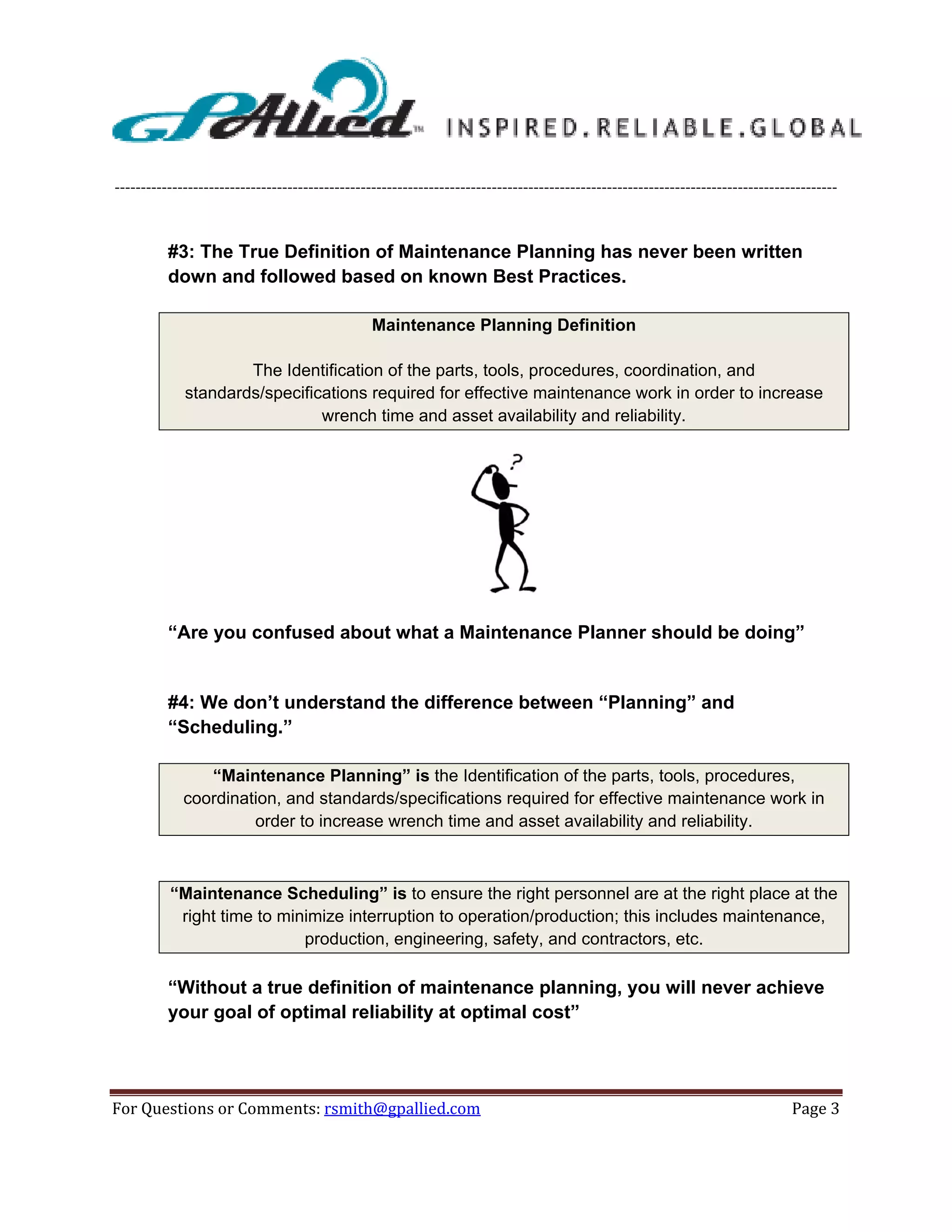
Planning is "what" and "how," while scheduling is "when" and "who." The right course teaches the nuances of the weekly schedule and the daily "huddle." It emphasizes the importance of coordination with operations. In 2026, production windows are tighter than ever; a planner must know how to negotiate these windows to ensure maintenance has the access it needs without compromising production targets.
The Financial Impact of Professional Planning Training
The ROI of a specialized maintenance planning course is often realized within the first six months of implementation. These financial gains are primarily driven by three factors: Labor Optimization, Parts Rationalization, and Asset Longevity.
| Metric | Without Professional Planning | With Trained Maintenance Planners |
|---|---|---|
| Wrench Time | 25% - 35% | 50% - 60% |
| Emergency Work % | >50% (Reactive) | <10% (Proactive) |
| Planned vs. Unplanned Ratio | 1:1 or worse | 4:1 (Standard) |
| Spare Parts Costs | High (Expedited shipping/Overstock) | Optimized (JIT and Kitting) |
| Asset Uptime (OEE) | Erratic and lower | Stable and maximized |
Labor Optimization
Labor is often the highest cost in maintenance. When a technician arrives at a job site and realizes they have the wrong part, they return to the storeroom. If the part isn't there, they may try to "make do" or leave the machine disassembled. This inefficiency is expensive. Professional planning ensures that when a technician starts a job, they have a 95% probability of finishing it without interruption.
Parts Rationalization
The right course teaches planners how to work with the procurement department to optimize the storeroom. By accurately forecasting part needs through the planning process, facilities can reduce the "just in case" inventory that ties up millions in capital. Planners learn to use Bill of Materials (BOMs) to ensure the right parts are linked to the right assets, reducing ordering errors.
Distinguishing Between Generic and Specialized Training
Not all maintenance planning courses are created equal. In 2026, the market is flooded with generic management seminars that lack the technical depth required for heavy industry. A specialized course matters because it respects the nuances of different sectors—be it mining, pharmaceutical manufacturing, or utilities.
Accreditation and Industry Standards
The right course aligns with international standards such as ISO 55000 for asset management and the guidelines set by the Society for Maintenance & Reliability Professionals (SMRP). Courses that prepare students for the Certified Maintenance & Reliability Professional (CMRP) or Certified Maintenance & Reliability Technician (CMRT) exams provide a standardized body of knowledge that is recognized globally.
Integration with Modern Technology
In 2026, a planner cannot work effectively with a spreadsheet alone. Top-tier courses incorporate training on leading Enterprise Asset Management (EAM) software like SAP S/4HANA, IBM Maximo, or specialized CMMS platforms. They teach how to leverage Predictive Maintenance (PdM) data—such as vibration analysis and thermography—to trigger planning cycles before a functional failure occurs.
Common Mistakes in Selecting Training
Many organizations fail to see results from training because they choose the wrong format or the wrong candidate.
- Sending the Wrong Person: Planning requires a specific personality—someone detail-oriented, organized, and capable of communicating with both "the floor" and "the office." Training a person who lacks these soft skills often results in failed implementation.
- Ignoring Post-Training Support: Training is an event, but planning is a process. The right course often includes follow-up coaching or access to a community of practice to help the planner overcome real-world hurdles back at the plant.
- Focusing Only on Software: Learning where to click in a software program is not "planning." A course that focuses 90% on software and 10% on planning logic is essentially a technical manual, not a professional development program.
Frequently Asked Questions
What are the prerequisites for a maintenance planning course?
Most advanced courses require at least 2–3 years of experience in a maintenance or trade environment. Understanding the physical reality of how machines fail is essential for creating realistic job plans. Some foundational courses are available for those transitioning from administrative roles.
How long does it take to see the benefits of training?
Initial improvements in work order clarity and backlog organization usually appear within 30 days. Significant shifts in "wrench time" and overall plant reliability typically take 6 to 12 months, as the cultural shift toward proactive maintenance requires time to take hold.
Is online training as effective as in-person workshops?
In 2026, high-fidelity online training often includes virtual reality (VR) simulations and interactive "sandbox" CMMS environments, making it highly effective. However, for organizations looking to overhaul their entire culture, on-site workshops allow instructors to tailor the training to the specific assets and challenges of that facility.
How much does a professional maintenance planning course cost?
Prices vary significantly based on the depth of the program. Foundational online courses may start around $1,500, while comprehensive, multi-week certification tracks or on-site specialized training can range from $3,000 to $7,000 per person.
Does a planner need to be a former technician?
While not strictly required, it is highly recommended. A planner who has "turned wrenches" has the credibility needed to lead technicians and the practical knowledge to estimate job durations accurately. Without this background, a planner must work very closely with senior technicians to validate job plans.
Practical Recommendation: Your Next Steps
To maximize the impact of your training investment, do not simply look for the lowest price. Evaluate courses based on their alignment with SMRP standards and their focus on the "Six Steps of the Maintenance Loop": Identify, Plan, Schedule, Execute, Complete, and Analyze.
Start by auditing your current "wrench time." If it is below 35%, your facility is operating in a reactive state, and the right maintenance planning course is no longer optional—it is a financial necessity. Select a program that offers practical, "template-based" learning that your planner can bring back and implement on day one.
Image Gallery