Understanding Stop Valves: Function, Importance, and Operational Mechanics
Stop valves are mechanical devices designed to fully start or stop the flow of a fluid—be it liquid or gas—through a pipeline. Unlike control valves which modulate flow, stop valves are binary in function: they are either fully open, a...
Stop valves are mechanical devices designed to fully start or stop the flow of a fluid—be it liquid or gas—through a pipeline. Unlike control valves which modulate flow, stop valves are binary in function: they are either fully open, allowing maximum flow, or fully closed, creating a leak-proof seal. By isolating sections of a piping system, these valves ensure safety, enable efficient maintenance, and protect downstream equipment from pressure surges or contamination.
Contents
The Fundamental Purpose of Stop Valves
At the core of any industrial, commercial, or residential plumbing system is the need for control. A stop valve serves as the primary barrier between a pressurized fluid source and the rest of the distribution network. When you need to perform repairs on a faucet, replace a section of piping, or isolate a machine during an emergency, the stop valve is the component that allows you to "stop" the process without draining the entire system or shutting down the facility’s main supply.
The distinction between a stop valve and a control valve is vital. Control valves use internal geometry to throttle flow, which can cause significant wear over time if the valve is left in a partially open state. Stop valves are engineered for "on/off" service; they are constructed to withstand the mechanical stress of seating and unseating against high pressure.
Common Types of Stop Valves
While the term "stop valve" describes a function, several mechanical designs fulfill this role. Selecting the right valve depends on the pressure, temperature, and chemical compatibility of the media being transported.
1. Globe Valves
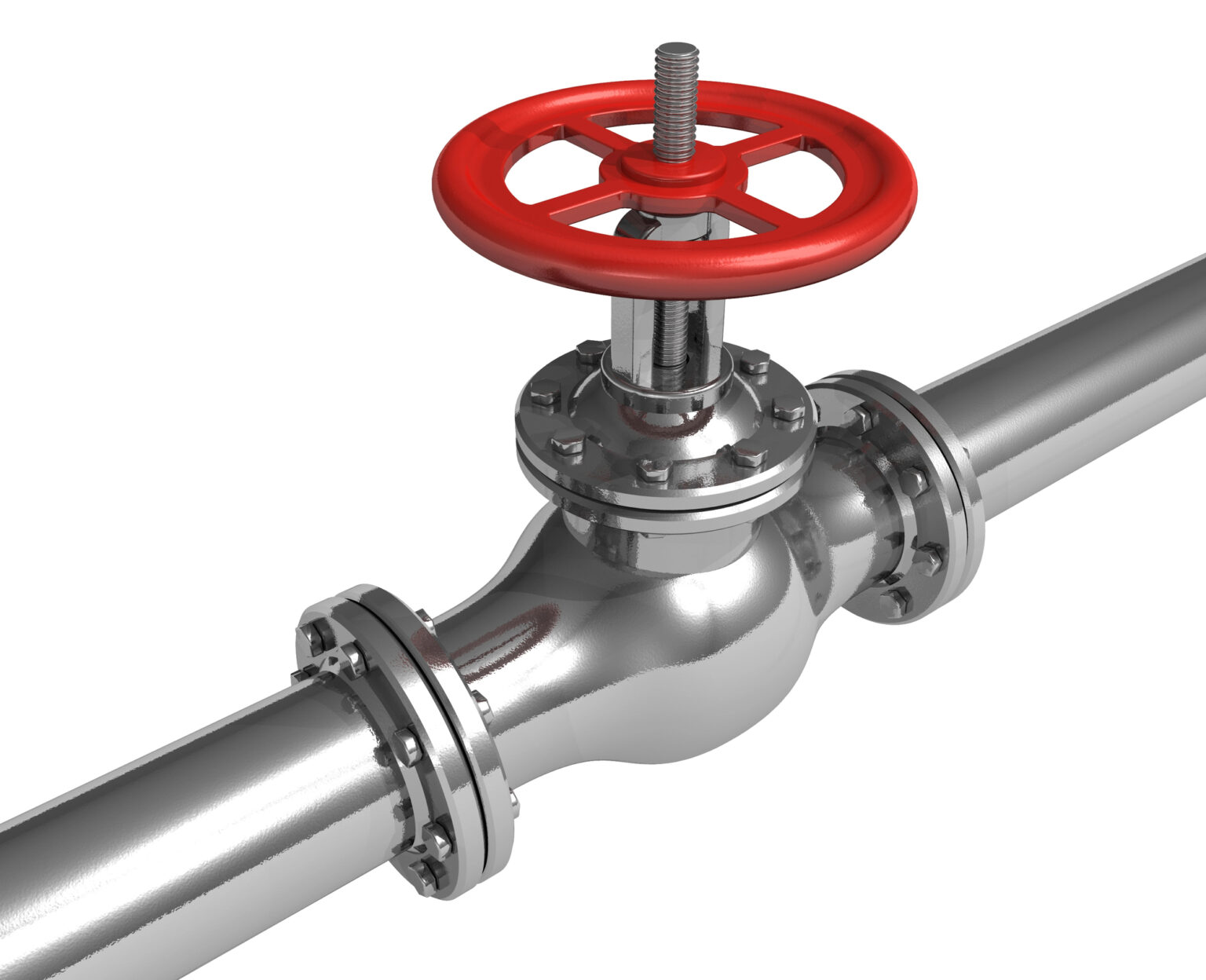
The globe valve is perhaps the most iconic stop valve. Named for the spherical shape of its body, it features an internal baffle that forces the fluid to change direction as it passes through. A movable disk (or plug) is lowered onto a seat to close the valve. Because the fluid must navigate a tortuous path, these valves create high pressure drop, but they offer excellent sealing capability and are easier to repair in-line than other types.
2. Gate Valves
Gate valves operate by lifting a rectangular or circular gate out of the path of the fluid. When fully open, the gate is removed entirely from the flow path, meaning these valves offer very low flow resistance. They are typically used for large-diameter pipes where minimal pressure loss is required. However, they are generally not suitable for throttling and can be prone to vibration if left partially open.
3. Ball Valves
A ball valve uses a spherical disk with a hole through the center. When the handle is turned 90 degrees, the hole aligns with the pipeline, allowing flow. When perpendicular, it seals the flow. Ball valves are favored in 2026 for their rapid operation and high reliability. They are common in residential water shut-off points because they provide a visual indication of whether the valve is open or closed based on the position of the lever handle.
4. Butterfly Valves
These are quarter-turn valves that use a rotating disk to block flow. They are lightweight and compact, making them ideal for large-scale piping systems where space is at a premium. They are often found in HVAC systems and cooling water circuits.
Comparative Analysis of Stop Valve Designs
| Valve Type | Primary Benefit | Typical Application | Flow Resistance |
|---|---|---|---|
| Globe Valve | Excellent shut-off | Throttling or frequent use | High |
| Gate Valve | Full-bore flow | Main line isolation | Very Low |
| Ball Valve | Quick operation | Domestic/Commercial lines | Low |
| Butterfly Valve | Space-saving | Large diameter piping | Moderate |
Why Stop Valves Matter for System Integrity
The importance of a properly functioning stop valve cannot be overstated in modern infrastructure. They serve three critical roles:
- Isolation for Maintenance: Without stop valves, even a minor plumbing leak would require a facility-wide shutdown. Strategic placement of these valves allows technicians to isolate a specific zone, reducing downtime and operational costs.
- Emergency Safety: In the event of a catastrophic pipe burst or gas leak, stop valves act as the first line of defense. Manually actuated valves provide a critical manual override during power failures when automated control systems might be rendered inactive.
- Backflow Prevention: Many stop valves are designed with specific seating materials that create a positive seal, preventing fluid from traveling backward into a potable water supply or sensitive equipment during pressure fluctuations.
Operational Considerations and Best Practices
Operating a stop valve incorrectly can lead to severe damage, including water hammer—a pressure surge that occurs when fluid in motion is forced to stop or change direction suddenly.
- Avoid "Slamming": When closing a valve, always turn it slowly. Rapid closure of a valve, particularly a globe or gate valve, can create a shockwave in the pipe that may rupture joints or damage connected equipment.
- Regular Cycling: Valves that remain in a static position for years can become "frozen" due to mineral buildup or corrosion. A standard maintenance procedure is to fully cycle (open and close) stop valves at least annually to ensure the internal components remain free-moving.
- Pressure Ratings: Every valve is stamped with a pressure-temperature rating. Using a valve outside its rated limits can lead to catastrophic failure. Always verify that the material of the valve (e.g., brass, stainless steel, or PVC) is rated for the specific pressure and temperature of the fluid being handled.
Troubleshooting Common Stop Valve Issues
When a valve fails, the failure usually manifests as either external leakage or an inability to achieve a complete seal.
- External Leakage: This typically occurs at the stem packing—the seal where the handle enters the valve body. Tightening the packing nut can often resolve this. If the leak persists, the packing material may need replacement.
- Internal Leakage: If the valve is closed but fluid continues to pass through, the valve seat or disk is likely worn or obstructed by debris. In residential settings, this is often caused by sediment buildup. If flushing the line does not solve the issue, the valve components must be inspected or the entire valve replaced.
- Stiff Handle: If a valve handle is difficult to turn, do not force it with a wrench, as this may shear the stem. Apply a penetrating lubricant to the valve stem threads and allow it to penetrate before attempting to cycle the valve again.
Frequently Asked Questions
How can I tell if a stop valve is fully closed? If it is a ball valve, the handle will be at a 90-degree angle to the pipe when closed. For gate or globe valves, you will feel significant resistance when the disk reaches the seat. Avoid "over-tightening," as this can damage the internal seating surfaces.
What is the lifespan of a standard stop valve? Lifespan depends on the frequency of use and the corrosiveness of the media. In clean water systems, high-quality brass or stainless steel valves can last 20 years or more. Harsh chemicals or high-sediment environments significantly reduce this life.
Is it necessary to have a stop valve for every appliance? Yes, industry best practices dictate that every individual fixture or appliance (like a toilet, dishwasher, or boiler) should have its own dedicated "isolation" stop valve. This ensures that you do not need to cut off the main water supply to your entire home to fix a single leaking faucet.
Can I use a gate valve for flow control? No. Gate valves are designed to be either fully open or fully closed. If left in a partially open position, the gate will vibrate against the guides, leading to rapid wear and eventual failure to provide a proper seal.
What should I do if a stop valve is leaking from the handle? First, try tightening the packing nut—the nut located directly behind the handle. If it still leaks, you likely need to replace the packing rings. If you are uncomfortable working with pressurized systems, consult a licensed plumber or technician.
Next Steps for Implementation
If you are assessing the stop valves in your property or facility, the most important action is to perform an inventory and verification. Locate the main shut-off valve for the entire building—everyone who resides or works in the space must know its location. Ensure this main valve is not obstructed by furniture or clutter. Once the main valve is identified, map out the local isolation valves for high-risk areas like laundry rooms, kitchens, and water heaters. If any of these valves are seized or show signs of corrosion, schedule a professional replacement to ensure you are protected when an emergency arises.
Image Gallery