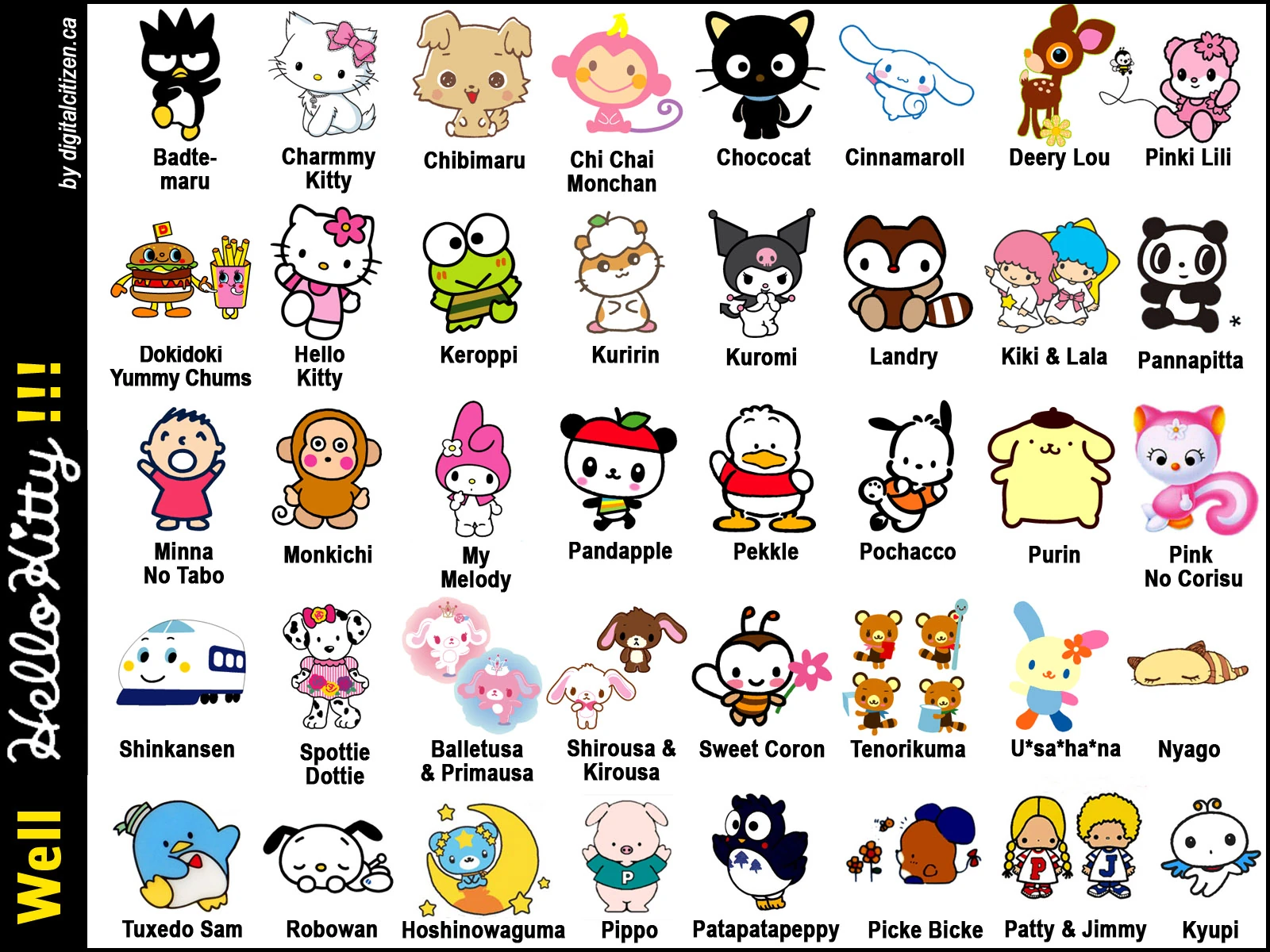
Why the Hello Kitty Characters as Humans Fascinate Fans
The fascination with re-imagining Hello Kitty characters as humans stems from a deep-seated desire to explore the humanized emotional depth of Sanrio’s iconic, minimalist designs. By projecting adult complexities, fashion sensibilities...
The fascination with re-imagining Hello Kitty characters as humans stems from a deep-seated desire to explore the humanized emotional depth of Sanrio’s iconic, minimalist designs. By projecting adult complexities, fashion sensibilities, and nuanced social dynamics onto these archetypal mascots, fans bridge the gap between childhood nostalgia and mature identity, creating a bridge for personal expression within the Sanrio universe.
Contents
The Psychology of Anthropomorphic Re-interpretation
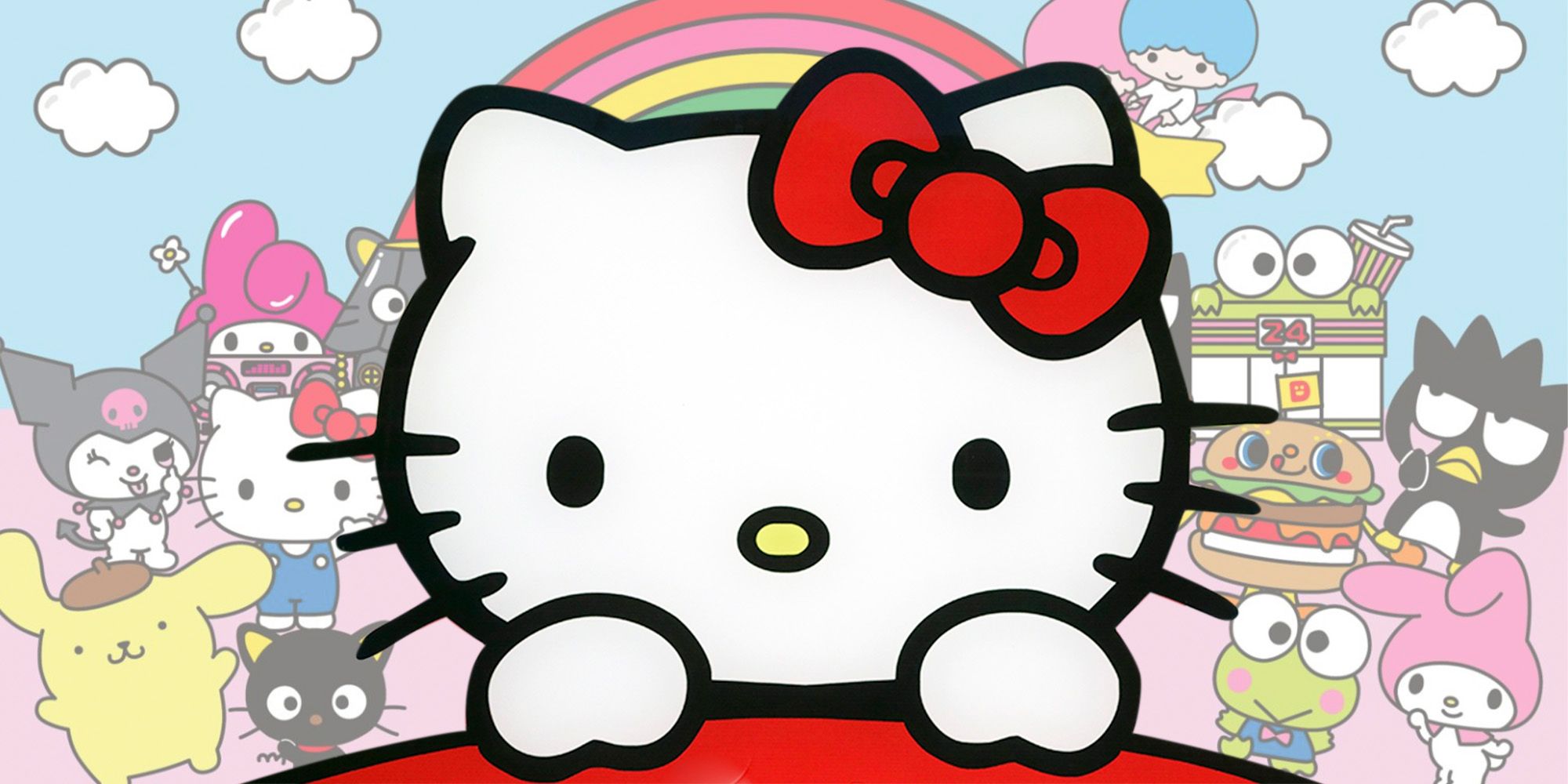
At the core of the Hello Kitty brand, established by Sanrio in 1974, is a design philosophy of "kawaii" (cuteness) that relies on extreme simplification. Hello Kitty herself, as designed by Yuko Shimizu, lacks a mouth, which was an intentional choice to allow the viewer to project their own emotions onto her.
When fans re-imagine these characters as humans, they are effectively taking that established "blank canvas" property of the character and adding a specific, humanized narrative. This process of humanization satisfies a psychological need for "fan-fictionalizing"—a creative act where the audience takes ownership of a globally recognized intellectual property. By giving Hello Kitty a human face, a specific body language, and a personal style, the fan is not just consuming the brand; they are engaging in a co-creative dialogue with it.
Aesthetic Translation: From Mascot to Human Fashion
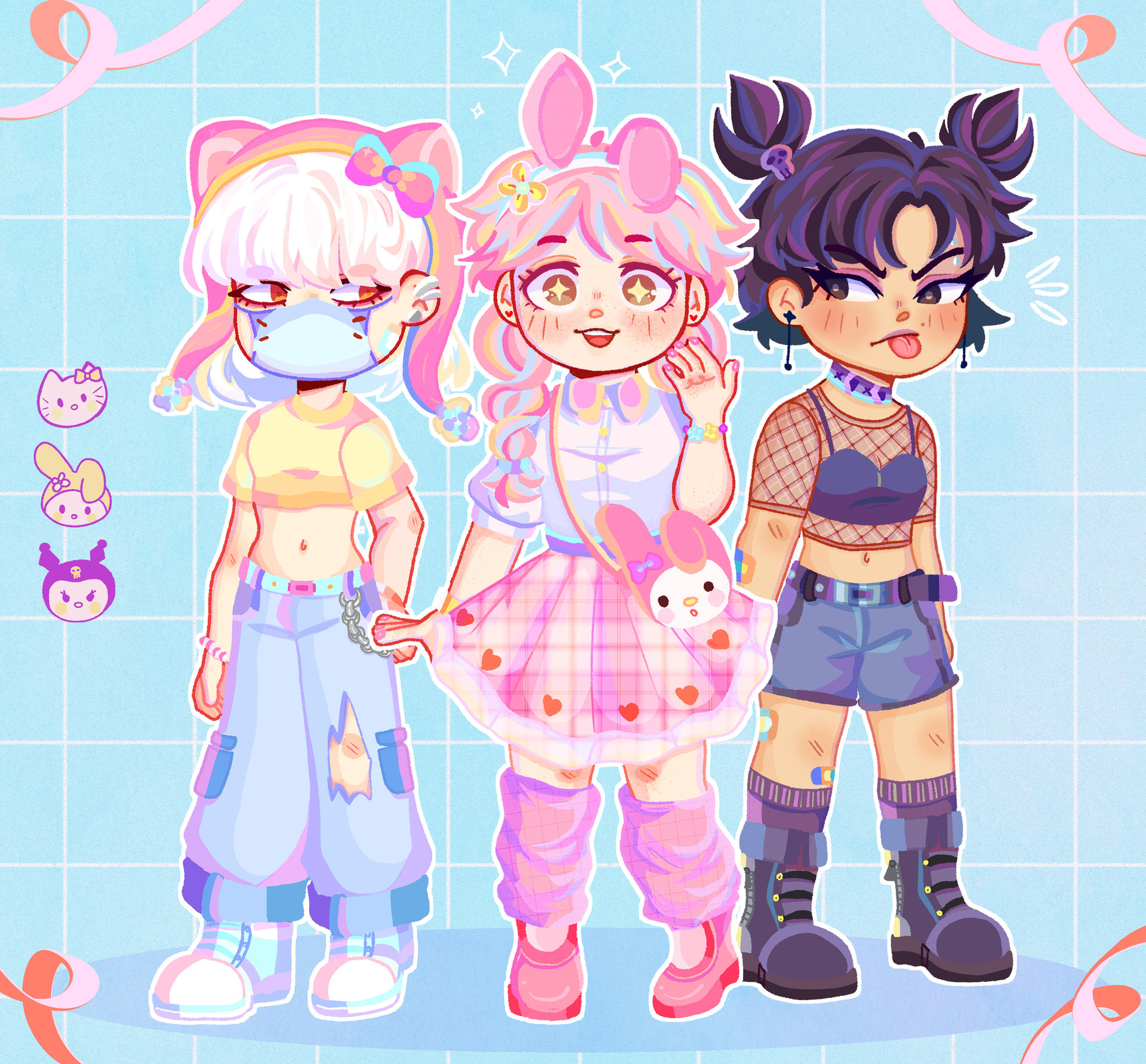
A significant driver for this fascination is the evolution of the "Sanrio aesthetic" into high-fashion subcultures. Over the last decade, specifically leading into 2026, we have seen the rise of "Sanrio-core" and "Lolita" fashion integrations where human portrayals of characters like My Melody, Kuromi, and Cinnamoroll become blueprints for personal style.
When a character is adapted into a human, fans focus heavily on color theory and silhouette. For instance:
- Kuromi: Often reimagined as a punk-goth or "e-girl" aesthetic, utilizing black and purple color palettes that contrast with her original mischievous, rebellious personality.
- My Melody: Frequently translated into soft, cottage-core or classic Lolita fashion, emphasizing her gentle, kind-hearted disposition through lace, hoods, and pastel pinks.
- Cinnamoroll: Typically depicted with oversized white knitwear and a "soft-boy" or dreamy aesthetic, reflecting his airy, cloud-like origins.
This translation allows fans to embody the personality traits of the characters while navigating their own physical identity, turning cosplay and fan art into a form of self-actualization.
The Contrast of Personality and Anatomy
The fascination also hinges on the juxtaposition between the characters' original "non-human" behavior and their perceived human motivations. Because Sanrio characters possess established lore—such as Hello Kitty being a student who loves baking, or Keroppi being an energetic swimmer—fans find it intellectually stimulating to "translate" these hobbies into realistic, adult-oriented scenarios.
When we view these characters as humans, we begin to speculate on their lives outside of the Sanrio "world." How would Hello Kitty navigate a career? What would Badtz-Maru’s professional life look like given his sarcastic temperament? This cognitive exercise keeps the brand relevant for an aging fan base that grew up with these characters and now seeks to integrate them into more mature social contexts.
Comparative Analysis of Character Archetypes
| Character | Original Trait | Humanized Archetype | Primary Aesthetic Focus |
|---|---|---|---|
| Hello Kitty | Friendly/Optimistic | The Creative Professional | Modern-preppy, bright accessories |
| Kuromi | Mischievous | The Rebellious Trendsetter | Dark-goth, edgy streetwear |
| My Melody | Gentle/Sweet | The Romantic Academic | Pastel layers, Victorian-casual |
| Pompompurin | Laid-back/Foodie | The Cozy Homebody | Earth tones, oversized hoodies |
| Badtz-Maru | Sarcastic | The Cynical Minimalist | Monochrome, sharp tailoring |
Social Media and the Acceleration of Fan Content
In 2026, the proliferation of generative AI tools and high-engagement social media platforms has accelerated the creation of humanized character art. Where fan art was once limited to those with traditional drawing skills, the current landscape allows fans to input specific "Sanrio personality" prompts into visual models to generate highly detailed human versions.
This has shifted the "fascinated fan" from a passive observer to an active curator. Platforms have become hubs where these humanized interpretations are discussed, critiqued, and refined. When a user creates a human version of a character, the "success" of the design is measured by how accurately it captures the essence of the original character rather than just the color scheme. If a humanized Badtz-Maru doesn't feel "sarcastic" in his facial expression, the community views it as a failure, demonstrating that the fascination is rooted in psychological character study as much as it is in visual design.
The Role of Nostalgia in Modern Consumption
For many adults in 2026, the Sanrio characters represent a "safety anchor" to their childhood. However, because they have grown into adulthood, their relationship with these characters must evolve to avoid feeling intellectually stagnant. Humanizing the characters is a bridge: it allows an adult to remain a fan of Hello Kitty while acknowledging that their current reality involves adult responsibilities, complex social relationships, and changing fashion trends.
By viewing these characters as humans, the brand loses its "childish" stigma and becomes a sophisticated aesthetic framework. It is no longer about the cartoon itself, but about the archetype that the cartoon represents.
Common Questions Regarding Character Humanization
Why do fans choose to remove the animal/mascot features in these designs? Many fans find that keeping animal ears or tails on human figures creates a "furry" aesthetic, which isn't always the intent. The goal is often to capture the "human soul" of the character—how they would dress and act if they were members of society—which requires stripping away the mascot physicalities in favor of human traits.
Does Sanrio officially support these human interpretations? Sanrio’s stance has been historically flexible, allowing for significant fan expression. While official media rarely depicts them as humans, they have collaborated with various fashion lines that lean into human-centric styling, validating the fans' desire to wear or visualize the characters as human counterparts.
Is there a specific age demographic for this trend? While the characters are ageless, this specific fascination with humanization is most prevalent among Gen Z and Millennial audiences. This group grew up with the characters as toys and stationery, and they now use their digital presence to "re-age" the characters to match their own life stages.
How does this affect the long-term value of the Hello Kitty brand? It strengthens the brand's longevity. By allowing fans to reinterpret the characters, Sanrio maintains a constant stream of organic, user-generated content that updates the brand for every generation without the company needing to radically alter their core intellectual property.
Next Steps for Fans and Creators
To participate in this trend, start by selecting a character whose personality traits mirror your own or your current stylistic aspirations. Instead of simply swapping a mascot for a person, look at the color palettes and character lore—such as likes, dislikes, and specific hobbies—and translate those into 2026 fashion trends. By focusing on the essence of the character, you create a representation that resonates with other fans, fueling the collective fascination that keeps these characters at the forefront of contemporary culture.
Image Gallery