What the Latest Shifts in Immuno-Oncology Mean for Clinical Development and Patient Care in 2026
The current shifts in immuno-oncology (IO) represent a transition from "broad-spectrum" checkpoint inhibitors toward precision-targeted myeloid therapies and optimized dosing regimens. For stakeholders, this means a departure from trad...
The current shifts in immuno-oncology (IO) represent a transition from "broad-spectrum" checkpoint inhibitors toward precision-targeted myeloid therapies and optimized dosing regimens. For stakeholders, this means a departure from traditional PD-1/PD-L1 monotherapies in favor of overcoming T-cell exhaustion and immunosuppressive tumor microenvironments through novel LILRB receptors and myeloid-targeting agents.
Contents
Immuno-oncology has entered its "second act." While the first decade was defined by the revolutionary success of PD-1 and CTLA-4 inhibitors, the landscape in 2026 is defined by a more nuanced understanding of why certain patients fail to respond to these treatments. As the industry moves forward, the "changes" everyone is discussing refer to a tripartite evolution: regulatory shifts in drug dosing (Project Optimus), a biological pivot toward the myeloid cell lineage, and the economic pressures of global healthcare pricing reforms.
The Biological Pivot: Moving Beyond T-Cell Exhaustion
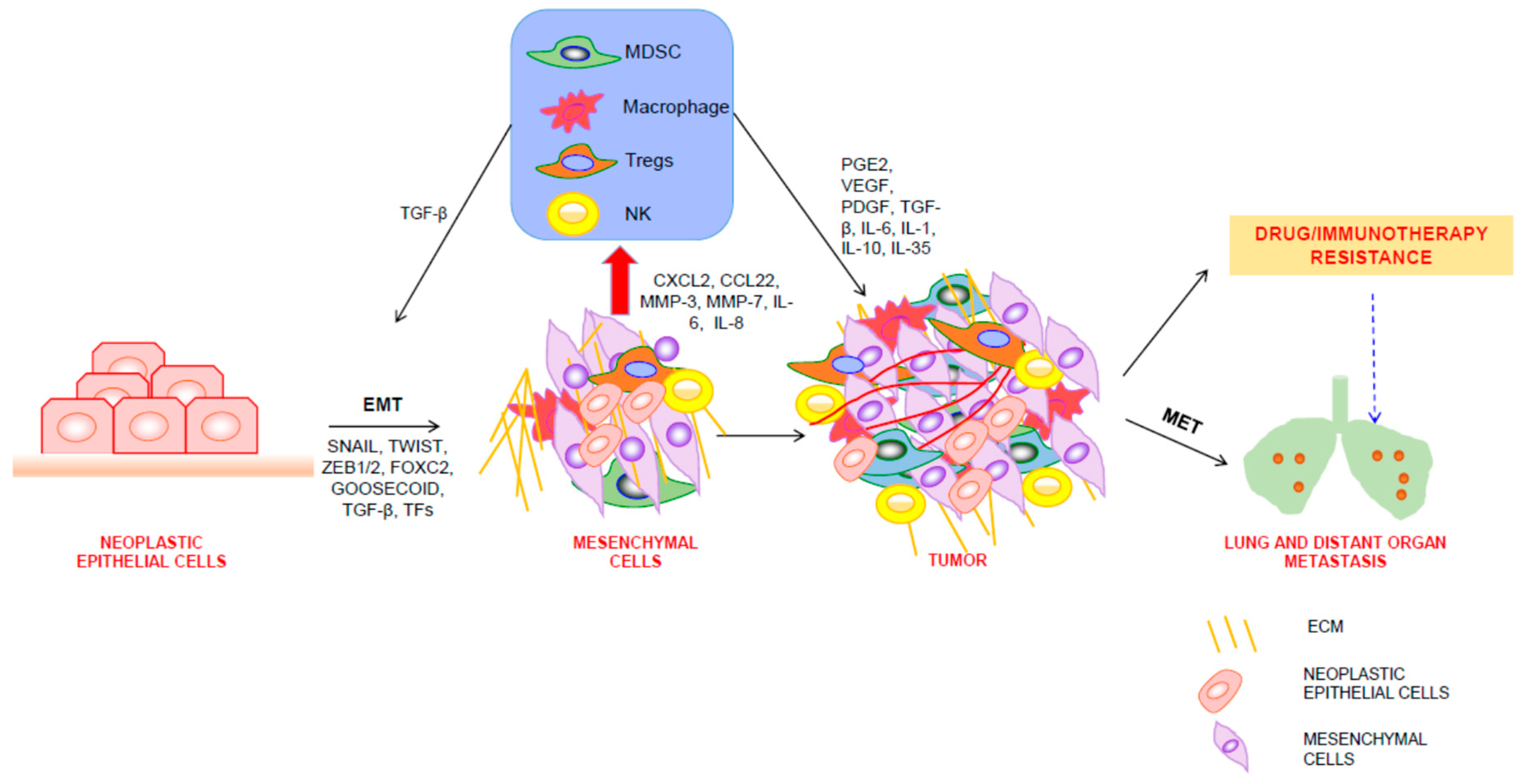
For years, the "immune" in immuno-oncology focused almost exclusively on T-cells. However, a significant portion of patients with solid tumors do not respond to T-cell-directed therapies because their tumors are protected by an immunosuppressive "shield" of myeloid cells.
The Rise of Myeloid Checkpoint Inhibitors
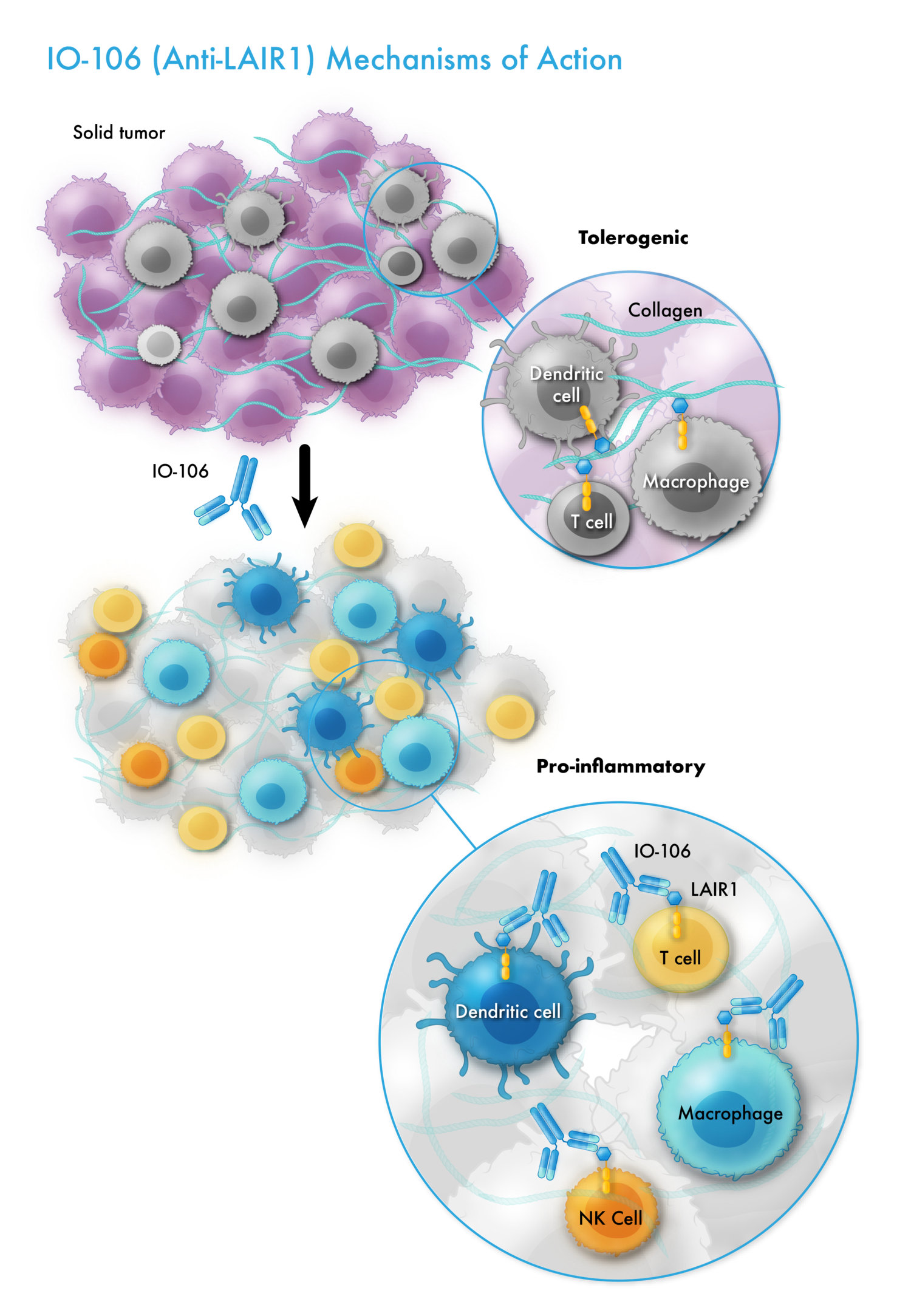
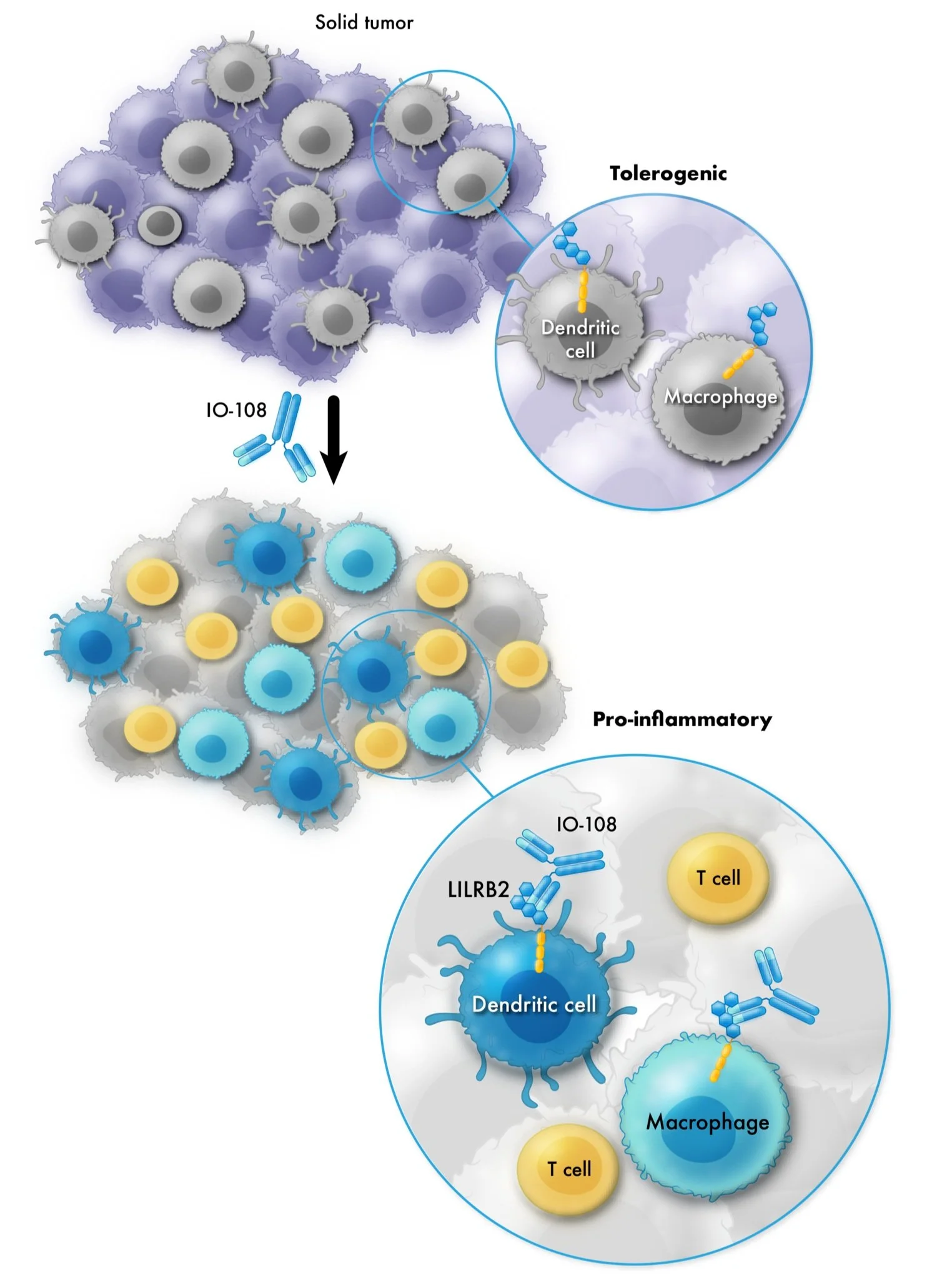
The most significant biological change in the field is the focus on myeloid checkpoints, such as the Leukocyte Immunoglobulin-Like Receptor subfamily B (LILRB). Unlike PD-1, which is primarily found on T-cells, LILRB receptors are expressed on myeloid cells (monocytes, macrophages, and dendritic cells). When these receptors are activated by the tumor, they turn these immune cells into "suppressors" that actively prevent T-cells from attacking the cancer.
Entities like Immune-Onc Therapeutics have pioneered this space, focusing on targets like LILRB1, LILRB2, and LILRB4. The "change" here is the shift from trying to "re-awaken" tired T-cells to "re-programming" the entire tumor microenvironment (TME). By blocking these myeloid checkpoints, clinicians can potentially turn "cold" tumors (those that don't respond to immunotherapy) into "hot" tumors.
Overcoming Resistance in AML and Solid Tumors
In 2026, clinical data has increasingly shown that targeting the myeloid lineage is essential for treating Acute Myeloid Leukemia (AML) and highly immunosuppressive solid tumors like cold colorectal or pancreatic cancers. The shift means that "immune onc" is no longer just a synonym for pembrolizumab or nivolumab; it now encompasses a broader strategy of multi-lineage immune engagement.
Regulatory Evolution: The Impact of Project Optimus
Perhaps the most practical change for biotech companies and clinical researchers is the FDA’s full implementation of Project Optimus. Historically, oncology drugs were developed using the "Maximum Tolerated Dose" (MTD) paradigm—a carryover from the era of cytotoxic chemotherapy. The goal was to find the highest dose a human could stand without dying of toxicity.
From MTD to Optimal Dosing
The FDA has fundamentally changed the rules for immuno-oncology. Because IO agents are often monoclonal antibodies or biologics, the "more is better" rule doesn't always apply. High doses may saturate receptors without providing additional clinical benefit, while simultaneously increasing the risk of immune-related adverse events (irAEs).
What this means for the industry:
- Dose-Finding Trials: Companies must now conduct more rigorous dose-ranging studies earlier in the development process.
- Safety Profiles: There is a higher bar for demonstrating that a selected dose provides the best benefit-risk ratio, not just the highest efficacy.
- Delayed Timelines: While these requirements ensure better patient safety, they have extended the early-phase clinical trial timelines for many "immune onc" startups.
The Economic Reality: The Inflation Reduction Act and IO Innovation
By 2026, the impact of the Inflation Reduction Act (IRA) on drug development strategies has become clear. The law allows for Medicare price negotiations, which has shifted the calculus for "immune onc" investment.
Biologics vs. Small Molecules
The IRA provides a longer period of price protection for biologics (13 years) compared to small molecules (9 years). Since most immuno-oncology breakthroughs—including checkpoint inhibitors and bispecific antibodies—are biologics, the sector has seen a relative surge in investment compared to small-molecule oncology drugs.
However, the "change" here is a strategic narrowing of focus. Companies are less likely to pursue "me-too" PD-1 inhibitors and are instead focusing on "first-in-class" biologics that target novel pathways. This has made the venture capital environment for immuno-oncology highly competitive, favoring companies with unique mechanistic data over those with incremental improvements.
Comparing Traditional and Next-Generation Immuno-Oncology
To understand where the field is headed, it is helpful to compare the "Old Guard" of IO with the "New Guard" emerging in 2026.
| Feature | Traditional IO (2014–2023) | Next-Gen IO (2024–2026+) |
|---|---|---|
| Primary Target | Adaptive Immunity (T-cells) | Innate & Adaptive (Myeloid + T-cells) |
| Key Receptors | PD-1, PD-L1, CTLA-4 | LILRB1-4, TIGIT, LAG-3, Myeloid-targeted |
| Dosing Philosophy | Maximum Tolerated Dose (MTD) | Optimized Biologic Dose (Project Optimus) |
| Tumor Focus | "Hot" Tumors (Melanoma, NSCLC) | "Cold" Tumors & Resistance Mechanisms |
| Biomarkers | PD-L1 Expression, TMB | Spatial Transcriptomics, Myeloid Infiltration |
| Regulatory Path | Accelerated Approval (often single-arm) | Randomized Dose-Optimization Trials |
Precision Medicine: Refined Biomarker Strategies
One of the most significant changes for patients in 2026 is the refinement of how we determine who should receive immuno-oncology treatment. We have moved beyond simple PD-L1 staining.
Spatial Transcriptomics and the TME
Modern "immune onc" diagnostics now look at the spatial orientation of cells within the tumor. It isn't enough to know if immune cells are present; clinicians need to know where they are. If T-cells are excluded from the tumor core by a wall of myeloid-derived suppressor cells (MDSCs), a standard PD-1 inhibitor will likely fail.
The integration of artificial intelligence in pathology has allowed for the identification of "immune-excluded" vs. "immune-desert" phenotypes. This allows doctors to prescribe combination therapies—such as a myeloid-targeting agent to "break the wall" and a T-cell agent to "attack the tumor"—with much higher precision.
Challenges and Unresolved Issues
Despite the progress, the "changes" in the sector have introduced new hurdles.
- Combination Complexity: As we move toward combinations (e.g., LILRB inhibitors + PD-1 inhibitors), the risk of cumulative toxicity increases. Balancing efficacy with patient quality of life remains a top concern for the ASCO (American Society of Clinical Oncology) and ESMO (European Society for Medical Oncology) guidelines in 2026.
- Cost of Access: Next-gen IO therapies are expensive to produce. The complex manufacturing of bispecific antibodies and cell therapies continues to challenge global healthcare budgets, leading to significant disparities in access between high-income and low-to-middle-income countries.
- Resistance Evolution: Just as tumors evolved to resist chemotherapy, we are seeing the emergence of complex resistance patterns to immunotherapy. The field is currently "chasing" these mutations, necessitating a constant cycle of drug iteration.
FAQ
What does "immune onc" specifically refer to in a clinical context?
Immuno-oncology, or "immune onc," refers to a category of cancer treatment that uses the body's own immune system to fight the disease. This includes checkpoint inhibitors, cytokines, cancer vaccines, and cellular therapies like CAR-T. In recent years, the term has specifically come to emphasize the modulation of the tumor microenvironment to allow the immune system to recognize and destroy malignant cells.
Why is the focus shifting toward the myeloid lineage?
The focus is shifting because many patients are either intrinsically resistant to T-cell therapies or develop resistance over time. Myeloid cells (like macrophages) are often highjacked by tumors to protect the cancer. By targeting myeloid receptors like LILRB2 or LILRB4, researchers hope to disable this protective shield, making the tumor vulnerable to the immune system again.
How does FDA Project Optimus affect new drug approvals?
Project Optimus requires drug developers to move away from the "maximum dose" strategy. Companies must now provide data showing they have tested multiple doses to find the one that offers the best balance of efficacy and safety. This change is intended to reduce the long-term side effects (toxicities) that patients experience with modern cancer drugs.
What are LILRB receptors, and why are they important?
LILRB (Leukocyte Immunoglobulin-Like Receptor subfamily B) are inhibitory receptors found on the surface of immune cells. Tumors often express ligands that bind to these receptors, effectively "turning off" the immune response. Companies like Immune-Onc Therapeutics are developing antibodies to block these receptors, which "unlocks" the immune system's ability to attack the cancer, particularly in blood cancers and solid tumors.
Does the Inflation Reduction Act discourage IO research?
While the IRA has introduced price negotiations that may impact long-term revenue for some drugs, it has also created a strategic preference for biologics over small molecules due to the 13-year protection window. This has actually incentivized research into complex biologics and "first-in-class" immuno-oncology treatments, though it may discourage some "me-too" drug development.
Practical Recommendations for Stakeholders
For clinicians, the "changes" in immuno-oncology necessitate a deeper reliance on advanced molecular profiling. It is no longer sufficient to test for PD-L1 alone; understanding the myeloid composition of the tumor microenvironment is becoming essential for enrolling patients in the correct "next-gen" clinical trials.
For investors and biotech leadership, the focus should remain on "differentiation." The era of "fast-follower" PD-1 inhibitors is over. Success in 2026 requires a focus on novel pathways—specifically those targeting the innate immune system (myeloid cells)—and a proactive approach to the FDA’s new dosing requirements.
For patients, these changes mean a more personalized approach to cancer care. While the trial process may seem slower due to stricter regulatory requirements, the result is a pipeline of drugs that are safer, more effective, and better matched to the specific biology of their individual tumors.
Image Gallery