The Billie Joe Fan on Stage Phenomenon: A Live Concert Tradition
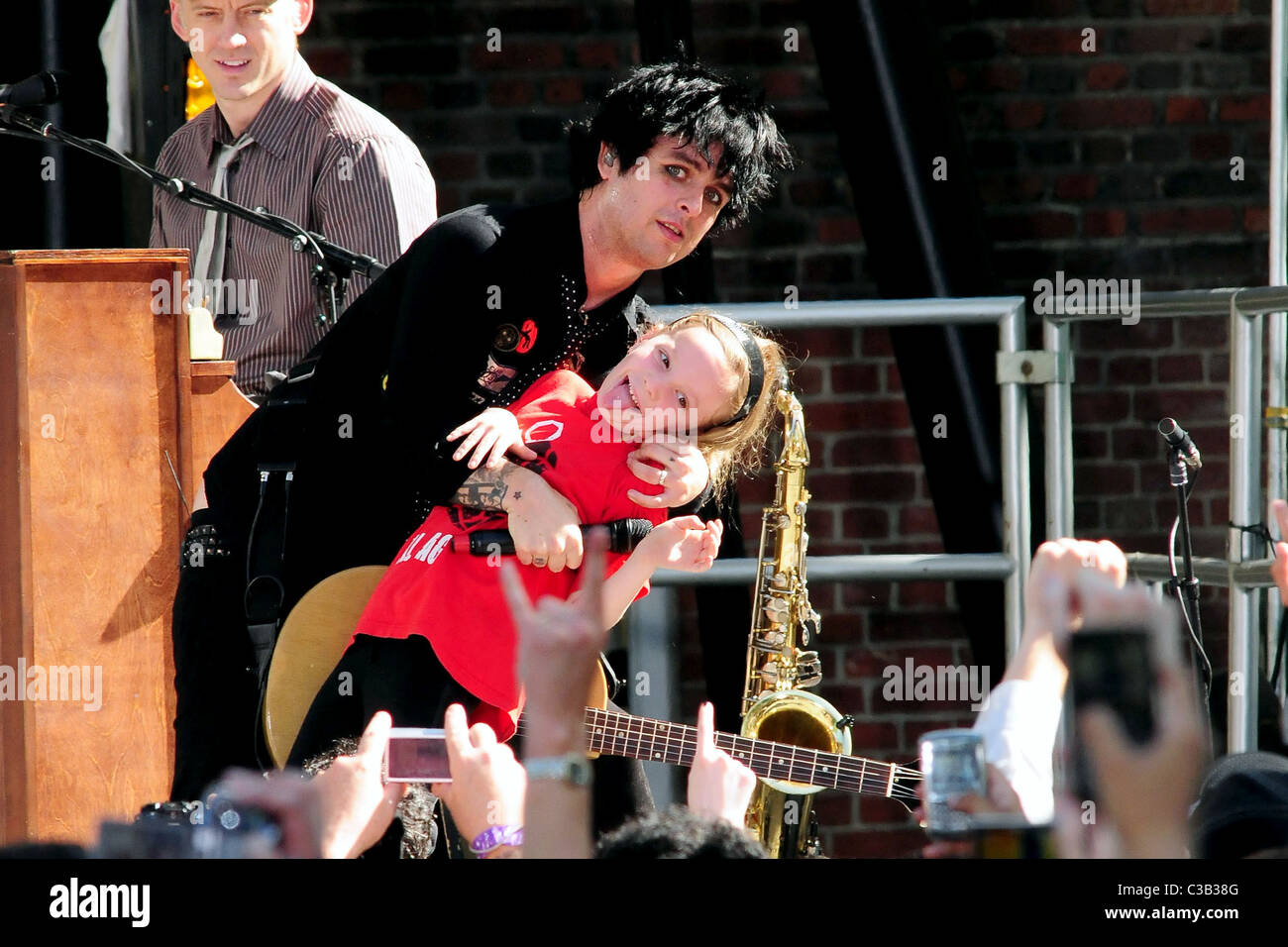
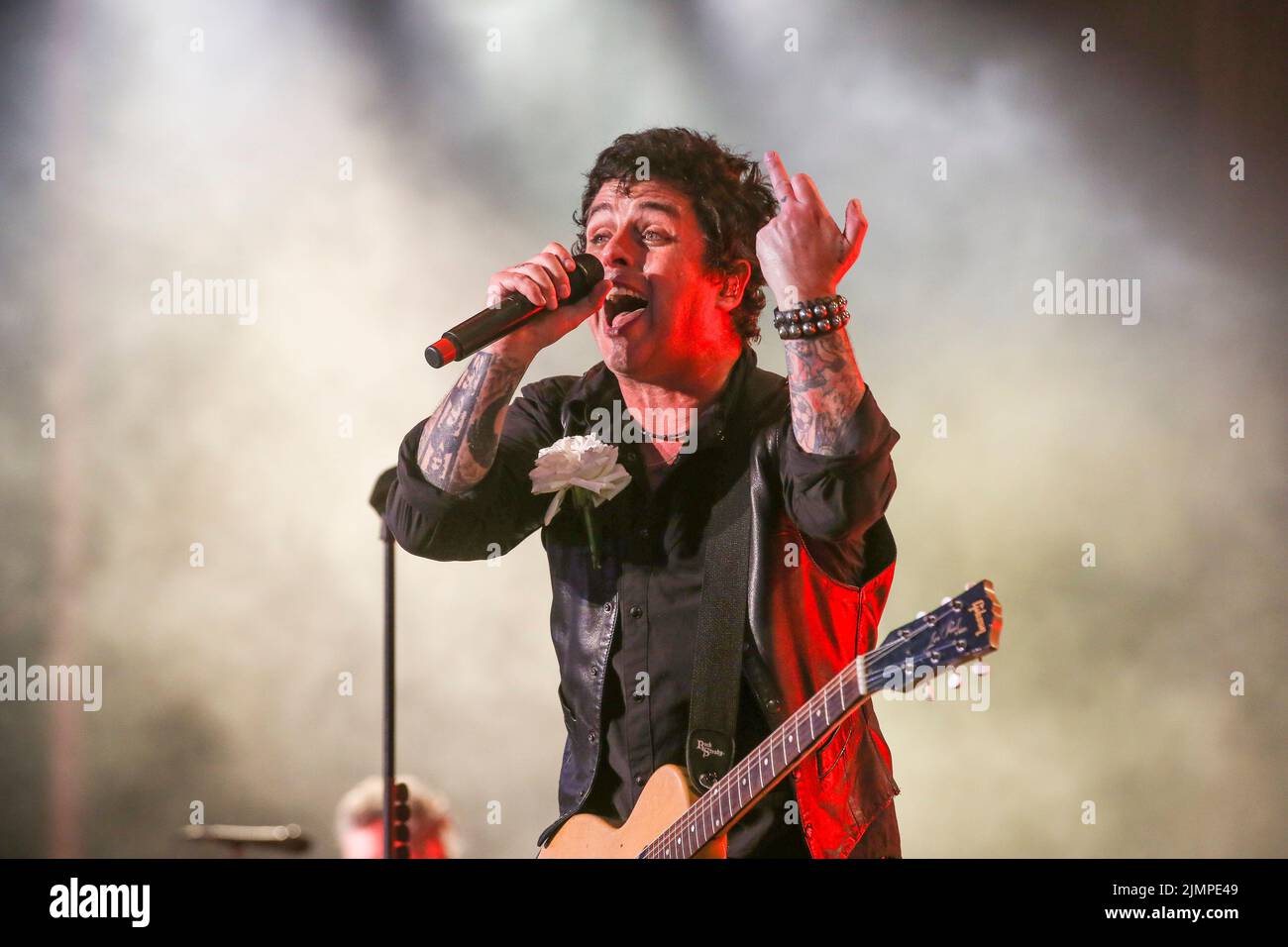
During nearly every live performance by Green Day, frontman Billie Joe Armstrong invites a fan from the audience onto the stage to play guitar on a cover song or an early catalog track, turning a routine rock concert into an unpredicta...
During nearly every live performance by Green Day, frontman Billie Joe Armstrong invites a fan from the audience onto the stage to play guitar on a cover song or an early catalog track, turning a routine rock concert into an unpredictable, highly collaborative communal event.
Contents
Understanding the Billie Joe Fan on Stage Phenomenon
The tradition of bringing a fan onto the stage to perform alongside Green Day is one of the most distinctive and enduring audience-interaction practices in contemporary rock music. This phenomenon, primarily driven by frontman Billie Joe Armstrong, has evolved from a spontaneous occurrence in the late 1980s and 1990s into a meticulously orchestrated yet genuinely thrilling staple of the band’s live shows. For anyone attending a Green Day stadium or arena concert, the segment represents a high-stakes moment where the boundary between artist and spectator momentarily dissolves.
While concertgoers at pop and rock shows often hold up signs requesting songs or wave banners to catch a musician's eye, Green Day concerts take this engagement a step further. Armstrong does not simply hand the microphone to a crowd member for a quick chorus; he frequently hands over a vintage signature Gibson Les Paul junior guitar, expects the fan to play the correct chord progressions, and occasionally allows them to stage-dive back into the sea of people. This practice requires a unique blend of crowd psychology, stage management, security coordination, and raw musical enthusiasm. Understanding how this phenomenon works, why it matters to the band's culture, and what it takes for a fan to secure that coveted spot reveals a fascinating cross-section of modern rock-and-roll performance art.
Historical Evolution of Crowd Participation in Green Day Shows
To understand the modern fan-on-stage phenomenon, it is necessary to examine its roots in the East Bay punk rock scene of the late 1980s. When Green Day played basement shows, tiny clubs, and DIY warehouses like 924 Gilman Street, the physical distance between the band and the audience was virtually non-existent. Stage diving, mic-sharing, and impromptu instrument swaps were standard features of punk shows, born out of necessity and a philosophy of radical egalitarianism.
As Green Day transitioned from underground punk icons to global arena headliners following the breakout success of their 1994 major-label debut, Dookie, maintaining that intimacy became a logistical challenge. Yet, rather than retreating behind pyrotechnics and barricades, Armstrong and his bandmates—bassist Mike Dirnt and drummer Tre Cool—actively scaled up their crowd-interaction techniques. Throughout the 2000s, bringing fans up to sing "Longview" or play three simple power chords on "Knowledge" (an Operation Ivy cover) became a reliable ritual. Over decades of touring, this practice transformed from a casual punk-rock prank into a signature pillar of the Green Day live experience, cementing their reputation as a band that values collective participation over passive spectating.
Mechanics of the Selection Process
Securing a spot on stage with Billie Joe Armstrong is rarely a matter of pure luck; it requires a combination of visibility, preparation, and situational awareness. While fans often wonder how the selection happens, several recurring patterns define the process during a concert.
Visual Cues and Signage
The most immediate way fans attempt to draw attention is through handmade signs, banners, or wearing distinctive attire. However, holding up a sign that says "Let me play guitar" is only half the battle. Armstrong looks for specific traits in the crowd:
- Active Engagement: Fans who know all the lyrics, sing along passionately, and maintain high energy throughout the set stand out in the front rows.
- Instrument Authenticity: While fans do not need to bring their own guitars (the band provides them), those who demonstrate clear familiarity with playing rock rhythm guitar often catch the eye of the touring crew.
- Aged-Appropriate or Novelty Appeal: Children, teenagers, and dedicated superfans frequently get selected, adding a heartwarming or wildly entertaining dynamic to the performance.
Security and Crew Coordination
Behind the scenes, the front-of-house security team and the band's guitar technicians play a vital role. Once Armstrong points to a fan in the pit, security personnel must quickly assess the individual, guide them over the barricade, and escort them up the stairs to the stage. Meanwhile, a guitar tech—often Hans Derink, Armstrong's longtime tech—must rapidly prep a spare guitar, adjust the strap, and hand it to the bewildered participant. This seamless choreography ensures that the momentum of the concert does not lag during the transition.
| Concert Role | Responsibility During Fan-on-Stage Segment | Safety & Logistical Focus |
|---|---|---|
| Frontman (Billie Joe Armstrong) | Identifies the fan, gauges their vibe, teaches basic chords if needed, and shares the microphone. | Maintaining crowd energy and ensuring the participant feels welcomed rather than intimidated. |
| Security Team | Extracts the chosen fan from the barricade, escorts them safely onto the stage, and manages crowd surges. | Preventing injuries, checking for prohibited items, and facilitating a smooth return to the pit. |
| Guitar Technician | Prepares a backup instrument, adjusts strap length on the fly, and manages audio line checks. | Protecting high-value vintage gear while enabling instant performance capability. |
| Participant (The Fan) | Performs the requested song chords, sings into the mic, and executes a planned stage dive. | Managing stage fright, respecting equipment, and executing a safe exit. |
The Musical Experience: What Happens on Stage
Once the fan reaches the center stage, the atmosphere shifts from a polished arena rock show to an unpredictable garage-band jam session. The most common song performed during this segment is Operation Ivy's "Knowledge," which utilizes a simple, repetitive four-chord progression ($\text{E} - \text{G} - \text{A} - \text{C}$ or similar variations depending on the arrangement).
Armstrong typically walks the fan through the chords in real-time, holding the guitar neck or guiding their fingers on the fretboard if they look overwhelmed. The interaction is designed to be encouraging rather than humiliating. If the fan can play the basic rhythm, Armstrong steps back to let them hammer out the chords while he works the crowd or sings. If the fan freezes or admits they do not actually play guitar—a common occurrence that often draws good-natured laughter from the band—Armstrong will often let them sing the entire song or scream into the microphone instead, ensuring that the moment remains a triumph regardless of musical proficiency.
The climax of the appearance almost always involves a stage dive. After hugging the band members and soaking in the applause of tens of thousands of cheering fans, the participant is guided to the edge of the stage, where they launch themselves backward into the hands of the security team and the front-row crowd, returning to the general admission pit as a local legend for the night.
Cultural Impact and Fan Community Significance
The Billie Joe fan on stage phenomenon holds deep psychological and cultural significance within the Green Day fan community. In an era where major pop and rock concerts are heavily choreographed, strictly timed spectacles backed by pre-recorded backing tracks, Green Day’s reliance on audience participation introduces a vital element of genuine human risk. Anything can happen on stage: a fan might deliver a transcendent, note-perfect rendition, or they might completely miss the strings and cause a humorous onstage pile-up. This inherent volatility keeps both the audience and the band intensely engaged.
Furthermore, these moments serve as powerful storytelling anchors for the fanbase. Videos of standout fan performances regularly accumulate millions of views on YouTube and TikTok, turning ordinary concertgoers into viral sensations overnight. For the wider community, watching an everyday teenager or dedicated fan share a microphone with a Rock and Roll Hall of Famer reinforces the core punk-rock ethos that built Green Day's career: that the gap between the rock star and the fan is only a matter of circumstance, and that rock music belongs to everyone.
Frequently Asked Questions
Do fans need to bring their own guitar to play on stage with Green Day?
No. Fans never need to bring their own instruments. The band's guitar technicians provide a properly tuned guitar—usually a backup Gibson Les Paul Junior—complete with a strap adjusted specifically for the participant before they walk onto the stage.
What song do fans usually play when they get brought up?
The most frequent song performed during this segment is a cover of "Knowledge" by the 1980s ska-punk band Operation Ivy. Its simple, repetitive chord structure makes it accessible for amateur guitarists to learn or fake on the spot under stage pressure.
What happens if the selected fan does not actually know how to play guitar?
It happens quite frequently. If a fan admits they cannot play, Billie Joe Armstrong typically pivots the interaction by having them sing the lyrics into the microphone, dance across the stage, or handle tambourine duties before sending them off with a memorable stage dive.
Are the fans pre-selected or plants from the crew?
No, the participants are not pre-selected industry plants or crew members. They are genuine audience members chosen live from the front rows based on their energy, signs, and visibility during the performance.
How can a concertgoer increase their chances of being chosen?
Standing as close to the front barricade as possible, maintaining high energy, singing along to every song, and holding a clear, respectful sign or banner are the most effective ways to catch the attention of Billie Joe Armstrong and the stage crew.
Conclusion and Next Actions
The Billie Joe fan on stage phenomenon is far more than a routine concert gimmick; it is a masterclass in audience engagement that preserves the raw, democratic spirit of punk rock within massive modern stadiums. For attendees hoping to experience this tradition firsthand, preparation involves securing a spot near the front barricade, engaging authentically with the performance, and being ready to seize a once-in-a-lifetime opportunity if the spotlight lands on them. Whether viewed from the front row or the back of the arena, this interactive ritual remains one of the defining live music experiences of the twenty-first century.
Image Gallery