Bose QuietComfort 25 Headphones Review: A 2026 Perspective on a Legacy Icon
The Bose QuietComfort 25 (QC25) remains a highly effective, budget-friendly wired noise-canceling headphone for users who prefer replaceable AAA batteries over internal rechargeable cells. While lacking Bluetooth, its legendary comfort...
The Bose QuietComfort 25 (QC25) remains a highly effective, budget-friendly wired noise-canceling headphone for users who prefer replaceable AAA batteries over internal rechargeable cells. While lacking Bluetooth, its legendary comfort and noise-reduction capabilities still outperform many modern entry-level models, making it a sustainable choice for long-haul travelers and office-based professionals.
Contents
Identity and Scope of the Bose QuietComfort 25
The Bose QuietComfort 25, originally launched in September 2014 as the successor to the QC15, represents a pivotal moment in audio history. In 2026, it occupies a unique niche: the "high-end legacy" wired headphone. Unlike its wireless successors, the QC35 and QC45, the QC25 was designed during an era when the 3.5mm headphone jack was ubiquitous and Bluetooth audio was still maturing in terms of fidelity and latency.
The scope of this review covers the QC25's relevance in a modern ecosystem where digital-to-analog converters (DACs) and USB-C dongles have become the norm. We examine the physical hardware, the proprietary Acoustic Noise Cancelling technology, and the practicalities of maintaining a device that is now over a decade old. For many enthusiasts, the QC25 is not just a backup pair of headphones; it is a deliberate choice for those who wish to avoid "planned obsolescence" associated with non-replaceable lithium-ion batteries.
Design, Build Quality, and Ergonomics
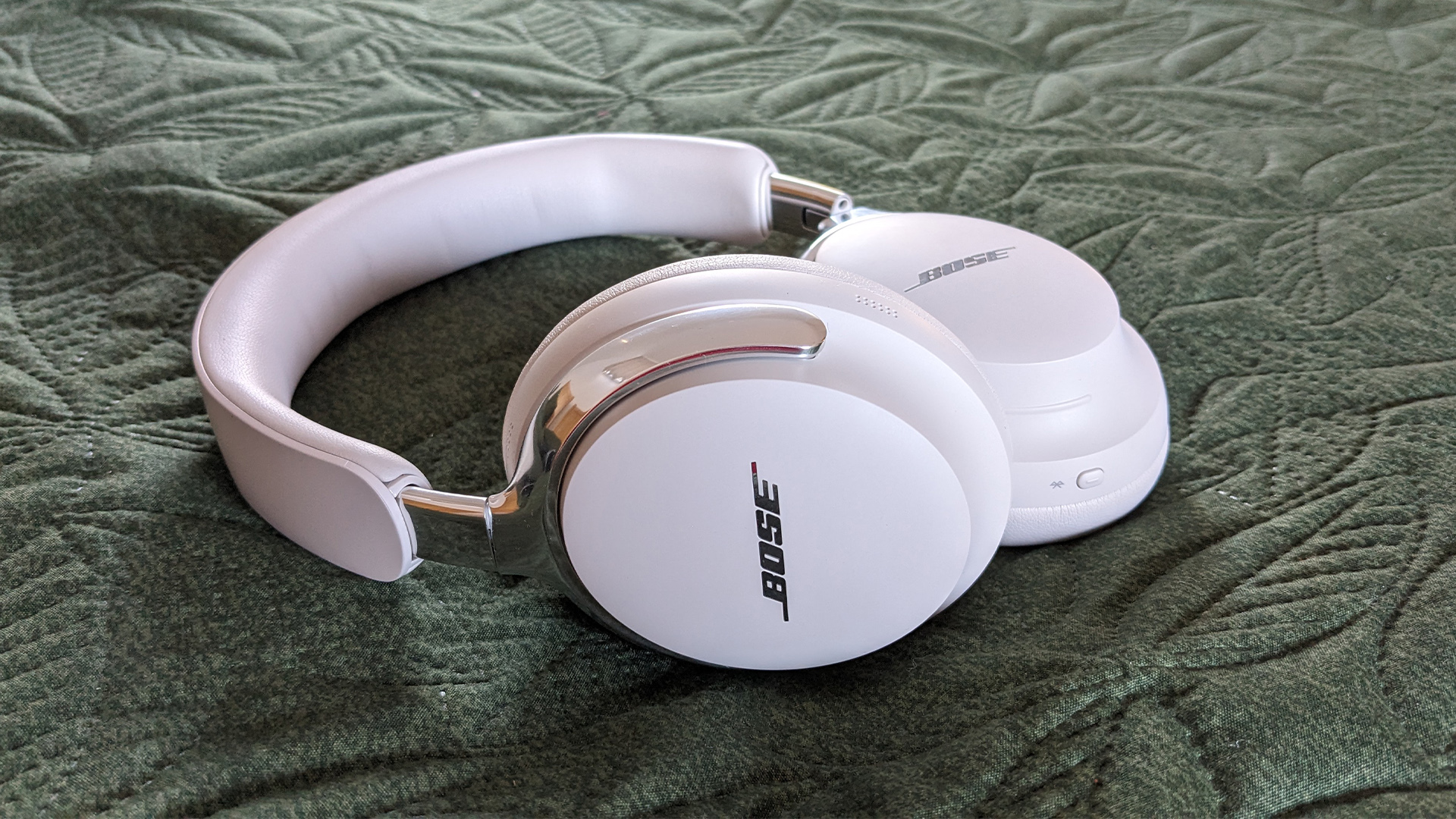
Bose established the "QuietComfort aesthetic" with the QC25, a design language that the company has only iteratively changed over the subsequent twelve years. The headphones feature a mix of high-grade plastics, zinc hinges, and a headband wrapped in a combination of leatherette and a "SoftTouch" fabric similar to Alcantara.
Comfort and Clamping Force
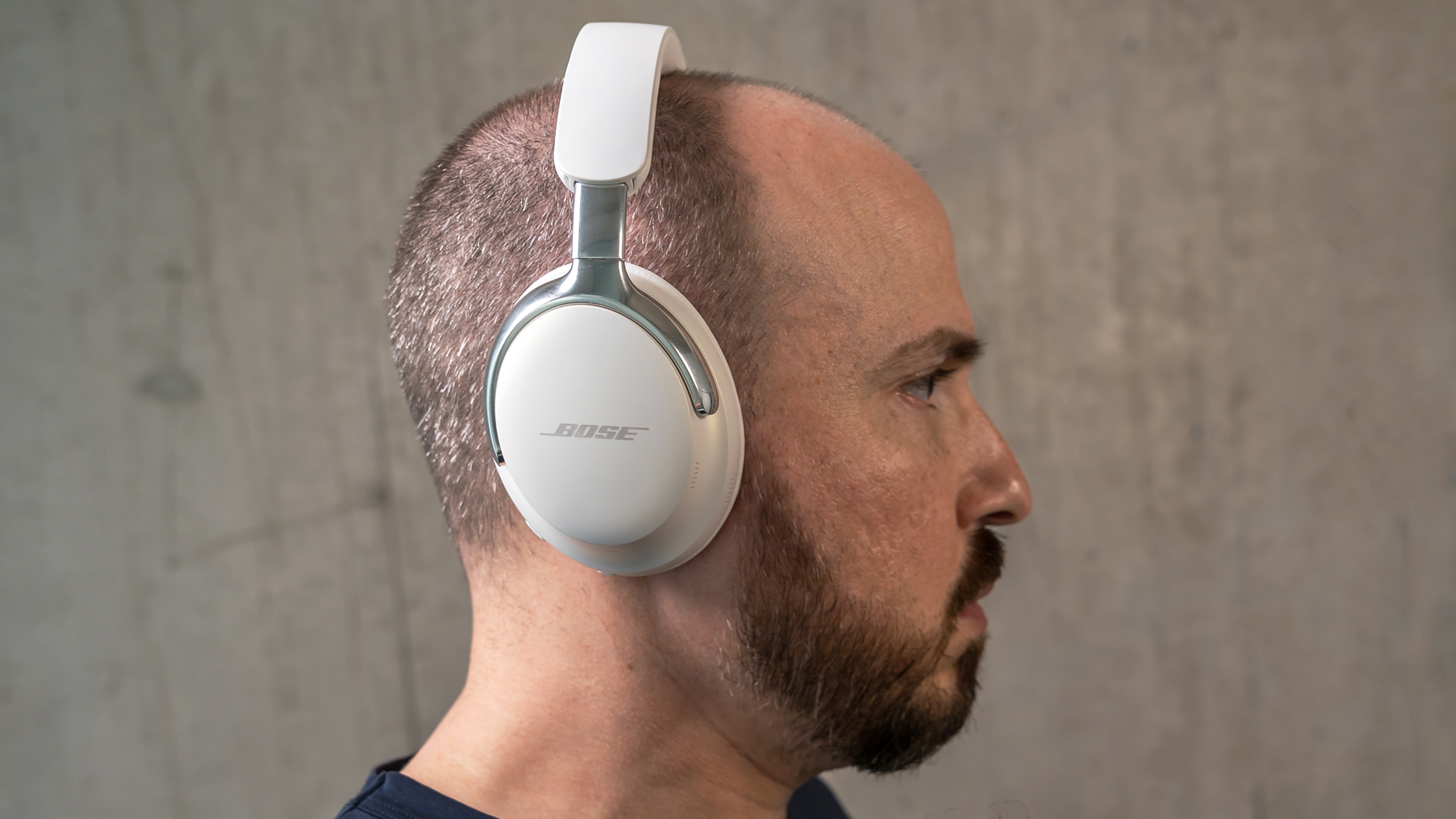
The primary reason the QC25 remains popular in 2026 is its weight. At approximately 196 grams (without the cable), it is significantly lighter than most modern wireless flagships, which often exceed 250 grams due to internal batteries and complex circuitry. The clamping force is finely tuned—tight enough to create a passive seal but light enough to be worn for an entire cross-continental flight without causing "hot spots" on the crown of the head.
The Portability Factor
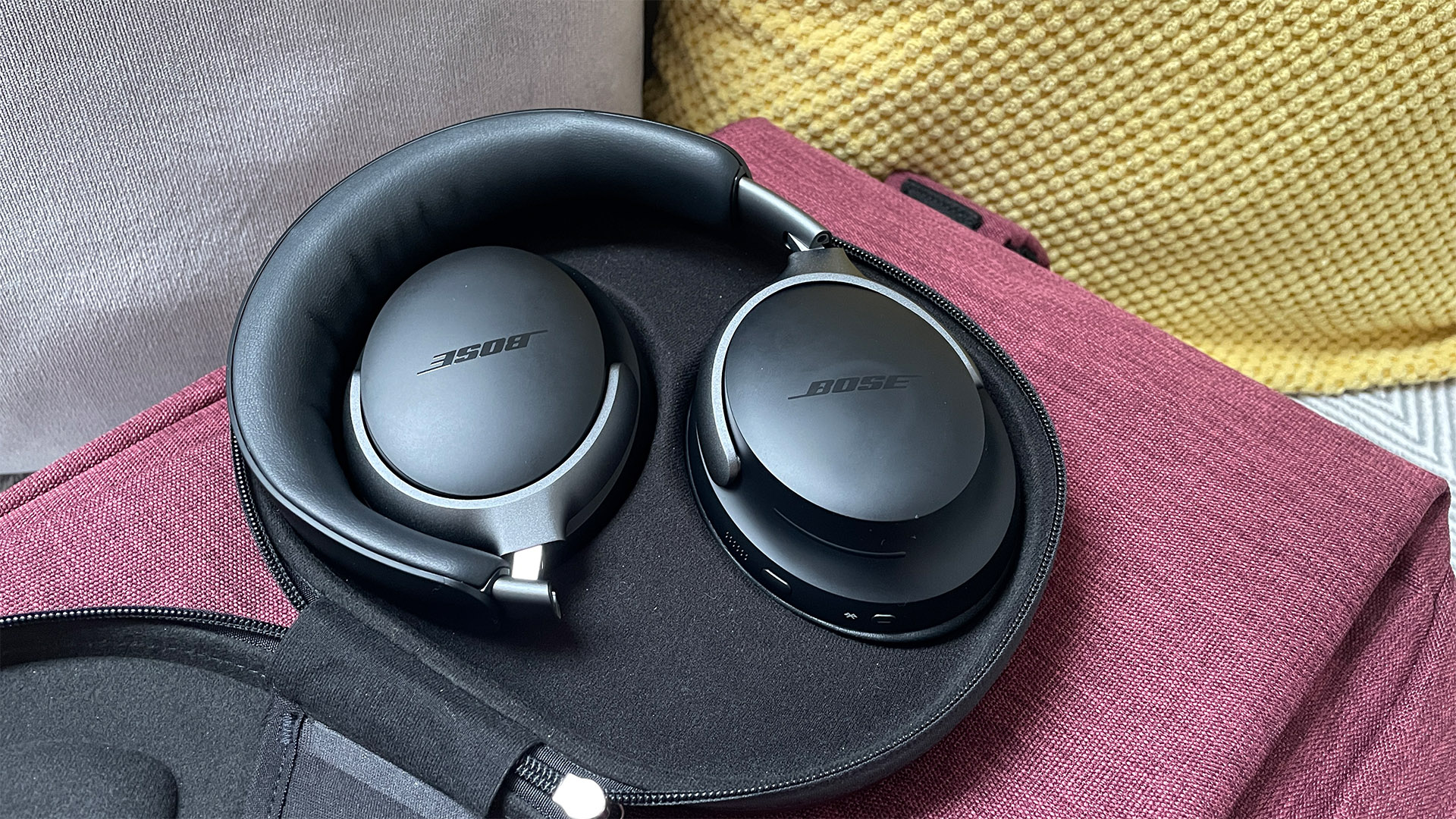
The QC25 introduced a more compact folding mechanism than the QC15, allowing the earcups to rotate and fold inward. This design fits into a hardshell carrying case that is remarkably slim by 2026 standards. The case also includes a dedicated slot for a spare AAA battery and a dual-prong airline adapter, though the latter is increasingly rare in modern aircraft cabins.
Performance: Noise Cancellation and Audio Profile
Bose’s reputation was built on Active Noise Cancellation (ANC), and the QC25 was the peak of their analog-focused engineering. Even when compared to 2026's top-tier digital ANC sets, the QC25 holds its own in specific frequencies.
Active Noise Cancellation (ANC) Effectiveness
The QC25 utilizes microphones both inside and outside the earcup to monitor environmental sound. It is exceptionally proficient at neutralizing low-frequency "drone"—the hum of jet engines, air conditioning units, or the rumble of a train. While it lacks the adaptive "Aware Mode" or "Transparency Mode" found in the Bose QuietComfort Ultra, its raw isolation power remains impressive. It can reduce ambient noise by up to 20 decibels in the lower registers, which is often the difference between a stressful commute and a quiet one.
Sound Signature
The audio profile is characterized by the "Bose signature": a warm, consumer-friendly sound with a slight emphasis on the mid-range.
- Lows: The bass is present but not overwhelming. It lacks the sub-bass extension of modern "bass-boosted" headphones, providing a more balanced listening experience.
- Mids: Vocals are clear and forward, making these excellent for podcasts and audiobooks.
- Highs: The treble is smoothed out to prevent listener fatigue. You won't find the surgical detail of high-fidelity audiophile monitors, but the QC25 is designed for long-duration comfort, not studio analysis.
One critical aspect of the QC25 is that it can function in "passive mode." If the battery dies, the music continues to play through the wire, though the sound becomes noticeably thinner and less dynamic because the internal Active EQ is disabled.
The AAA Battery: A 2026 Advantage?
In 2026, the tech world is increasingly focused on the "Right to Repair" and sustainability. The QC25’s reliance on a single AAA battery is its most polarizing feature. While many view it as an inconvenience compared to USB-C charging, it offers two distinct advantages:
- Instant Power: You can go from 0% to 100% power in five seconds by swapping a battery. There is no need to wait for a charge cycle.
- Longevity: Most wireless headphones are discarded after 3–5 years because their internal lithium batteries degrade. A QC25 from 2014 can function perfectly in 2026 because its power source is external.
A single alkaline AAA battery typically provides about 35 hours of noise cancellation. If using high-quality rechargeable NiMH batteries, this duration may slightly decrease, but the environmental impact is significantly lowered.
Practical Comparisons and Technical Specifications
To understand where the QC25 fits into the current landscape, it is helpful to compare it to its descendants.
| Feature | Bose QC25 (2014) | Bose QC45 / QC (2023) | Bose QC Ultra (Current) |
|---|---|---|---|
| Connection | Wired (3.5mm/2.5mm) | Wireless (BT 5.1) / Wired | Wireless (BT 5.3) / Wired |
| Power Source | 1x AAA Battery | Internal Rechargeable | Internal Rechargeable |
| Battery Life | ~35 Hours | ~22 Hours | ~24 Hours |
| Weight | 196g | 240g | 252g |
| Transparency Mode | No | Yes | Yes (Aware Mode) |
| Charging Port | N/A | USB-C | USB-C |
| App Support | No | Bose Music App | Bose Music App |
Known Limitations and Maintenance
Purchasing or maintaining a QC25 in 2026 comes with specific challenges. The most common issue is the disintegration of the earpads. The original protein leather tends to flake after 18–24 months of regular use. Fortunately, because of the model's popularity, high-quality third-party replacement pads are widely available and easy to install.
Another limitation is the cable dependency. The QC25 uses a proprietary 2.5mm jack on the earcup side and a standard 3.5mm jack on the device side. This means you cannot use a standard auxiliary cable; you must use a Bose-compatible cable that fits the recessed 2.5mm port. Furthermore, the inline remote on the cable was historically sold in two versions: one for Apple devices (MFi) and one for Android. In 2026, the volume buttons on the "Apple" version may not work on modern Android USB-C adapters, and vice versa.
Who Should Buy the Bose QC25 in 2026?
The Bose QC25 is an ideal choice for specific user groups:
- Budget-Conscious Travelers: You can often find refurbished or "new old stock" QC25 units for a fraction of the cost of modern wireless sets.
- Sustainability Advocates: Those who want to avoid built-in batteries that eventually become electronic waste.
- Latency-Sensitive Users: Gamers or video editors who cannot tolerate the slight delay inherent in Bluetooth audio.
- Offline Environments: Users in secure facilities where wireless signals (Bluetooth/Wi-Fi) are prohibited.
Frequently Asked Questions
Can I use the Bose QC25 with a modern smartphone that lacks a headphone jack?
Yes, but you will need a 3.5mm to USB-C or Lightning adapter (often called a "dongle"). For the best sound quality, we recommend using a DAC (Digital-to-Analog Converter) dongle, which can provide better power delivery than the generic adapters included with phones.
Is the noise cancellation on the QC25 as good as the newer QC Ultra?
Not quite. While the QC25 is excellent at blocking consistent, low-frequency sounds like engines, the QC Ultra uses more advanced digital processing to block out irregular sounds like human speech or barking dogs. However, for many users, the difference is marginal and may not justify the significant price gap.
Why do my QC25 headphones make a "popping" sound?
This is a known issue that usually occurs when the battery is low or if the earcup seal is compromised. It can also happen if the internal microphones are loose or if there is moisture buildup. Replacing the battery or the ear cushions often resolves the problem.
Does the Bose QC25 have a microphone for calls?
Yes, the QC25 has an inline microphone located on the detachable cable. The quality is sufficient for phone calls and video meetings, but it is not "noise-rejecting," meaning the person on the other end will likely hear your background environment.
What happens if I use the QC25 without a battery?
The headphones will still work as standard wired headphones, but you will lose the Active Noise Cancellation and the Active EQ. Without power, the sound profile is much flatter and lacks the "fullness" of the powered-on state.
Final Recommendation
In 2026, the Bose QuietComfort 25 stands as a testament to functional, durable design. While the world has largely moved toward a wireless, rechargeable future, the QC25 offers a reliable, high-performance alternative that doesn't rely on software updates or non-replaceable batteries. If you value comfort, effective noise reduction, and long-term sustainability over the latest "smart" features, the QC25 remains a brilliant investment for focused work and quiet travel. For the best experience, pair it with a high-quality rechargeable AAA battery and a sturdy USB-C DAC dongle.
Image Gallery