Is California FAIR Plan Homeowners Insurance Worth It?
The California FAIR Plan is worth it primarily because, for many homeowners in high-risk wildfire areas, it is the only option remaining to secure a mortgage and protect their property. While more expensive and limited in scope than st...
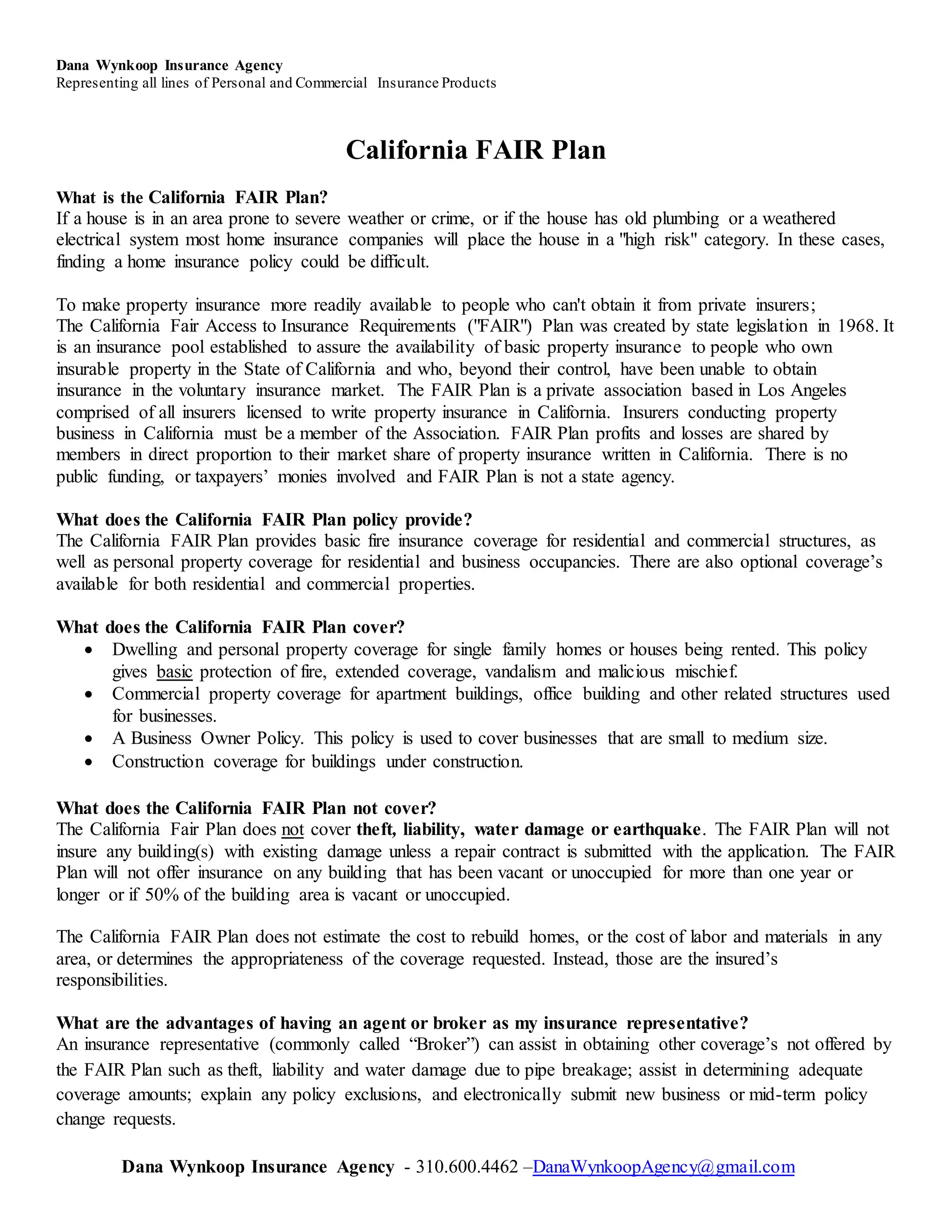
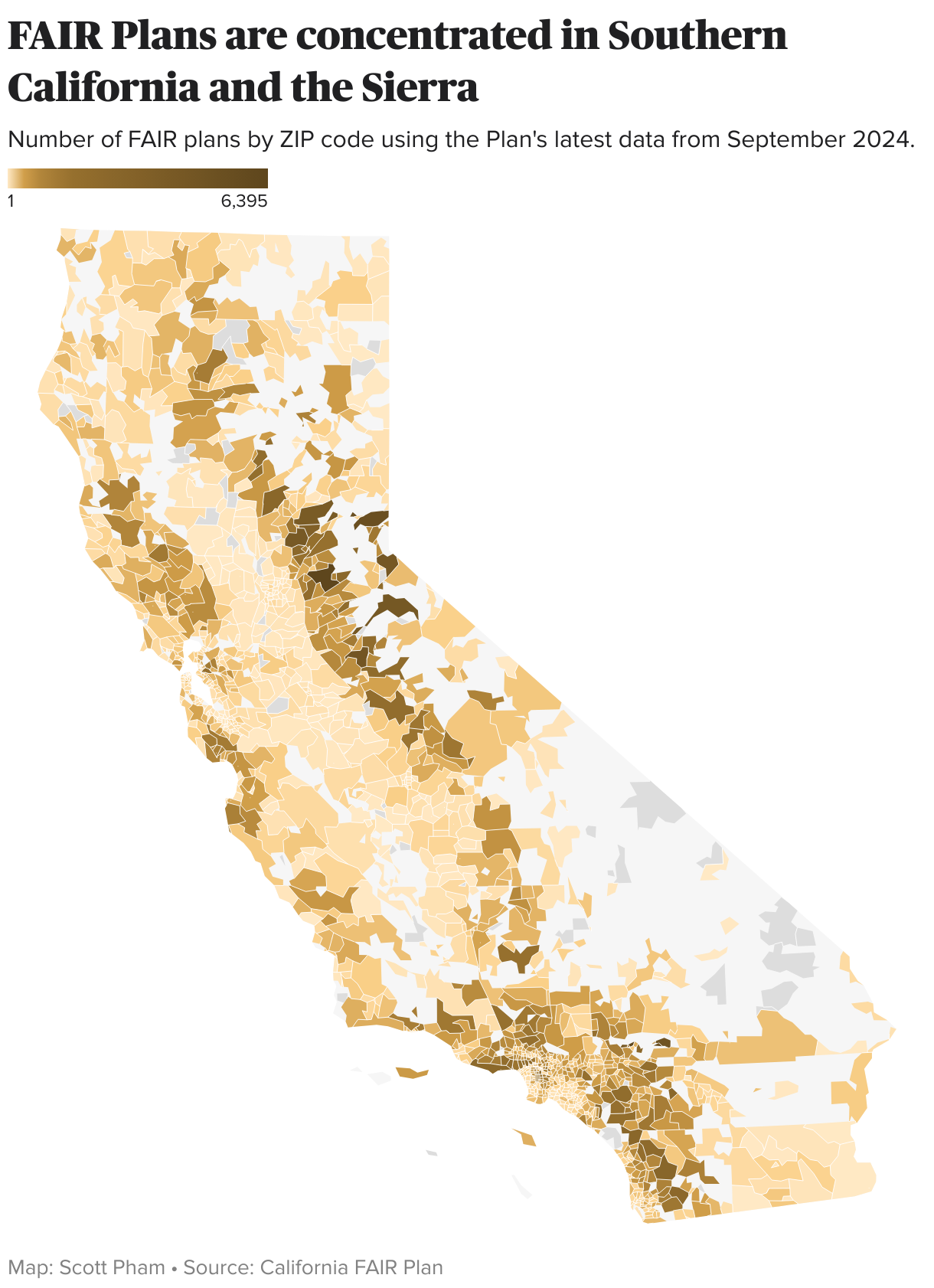
The California FAIR Plan is worth it primarily because, for many homeowners in high-risk wildfire areas, it is the only option remaining to secure a mortgage and protect their property. While more expensive and limited in scope than standard policies, it provides essential fire coverage when private insurers refuse to issue a policy.
Contents
For homeowners navigating the volatile 2026 insurance market, the question of "worth" often shifts from a choice of preference to a necessity of financial survival. As major carriers have restricted new business or exited the state entirely, the California FAIR Plan (Fair Access to Insurance Requirements) has transitioned from a niche "insurer of last resort" to a foundational element of the state's real estate economy. To determine if it is the right choice for your situation, you must understand its structural limitations, the required supplemental coverages, and the specific triggers that make it a viable financial safeguard.
Understanding the California FAIR Plan in 2026
The California FAIR Plan is not a state agency, nor is it funded by taxpayers. It is a private association comprised of all insurers licensed to write property insurance in California. By law, every insurer must participate in the FAIR Plan to do business in the state, sharing in its profits and losses.
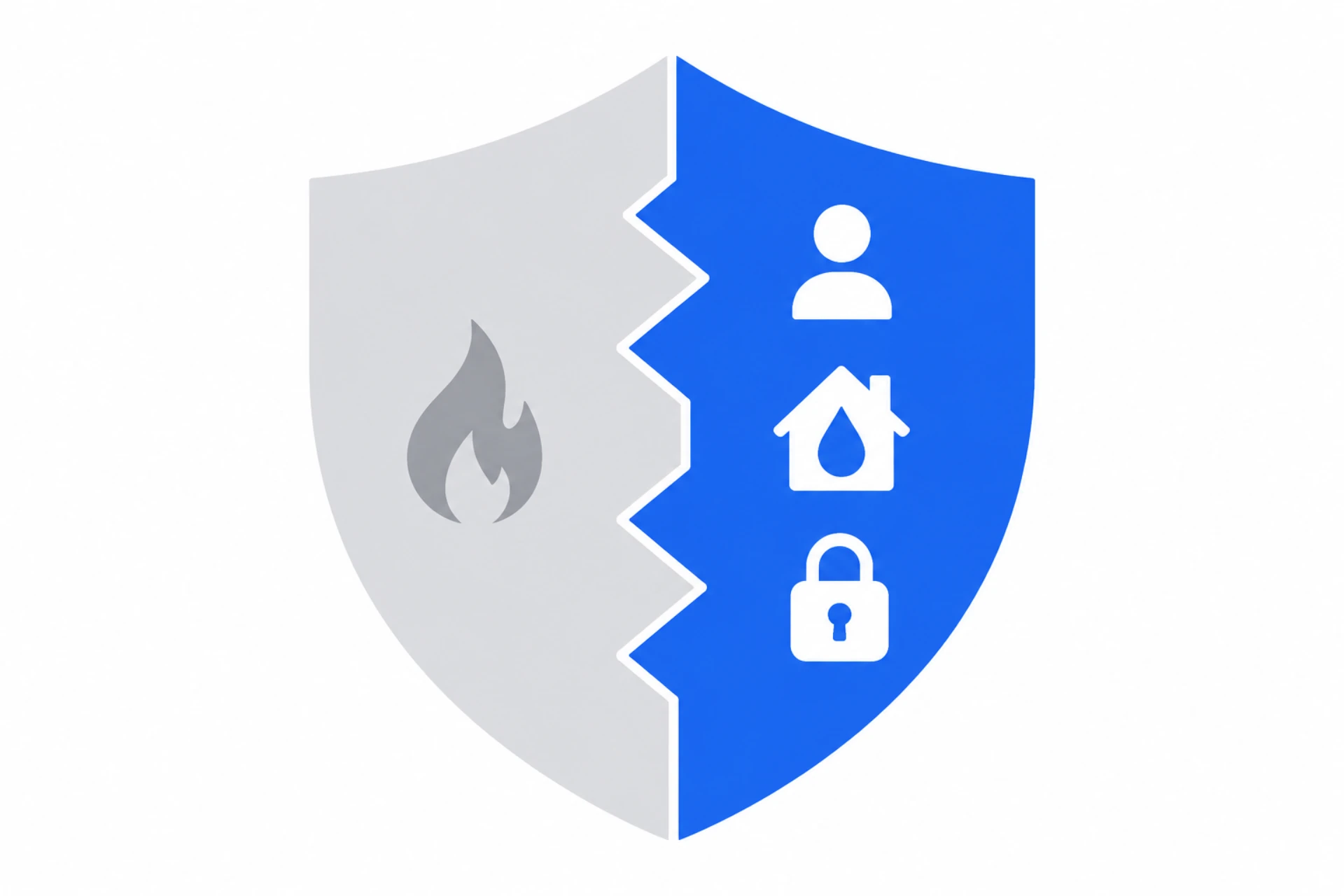
In 2026, the FAIR Plan serves as a safety net for those who have received non-renewal notices or have been denied coverage by at least three private carriers. It is designed to provide basic property insurance to individuals who are otherwise unable to find it in the voluntary market. However, the "basic" nature of this coverage is the most important factor to consider when evaluating its value. Unlike a standard HO-3 homeowners policy, which covers a broad range of perils including theft, liability, and water damage, the FAIR Plan is a named peril policy primarily focused on fire, lightning, smoke, and internal explosion.
The Financial Reality: Why "Worth" is Relative
When assessing whether the FAIR Plan is worth the premium, homeowners must compare it against the alternative: force-placed insurance. If you have a mortgage, your lender requires continuous insurance coverage. If your policy is canceled and you fail to secure a replacement, the lender will purchase a policy on your behalf. Force-placed insurance is notoriously expensive—often double or triple the cost of a FAIR Plan policy—and typically offers zero protection for your personal belongings or liability.
In this context, the FAIR Plan is highly "worth it" because it satisfies lender requirements at a lower cost than force-placed options, while providing actual protection for the structure of the home. However, because the FAIR Plan only covers fire-related damages, it is rarely a standalone solution. To achieve coverage parity with a standard homeowners policy, you must also purchase a Difference in Conditions (DIC) policy, which adds back the "missing" coverages like liability and theft.
Coverage Limitations and the "Fire Only" Constraint
The primary drawback of the California FAIR Plan is its narrow scope. If a pipe bursts and floods your kitchen, or if a guest slips on your driveway and sues you, the FAIR Plan provides zero financial protection. This gap is the most significant "cost" of the plan that isn't reflected in the premium price.
What the FAIR Plan Covers:
- Fire and Lightning: The core protection for homes in high-risk zones.
- Internal Explosion: Damage resulting from explosions within the home.
- Smoke: Damage caused by smoke from a fire.
- Extended Coverage (Optional): Many homeowners add endorsements for windstorm, hail, riot, civil commotion, and aircraft/vehicle damage.
What the FAIR Plan Excludes:
- Liability Insurance: Protection if you are sued for injuries or property damage to others.
- Theft and Vandalism: Loss of personal property due to burglary or intentional damage.
- Water Damage: Sudden and accidental discharge of water (plumbing failures).
- Falling Objects: Damage from trees (unless caused by a fire).
Comparing the FAIR Plan to Standard Homeowners Insurance
To visualize the difference in value, the following table compares the 2026 features of a standard private market policy (HO-3) against the California FAIR Plan combined with a DIC policy.
| Feature | Standard Private Policy (HO-3) | California FAIR Plan + DIC Policy |
|---|---|---|
| Availability | Restricted; difficult in "Tier 1" fire zones | Available to all who cannot find private insurance |
| Primary Perils | All-risk (unless excluded) | Named Peril (Fire, Smoke, Lightning) |
| Liability Coverage | Included (typically $100k - $500k) | Provided by the DIC policy, not the FAIR Plan |
| Theft/Vandalism | Included | Provided by the DIC policy |
| Typical Cost | Moderate (if available) | High (Two separate premiums) |
| Ease of Management | Single policy, one bill | Two policies, two carriers, two bills |
| Lender Acceptance | Universally accepted | Accepted when paired with fire coverage |
The Role of Difference in Conditions (DIC) Policies
Because the FAIR Plan is essentially "half a policy," the DIC policy is the other half. Several private insurers in 2026 specifically offer DIC policies designed to wrap around the FAIR Plan. This combination effectively recreates the coverage of a standard HO-3 policy.
Is the combination worth it? Financially, this "layered" approach is almost always more expensive than a single policy from a carrier like State Farm or Farmers. However, in most wildfire-prone regions of California, those carriers are no longer accepting new applications. Therefore, the "worth" of the FAIR Plan + DIC combination lies in its availability. It allows you to maintain the same level of protection you previously had, even if the state's insurance crisis has pushed you out of the traditional market.
Eligibility and the Application Process
You cannot simply choose the FAIR Plan because you want to save money; in fact, you will rarely save money using it. To be eligible, you must generally demonstrate that you have made a "diligent effort" to obtain insurance in the voluntary market and were unable to do so.
- Non-Renewal or Rejection: You must have received a non-renewal notice from your current carrier or been denied coverage by at least three traditional insurers.
- Home Hardening: While the FAIR Plan must accept most properties, premiums are heavily influenced by "home hardening" efforts. In 2026, the FAIR Plan offers tiered discounts for homeowners who meet specific Wildfire Prepared Home standards, such as installing ember-resistant vents and maintaining a 5-foot non-combustible zone around the structure.
- The Application: Most homeowners work with a licensed broker to apply. The broker will submit photos and property details to the FAIR Plan. Because the FAIR Plan is currently processing record volumes of applications, waiting periods can be several weeks, making early application critical during a home purchase or before an existing policy expires.
Cost Considerations: Premiums and Surcharges
FAIR Plan premiums are actuarially determined based on the risk of the specific location. In 2026, these rates have seen upward pressure due to the increased frequency of catastrophic fires and the rising cost of reinsurance.
Furthermore, the FAIR Plan is legally allowed to apply a clearinghouse surcharge or an assessment if its reserves are depleted by a massive wildfire event. While this hasn't happened frequently, it remains a theoretical financial risk for policyholders. When calculating if the plan is worth it, you must factor in:
- The FAIR Plan premium (often 1.5x to 3x higher than previous standard rates).
- The DIC policy premium (usually $500 to $1,500 annually).
- The potential for annual rate hikes as the state re-evaluates wildfire maps.
Practical Recommendations for 2026 Homeowners
If you are currently facing a non-renewal or are looking to buy a home in a high-risk area, follow these steps to maximize the "worth" of your insurance strategy:
- Exhaust the Private Market First: Use an independent agent who has access to "surplus lines" carriers. Sometimes, a surplus lines policy (which is less regulated) might be cheaper than the FAIR Plan + DIC combination.
- Invest in Mitigation: Before applying, clear brush and debris. The FAIR Plan’s 2026 rate structure provides significant credits for homes that meet "Defensible Space" requirements. These credits can sometimes offset the higher base premium.
- Bundle the DIC: Some agents can bundle a FAIR Plan application with a companion DIC policy from the same brokerage, simplifying the claims process if a loss occurs that spans both policies.
- Monitor the Market: The FAIR Plan is intended to be temporary. If your area undergoes significant fuel reduction projects or if new legislation stabilizes the insurance market, traditional insurers may return. Review your options every year at renewal.
FAQ
Can I get the FAIR Plan if I just want a cheaper rate?No. The FAIR Plan is typically more expensive than traditional insurance. It is designed for those who cannot find coverage elsewhere. Furthermore, you usually must show proof of rejection from other carriers to qualify.
Does the FAIR Plan cover earthquake or flood damage?No. Like most homeowners policies, the FAIR Plan excludes earthquakes and floods. Earthquake coverage must be purchased through the California Earthquake Authority (CEA) or a private provider, and flood insurance must be obtained through the NFIP or private flood market.
Is my personal property covered by the FAIR Plan?Yes, but only for the specific perils listed in the policy (fire, lightning, smoke, etc.). It does not cover your belongings against theft or water damage unless you have a supplemental DIC policy.
What happens if the FAIR Plan goes bankrupt?The FAIR Plan is backed by all insurance companies doing business in California. If the Plan runs out of funds after a major disaster, it can assess all member companies to cover the losses. These companies, in turn, may pass those costs on to all California policyholders via a surcharge.
Is a DIC policy mandatory with the FAIR Plan?It is not legally mandatory, but it is highly recommended and often required by mortgage lenders. Without a DIC policy, you are exposed to massive financial risk from common incidents like pipe bursts, thefts, or personal liability lawsuits.
Final Decision: Is It Worth It?
The California FAIR Plan is "worth it" because it provides a bridge to property ownership and financial continuity in an era of climate-driven market instability. It is a vital tool that prevents property values from collapsing in high-risk zones by ensuring that homes remain mortgageable. While the coverage is narrow and the cost is high, it serves as a reliable—if expensive—foundation upon which a complete insurance portfolio can be built using supplemental policies. For the California homeowner in 2026, it is less an elective "product" and more a necessary "utility" for protecting their most significant asset.
Image Gallery