The Debbie Allen Biography: A Legacy of Dance, Direction, and Cultural Impact
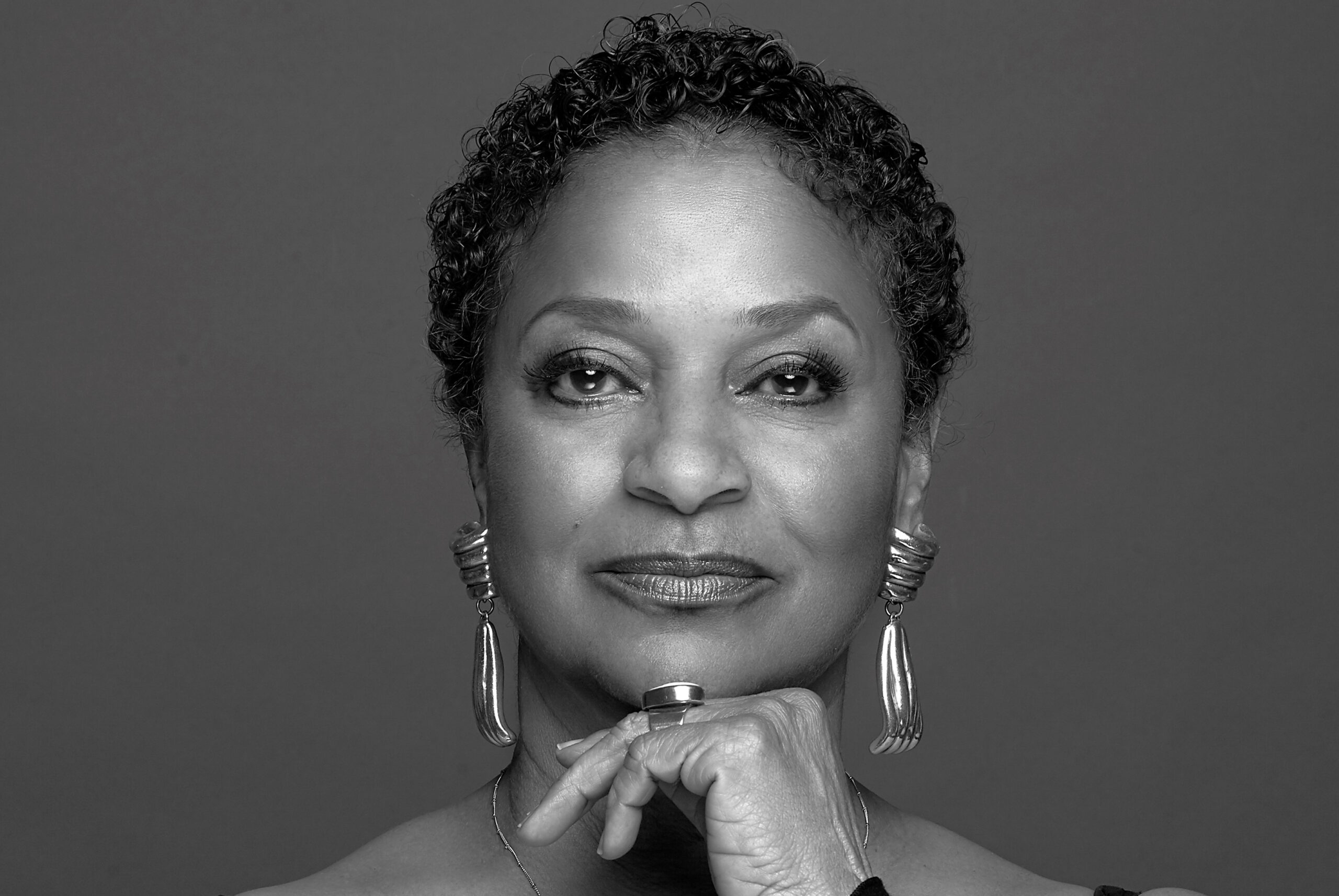
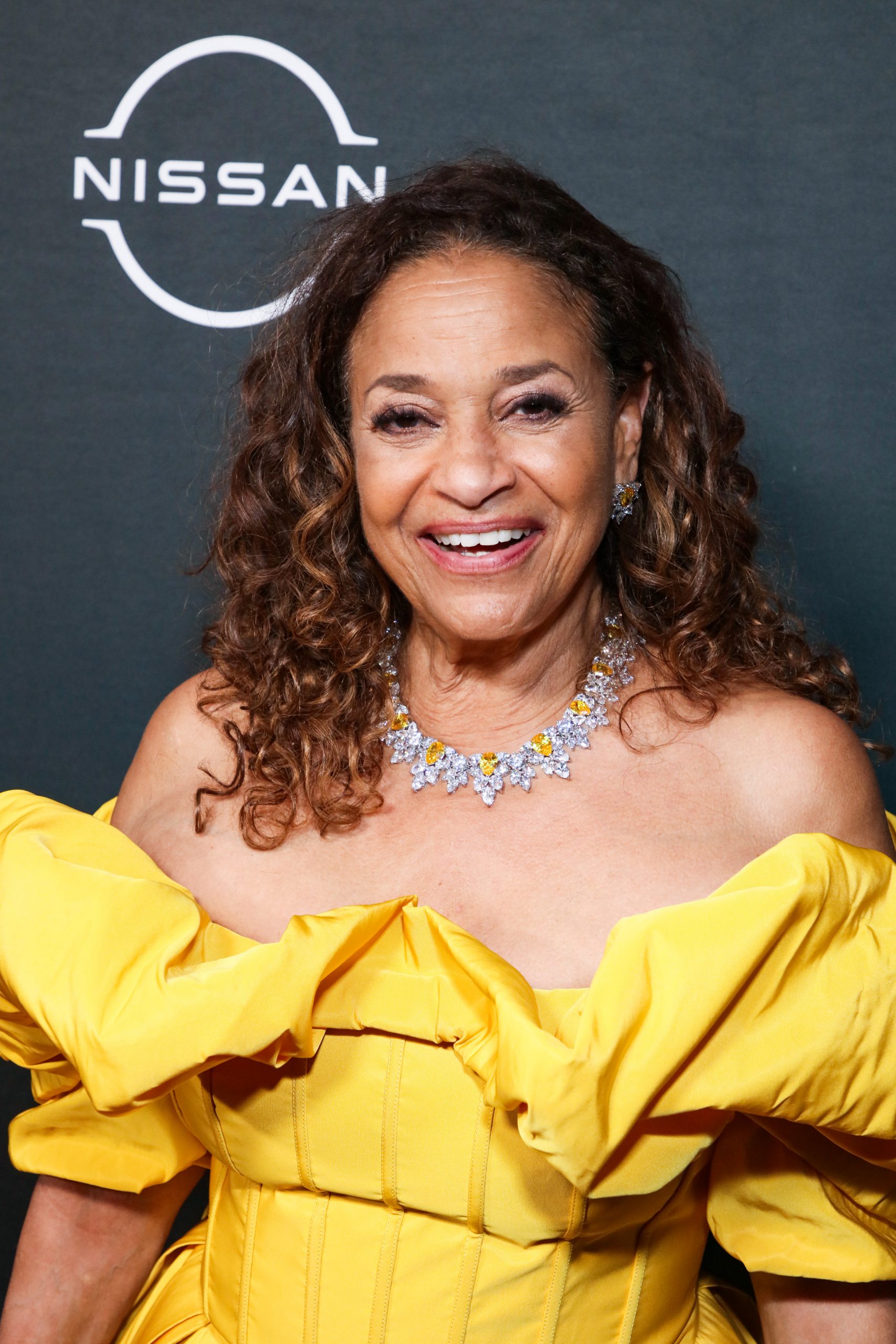
Debbie Allen is a seminal figure in American entertainment, serving as a dancer, choreographer, director, producer, and educator for over five decades. Best known for her transformative role in the series Fame, her extensive directoria...
Debbie Allen is a seminal figure in American entertainment, serving as a dancer, choreographer, director, producer, and educator for over five decades. Best known for her transformative role in the series Fame, her extensive directorial work on Grey’s Anatomy, and founding the Debbie Allen Dance Academy, she remains a powerhouse of creative leadership in 2026.
Contents
Early Life and the Foundation of Resilience
Born Deborah Kaye Allen on January 16, 1950, in Houston, Texas, Allen was raised in a household that prioritized intellectual and artistic achievement. Her mother, Vivian Allen, was a Pulitzer Prize-nominated poet, and her father, Andrew Arthur Allen, was a dentist. This environment fostered a sense of excellence that would define her career. However, Allen’s journey was significantly shaped by the systemic racism of the Jim Davis era. At age 12, she auditioned for the Houston Foundation for Ballet, only to be denied entry based on the color of her skin.
Undeterred, her family moved to Mexico City for nearly two years to escape the restrictive racial climate of the American South. This period was pivotal; it provided Allen with a global perspective and allowed her to continue her training without the immediate weight of U.S. segregation. Upon her return to the United States, she eventually earned a full scholarship to the Houston Foundation for Ballet—the same institution that had previously rejected her—after a private instructor recognized her undeniable talent.
Allen’s formal education continued at Howard University, where she graduated cum laude with a degree in Greek Classics, Literature, and Theater. Her time at Howard, a premier Historically Black University (HBCU), solidified her commitment to Black excellence and representation, a theme that would resonate through her directorial work in the decades to follow.
The Broadway Breakthrough and "Fame"
Debbie Allen’s professional ascent began on the Broadway stage. She earned a Tony Award nomination for her role as Anita in the 1980 revival of West Side Story. Her performance was hailed for its athletic precision and emotional depth, establishing her as a formidable triple threat. However, it was her transition to the screen that transformed her into a household name.
In the 1980 film Fame, Allen played the role of Lydia Grant, a dance teacher at the High School of Music & Art. While the film role was relatively small, her performance was so impactful that she was cast as a lead and the primary choreographer for the subsequent 1982 television series. It was here that she delivered the iconic line that defined a generation: "You want fame? Well, fame costs. And right here is where you start paying... in sweat."
As the series' lead choreographer, Allen revolutionized how dance was filmed for television. She moved away from static shots, choosing instead to use dynamic camera movements that mimicked the energy of the performers. Her work on Fame earned her three Emmy Awards for Outstanding Choreography, making her the first African American woman to win in that category. This period established her not just as a performer, but as a creative visionary capable of managing large-scale productions.
Transitioning to Direction and Producing
By the late 1980s, Allen shifted her focus toward directing and producing, roles where she could exert greater influence over narrative and representation. She took the helm of the NBC sitcom A Different World (a spin-off of The Cosby Show) in its second season. Under her guidance as producer and director, the show transformed from a standard sitcom into a culturally significant exploration of life at a fictional HBCU, Hillman College.
Allen utilized the platform to address pressing social issues, including:
- The HIV/AIDS epidemic.
- The Apartheid movement in South Africa.
- The realities of date rape and domestic violence.
- The historical significance of the Tuskegee Airmen.
Her directorial style was characterized by efficiency and a deep empathy for the actors. This reputation led her to become one of the most sought-after directors in Hollywood. She eventually directed episodes of The Fresh Prince of Bel-Air, Girlfriends, and Empire. However, her most enduring directorial relationship began in the mid-2000s with the medical drama Grey’s Anatomy.
The Shondaland Era and Grey’s Anatomy
In 2026, Debbie Allen’s influence on the landscape of television drama remains undeniable, largely due to her dual role in the "Shondaland" ecosystem. Joining Grey’s Anatomy in its eighth season as a director, she eventually rose to become an executive producer and a recurring cast member, playing the formidable Catherine Fox (formerly Catherine Avery).
Allen’s role on Grey’s Anatomy was not merely administrative. She was instrumental in diversifying the director’s chair, actively recruiting women and people of color to lead episodes. Her leadership helped the show maintain its cultural relevance for over two decades. She balanced the high-pressure environment of a long-running procedural with a commitment to mentorship, often allowing young filmmakers to shadow her on set.
The Debbie Allen Dance Academy (DADA)
In 2001, Allen returned to her first love: dance education. Along with her husband, former NBA star Norm Nixon, she founded the Debbie Allen Dance Academy (DADA) in Los Angeles. The academy was born out of a desire to provide world-class dance training to students of all backgrounds, regardless of their financial status.
DADA offers a rigorous curriculum including ballet, modern, jazz, hip-hop, and African dance. It has become an institution of cultural preservation, most notably through its annual production of The Hot Chocolate Nutcracker. This reimagining of the classic ballet incorporates diverse musical styles and cultural narratives, providing a platform for hundreds of young dancers.
As of 2026, DADA continues to expand its reach through digital intensives and community outreach programs. Allen’s philosophy at the academy mirrors her own career: technical discipline is the prerequisite for creative freedom.
| Career Facet | Primary Focus | Key Achievement | Cultural Impact |
|---|---|---|---|
| Performance | Broadway & Television | Fame, West Side Story | Redefined the "triple threat" for Black women. |
| Choreography | Staging & Movement | 3 Emmy Wins, 10 Academy Awards shows | Modernized dance cinematography on television. |
| Direction | Narrative & Pacing | A Different World, Grey's Anatomy | Elevated HBCU visibility and stabilized long-running dramas. |
| Education | Mentorship | Founded DADA (2001) | Created a pipeline for diverse talent in the arts. |
Awards and Enduring Recognition
The depth of the Debbie Allen biography is best reflected in her decorated awards shelf. While she has yet to achieve the "EGOT" (Emmy, Grammy, Oscar, Tony) status, she is remarkably close, lacking only the Grammy and the Oscar (though she has received an honorary Academy Award).
Key accolades include:
- Five Emmy Awards: Recognizing her work in choreography and television production.
- Golden Globe Award: Best Actress in a Television Series – Comedy or Musical for Fame.
- Tony Award Nominations: For West Side Story and Sweet Charity.
- Kennedy Center Honors (2020/2021): For her lifetime contributions to American culture.
- Governors Award (2021): An Emmy honor for her significant impact on the television medium.
In 2026, Allen is viewed not just as an artist, but as a cultural diplomat. Her ability to navigate the shifting sands of Hollywood while maintaining a non-profit dance academy speaks to a unique blend of creative fire and business acumen.
Frequently Asked Questions
What is Debbie Allen’s most famous role?
While she has had many roles, she is most frequently associated with the character Lydia Grant in both the film and television versions of Fame. Her portrayal of the tough but inspiring dance teacher became a blueprint for performing arts educators globally.
Does Debbie Allen still direct Grey’s Anatomy?
As of 2026, Debbie Allen remains an Executive Producer and a frequent director for Grey’s Anatomy. She also continues her on-screen role as Catherine Fox, overseeing the fictional Grey Sloan Memorial Hospital’s parent foundation.
Is Debbie Allen related to Phylicia Rashad?
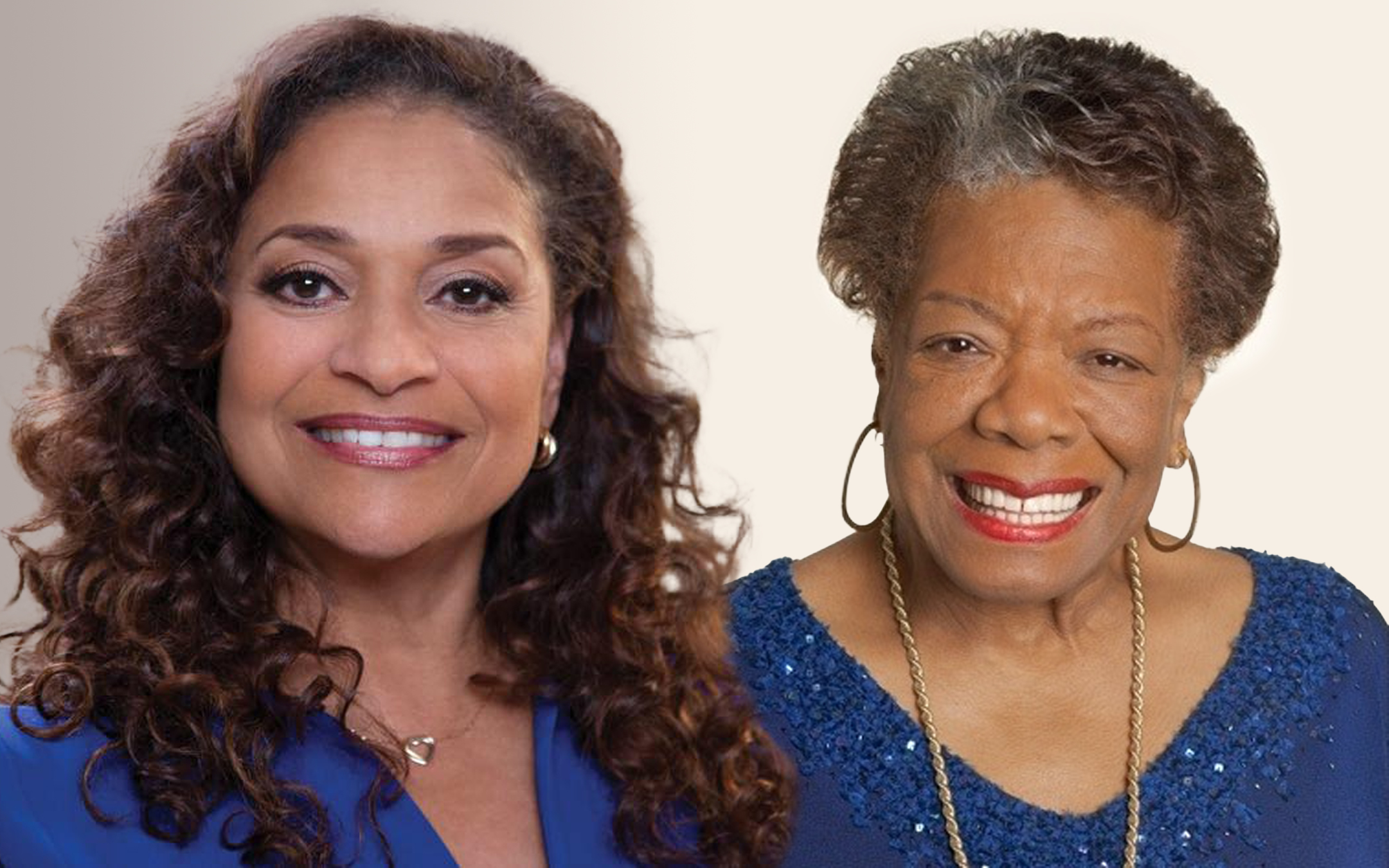
Yes, Debbie Allen is the younger sister of actress Phylicia Rashad, famous for her role as Clair Huxtable on The Cosby Show. The two sisters have collaborated on numerous projects and are considered one of the most influential families in American theater and television history.
What is the Debbie Allen Dance Academy?
The Debbie Allen Dance Academy (DADA) is a non-profit organization located in Los Angeles. It provides comprehensive dance instruction to youth and adults. It is particularly noted for its scholarship programs which ensure that low-income students have access to elite-level training.
How many Emmys has Debbie Allen won?
Debbie Allen has won five Emmy Awards. Her wins span multiple decades and categories, including Outstanding Choreography and the prestigious Governors Award for her career-long contributions to the television industry.
Practical Next Actions for Aspiring Artists
For those inspired by the Debbie Allen biography, her career offers several actionable lessons. First, diversification is key; Allen’s longevity is a direct result of her ability to move from performing to directing and producing. Second, invest in education. Whether through formal institutions like Howard University or specialized academies like DADA, Allen has always prioritized technical mastery.
If you are interested in supporting the arts or pursuing a career in dance, consider visiting the Debbie Allen Dance Academy official website to learn about their seasonal intensives and community performances. Furthermore, archival recordings of her work, particularly her choreography for the Academy Awards (available through the Academy of Motion Picture Arts and Sciences), serve as a masterclass in large-scale event production.
Image Gallery