Understanding Life Insurance for Life Swan Crossing in 2026
Life insurance for Life Swan Crossing refers to the specialized suite of protection and wealth-transfer products provided by Swan Life, particularly those tailored for individuals navigating major life transitions—or "crossings"—such a...
Life insurance for Life Swan Crossing refers to the specialized suite of protection and wealth-transfer products provided by Swan Life, particularly those tailored for individuals navigating major life transitions—or "crossings"—such as retirement, estate distribution, or multi-generational legacy planning. In 2026, these policies prioritize digital-first management, flexible premium structures, and integrated investment components designed to hedge against modern inflationary pressures.
Contents
Defining the Context of Life Swan Crossing
The term "Life Swan Crossing" encapsulates the intersection of life-stage transitions and the comprehensive insurance solutions offered by the Swan Group, a dominant financial entity known for its robust presence in the Indian Ocean region and international markets. For policyholders in 2026, "crossing" represents more than just a chronological milestone; it signifies the movement from wealth accumulation to wealth preservation and eventual distribution.
Understanding this specific niche requires a look at how life insurance has evolved from a simple death benefit into a sophisticated financial instrument. In the current 2026 fiscal landscape, life insurance is no longer viewed as a "set and forget" contract. Instead, for those associated with the Life Swan Crossing framework, it is a dynamic asset. These policies are designed to provide liquidity at the exact moment of a "crossing"—whether that is a transition into a high-care retirement facility, the hand-off of a family business, or the settlement of complex estate taxes.
The "Swan" element denotes a commitment to stability and grace under pressure, mirroring the actuarial reliability of the Swan Life brand. In 2026, this entails using advanced predictive modeling to offer premiums that reflect real-time health data, often integrated via wearable technology and digital health records, ensuring that the "crossing" into older age is financially supported by accurately priced risk.
Core Types of Life Insurance Policies in 2026
Navigating the Life Swan Crossing requires a granular understanding of the policy structures available. As of 2026, the market has bifurcated into highly specialized categories that serve different ends of the risk-reward spectrum.
Whole Life and Permanent Protection
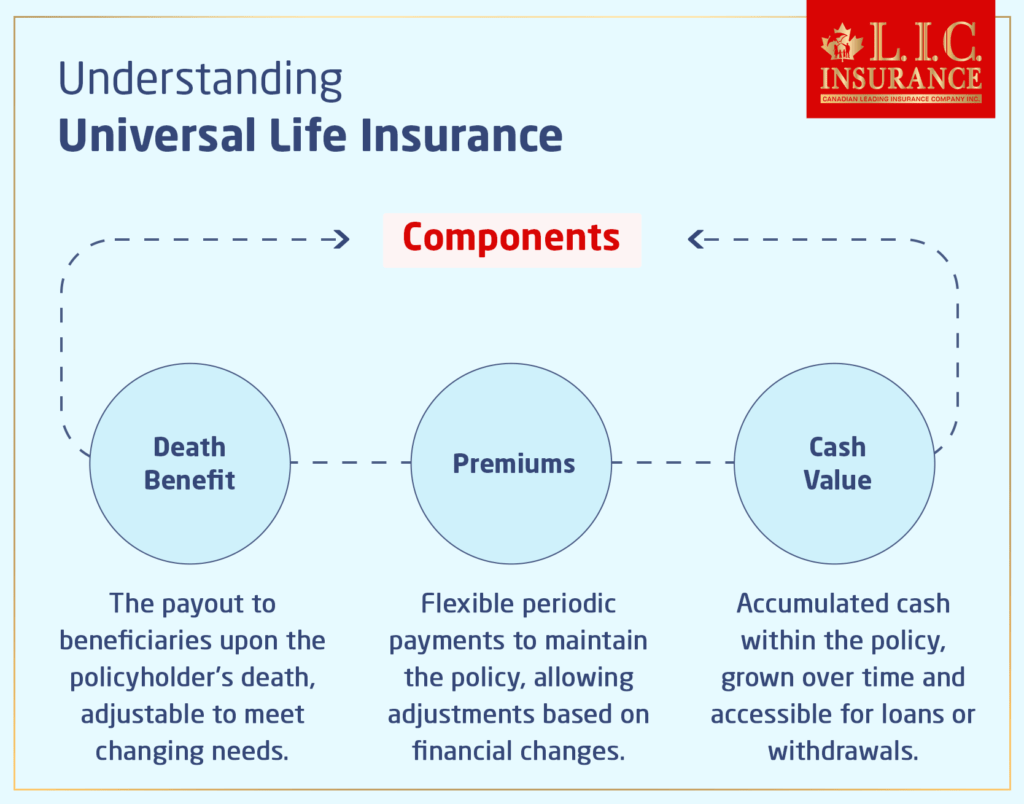
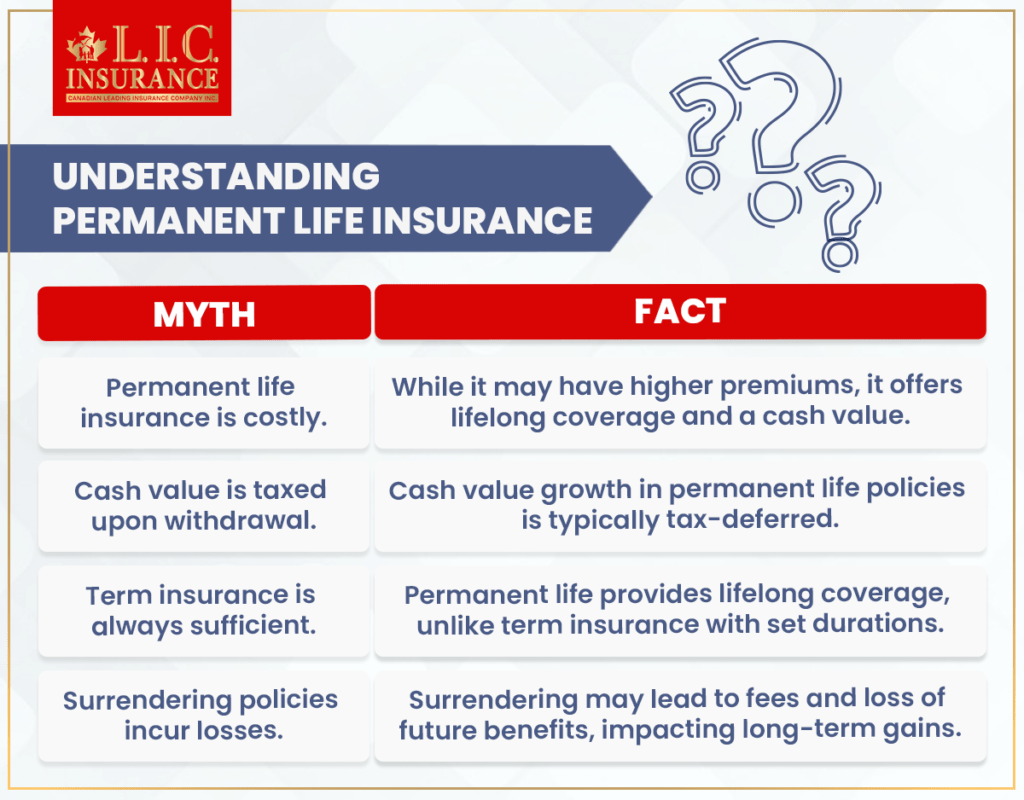
Whole life insurance remains a cornerstone of the Life Swan Crossing strategy. These policies offer a guaranteed death benefit and a cash-value component that grows over time. In 2026, Swan’s whole life products have been refined to include "participating" options, where policyholders receive dividends based on the company’s financial performance. This is particularly valuable for long-term "crossings," where the goal is to leave a tax-efficient inheritance. The cash value can also be accessed via policy loans, providing a secondary source of liquidity during the policyholder's lifetime.
Term Life for Specific Milestones
Term insurance is often utilized for the "intermediate crossings"—the periods of high financial vulnerability, such as the duration of a mortgage or the years children are in university. In 2026, term policies have become increasingly flexible. "Convertible term" options allow individuals to start with affordable protection and transition into permanent coverage as their financial capacity increases, without the need for a new medical examination. This is a critical feature for young professionals who are just beginning their "crossing" into significant asset ownership.
Endowment and Linked Plans
Endowment plans are perhaps the most synonymous with the "Life Swan" philosophy of disciplined saving. These plans pay out a lump sum after a specific term or upon the death of the policyholder. In the 2026 environment, Unit-Linked Insurance Plans (ULIPs) under the Swan umbrella allow for participation in equity markets while maintaining a life cover shell. This dual-purpose approach is designed for those whose "crossing" involves reaching a specific financial target, such as a retirement fund or a legacy gift for a charitable organization.
Eligibility, Requirements, and Underwriting
Entering into a Life Swan Crossing policy in 2026 involves a streamlined but rigorous underwriting process. The shift toward "Precision Underwriting" means that requirements are more personalized than in previous decades.
Medical and Health Assessment
While traditional medical exams (blood tests, physicals) are still required for high-value policies, 2026 has seen an increase in "accelerated underwriting." For many applicants, particularly those under age 50, Swan Life utilizes historical health data and digital wellness footprints to bypass the need for invasive exams. However, for those at the "crossing" of senior age, detailed medical histories remain mandatory to ensure the sustainability of the insurance pool.
Financial Justification
For substantial death benefits—often seen in estate planning for high-net-worth individuals—financial underwriting is paramount. Applicants must demonstrate the economic loss that would occur upon their passing. This involves disclosing assets, liabilities, and business valuations. This ensures that the insurance "crossing" is a tool for indemnity and legacy, rather than speculative gain.
Jurisdictional and Legal Compliance
Policyholders must adhere to the regulatory frameworks of their specific region, whether in Mauritius, parts of Africa, or through international brokerage. In 2026, "Know Your Customer" (KYC) and Anti-Money Laundering (AML) protocols are fully automated, requiring valid identification, proof of residence, and clear documentation of the source of funds for premium payments.
Comparative Analysis of 2026 Policy Frameworks
To choose the correct path for a life crossing, one must compare the mechanics of the primary products. The following table outlines the key differences in the 2026 product lineup.
| Feature | Term Life Insurance | Whole Life (Participating) | Unit-Linked (ULIP) |
|---|---|---|---|
| Primary Goal | Temporary Protection | Permanent Legacy & Cash Value | Market-Linked Growth |
| Duration | Fixed (10-30 years) | Lifetime | Flexible |
| Premium Cost | Lowest | High | Moderate to High |
| Cash Value | None | Guaranteed + Dividends | Market-Dependent |
| Flexibility | Low (Fixed Death Benefit) | Moderate (Loans/Withdrawals) | High (Fund Switching) |
| Best For | Debt protection/Young families | Estate planning/Wealth transfer | Active investors/Retirement |
The Mechanics of the "Crossing" Period
The actual "crossing" refers to the transition of the policy from an active payment phase to a payout or maturity phase. In 2026, managing this transition is handled through a digital ecosystem that allows for seamless beneficiary updates and settlement options.
Settlement Options
Upon reaching a milestone or the end of a term, policyholders have several choices:
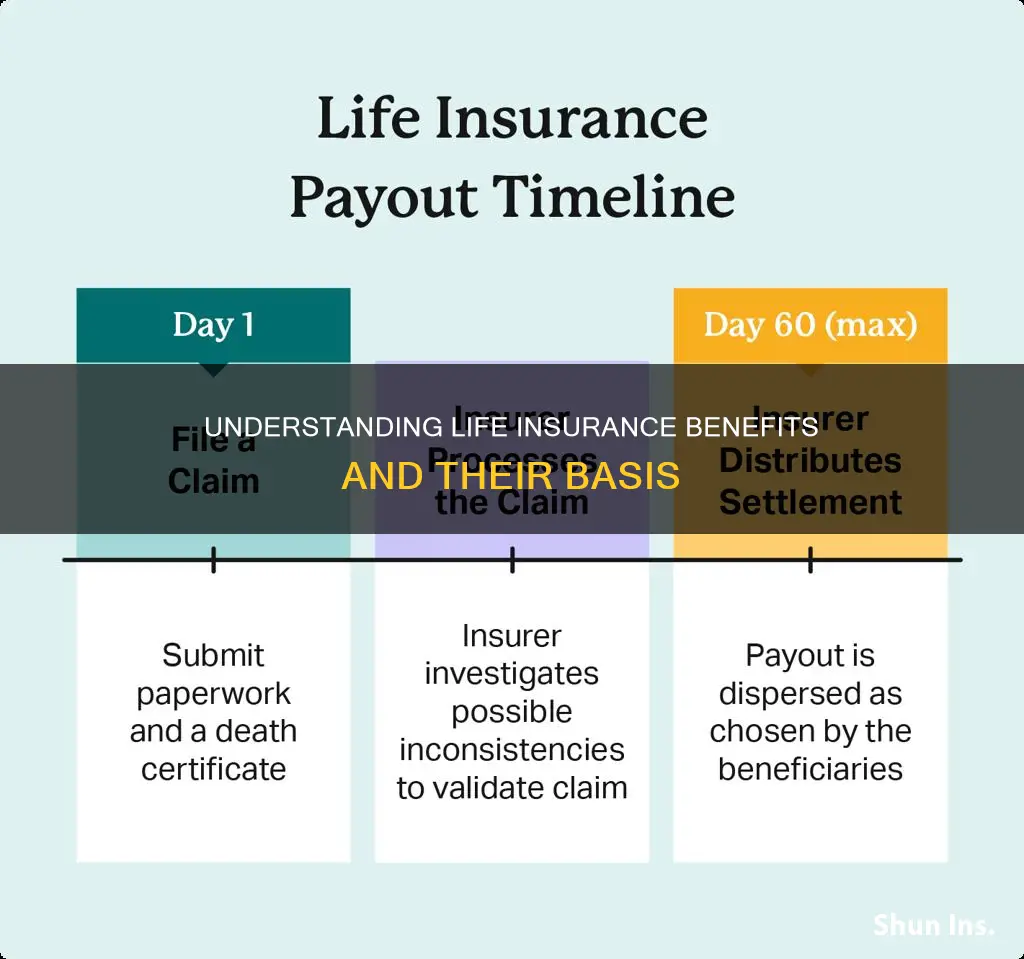
- Lump Sum Payout: The most common method, providing immediate liquidity for estate taxes or debt settlement.
- Annuity Conversion: Transitioning the death benefit or matured cash value into a steady stream of income, essentially funding a "retirement crossing."
- Retained Interest: Leaving the funds with the insurer to earn interest, with the principal passing to heirs later.
Digital Policy Management
In 2026, the Swan Life portal serves as the command center for the policy. Users can perform "stress tests" on their coverage, simulating how inflation or market volatility might affect their future payouts. This transparency is vital for ensuring that the "crossing" remains on track despite external economic shifts.
Common Pitfalls and Strategic Considerations
Even with a robust provider like Swan, certain mistakes can jeopardize the "crossing" transition.
- Underinsurance: Many individuals calculate their needs based on current expenses rather than future liabilities. In 2026, with rising healthcare costs, an insurance amount that seemed sufficient five years ago may now be inadequate.
- Lapsed Policies: The "crossing" is only successful if the policy is in force. 2026 policies often feature "automatic premium loans," where the cash value pays the premium if a payment is missed, but this can deplete the death benefit if not managed.
- Outdated Beneficiaries: Life transitions (divorce, birth, death) must be reflected in the policy. A "Swan Crossing" can become a legal nightmare if the beneficiary designations do not align with the current will or estate plan.
Professional Advice and Jurisdictional Limits
Life insurance is subject to the laws and tax regulations of the jurisdiction where the policy is issued. In 2026, international tax treaties (such as those involving the OECD's Common Reporting Standard) mean that the tax-free status of death benefits can vary significantly between countries.
It is highly recommended that individuals seeking a Life Swan Crossing solution consult with a certified financial planner or a licensed Swan advisor. This ensures that the policy structure complies with local inheritance laws—particularly important in jurisdictions with "forced heirship" rules. This article provides general information and does not constitute personalized legal or financial advice.
FAQs
What does "Life Swan Crossing" specifically mean in 2026?
It refers to the strategic use of Swan Life insurance products to manage major life transitions. Whether you are "crossing" from career to retirement or from one generation’s wealth to the next, it is the framework of financial protection and legacy planning provided by the insurer to ensure these movements are stable and funded.
Can I upgrade a term policy during my "life crossing"?
Yes, most Swan term policies in 2026 include a conversion rider. This allows you to switch to a permanent whole-life or universal-life policy without providing new evidence of insurability, provided the conversion happens before a specified age (usually 65 or 70).
How do dividends work in a participating life policy?
In a participating policy, you essentially share in the financial success of Swan Life. When the company’s investment returns exceed expectations or mortality rates are lower than projected, a portion of the profit is distributed to policyholders as dividends. These can be taken in cash, used to reduce premiums, or left to accumulate interest.
Are the payouts from these policies taxable?
In many jurisdictions, the death benefit paid to beneficiaries is tax-exempt. However, in 2026, the tax treatment of the "cash value" component—if withdrawn during your lifetime—depends on the "cost basis" of the policy. If you withdraw more than you paid in premiums, the excess may be subject to capital gains or income tax.
How has wearable technology changed Life Swan policies?
By 2026, many policies offer "dynamic pricing." By sharing data from smartwatches or health apps with the insurer, policyholders who maintain healthy lifestyles (consistent exercise, adequate sleep) can receive premium discounts or "wellness credits" that increase the policy's cash value.
Recommended Next Actions
To successfully navigate your Life Swan Crossing, begin by conducting a comprehensive needs analysis. Calculate your total liabilities—including mortgages, potential education costs for dependents, and estimated estate taxes—against your current liquid assets. Once the "protection gap" is identified, schedule a consultation with a Swan-authorized agent to review the 2026 product disclosures and determine which policy structure (Term, Whole, or Linked) aligns with your specific timeline for your next major life transition.
Image Gallery