Comprehensive Guide to Air Conditioner Repair in Miami
Air conditioner repair in Miami involves identifying and addressing cooling failures caused by extreme humidity, high temperatures, and salt-air corrosion. Property owners must prioritize professional diagnosis, refrigerant level check...
Air conditioner repair in Miami involves identifying and addressing cooling failures caused by extreme humidity, high temperatures, and salt-air corrosion. Property owners must prioritize professional diagnosis, refrigerant level checks, and electrical component maintenance to ensure system longevity. Engaging licensed technicians ensures compliance with local building codes and manufacturer warranty requirements for optimal cooling performance.
Contents
The Unique Challenges of HVAC Systems in South Florida
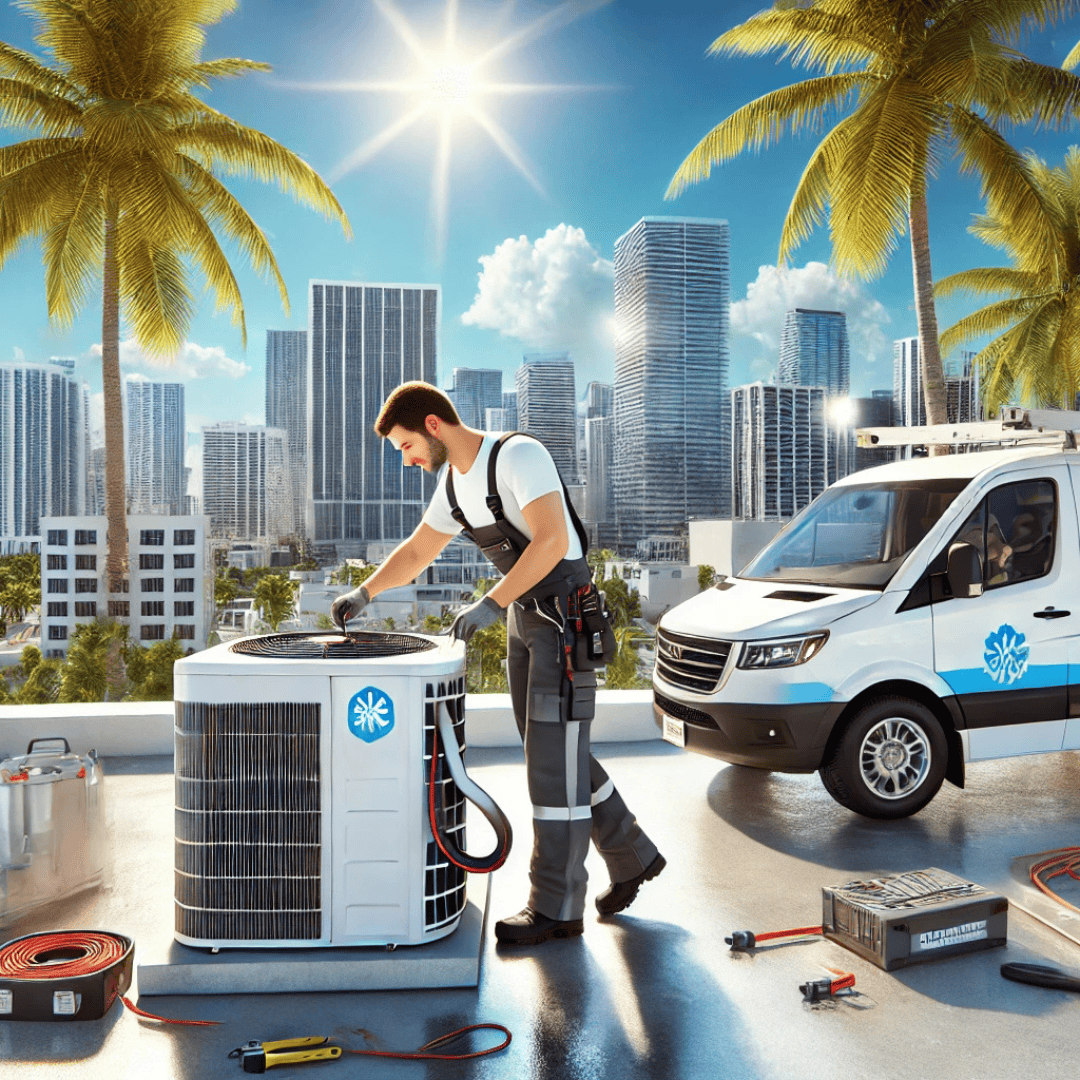
Miami’s climate is among the most demanding in the United States for HVAC (Heating, Ventilation, and Air Conditioning) equipment. The high humidity levels, coupled with year-round usage, cause systems to work harder than those in temperate regions. Furthermore, the prevalence of salt air along the coastline acts as a corrosive agent, significantly accelerating the oxidation of aluminum fins and copper coils on outdoor condenser units.
Because the systems rarely get a "break," mechanical wear occurs at a faster rate. Components such as capacitors, contactors, and fan motors are frequently under stress. Understanding these local environmental factors is the first step in effective maintenance and repair, as a standard "off-the-shelf" approach often fails to address the specific needs of a Miami-based air conditioner.
When to Seek Professional Repair
Identifying a cooling issue early can often be the difference between a simple, inexpensive part replacement and a catastrophic system failure requiring a full unit replacement.
Common Signs of System Distress
- Insufficient Cooling: If the air flowing from the registers is not significantly cooler than the ambient indoor temperature, the unit may be low on refrigerant, or the compressor may be struggling.
- Strange Noises: Grinding, squealing, or rattling sounds typically indicate failing fan motors, loose parts, or debris trapped inside the condenser unit.
- Water Leaks: Pooling water around the indoor air handler suggests a clogged condensate drain line—a common issue in Miami due to the high volume of moisture extracted from the air.
- Frequent Cycling: If the unit turns on and off rapidly (short-cycling), it may be suffering from an electrical fault, a dirty air filter, or an oversized unit installation.
- Unexpected Energy Spikes: A sudden increase in your monthly electricity bill is often a leading indicator that the system is overworking to maintain set temperatures.
Understanding the Repair Process
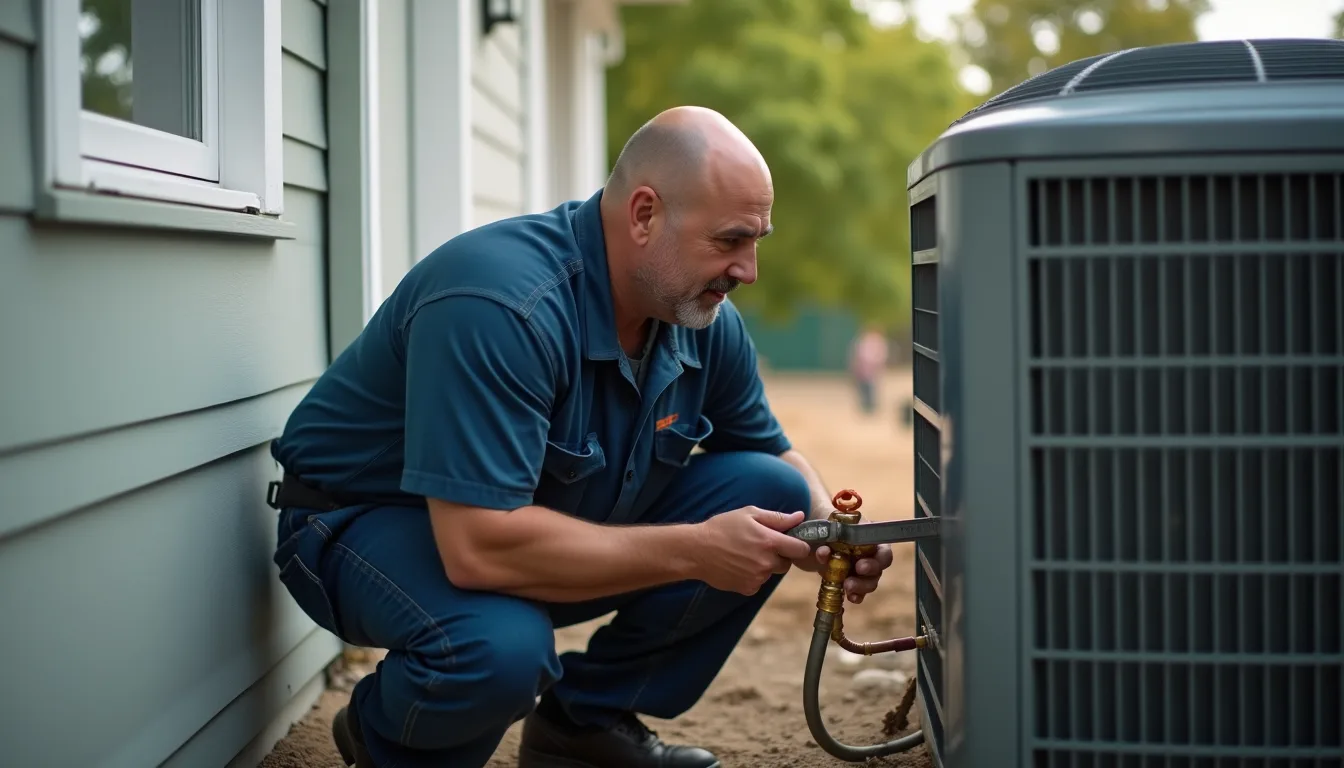
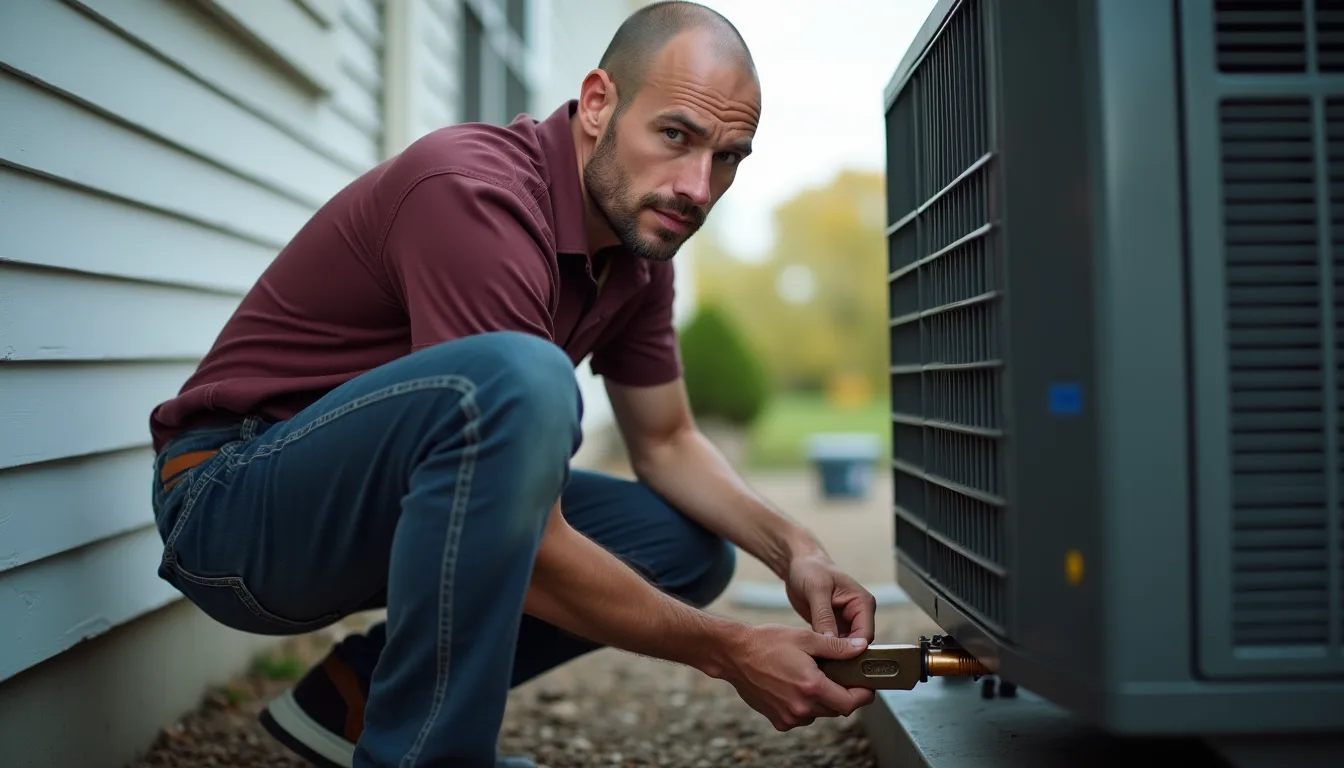
A professional repair process follows a structured path to ensure safety and precision. Homeowners should expect a technician to perform a multi-step evaluation rather than guessing the cause of the failure.
- Safety Disconnection: The technician will first isolate the power at the disconnect box to prevent electrical shock.
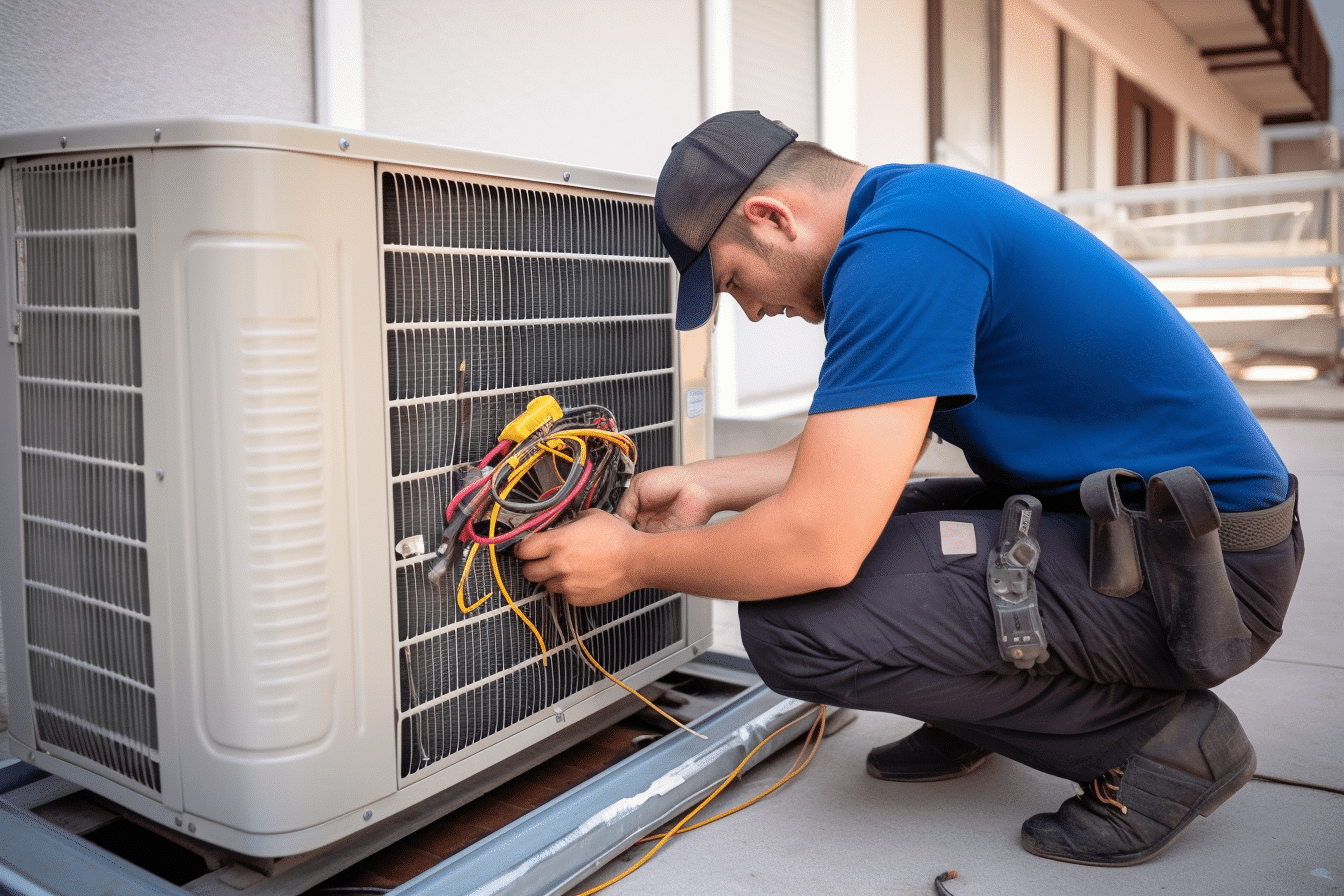
- Visual Inspection: Checking the blower wheel, evaporator coils, and wiring for signs of burnt insulation or corrosion.
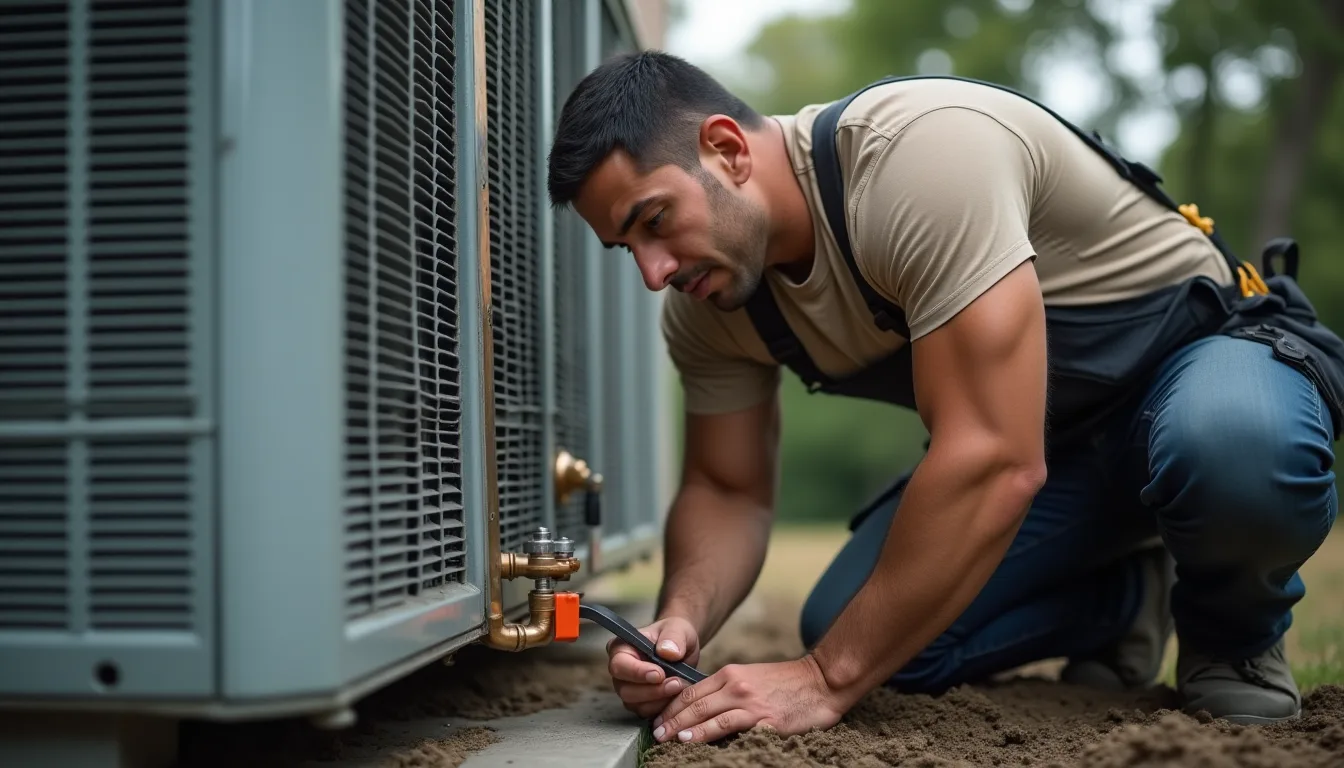
- Performance Testing: Using gauges to measure high-side and low-side pressures. This determines if there is a refrigerant leak or a mechanical restriction.
- Component Verification: Testing the electrical capacitors. In Miami’s heat, capacitors—the small cylinders that provide the "start" torque for motors—are the most common point of failure.
- System Calibration: Verifying that the thermostat signal corresponds correctly with the condenser and air handler response.
Comparison of Common Repair Scenarios
The table below outlines common repair types, their typical drivers, and the necessary urgency of the fix.
| Component | Common Issue | Urgency | Impact of Delay |
|---|---|---|---|
| Capacitor | System fails to start | High | Risk of compressor motor burnout |
| Condensate Line | Water leakage/clog | Medium | Potential water damage to property |
| Refrigerant | Low pressure/leak | High | Excessive energy consumption/coils freeze |
| Blower Motor | No airflow/Noise | High | Complete loss of cooling capability |
| Coils | Corroded/Dirty | Low | Reduced efficiency; increased utility costs |
The Role of Licensing and Regulation
In Miami-Dade County, HVAC contractors must hold a state-issued Class A or Class B Air Conditioning Contractor license. Before permitting a technician to open your unit, it is advisable to verify their credentials through the Florida Department of Business and Professional Regulation (DBPR).
Unlicensed work is not only a violation of local ordinances but also presents a significant safety risk. Improper handling of refrigerants, such as R-410A, is strictly regulated by the Environmental Protection Agency (EPA). Professionals are required to possess Section 608 certification to handle these substances legally. Attempting "DIY" repairs on pressurized systems can lead to severe injury or permanent damage to the expensive internal components of your HVAC unit.
Preventative Maintenance: The Best Repair is Avoidance
In the Miami climate, twice-annual maintenance is the industry standard. Because systems operate almost 365 days a year, the accumulation of dust, pollen, and salt creates a layer of "insulation" on the coils that prevents efficient heat exchange.
- Filter Changes: Replace filters every 30 to 60 days, depending on usage and indoor air quality needs.
- Drain Line Flushing: Keep the drain line clear of algae growth, which is rampant in humid tropical climates.
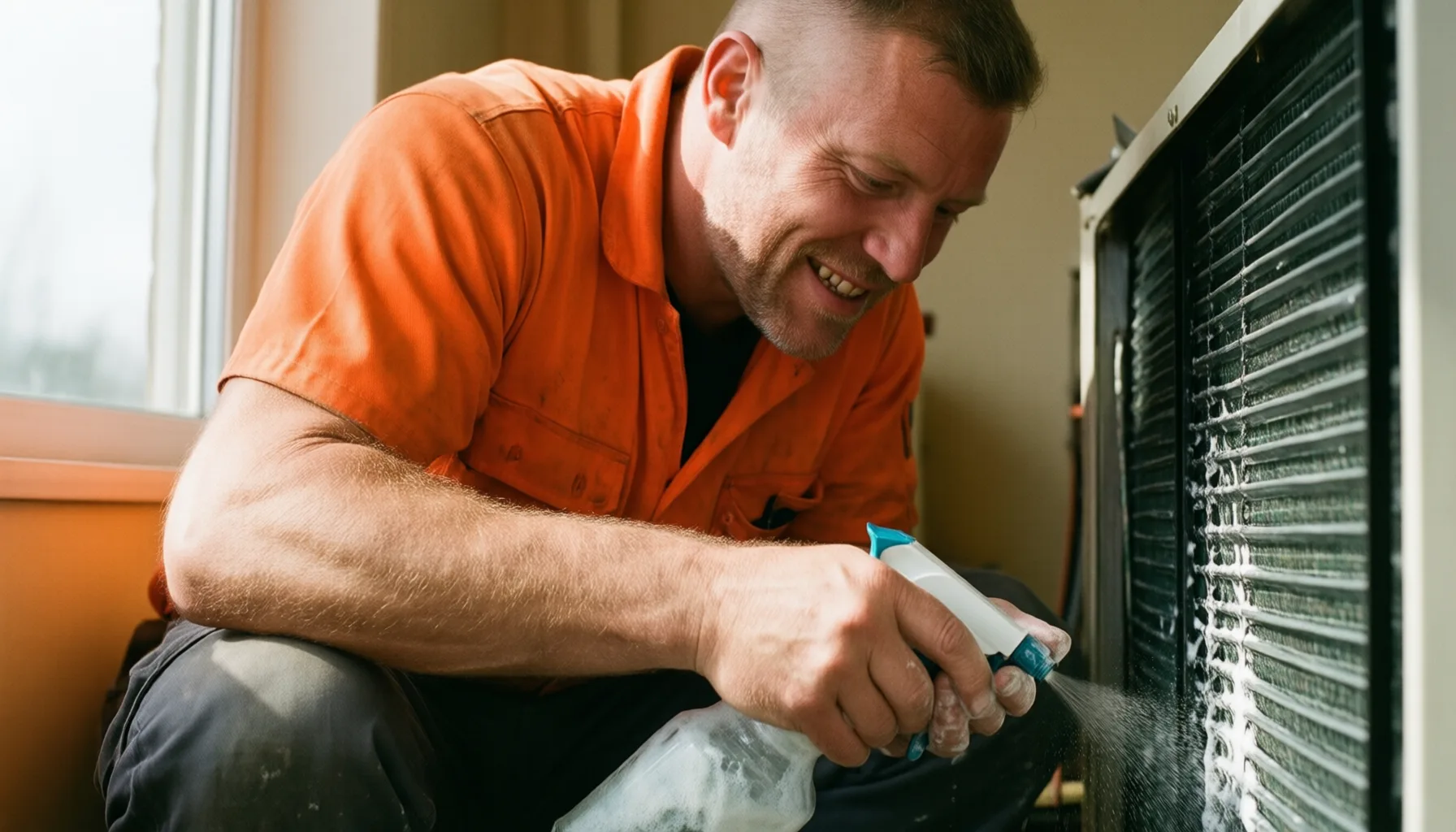
- Coil Cleaning: Utilize specialized, non-corrosive foaming cleaners to remove salt and debris buildup from the outdoor unit.
- Electrical Tightening: Ensure all wire connections are tight to prevent "arcing," which is a common cause of electrical fires in aging air conditioning systems.
Frequently Asked Questions
How often should I have my AC inspected in Miami?
You should have a professional tune-up performed at least twice a year. One visit should occur in the spring before the peak heat of summer, and a second in the late autumn to prepare the system for the winter and clean out the debris accumulated during the storm season.
Why does my AC unit freeze up in such a hot climate?
A frozen air conditioner is almost always a sign of restricted airflow or low refrigerant. Even in 90-degree heat, if the air cannot pass over the evaporator coils because of a dirty filter or a blockage, the temperature of the coils will drop below freezing, turning moisture into ice.
Is it always better to repair an old unit or replace it?
Generally, if the cost of the repair exceeds 50% of the value of the unit, or if the system is over 10–12 years old and uses an obsolete refrigerant type, replacement is the more economical long-term choice. Modern systems offer higher SEER2 (Seasonal Energy Efficiency Ratio) ratings, which lead to significant savings on electricity.
Can I fix a "no power" issue myself?
You should check your circuit breaker first to see if it has tripped. If the breaker is fine and the unit still has no power, do not attempt to dismantle the electrical panels. Call a licensed technician to safely test for voltage, as this could involve a failed contactor or a short circuit in the low-voltage control wiring.
What should I do if I smell burning coming from my AC?
Turn the system off immediately at the thermostat and the electrical disconnect (usually located on the wall outside near the unit). A burning smell often indicates an overheating motor or a failing electrical component that poses a fire hazard. Do not attempt to run the unit until it has been inspected.
Final Recommendations
When faced with an air conditioner failure in Miami, your first action should be to verify the power source and ensure that air filters are not obstructed. If these basic checks do not resolve the issue, contact a licensed professional immediately. Avoid the temptation to use "quick-fix" refrigerant kits from big-box stores, as these can introduce contaminants into the system and often void your manufacturer’s warranty. Establishing a relationship with a reliable, local, licensed HVAC service provider will ensure that your home remains comfortable throughout the most intense heat waves of the year.
Image Gallery