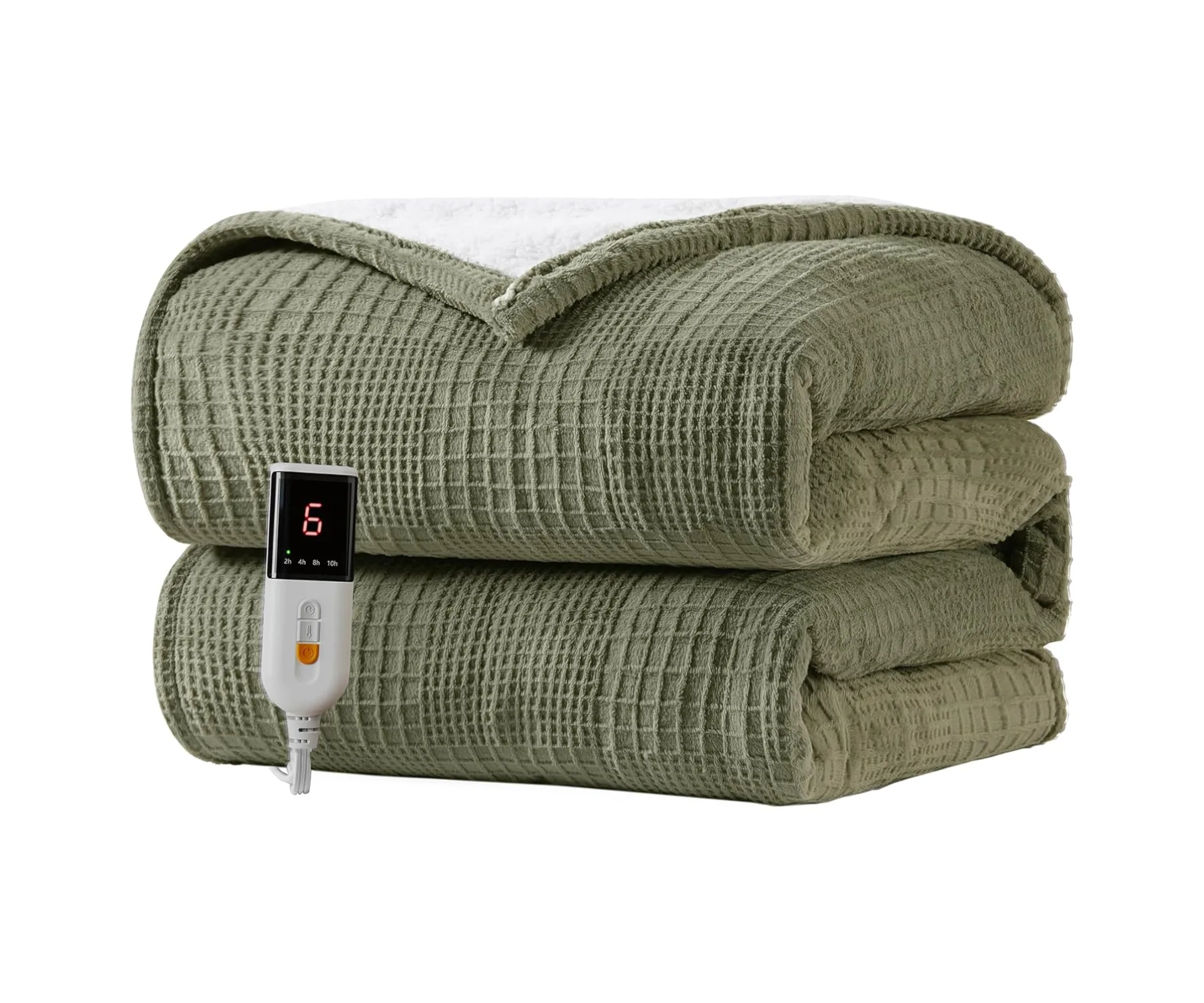
Choosing the Heated Blanket Best Buy for Comfort and Value
Identifying the best buy in heated blankets involves balancing fabric quality, safety certifications like UL or ETL, and energy efficiency. For 2026, the optimal choice typically features low-voltage technology for enhanced safety and...
Identifying the best buy in heated blankets involves balancing fabric quality, safety certifications like UL or ETL, and energy efficiency. For 2026, the optimal choice typically features low-voltage technology for enhanced safety and micro-plush or Sherpa fabrics for superior heat retention, providing the highest long-term value for cold-weather comfort and energy savings.
Contents
The Evolution of Heated Bedding in 2026
Heated blankets have transitioned from simple, bulky bedding accessories into sophisticated, energy-efficient climate control systems. As we navigate 2026, the primary motivation for consumers seeking a "best buy" has shifted. It is no longer just about the cheapest price point; it is about finding a product that reduces overall household heating costs while providing a personalized sleep environment. With energy prices remaining a significant part of the average household budget, a high-quality electric blanket serves as a targeted heating solution, allowing users to lower their central thermostats by several degrees at night without sacrificing comfort.
The concept of "value" in this market now encompasses durability and technology. A blanket that fails after one season of washing is a poor investment, regardless of its initial cost. Therefore, when choosing the best buy, we must look at the internal components—the wiring, the sensors, and the controller—just as much as the external fabric. Modern blankets utilize thinner, more flexible wires that are nearly undetectable to the touch, addressing the historical complaint of feeling "cables" during sleep.
Prioritizing Safety: The Foundation of Value
Safety is the non-negotiable prerequisite for any heated bedding product. A blanket that poses a fire risk or lacks modern shut-off features has zero value. When evaluating products in 2026, there are three primary safety benchmarks to verify before considering comfort or price.
Third-Party Certifications
Always look for the UL (Underwriters Laboratories) or ETL (Intertek) mark. These certifications indicate that the product has undergone rigorous testing for electrical safety and fire resistance. In 2026, most reputable brands also adhere to updated standards regarding Electromagnetic Field (EMF) emissions, ensuring that the blanket is safe for long-term, nightly use.
Low-Voltage Technology
One of the most significant advancements in the quest for the "best buy" is the rise of low-voltage technology. Traditional heated blankets operate on 110-120V AC power directly from the wall outlet. In contrast, low-voltage models use a transformer to convert that power to a non-hazardous 12V to 24V DC. These systems are inherently safer, particularly for homes with pets or small children, as the risk of electrical shock if the blanket is damaged is virtually eliminated. Furthermore, low-voltage wires are typically much thinner, enhancing the comfort profile of the blanket.
Auto-Shutoff and Overheat Protection
Modern safety sensors are now standard in high-value models. Look for blankets that offer programmable auto-shutoff timers, ranging from 1 to 12 hours. This prevents the blanket from running all day if forgotten and protects the user from overheating during deep sleep. Advanced "overheat protection" systems monitor the temperature across the entire surface area; if a specific section becomes too hot (perhaps due to the blanket being folded or bunched), the system automatically cuts power to prevent damage or injury.
Material Science: Choosing Fabric for Longevity and Comfort
The "comfort" half of the value equation is determined by the fabric. In 2026, the market is dominated by several key materials, each offering different benefits for heat retention and skin feel.
- Micro-plush and Velvet: These are the most popular choices for general comfort. They are incredibly soft, hide the heating elements well, and are durable enough to withstand multiple machine wash cycles. They provide excellent insulation, meaning the blanket doesn't have to work as hard to maintain a steady temperature.
- Sherpa Lining: Often paired with a micro-mink or flannel top, Sherpa provides a heavy, cozy feel. It is excellent for heat retention but can be bulkier and slightly more difficult to clean if not maintained properly.
- Fleece: Generally found at lower price points, fleece is breathable and lightweight. While it is a "value" pick for those on a budget, it may not feel as luxurious as plush alternatives and can sometimes show the outlines of the heating wires more clearly.
- Cotton and Natural Blends: While rarer in the electric blanket category due to the complexity of integrating wires into natural fibers, cotton-blend heated blankets are the "best buy" for individuals who tend to sweat at night. Cotton’s natural breathability prevents the "clammy" feeling that purely synthetic fabrics can sometimes cause.
Technical Specifications and Controller Features
To maximize the value of your purchase, you must examine the "brain" of the blanket: the controller. A high-quality controller ensures that the temperature remains consistent, rather than cycling between uncomfortably hot and cold.
Dual-Zone Controls
For Queen and King-sized blankets, dual-zone control is an essential feature for value. This allows two people sharing a bed to set their sides to different temperatures. This prevents the common conflict where one partner is too warm while the other is still cold, effectively doubling the utility of the single purchase.
Pre-Heat Functionality
The most sought-after feature in 2026 is the "Pre-heat" setting. This allows the blanket to run at a higher wattage for a brief period (usually 15-30 minutes) to warm up a cold bed quickly before the user climbs in. Once the bed is warm, the blanket automatically drops to the user's preferred lower setting to maintain comfort throughout the night without wasting energy.
Smart Integration
While some may view Wi-Fi connectivity as a luxury, it adds significant value for those with smart home ecosystems. Being able to turn on your heated blanket via a smartphone app or voice command while you are still downstairs finishing dinner ensures a warm bed awaits you. However, for a true "best buy," ensure that the manual controls are still robust and easy to use, especially in the dark.
Comparing Fabric and Performance Metrics
The following table compares the most common configurations found in the 2026 market to help you decide which combination fits your specific needs for comfort and long-term value.
| Fabric Type | Heat Retention | Wire Visibility | Durability | Best For... |
|---|---|---|---|---|
| Micro-Plush | High | Low | Very High | Daily use and longevity |
| Sherpa Blend | Very High | Very Low | High | Extremely cold climates |
| Lightweight Fleece | Moderate | Medium | Moderate | Budget-conscious buyers |
| Cotton Blend | Moderate | Low | Moderate | Hot sleepers / Breathability |
| Low-Voltage DC | Efficient | Minimal | High | Safety-focused households |
Economic Analysis: The "Best Buy" as an Investment
When we talk about "value," we must consider the Return on Investment (ROI). A high-quality heated blanket usually costs between $70 and $150 in 2026, depending on the size and features.
According to energy consumption data, a standard heated blanket uses approximately 100 to 150 watts of electricity. If used for 8 hours a night, the cost is pennies compared to running a central heating system at 68°F (20°C) or higher. By using a heated blanket and lowering the house temperature to 62°F (16°C) during sleeping hours, the average household can save 5% to 15% on their monthly heating bill. In most climates, the blanket pays for itself within a single winter season.
To ensure you are getting the best value, check the warranty period. A "best buy" should ideally come with a 3-to-5-year limited warranty. Brands that stand behind their heating elements for this duration are generally using higher-quality copper or carbon fiber wiring that won't fatigue and break after a few dozen folds.
Maintenance and Care for Maximum Longevity
The quickest way to destroy the value of a heated blanket is through improper care. Even the most expensive model will fail if the internal wiring is compromised.
- Washing Guidelines: Most modern heated blankets are machine washable. The key is to disconnect the controller entirely. Use a gentle cycle with cool water and a small amount of mild detergent. Never use bleach or fabric softeners, as these can degrade the insulation around the wires.
- Drying Protocols: While many labels say "tumble dry low," many experts in 2026 recommend air-drying or "tumble-chilling" for a few minutes and then laying the blanket flat to dry. High heat in a dryer can make the wire coatings brittle over time.
- Storage: Never fold a heated blanket tightly or place heavy objects on top of it during the summer months. This creates sharp kinks in the wires. Instead, roll the blanket loosely and store it in a cool, dry place.
- Avoid Ironing: Never iron a heated blanket. The intense localized heat of an iron will melt the internal wire insulation, creating a significant fire hazard.
Common Mistakes to Avoid
- Buying for Price Alone: Extremely cheap blankets often use older technology with thicker, uncomfortable wires and lack the sophisticated overheat sensors found in mid-range models.
- Using with a Memory Foam Topper: Memory foam is designed to trap heat. Using a heated blanket on top of a thick memory foam mattress can lead to heat buildup that may damage the foam or trigger the blanket's safety shut-off prematurely.
- Ignoring the Cord Length: A common oversight is purchasing a blanket with a short power cord. Ensure the cord is long enough to reach your outlet without being a tripping hazard or requiring an extension cord (which is generally discouraged for high-wattage heating appliances).
Frequently Asked Questions
Can I leave my heated blanket on all night?
Yes, provided the blanket has an ETL or UL certification and a functioning auto-shutoff or temperature regulation system. However, it is generally recommended to use the "pre-heat" function to warm the bed and then set the blanket to a low maintenance level or turn it off once you fall asleep to ensure the highest level of safety and sleep quality.
Are heated blankets safe for pets?
Standard 110V blankets can be risky if a pet chews the cord or the fabric. For pet owners, the "best buy" is always a low-voltage (DC) model. These operate at a voltage that is generally considered safe even if the wire is exposed, though you should still inspect the blanket regularly for any signs of claw or tooth damage.
How often should I replace my heated blanket?
Even with perfect care, heating elements have a lifespan. In 2026, the Consumer Product Safety Commission (CPSC) and manufacturers generally recommend replacing heated bedding every 5 to 7 years. If you notice any brown "scorch" marks, frayed cords, or inconsistent heating, replace the unit immediately regardless of its age.
Does a weighted heated blanket offer better value?
Weighted heated blankets are a niche "best buy" for those with anxiety or sensory processing needs. They combine the benefits of Deep Pressure Stimulation (DPS) with heat. However, they are more difficult to wash and significantly more expensive. If you do not specifically need the weight for therapeutic reasons, a standard plush heated blanket offers better value for pure warmth.
Final Recommendation for 2026
To secure the best buy for comfort and value, look for a low-voltage micro-plush blanket with a minimum 5-year warranty and dual-zone digital controllers. Prioritize safety certifications and "pre-heat" features over smart-home gimmicks unless you already have a fully integrated automated home. By investing slightly more upfront in low-voltage technology, you gain peace of mind, better sleep quality, and a product that will reliably lower your energy bills for many winters to come.
Image Gallery