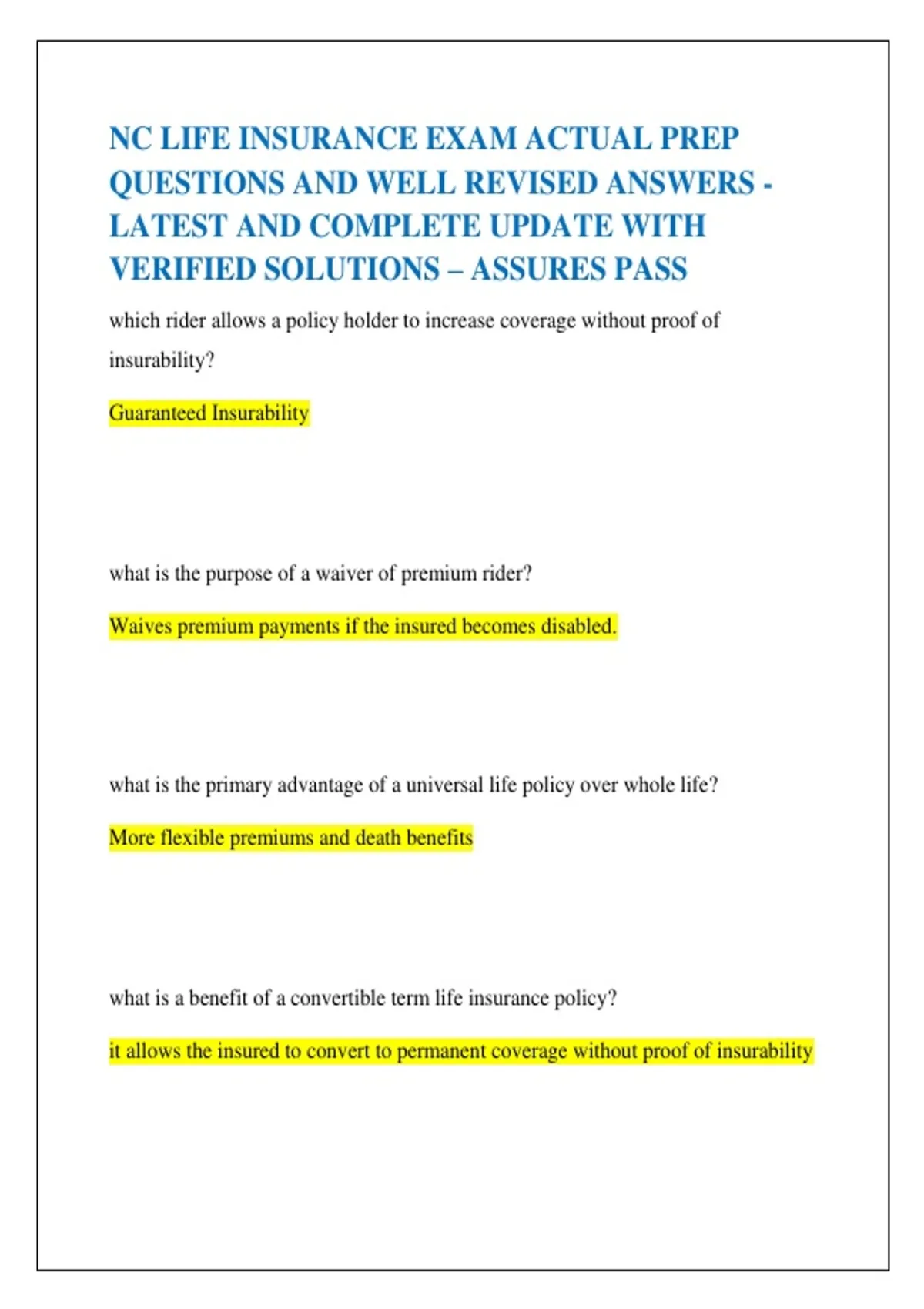
North Carolina Life and Health Insurance Pre-Licensing Requirements: A 2026 Candidate Guide
To obtain a Life and Health insurance license in North Carolina in 2026, candidates must complete 20 hours of state-approved pre-licensing education for each line of authority, pass the Pearson VUE state examination with a score of 70%...
To obtain a Life and Health insurance license in North Carolina in 2026, candidates must complete 20 hours of state-approved pre-licensing education for each line of authority, pass the Pearson VUE state examination with a score of 70% or higher, undergo a fingerprint-based criminal background check, and submit a formal application via the National Insurance Producer Registry (NIPR).
Contents
Navigating the regulatory landscape of the North Carolina Department of Insurance (NCDOI) requires strict adherence to specific timelines and educational mandates. As the insurance industry continues to evolve in 2026, the NCDOI maintains rigorous standards to ensure that all producers possess the necessary technical knowledge and ethical foundation to serve the public. This guide provides a comprehensive breakdown of the prerequisites, educational requirements, examination protocols, and application steps necessary to secure your professional license.
Eligibility and Residency Prerequisites
Before initiating the pre-licensing education (PLE) process, prospective agents must meet the basic eligibility criteria established by North Carolina statutes. These requirements are designed to ensure that all licensed individuals possess the maturity and legal standing to execute insurance contracts.
- Age Requirement: Candidates must be at least 18 years of age.
- Residency: This guide focuses on the "Resident Producer" license. Applicants must be legal residents of North Carolina. If you are moving from another state and hold a valid license there, you may be eligible for a waiver of the examination requirement if you apply within 90 days of establishing residency.
- Character and Fitness: Applicants must demonstrate good moral character. The NCDOI reviews all criminal histories and prior administrative actions during the application phase.
While there is no specific educational degree required (such as a high school diploma or college degree), the technical nature of the material requires a high level of reading comprehension and analytical skill.
Mandatory Pre-Licensing Education (PLE) Requirements
North Carolina is strict regarding its "hours-based" educational mandate. Unlike some states that allow for "experience-based" entry, North Carolina requires formal completion of an approved course for each specific line of authority you wish to hold.
The 20-Hour Rule
For those seeking a combined Life and Health license, you must complete a total of 40 hours of pre-licensing education. This is divided into:
- Life Insurance: 20 hours of instruction.
- Accident and Health or Sickness: 20 hours of instruction.
These hours must be completed through a provider that is officially certified by the North Carolina Department of Insurance. Education providers are required to report your completion to the state, but you will also receive a "Uniform Certificate of Completion."
Course Formats and Validity
As of 2026, the NCDOI recognizes several instructional formats, including traditional classroom settings, live webinars, and self-paced online courses. Regardless of the format, the course must include a comprehensive review of both general insurance concepts and North Carolina-specific laws.
A critical technical detail is the 90-day validity window. Once you receive your Uniform Certificate of Completion, you have exactly 90 days to successfully pass the state examination. If you fail to pass the exam within this window, your certificate expires, and you must retake the entire 20-hour pre-licensing course before you are eligible to sit for the exam again.
The North Carolina Insurance Examination (Pearson VUE)
The examination is the most significant hurdle in the licensing process. North Carolina contracts with Pearson VUE to administer these proctored exams. In 2026, candidates can choose between physical testing centers located throughout the state or remote online proctoring, provided they meet the strict technical and environmental requirements for home testing.
Syllabus and Subject Matter
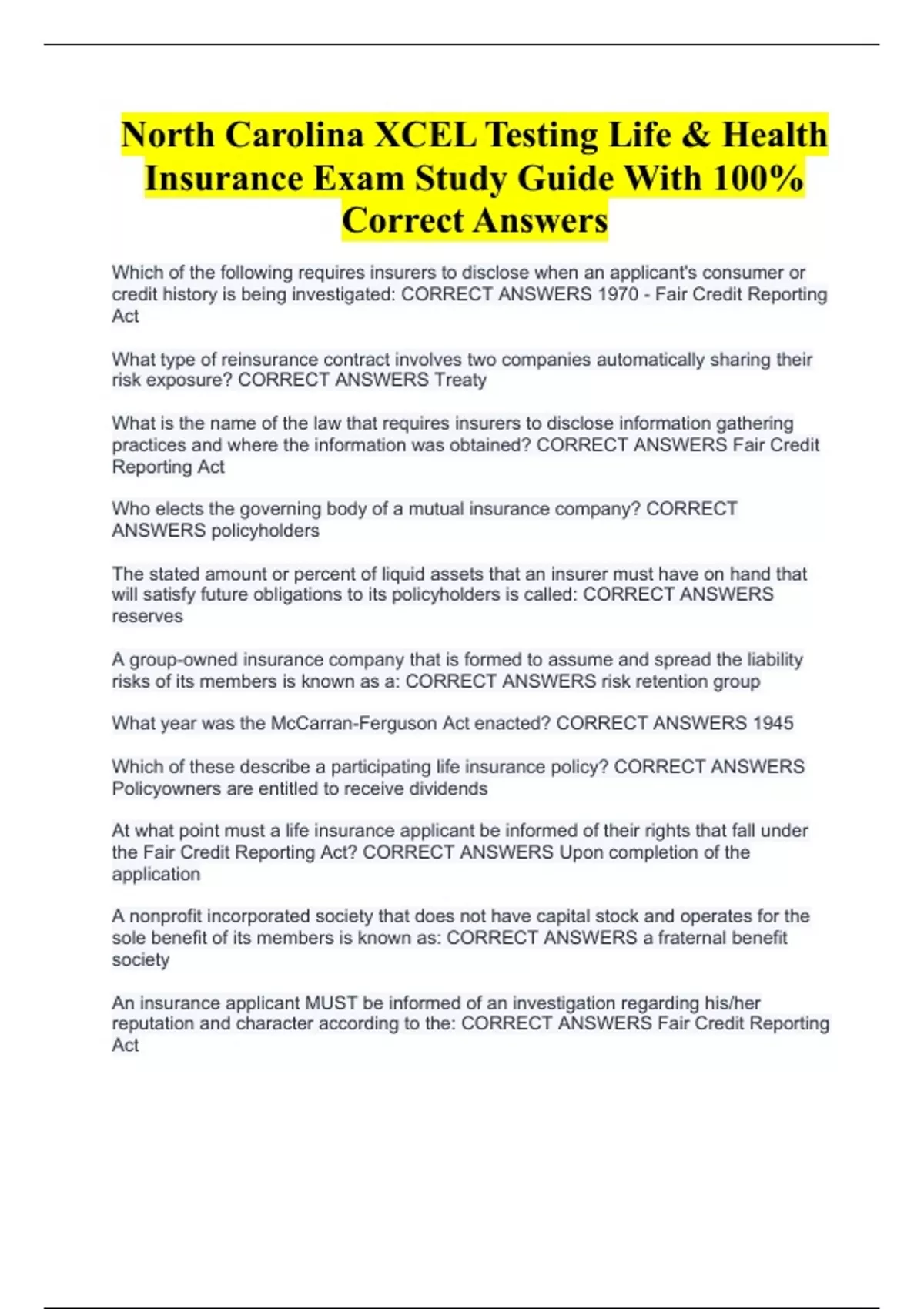
The exam is divided into two main components: a "General" section covering national insurance product knowledge and a "State-Specific" section focusing on North Carolina statutes, regulations, and the powers of the Commissioner of Insurance.
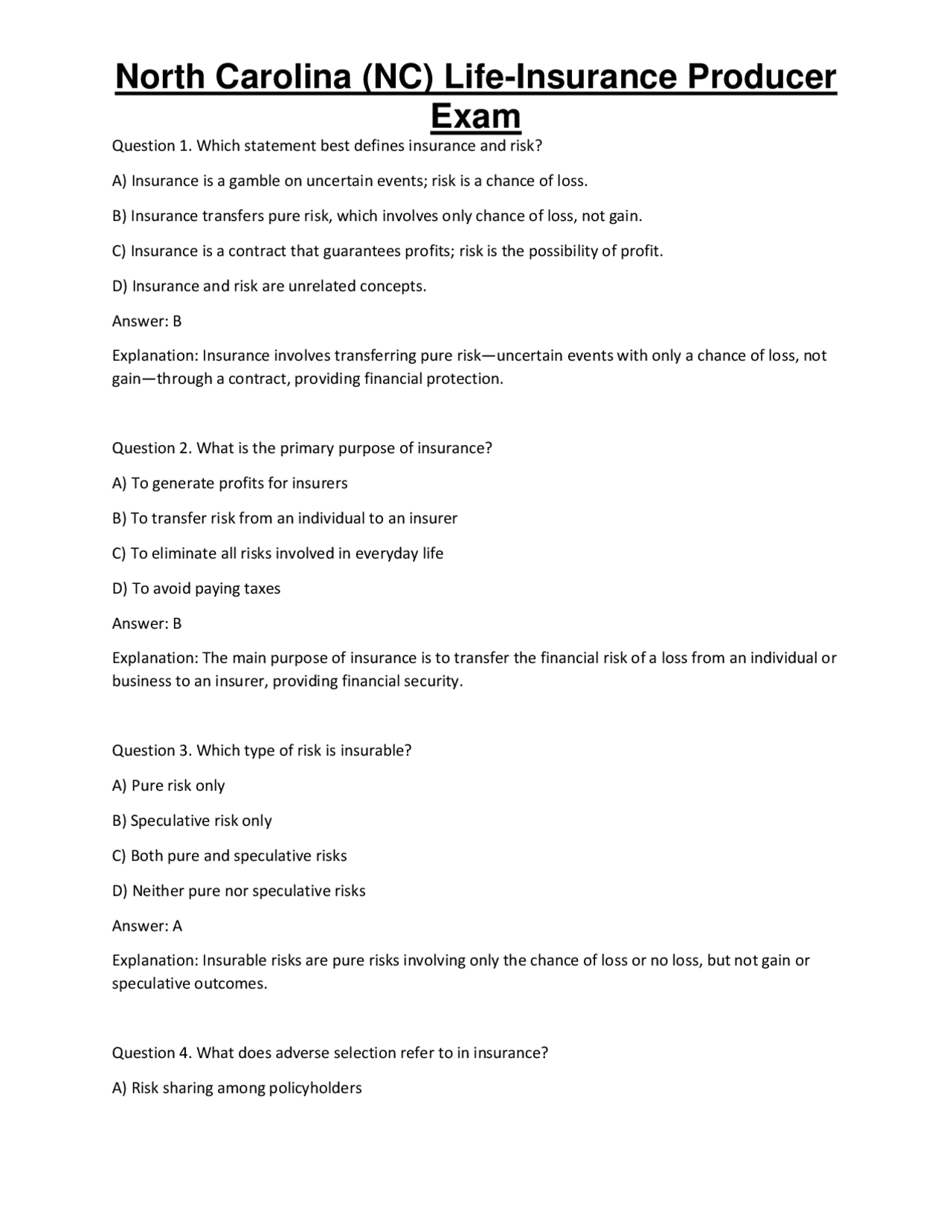
- Life Insurance Exam: Includes topics such as types of policies (Whole, Term, Universal), policy provisions, riders, beneficiaries, premiums, and federal tax considerations (including qualified plans and Social Security).
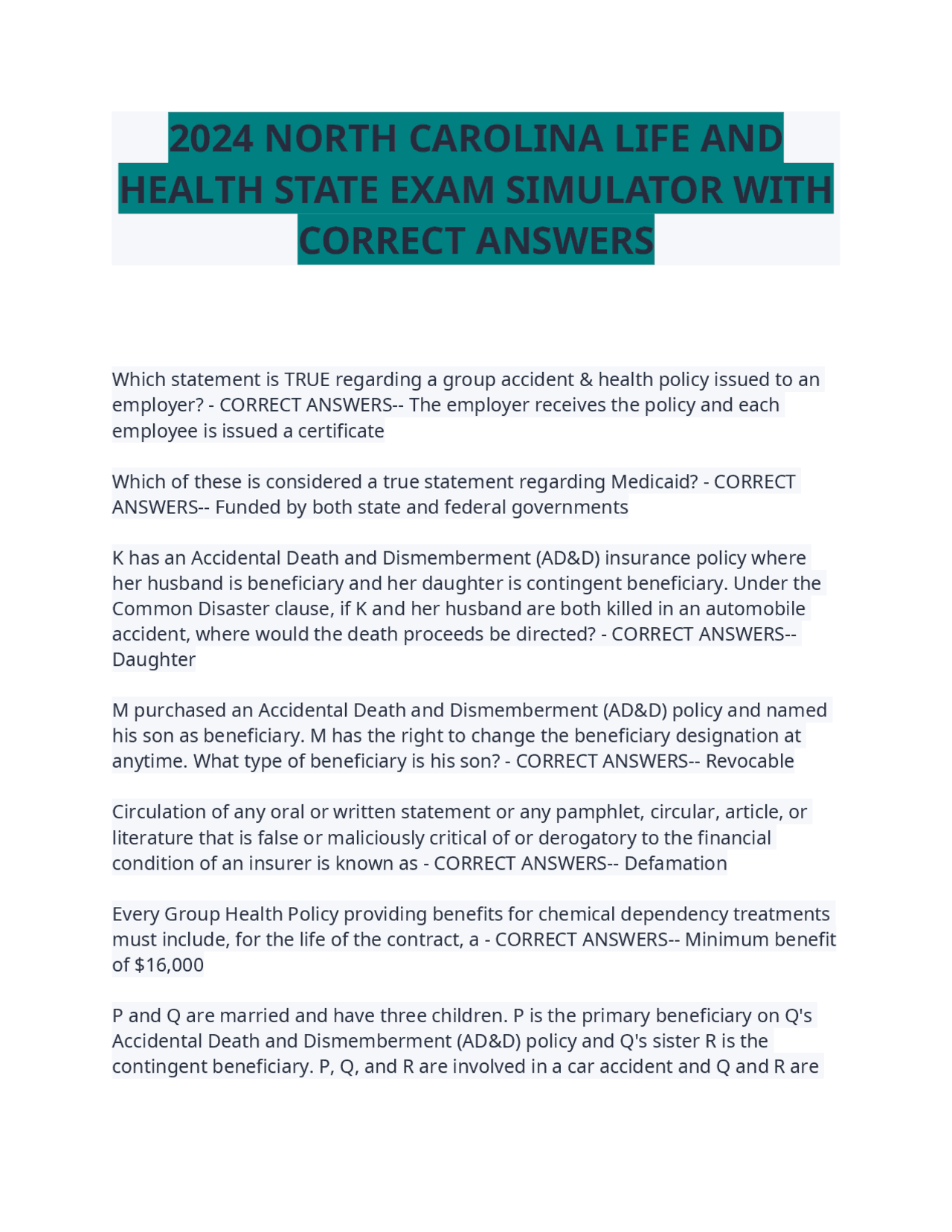
- Health Insurance Exam: Covers individual and group health insurance, disability income, medical expense plans, Medicare and Medicare Supplements, Long-Term Care (LTC) insurance, and federal regulations like the Affordable Care Act (ACA), COBRA, and HIPAA.
Scoring and Retake Policies
The passing score for all North Carolina insurance exams is 70%. This is a scaled score, meaning it is not a raw percentage of correct answers but a weighted calculation based on the difficulty of the specific exam form administered.
If a candidate fails the exam, they must wait at least 24 hours before rescheduling. There is no limit on the number of attempts within the 90-day window of the PLE certificate, but each attempt requires a new examination fee.
Criminal History Record Check and Fingerprinting
North Carolina requires all resident license applicants to submit to a fingerprint-based background check. This process is handled through the North Carolina Applicant System and is typically facilitated by Fieldprint.
The Fingerprinting Process
- Registration: After passing your exam, you must register on the Fieldprint website using the specific code provided by the NCDOI.
- Appointment: You will schedule an appointment at one of the many Fieldprint locations across North Carolina.
- Submission: Your digital fingerprints are sent to the State Bureau of Investigation (SBI) and the FBI for a comprehensive criminal history check.
It is vital to complete this step promptly after passing the exam. The NCDOI will not review your license application until the background check results have been cleared.
Final Application and NIPR Submission
Once the exam is passed and fingerprints are submitted, the final step is the formal license application. North Carolina utilizes the National Insurance Producer Registry (NIPR) for all electronic applications.
Application Checklist
- Exam Pass Result: Ensure Pearson VUE has uploaded your passing score to the NCDOI database (usually happens within 48-72 hours).
- Fee Payment: You must pay the application fees and the NCDOI regulatory fees via credit card or electronic check on the NIPR portal.
- Disclosures: You must answer a series of "Uniform Background Questions." Transparency is essential here; failing to disclose a past legal issue is often a greater cause for license denial than the issue itself.
Comprehensive Fee Schedule for 2026
The costs associated with licensing include educational fees, testing fees, and government processing fees. Below is a breakdown of the estimated costs for a dual Life and Health license in North Carolina.
| Item | Estimated Cost (USD) | Frequency/Notes |
|---|---|---|
| Pre-Licensing Education (PLE) | $150 – $350 | Per course (Life & Health combined often discounted). |
| Pearson VUE Exam Fee | $45 – $60 | Per attempt/per line of authority. |
| Fingerprinting (Fieldprint) | $38.00 | Includes SBI and FBI processing fees. |
| NCDOI License Fee | $50.00 | Per line of authority (Life: $50, Health: $50). |
| NCDOI Application Fee | $44.00 | Flat fee per application submission. |
| NIPR Transaction Fee | $5.60 | Standard administrative fee per application. |
| Total Estimated Initial Cost | $432.60 – $647.60 | Varies based on PLE provider and exam attempts. |
Exemptions from Pre-Licensing Education
Certain professionals may be exempt from the 20-hour PLE requirement, though they are usually still required to pass the state-specific portion of the exam. Common exemptions in 2026 include:
- Professional Designations: Candidates holding the Chartered Life Underwriter (CLU) or Fellow of the Life Management Institute (FLMI) designations may waive the Life PLE. Those with Registered Health Underwriter (RHU) or Registered Employee Benefits Consultant (REBC) designations may waive the Health PLE.
- Prior Experience: If you were previously licensed in North Carolina and that license lapsed less than one year ago, you may be eligible for reinstatement without retaking the PLE, depending on your CE status.
- Relocation: As mentioned, active producers moving from another state with a license in good standing may have the PLE and exam requirements waived if they apply within the 90-day residency window.
Common Mistakes to Avoid
The path to licensing is often delayed by preventable administrative errors. Prospective agents should be mindful of the following:
- Missing the 90-Day Window: Many candidates complete their PLE but wait too long to schedule their exam. If the 90th day passes, you must start the education from scratch.
- Inconsistent Personal Information: Ensure that the name on your government-issued ID exactly matches the name used for Pearson VUE registration and your NIPR application. Even minor discrepancies can cause a rejection at the testing center.
- Failure to Disclose: "Administrative actions" include things like a revoked driver's license or a fine from a different regulatory body. Check your history thoroughly before answering the background questions on the NIPR application.
- Incomplete Fingerprinting: Some applicants believe that passing the exam automatically triggers the background check. You must proactively schedule and attend your Fieldprint appointment.
Post-Licensing and Continuing Education (CE)
Securing the license is only the beginning. In North Carolina, insurance licenses are perpetual as long as the producer remains in good standing and completes the mandatory Continuing Education (CE) requirements.
Producers must complete 24 hours of CE every two years. Included in these 24 hours must be at least 3 hours of Ethics. For those selling specific products like Long-Term Care or Flood Insurance, additional specialized training hours may be required.
Frequently Asked Questions
Can I take the Life and Health exams on the same day? Yes. Pearson VUE offers "Back-to-Back" scheduling. However, most experts recommend taking them on separate days or at least several hours apart due to the high volume of technical information you must recall for each distinct line of authority.
How long does it take for the NCDOI to approve my license once I apply? If your background check is clear and all fees are paid, the NCDOI typically processes applications within 5 to 10 business days. You can track your status and print your license via the State Based Systems (SBS) portal once approved.
What happens if I fail the North Carolina insurance exam? If you fail, you will receive a diagnostic report showing your strengths and weaknesses in each content area. You can reschedule immediately, but you must wait at least 24 hours to retake the test. Remember that every retake incurs a new exam fee.
Is the North Carolina insurance license valid in other states? Your North Carolina license is a "Resident License." To sell insurance in other states, you must apply for a "Non-Resident License" in each specific state through NIPR. Most states offer reciprocity, meaning you will not have to take another exam, provided your North Carolina license remains active and in good standing.
Are there specific requirements for selling Medicare Supplements in North Carolina? In North Carolina, the "Accident and Health or Sickness" license covers Medicare Supplements and Long-Term Care. However, to actually sell these products, you must complete an additional 10-hour Long-Term Care (LTC) partnership course as part of your initial training or subsequent CE.
Final Recommendation
To ensure success in 2026, begin by selecting a PLE provider that offers a "Pass Guarantee" or comprehensive practice question banks. Focus heavily on the North Carolina Statutes section of the study material, as this is often where candidates lose the most points. Schedule your exam within 14 days of finishing your PLE course while the information is fresh, and complete your fingerprinting the very next day after passing to expedite the NCDOI review process.
Professional Advice Limitation: This guide is intended for educational purposes and reflects the licensing environment of 2026. Insurance regulations and fees are subject to legislative changes. Always verify current requirements directly with the North Carolina Department of Insurance (NCDOI) or your chosen education provider before committing to a course of study.
Image Gallery