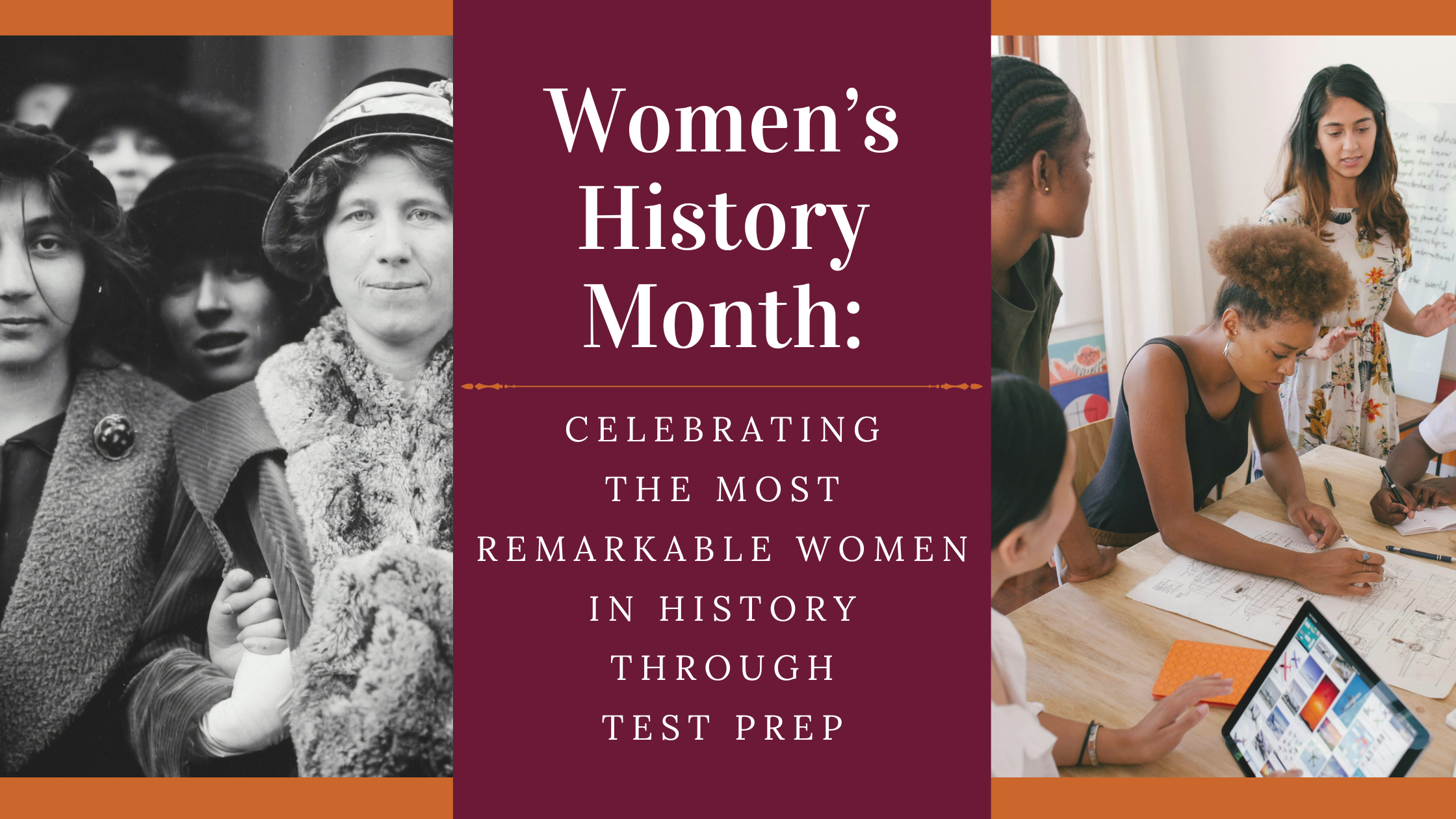
Women Cases in Legal History: Landmark Trials and Their Impact
Women cases in legal history represent the foundational struggles and hard-won victories that reshaped constitutional law, property rights, employment standards, and bodily autonomy. These landmark trials challenged entrenched patriarc...
Women cases in legal history represent the foundational struggles and hard-won victories that reshaped constitutional law, property rights, employment standards, and bodily autonomy. These landmark trials challenged entrenched patriarchal legal systems, transforming statutory frameworks across common law jurisdictions and establishing precedents that continue to govern modern civil rights.
Contents
The Evolution of Legal Personhood and Early Property Rights
For centuries, the English common law doctrine of coverture legally absorbed a woman's civic identity into that of her husband upon marriage. Under this doctrine, married women could not own property in their own right, enter into contracts independently, or retain wages earned through their own labor. Dismantling this framework required a series of legislative shifts and landmark judicial challenges that redefined legal personhood.
The mid-19th century marked the beginning of organized legal resistance against coverture. In the United States and the United Kingdom, reformers pushed for Married Women’s Property Acts, which slowly dismantled the absolute control husbands held over marital assets. However, securing these statutory rights often required protracted court battles to clarify ambiguous legislative language and overcome conservative judicial resistance.
Courts routinely scrutinized whether statutory reforms permitted married women to act as sole traders or retain earnings free from creditor claims stemming from their husbands' debts. These early property cases laid the groundwork for broader civil participation, establishing that economic independence is a prerequisite for full legal equality. As women gained the capacity to hold property, they simultaneously acquired the standing to sue and be sued, fundamentally altering civil litigation dynamics.
Landmark Employment and Labor Law Decisions
As industrialization drew millions of women into the formal workforce, labor exploitation sparked critical legal confrontations. Employers frequently justified discriminatory practices, disparate pay structures, and hazardous working conditions by citing women's supposed physical fragility or domestic obligations. Legal history records a tension between protective labor legislation and equal employment rights.
The Debate Over Protective Legislation
Early 20th-century jurisprudence often utilized protective labor laws as a double-edged sword. While legislation limiting maximum working hours for women shielded factory workers from extreme exploitation, it simultaneously reinforced paternalistic stereotypes. These laws restricted women from entering higher-paying occupations that required long or irregular hours.
In cases such as Muller v. Oregon (1908), the United States Supreme Court upheld state restrictions on the working hours of women, accepting sociological data—known as the Brandeis Brief—that argued women's physical differences and maternal roles required special legislative protection. While reformers celebrated this as a humanitarian victory, it entrenched the legal precedent that women workers constituted a distinct class requiring state supervision, complicating efforts to achieve full professional parity for decades.
The Shift Toward Title VII and Equal Opportunity
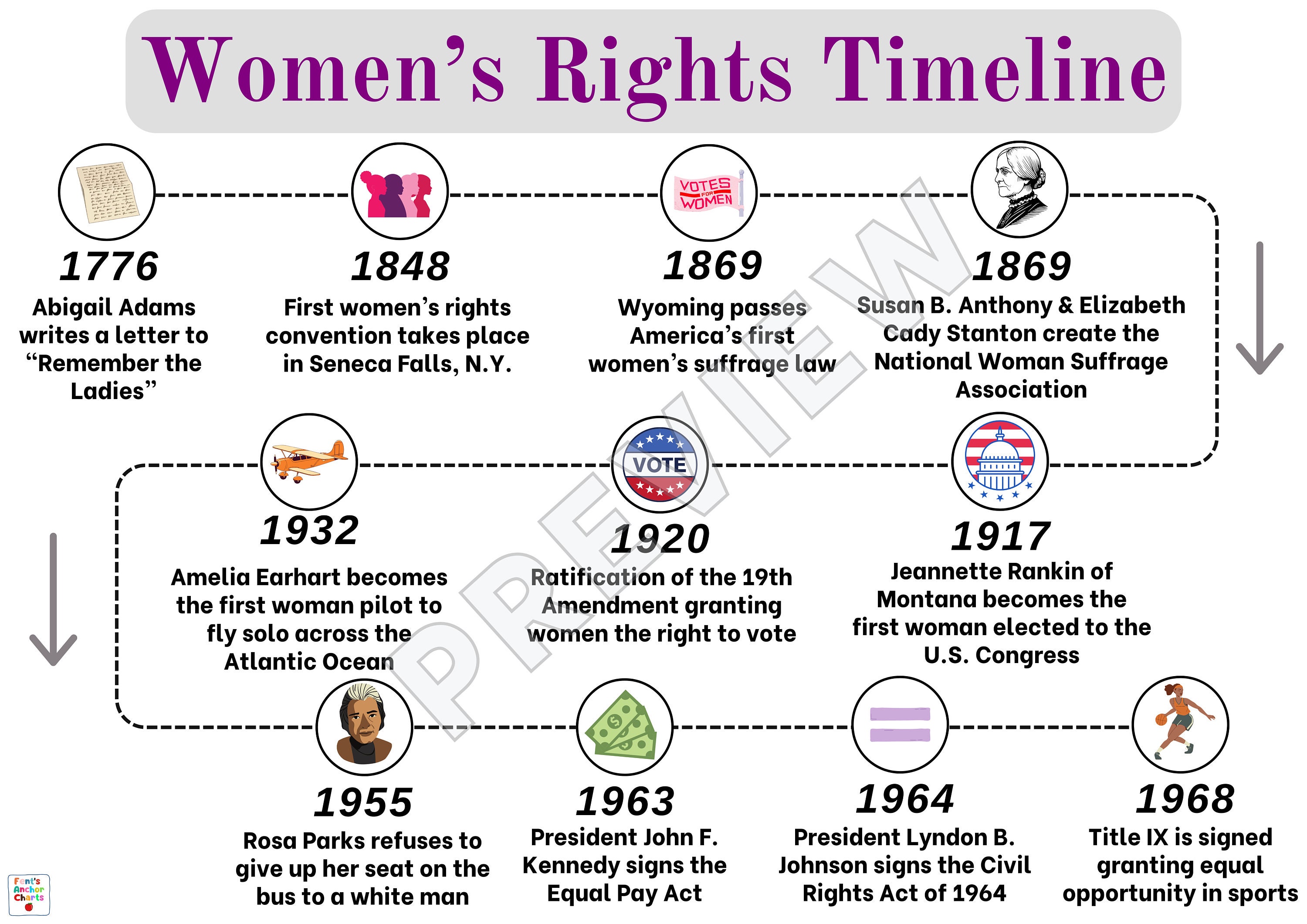
The enactment of civil rights legislation in the mid-20th century shifted the legal paradigm from protectionism to equal opportunity. Title VII of the Civil Rights Act of 1964 prohibited employment discrimination based on race, color, religion, sex, and national origin. Landmark judicial interpretations of this statute dismantled systemic barriers in hiring, promotion, and compensation.
Courts began striking down mandatory maternity leave policies, "height-and-weight" requirements designed to exclude women from policing and industrial jobs, and policies that barred mothers of young children from employment while hiring fathers. These decisions established that sex-based generalizations could no longer substitute for bona fide occupational qualifications.
| Case Name | Year | Jurisdiction | Core Legal Issue | Landmark Impact |
|---|---|---|---|---|
| Muller v. Oregon | 1908 | US Supreme Court | Maximum working hours for women | Upheld protective labor laws based on physical differences and maternal roles. |
| Reed v. Reed | 1971 | US Supreme Court | Gender-based administrative preference | First time the Equal Protection Clause was used to invalidate a sex-discriminatory law. |
| Frontiero v. Richardson | 1973 | US Supreme Court | Dependent benefits for military spouses | Subjected sex-based classifications to heightened judicial scrutiny. |
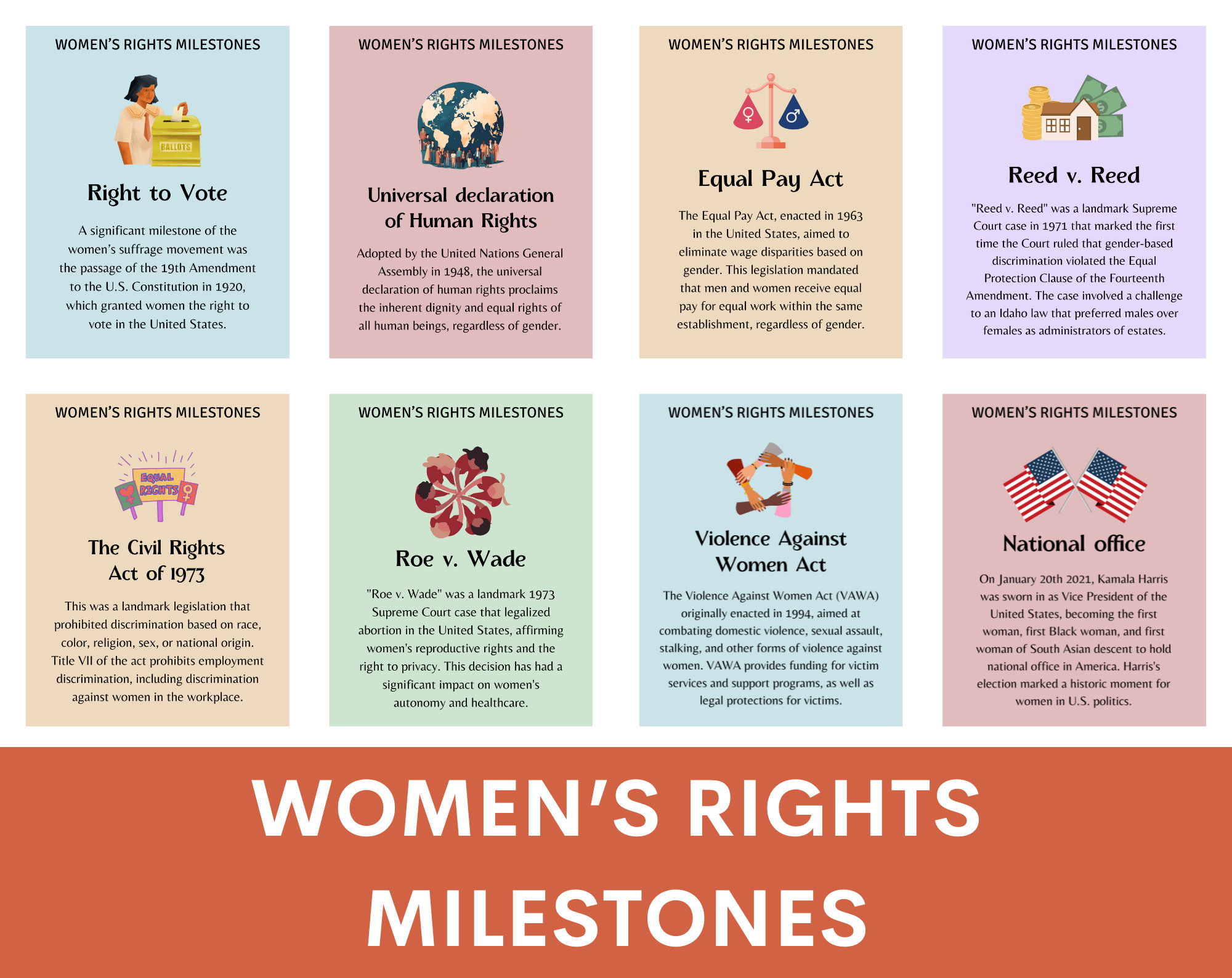
| Roe v. Wade | 1973 | US Supreme Court | Right to privacy and abortion access | Established a constitutional right to privacy encompassing a woman's right to choose. |
| Meritor Savings Bank v. Vinson | 1986 | US Supreme Court | Workplace sexual harassment | Ruled that hostile work environment sexual harassment violates Title VII. |
Equal Protection and Constitutional Jurisprudence
The application of constitutional equal protection clauses to gender discrimination represents one of the most dynamic areas of modern legal history. For generations, courts applied a lenient standard of review—known as rational basis scrutiny—to sex-based classifications, making it nearly impossible to challenge discriminatory laws successfully.
A pivotal turning point arrived with Reed v. Reed (1971), where the U.S. Supreme Court unanimously struck down an Idaho probate code preference favoring males as estate administrators. This ruling marked the first time the Fourteenth Amendment's Equal Protection Clause was deployed to invalidate a law discriminating on the basis of sex.
Subsequent decisions, such as Frontiero v. Richardson (1973) and Craig v. Boren (1976), elevated the standard of review for gender classifications to intermediate scrutiny. Under this standard, government classifications based on sex must serve important governmental objectives and be substantially related to the achievement of those objectives. This doctrinal shift empowered litigants to dismantle discriminatory statutes across education, military service, jury selection, and taxation.
Reproductive Rights, Autonomy, and Privacy
Legal struggles concerning bodily autonomy and reproductive freedom have consistently tested the limits of constitutional privacy rights. The legal recognition of a right to privacy—first articulated explicitly in cases involving contraception, such as Griswold v. Connecticut (1965)—provided the doctrinal foundation for subsequent rulings on pregnancy, healthcare, and personal autonomy.
The debate extended into employment law, where pregnancy discrimination was frequently used to force women out of the workforce. Cases addressing mandatory maternity leave and health insurance coverage for pregnancy-related conditions forced legislatures and courts to define sex discrimination to include pregnancy.
These legal battles highlighted the tension between individual liberty and state police powers. As jurisprudence evolved, courts grappled with how to balance state interests in regulating healthcare with an individual's fundamental right to make profound personal decisions free from governmental intrusion.
Workplace Harassment and the Expansion of Civil Remedies
The codification of sexual harassment as a form of illegal sex discrimination under Title VII transformed the modern professional landscape. Early lower court rulings often struggled to categorize unwelcome sexual advances or hostile environments as actionable discrimination, frequently treating such behavior as personal misconduct rather than systemic institutional failure.
In Meritor Savings Bank v. Vinson (1986), the U.S. Supreme Court definitively established that sexual harassment creating a hostile or abusive work environment is a form of sex discrimination prohibited by Title VII. This ruling expanded employer liability and provided victims with access to federal civil remedies. Subsequent cases refined the standards for employer accountability, distinguishing between supervisory harassment that results in tangible employment actions and hostile work environments where employers may assert affirmative defenses if they implemented effective reporting procedures.
Further legal developments addressed quid pro quo harassment and established that workplace harassment laws protect individuals regardless of whether the conduct results in direct economic injury. These precedents forced corporations to implement rigorous compliance programs, internal grievance mechanisms, and anti-harassment training protocols.
Frequently Asked Questions
What was the legal doctrine of coverture?
Coverture was an English common law doctrine where a woman's legal rights were subsumed by those of her husband upon marriage. Married women could not own property independently, sign contracts, or keep their own wages until statutory reforms and landmark court cases dismantled the practice.
How did Reed v. Reed change constitutional law regarding gender?
Reed v. Reed (1971) was the first time the U.S. Supreme Court used the Equal Protection Clause of the Fourteenth Amendment to invalidate a law that discriminated based on sex. It signaled a departure from lenient judicial review and set the stage for heightened scrutiny of gender-based classifications.
Are protective labor laws considered beneficial or discriminatory in legal history?
Initially, protective labor laws such as maximum hour limits were seen as vital protections against worker exploitation. However, by restricting women from certain demanding or high-paying jobs, they often functioned as discriminatory barriers, prompting a legal shift toward equal opportunity standards in the latter half of the 20th century.
How did Title VII of the Civil Rights Act impact women in the workplace?
Title VII prohibited employment discrimination based on sex, paving the way for lawsuits challenging discriminatory hiring practices, unequal pay, pregnancy-based firings, and mandatory maternity leave policies. It established that employers must evaluate candidates and employees on individual merit rather than gender-based generalizations.
What constitutes a hostile work environment under sexual harassment law?
Under precedents like Meritor Savings Bank v. Vinson, a hostile work environment is created when unwelcome sexual conduct is sufficiently severe or pervasive to alter the conditions of the victim's employment and create an abusive working atmosphere, triggering employer liability under civil rights statutes.
Conclusion and Next Actions
Examining women cases in legal history reveals a continuous effort to translate abstract constitutional guarantees into enforceable rights. Legal professionals, researchers, and advocates examining these precedents should consult official court opinions, legislative histories, and secondary legal analyses to understand the specific jurisdictional limits and evolving statutory frameworks governing civil rights and employment law today.
Image Gallery