The Evolution of Sci Fi History Books: Tracking the Genre's Literary Progression
The study of science fiction as a literary movement has transitioned from amateur fanzines and disconnected bibliographies to a sophisticated academic discipline. By analyzing the evolution of sci fi history books, researchers can trac...
The study of science fiction as a literary movement has transitioned from amateur fanzines and disconnected bibliographies to a sophisticated academic discipline. By analyzing the evolution of sci fi history books, researchers can trace how the genre moved from the fringes of pulp magazines to the center of literary criticism, providing a structured timeline of the works, authors, and sociopolitical factors that defined the evolution of imaginative fiction.
Contents
The Genesis: Early Bibliographies and Fanzine Culture
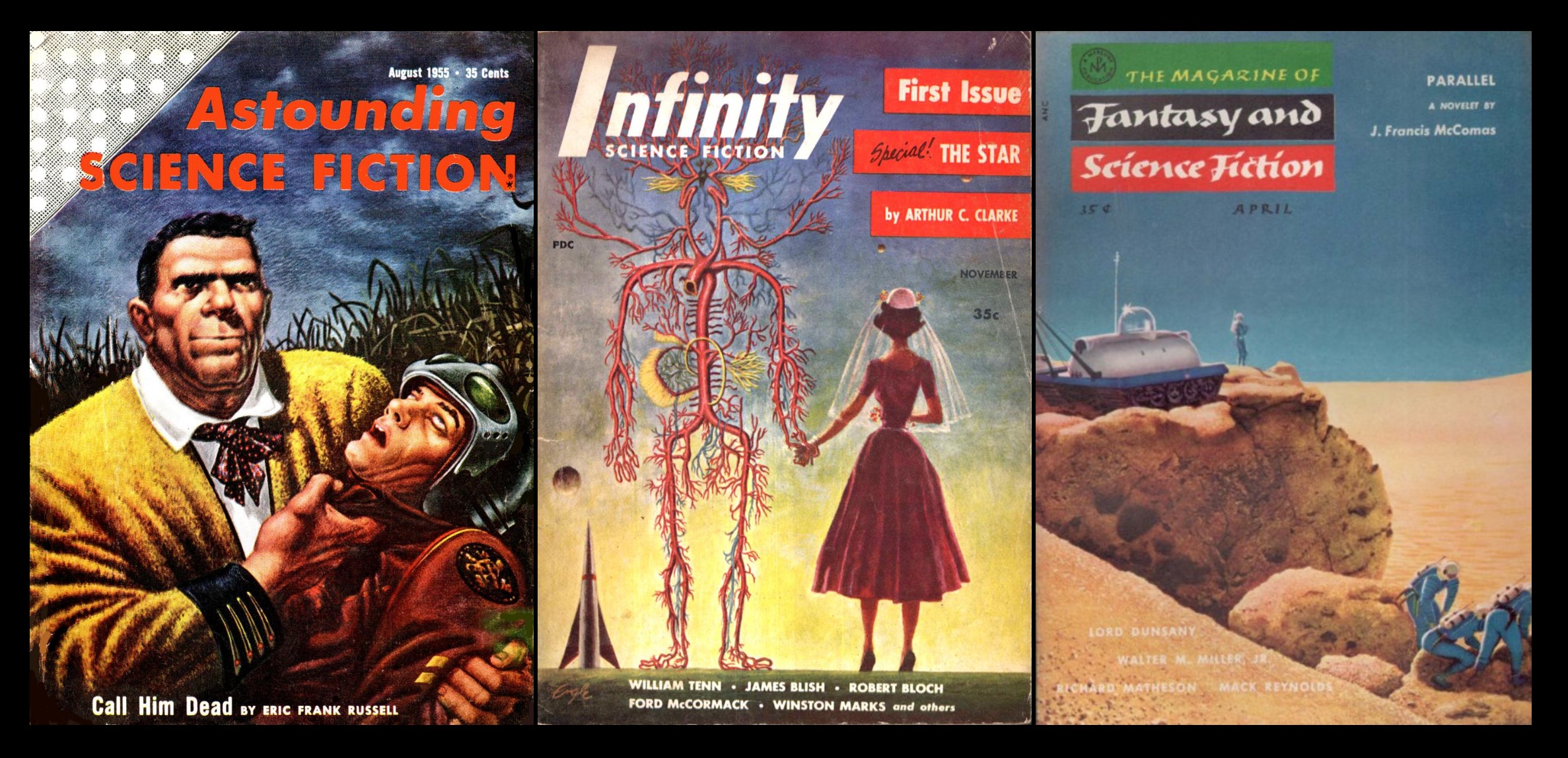
Before science fiction was recognized by university English departments, its history was meticulously documented by its own community. In the mid-20th century, the "history" of the genre was synonymous with the preservation of pulp magazines like Amazing Stories and Astounding Science-Fiction.
Early attempts to codify this history were essentially indexes. Enthusiasts like Sam Moskowitz and Forrest J. Ackerman acted as the first archivists, compiling checklists of authors and their respective contributions. These early books were not analytical; they were practical tools for collectors. Because the genre was often dismissed by mainstream critics as "escapist" or "juvenile," the burden of recording its history fell to those who were already deeply invested in the medium. These works are now considered primary source material for any serious student of the genre because they capture the raw enthusiasm and the specific taxonomy of the pulp era.
The Institutionalization of Genre Studies
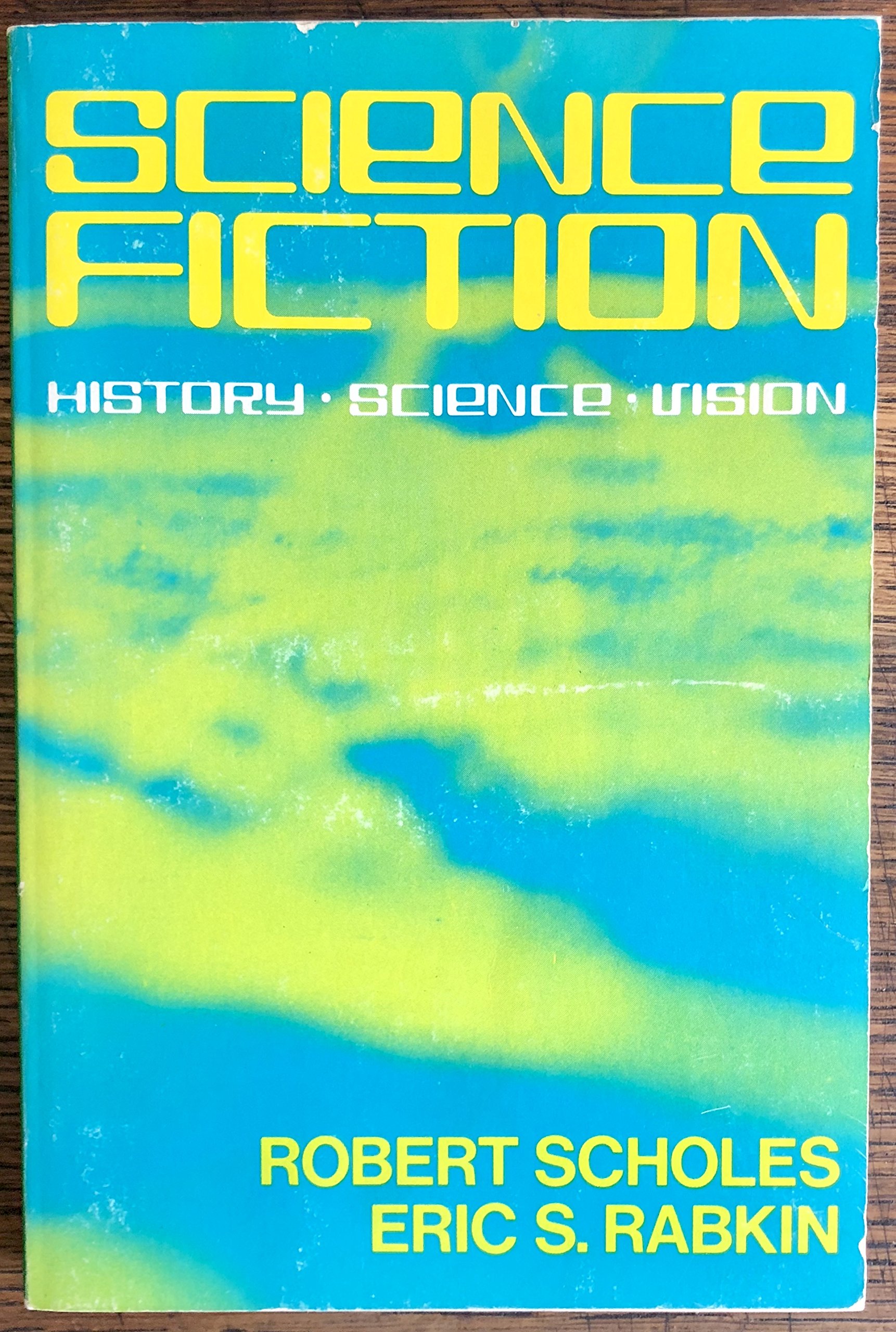
The 1970s marked a pivotal shift in the evolution of sci fi history books as the genre began to achieve academic legitimacy. During this decade, works began to move beyond mere checklists to incorporate critical theory. Figures like Brian Aldiss, whose 1973 work Billion Year Spree stands as a watershed moment, began to treat science fiction as a serious literary tradition linked to the history of the Gothic novel and the Enlightenment.
This era of publishing focused on "mapping the field." Authors of these histories sought to establish a lineage, tracing the roots of science fiction back to Mary Shelley’s Frankenstein rather than just the 1926 inception of Amazing Stories. This period was defined by an effort to elevate the genre, validating it through comparisons to classical literature and placing it in a historical context that included the Industrial Revolution and the birth of modern scientific inquiry.
The Shift to Sociological and Cultural Analysis
As the genre matured, so did the methodology of its historians. By the 1990s and early 2000s, the focus of sci fi history books expanded significantly to include sociopolitical analysis. Historians moved away from the "Great Man" theory—which focused almost exclusively on a few prolific white, male authors—toward a more inclusive examination of the genre.
This evolution is evident in how current histories approach the mid-century period. Rather than focusing only on the "Big Three" (Isaac Asimov, Arthur C. Clarke, and Robert Heinlein), contemporary historical texts examine the impact of Cold War anxieties, second-wave feminism, and post-colonial perspectives on speculative writing. Books published in this timeframe began to prioritize context over pure chronology. They ask not just when a book was written, but why the thematic concerns of that specific decade manifested as they did in the pages of sci fi paperbacks.
Comparative Methodology in Sci Fi Documentation
When comparing historical accounts of science fiction, it is helpful to categorize them by their primary intent. Below is a breakdown of how different types of histories serve the researcher or enthusiast.
| Historical Focus | Primary Methodology | Target Audience | Key Value |
|---|---|---|---|
| Archival/Fanzine | Bibliographic indexes and pulp data | Collectors/Historians | Precision in printing history |
| Literary Criticism | Thematic analysis and lineage tracing | Academic researchers | Understanding genre roots |
| Cultural/Sociological | Contextualizing external influences | Social scientists/Students | Understanding sociopolitical impact |
| Global/Inclusive | Examining non-Western traditions | Comparative literature readers | Expanding the canon beyond US/UK |
The Challenges of Modern Documentation
As we enter 2026, the documentation of sci fi history faces new challenges. The genre has become so vast and the sub-genres so fragmented that writing a single, cohesive "history" has become nearly impossible. Modern books are increasingly specialized, focusing on narrow slices of history, such as the rise of cyberpunk in the 1980s, the history of African American speculative fiction, or the influence of Soviet-era science fiction on global cinema.
The challenge today is the sheer volume of material. The early historians had to find the books; the current generation of historians must synthesize an overwhelming amount of data while navigating the rapid changes in how literature is consumed. Digital archives have largely replaced physical fanzine indexes, but the need for critical synthesis remains. Readers looking for a comprehensive history are now better served by multi-volume encyclopedias or specialized monographs rather than a single narrative overview.
The Role of Multimedia and Interactive Archives
An important trend in the 2020s is the integration of digital, interactive elements into the history of the genre. While the traditional print book remains the gold standard for depth and peer review, historians now frequently cross-reference physical volumes with online databases and collaborative wikis.
This hybrid approach allows for the inclusion of visual media—book cover art, magazine illustrations, and original film stills—which were historically difficult to reproduce in standard print formats. These modern histories are as much about the visual identity of science fiction as they are about the written word, recognizing that the aesthetic of a pulp magazine cover is as much a part of the history as the story written inside it.
Frequently Asked Questions
Are older science fiction history books still relevant? Yes. While contemporary histories may offer more diverse perspectives or better theoretical frameworks, older books are indispensable for their primary source data, such as first-publication dates, original magazine issue details, and the contemporary reactions of fans and critics during the genre's formative years.
How do I find an objective history of science fiction? Objectivity in genre history is difficult to achieve. Most authors write from a specific critical standpoint. To build a balanced understanding, read one foundational "canonical" history (such as Aldiss’s Billion Year Spree) and pair it with a more modern, socio-critical analysis that addresses the gaps in the traditional canon.
What is the difference between an anthology and a history book? An anthology is a collection of primary texts (the stories themselves). A history book is secondary literature that provides commentary, analysis, and historical context about those stories. You need the latter to understand the "evolution" of the genre.
Are there histories that focus specifically on non-Western sci fi? Yes, this is an area of significant growth. As of 2026, there are several key academic texts documenting the rise of Chinese science fiction and Latin American speculative traditions. These are essential for anyone wanting to move beyond the US- and UK-centric historical models.
How do digital archives affect the study of sci fi history? Digital archives have democratized research. Previously, accessing obscure pulp magazines required visiting specialized university libraries. Now, high-resolution scans allow researchers to examine the exact layout, advertisements, and editorial letters of early sci fi magazines from home, leading to more granular historical research.
Recommended Next Actions
For those seeking to begin a serious study of science fiction history, the best path forward is to start with a broad, well-regarded historical overview published within the last decade. This will provide the necessary terminology and timeline. Once you have established this base, branch out into specialized monographs that interest you, such as the history of a specific sub-genre or a regional movement. Always check the bibliography of these books to find primary source materials and other seminal texts to continue your research. By following the lineage of academic citations, you can effectively map the history of the genre for yourself.
Image Gallery