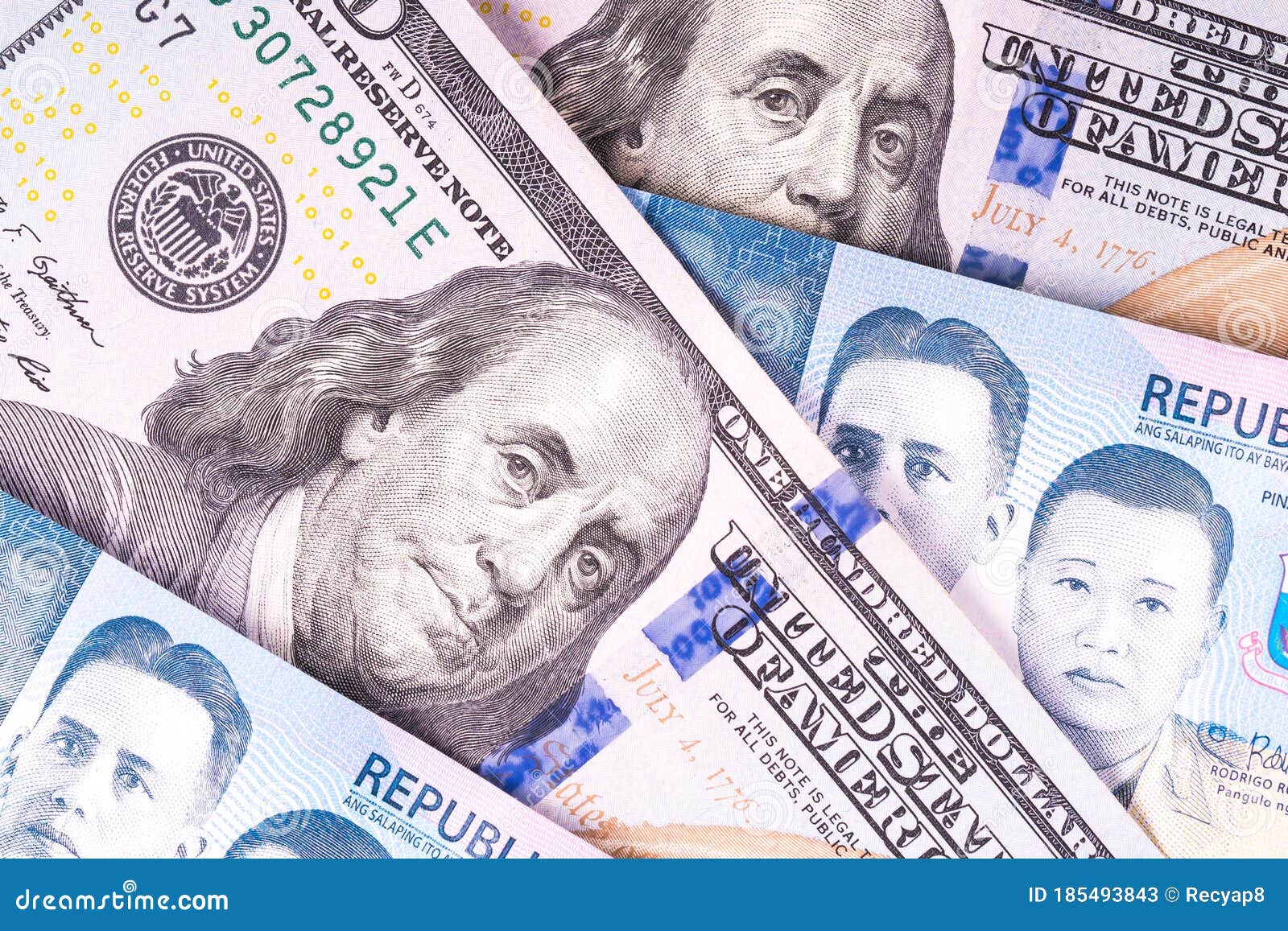
Understanding Philippines Currency to US Dollar Conversion: Mechanics, Rates, and Methods
Converting the Philippine peso (PHP) to the US dollar (USD) involves understanding current exchange rate dynamics, tracking market fluctuations, and choosing the most cost-effective transfer method for your financial needs. Navigating...
Converting the Philippine peso (PHP) to the US dollar (USD) involves understanding current exchange rate dynamics, tracking market fluctuations, and choosing the most cost-effective transfer method for your financial needs.
Contents
Navigating the exchange rate between the Philippine peso and the US dollar requires a clear grasp of how currency markets operate, what factors influence foreign exchange movements, and which channels provide the most reliable execution for remittances, investments, or travel. Whether you are sending money to family, liquidating assets, or planning a trip, knowing the mechanics behind the PHP-to-USD conversion prevents unnecessary losses from unfavorable rates and hidden fees.
The Mechanics of PHP to USD Exchange Rates
The exchange rate between the Philippine peso and the US dollar represents the value of one currency expressed in terms of the other. As a floating exchange rate system, the PHP/USD value fluctuates continuously throughout the trading week based on supply and demand dynamics in the global foreign exchange market.
Floating vs. Managed Exchange Rates
The Bangko Sentral ng Pilipinas (BSP), the central bank of the Philippines, operates a market-determined exchange rate policy. While market forces primarily dictate the price of the peso against the dollar, the BSP may intervene during periods of excessive volatility to maintain market stability. This means the conversion rate changes second-by-second during active market hours, influenced by macroeconomic indicators, trade balances, and geopolitical events.
Understanding the Bid-Ask Spread
When you convert PHP to USD, you will encounter two distinct prices:
- The Bid Price: The rate at which a financial institution or buyer is willing to purchase pesos from you.
- The Ask (Offer) Price: The rate at which the institution is willing to sell US dollars to you.
- The Spread: The difference between the bid and ask prices. This spread represents the primary profit margin for banks, remittance centers, and currency exchange providers. When evaluating a conversion service, minimizing this spread is critical to retaining the true value of your funds.
Key Economic Drivers Affecting the PHP/USD Rate
Several fundamental economic indicators dictate the long-term trends and short-term shocks of the Philippine peso relative to the US dollar.
Remittance Inflows
The Philippine economy receives substantial foreign exchange inflows from Overseas Filipino Workers (OFWs) worldwide, particularly from the United States. These multi-billion-dollar monthly remittances traditionally provide structural support to the Philippine peso, temporarily appreciating its value against the dollar during peak remittance periods, such as the holiday season.
Interest Rate Differentials
Monetary policy decisions made by the US Federal Reserve (Fed) and the Bangko Sentral ng Pilipinas heavily influence capital flows. If US interest rates rise significantly higher than Philippine rates, investors tend to shift capital out of pesos and into dollar-denominated assets to capture higher yields. This capital flight increases the supply of pesos while driving up demand for dollars, resulting in a weaker peso (higher PHP-to-USD conversion cost).
Inflation and Trade Deficits
The Philippines is a net importer of many commodities, including oil and raw materials. A widening trade deficit—where the country imports significantly more than it exports—requires large amounts of US dollars to pay for foreign goods, placing downward pressure on the peso. Furthermore, domestic inflation differentials between the US and the Philippines erode purchasing power parity, impacting long-term exchange rate valuations.
Comparing Channels for Converting PHP to USD
Choosing the right platform to execute your currency conversion depends on the transaction size, speed requirements, and your physical location.
| Conversion Channel | Typical Speed | Cost Efficiency | Best Used For |
|---|---|---|---|
| Traditional Commercial Banks | 1 to 3 Business Days | Low to Moderate (High markups/fees) | Large wire transfers, established account holders |
| Dedicated Money Transfer Services | Minutes to 1 Business Day | High (Competitive rates, transparent fees) | Remittances, digital-to-digital transfers |
| Physical Exchange Booths | Immediate | Low (Poor cash exchange rates) | Emergency cash travel needs |
| Multi-Currency Digital Wallets | Instant | High (Interbank-rate proximity) | Online spending, holding multiple currencies |
Commercial Banks
Traditional banks like BDO, Bank of the Philippine Islands (BPI), or Citibank offer secure international wire transfers. However, they frequently apply a substantial markup on the mid-market exchange rate alongside fixed outbound transfer fees. They are best suited for high-net-worth transactions where institutional security outweighs minor rate variations.
Specialized Digital Remittance Providers
Fintech platforms and specialized remittance services (such as Wise, Remitly, or WorldRemit) often provide rates much closer to the actual mid-market exchange rate. They operate with lower overhead than traditional banking networks, passing the savings to consumers through transparent fee structures and digital-first interfaces.
Local Currency Exchangers
Physical booths located in airports or commercial shopping centers generally offer the least favorable conversion terms for PHP-to-USD transactions. Because physical cash handling incurs high operational, security, and logistics costs, exchangers offset these expenses by widening the bid-ask spread.
Step-by-Step Guide to Executing a Conversion
To ensure a smooth transaction and protect your capital during a currency conversion, follow a structured procedure.
- Check the Live Mid-Market Rate: Before initiating any transfer, consult a trusted financial tracking platform (such as Reuters, Bloomberg, or XE) to see the baseline mid-market rate. This gives you a benchmark to evaluate provider quotes.
- Compare Total Costs: Do not rely solely on advertised exchange rates. Calculate the total cost by combining the exchange rate markup and any flat transfer fees. A provider advertising "zero transfer fees" often compensates by embedding a heavy margin into the exchange rate.
- Verify Compliance and Documentation: Due to anti-money laundering (AML) regulations, converting large sums of currency requires identity verification. Prepare valid government-issued identification, proof of income or source of funds, and recipient details if executing a wire transfer.
- Lock In the Rate: Many digital platforms allow you to lock in an exchange rate before funding the transfer, protecting you against sudden market volatility during clearing hours.
- Confirm Receipt: Monitor the transaction via tracking numbers or account dashboards until the funds successfully settle in the destination account.
Common Mistakes and How to Avoid Them
Navigating foreign exchange without proper awareness can lead to unnecessary financial shrinkage. Avoid these common pitfalls:
- Ignoring the Markup: Assuming that a lack of explicit service fees means a free transfer. Always check the net amount the recipient will receive against the live mid-market rate.
- Converting at Airport Booths: Using airport kiosks out of convenience. Plan ahead to exchange funds via digital platforms or local banks before departure.
- Failing to Account for Intermediary Bank Fees: When executing traditional wire transfers through SWIFT, intermediary correspondent banks may deduct processing fees from the principal amount before it reaches the destination account. Use providers with transparent local clearing networks to bypass this issue.
- Ignoring Regulatory Thresholds: Failing to declare large cash movements or transactions that trigger local reporting requirements, which can result in frozen accounts or legal compliance reviews.
Disclaimer: Foreign exchange markets are volatile, and past currency performance does not guarantee future rates. Users should evaluate their specific financial circumstances and consult with qualified financial professionals before executing large currency transactions.
Frequently Asked Questions
What is the mid-market exchange rate?
The mid-market rate is the halfway point between the buying and selling prices of two currencies in the global interbank market. It is the benchmark rate that banks use when trading among themselves, and it serves as the fairest standard for consumers to measure the markup charged by retail conversion providers.
Is it better to convert PHP to USD in the Philippines or the US?
It is generally more advantageous to convert currency digitally using specialized cross-border transfer services rather than physically exchanging cash in either country. If physical cash is required, converting US dollars into pesos yields better rates inside the Philippines, whereas acquiring US dollars while holding Philippine pesos locally can incur limited availability and unfavorable cash handling markups.
Are there limits on how much PHP I can convert to USD?
Yes. Both Philippine regulations and international anti-money laundering laws mandate reporting thresholds. Transactions exceeding certain limits—typically PHP 500,000 or USD 10,000 equivalent—require extensive documentation proving the legal source of funds and intended use before banks or regulators authorize the transfer.
How long does a PHP to USD bank transfer take?
Standard international wire transfers through the SWIFT network typically take between one to three business days. However, specialized digital transfer services often complete transfers within minutes or hours if funded via debit card, local bank transfer, or integrated digital wallets.
Do exchange rates change over the weekend?
Global foreign exchange markets close on weekends, meaning spot exchange rates remain static from Friday evening to Sunday evening EST. However, retail platforms may widen their spreads or apply weekend premiums to account for potential market opening volatility when trading resumes.
Image Gallery