Tom Heinsohn Net Worth Overview
As of 2026, retrospective evaluations of Tom Heinsohn’s estate estimate his total net worth at approximately $10 million to $15 million. This valuation reflects a multifaceted career spanning over 60 years as a Hall of Fame player, a c...
As of 2026, retrospective evaluations of Tom Heinsohn’s estate estimate his total net worth at approximately $10 million to $15 million. This valuation reflects a multifaceted career spanning over 60 years as a Hall of Fame player, a championship-winning coach, a legendary broadcaster, and a successful insurance executive and artist.
Contents
Tom Heinsohn, affectionately known as "Mr. Celtic," remains one of the most significant figures in professional basketball history. While his earnings as a player in the 1950s and 1960s were modest by modern standards, his longevity in the industry and his diverse professional interests allowed him to build a substantial financial legacy. Unlike contemporary NBA stars who earn hundreds of millions in single contracts, Heinsohn’s wealth was built through decades of consistent work across four distinct professional pillars: playing, coaching, broadcasting, and private business.
The Financial Landscape of the Early NBA (1956–1965)
To understand the foundation of Tom Heinsohn's net worth, one must examine the economic reality of the NBA during its infancy. When Heinsohn joined the Boston Celtics in 1956 as a territorial draft pick out of Holy Cross, the league was far from the multi-billion-dollar enterprise it is in 2026.
Rookie Contracts and Championship Bonuses
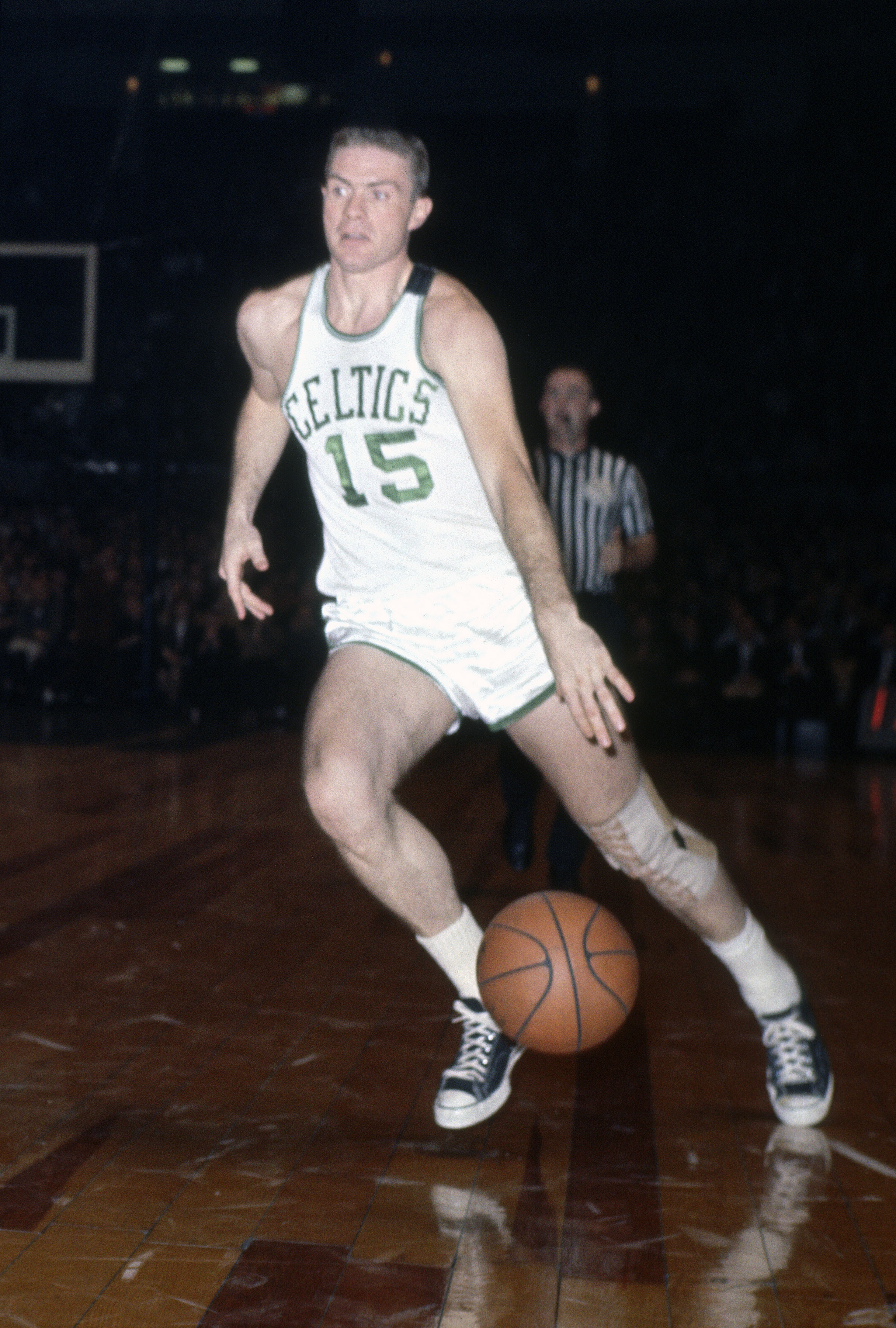
In 1956, Heinsohn’s rookie salary was reportedly around $9,000, with a $6,000 signing bonus—a significant sum at the time but equivalent to only about $160,000 in inflation-adjusted dollars. Over his nine-season playing career, his salary peaked in the range of $30,000 to $35,000.
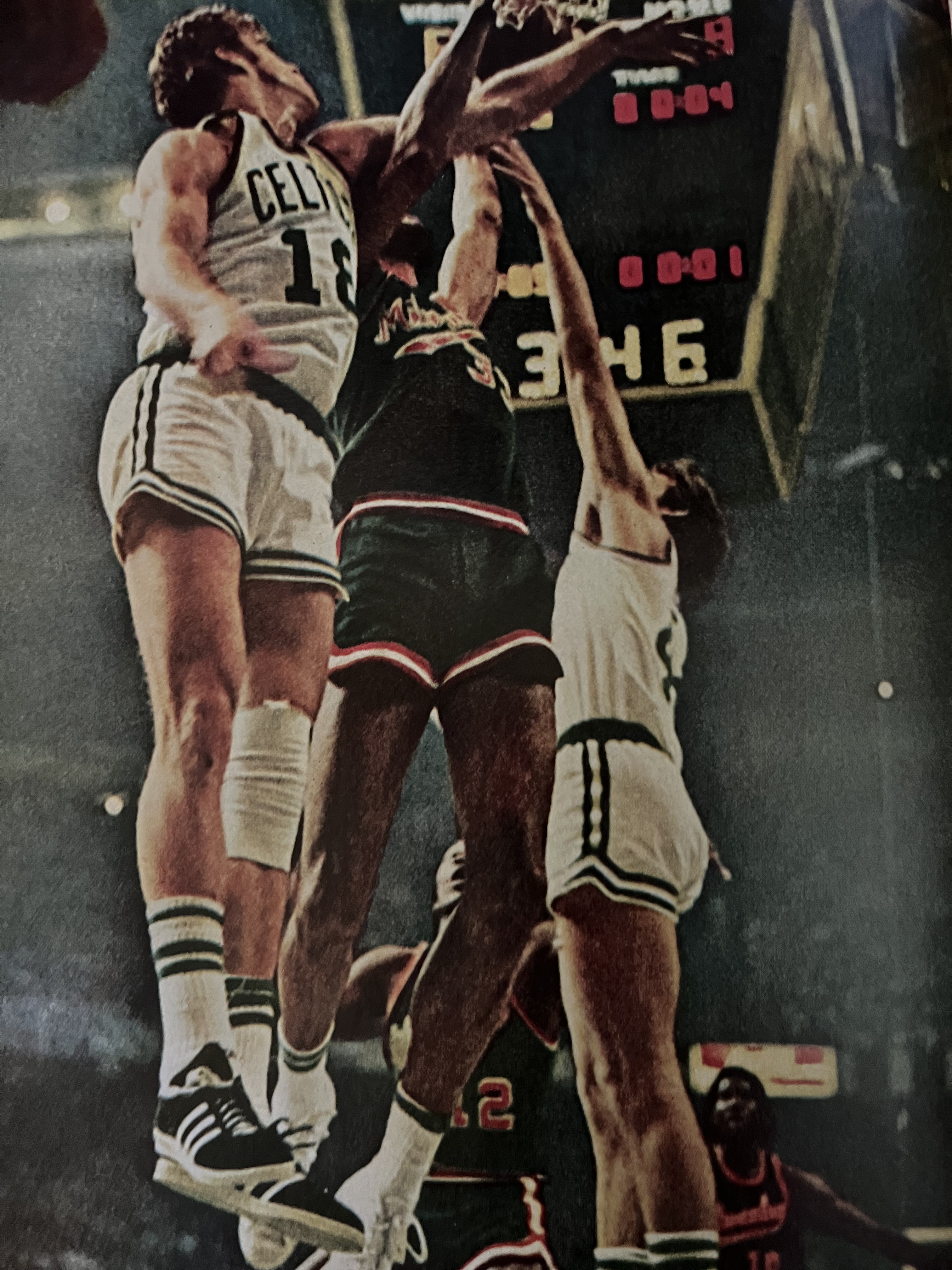
While these figures appear small, Heinsohn’s financial success as a player was bolstered by the Celtics' unprecedented dominance. Winning eight NBA championships in nine years provided consistent post-season bonuses. During that era, a championship share could represent a 10% to 20% increase in a player’s annual take-home pay.
The NBPA and Financial Advocacy
Heinsohn’s most significant financial contribution to the game—and his own long-term security—was his leadership in the NBA Players Association (NBPA). Serving as the union’s second president, he was instrumental in the 1964 All-Star Game strike threat. This move forced NBA owners to recognize the union and, more importantly, establish a pension plan. This pension provided Heinsohn and his peers with guaranteed income in their later years, a critical component of his estate’s long-term stability.
Transitioning to the Coaching Bench (1969–1978)
After a brief retirement, Heinsohn returned to the Celtics as head coach in 1969. This era marked a shift in his earning potential as coaching salaries began to rise alongside the league's growing popularity.
Salary Growth and Performance Incentives
During his nine seasons as head coach, Heinsohn led the Celtics to two more championships (1974 and 1976). By the mid-1970s, top-tier NBA coaches were earning between $50,000 and $100,000 annually. Heinsohn’s status as a franchise icon likely put him at the higher end of this spectrum.
The financial value of his coaching tenure extended beyond his base salary. It solidified his brand within the New England market, making him an invaluable asset for local endorsements and television networks, which would set the stage for his most lucrative career phase.
The Broadcasting Era: "Tommy Points" and Longevity
The most substantial portion of Heinsohn’s net worth was arguably generated during his 39-year career as a broadcaster for the Boston Celtics. Joining the booth in 1981, he became a fixture on TV38, Fox Sports New England, and eventually NBC Sports Boston.
Media Contracts and Market Value
As regional sports networks (RSNs) exploded in value during the 1990s and 2000s, local broadcasters in major markets saw significant pay increases. Veteran announcers in large markets like Boston often commanded salaries ranging from $250,000 to $600,000 per year, depending on their role and seniority.
Heinsohn’s longevity meant he benefited from decades of compounding income. Furthermore, his "Tommy Point" branding became a local phenomenon, leading to various commercial opportunities and public appearance fees that supplemented his broadcasting salary. By the time of his passing in 2020, he had spent nearly four decades as the primary voice of one of the NBA's most valuable franchises.
Private Business and Artistic Ventures
One of the less-discussed aspects of Tom Heinsohn’s net worth is his success outside the arena. He was a proponent of the "off-season career," a necessity for players of his era that he turned into a lifelong advantage.
Heinsohn & Reed Insurance
For many years, Heinsohn operated a successful life insurance business. He famously used his connections in the Boston business community to build a robust client base. This venture provided a steady stream of passive income and commissions that often exceeded his basketball earnings during the 1960s and 70s.
Fine Art and Sales
Heinsohn was an accomplished painter, specializing in landscapes and New England scenes. His artwork was not merely a hobby; it was a professional endeavor. His paintings were frequently sold in galleries and at charity auctions, with individual pieces often fetching several thousand dollars. The total value of his personal collection and the revenue generated from decades of art sales contributed meaningfully to his liquid assets.
Comparative Career Earnings Breakdown
The following table outlines the estimated financial impact of Heinsohn’s various career phases based on historical league data and market standards for the Boston region.
| Career Phase | Primary Roles | Estimated Annual Income Range | Primary Financial Impact |
|---|---|---|---|
| 1956–1965 | NBA Player (8x Champ) | $9,000 – $35,000 | Established pension eligibility; Championship bonuses. |
| 1969–1978 | NBA Head Coach (2x Champ) | $50,000 – $100,000 | Market brand building; Performance incentives. |
| 1981–2020 | Broadcaster (NBC Sports) | $200,000 – $500,000+ | Long-term salary compounding; National visibility. |
| 1960s–2000s | Insurance & Fine Art | Variable | Diversified wealth; Asset appreciation; Commissions. |
Estate Value and Legacy in 2026
In 2026, the valuation of Tom Heinsohn’s estate includes not only his accumulated earnings and investments but also the intellectual property and memorabilia associated with his name.
Memorabilia and Asset Liquidity
As a 10-time NBA champion (player and coach), Heinsohn’s personal memorabilia collection—including championship rings, jerseys, and trophies—holds immense value in the sports collectibles market. While many of these items remain within the family or are donated to the Naismith Memorial Basketball Hall of Fame, their appraised value contributes to the overall "net worth overview" of the estate.
Real Estate Holdings
Heinsohn was a long-time resident of the Boston area, specifically maintaining property in suburban Massachusetts. The appreciation of real estate in the Greater Boston market over the last several decades has been a significant driver of his net worth. Properties purchased in the mid-20th century have seen exponential growth in value, representing a large portion of the estate's fixed assets.
Frequently Asked Questions
Did Tom Heinsohn earn a modern NBA salary?
No. Tom Heinsohn played in an era before the salary cap boom of the 1980s and the television deals of the 1990s. His highest playing salary was roughly equivalent to the league minimum in 2026. However, he was a pioneer in advocating for the pension funds that now support retired players.
How did his insurance business affect his net worth?
The insurance business provided Heinsohn with financial independence at a time when most NBA players struggled to find work after retirement. It allowed him to be selective about his coaching and broadcasting roles, ensuring he never had to take a position purely for financial desperation.
What is the "Tommy Point" brand worth?
While "Tommy Points" were a broadcast gimmick, they became a trademarked-style brand for the Boston Celtics. While not a direct source of millions in revenue, the brand awareness helped secure high-value endorsement deals with local New England companies like Dunkin' and various automotive groups.
How many Hall of Fame inductions did he have?
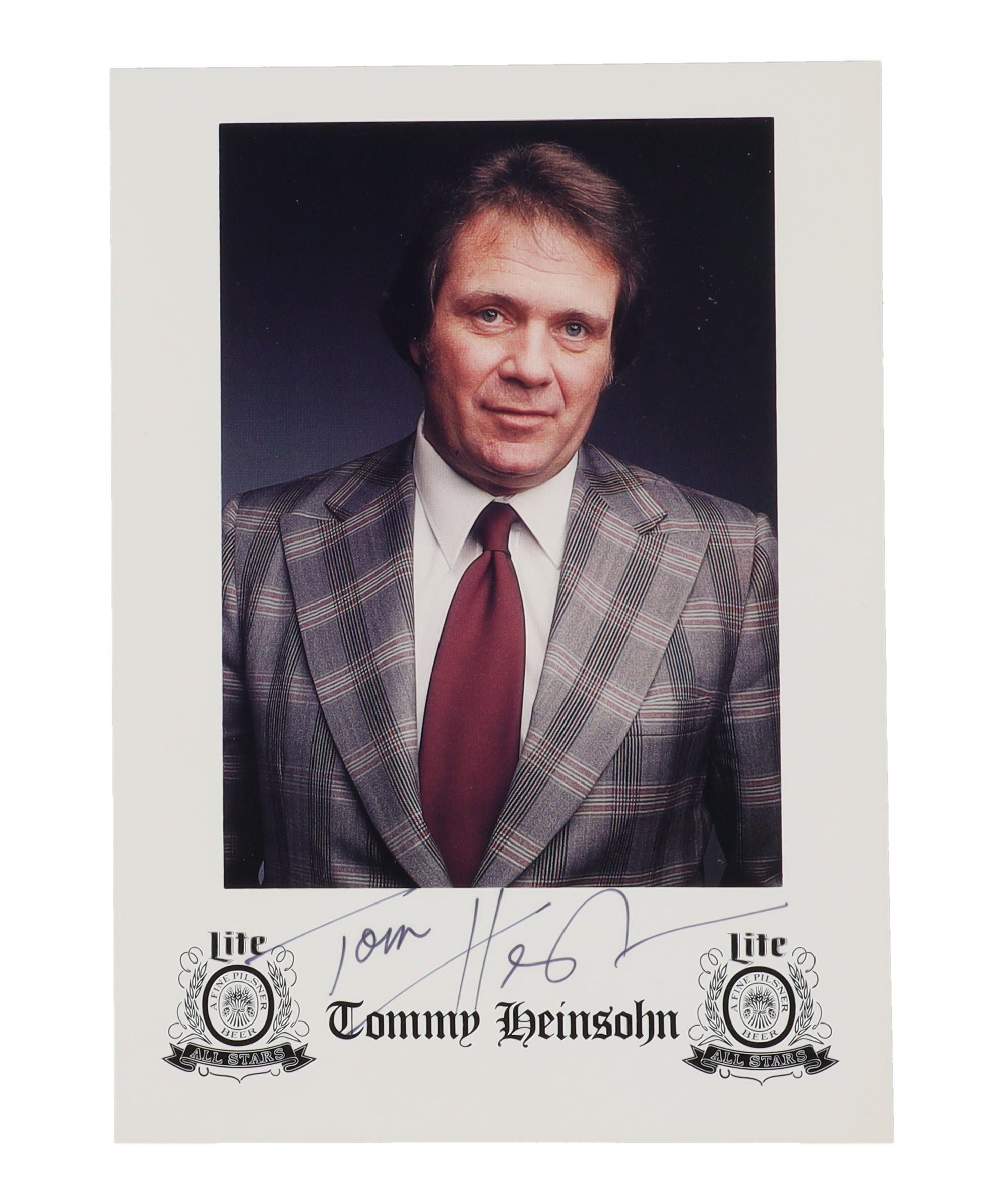
Tom Heinsohn was inducted into the Naismith Memorial Basketball Hall of Fame twice: once as a player in 1986 and once as a coach in 2015. This dual recognition is rare and significantly increased his value as a public speaker and autograph signer in his later years.
Is his artwork still being sold?
Yes, Heinsohn's paintings continue to circulate in the secondary art market and are highly sought after by Boston sports fans and collectors of New England landscapes. The sales of these works contribute to the ongoing charitable efforts of his estate.
Final Recommendation for Researchers
When analyzing the net worth of a historical figure like Tom Heinsohn, it is vital to distinguish between liquid assets and career earnings. While modern players have higher liquidity due to massive cash contracts, Heinsohn’s wealth is a masterclass in diversification. For those studying the financial evolution of the NBA, Heinsohn serves as the premier example of how to leverage a regional sports legacy into long-term financial security through media, private business, and art.
Image Gallery