Why It Is Better to Take Calcium at Night: Benefits and Optimization Strategies
Taking calcium at night is generally considered more effective because bone resorption—the process where the body breaks down bone tissue—peaks during the overnight hours. Providing a calcium source before sleep helps maintain stable b...
Taking calcium at night is generally considered more effective because bone resorption—the process where the body breaks down bone tissue—peaks during the overnight hours. Providing a calcium source before sleep helps maintain stable blood calcium levels, potentially suppressing the nocturnal rise of parathyroid hormone (PTH) and better protecting bone density.
Contents
Understanding the Circadian Rhythm of Bone Metabolism
To understand why timing matters for calcium supplementation, one must look at the body's internal biological clock. Bone is a living tissue that undergoes constant "remodeling," a balanced cycle of bone formation (by cells called osteoblasts) and bone resorption (by cells called osteoclasts). This cycle is not constant throughout a 24-hour period; it follows a distinct circadian rhythm.
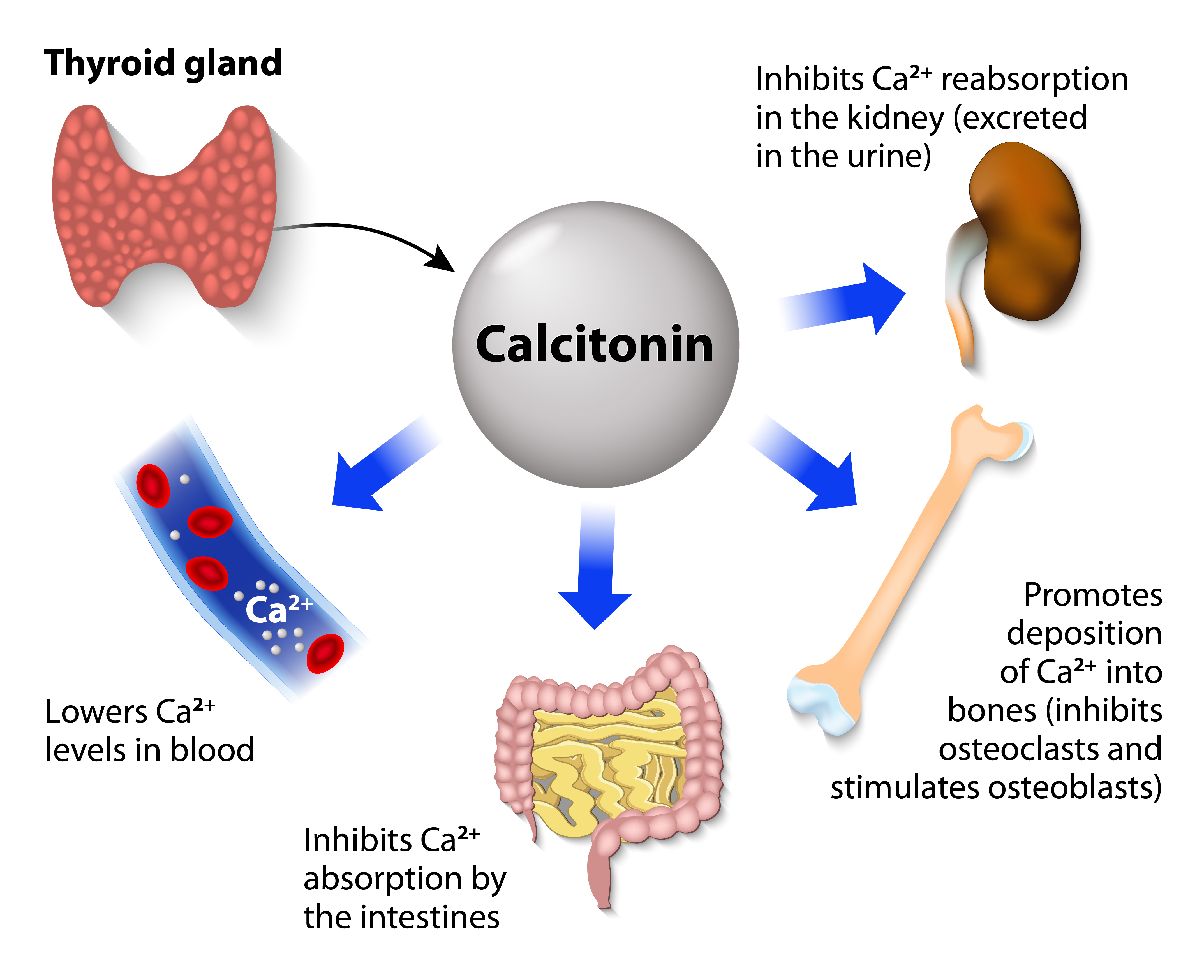
Research has consistently shown that bone resorption significantly increases during the night. As you sleep, your blood calcium levels naturally dip. In response, the parathyroid glands release parathyroid hormone (PTH). This hormone signals the osteoclasts to break down bone tissue to release calcium back into the bloodstream to maintain vital functions, such as nerve signaling and muscle contraction. By the year 2026, clinical consensus remains that providing the body with an exogenous source of calcium in the evening can mitigate this spike in PTH, thereby slowing the rate of bone loss that occurs while we sleep.
The Role of Parathyroid Hormone (PTH) and Bone Loss
The parathyroid glands act as the body's thermostat for calcium. When levels are low, PTH is secreted. While PTH is necessary for life, chronic elevations—especially the sharp surges seen during the early morning hours—are detrimental to skeletal integrity over time.
When you take calcium in the morning, the body utilizes it for immediate metabolic needs. However, by the time the nocturnal resorption peak arrives 12 to 16 hours later, that morning dose has often been processed and excreted. Taking a supplement later in the day, specifically with dinner or shortly before bed, ensures that there is a higher concentration of circulating calcium during the critical "window of bone loss." This proactive approach helps "trick" the parathyroid glands into staying dormant, as they perceive sufficient calcium availability in the blood, reducing the need to harvest it from your skeleton.
Types of Calcium and Their Timing Requirements
Not all calcium supplements are created equal, and the specific form you choose dictates exactly when "at night" you should take it. The two most common forms are calcium carbonate and calcium citrate, and they interact differently with stomach acid and food.
Calcium Carbonate
Calcium carbonate is the most common and least expensive form of the supplement. However, it is highly dependent on stomach acid for absorption. For this reason, if you choose to take calcium carbonate at night, it should be taken with your evening meal. The presence of food triggers the production of hydrochloric acid in the stomach, which is necessary to break down the carbonate bond and allow the calcium to be absorbed. Taking this form on an empty stomach right before bed often results in poor absorption and potential gastrointestinal discomfort.
Calcium Citrate
Calcium citrate is more easily absorbed and does not require stomach acid to be processed. This makes it a more flexible option for nighttime use. You can take calcium citrate with dinner or right before bed on an empty stomach. For older adults or those taking acid-reducing medications (like PPIs for acid reflux), calcium citrate is frequently the preferred choice because it bypasses the need for high stomach acidity.
The Synergy Between Calcium and Sleep Quality
Beyond bone health, there is evidence suggesting that taking calcium at night may improve sleep quality. Calcium is a vital component in the production of melatonin, the hormone responsible for regulating the sleep-wake cycle. Calcium helps the brain utilize the amino acid tryptophan to manufacture melatonin.
Furthermore, calcium is a natural relaxant for the muscular and nervous systems. A deficiency in calcium can lead to sleep disturbances, including difficulty falling asleep and reaching deep REM cycles. By stabilizing the nervous system in the evening, a calcium supplement can serve as a non-sedative aid for those who experience restlessness or leg cramps at night. In clinical observations updated through 2026, patients often report a more "restful" transition into sleep when their mineral levels are optimized in the evening hours.
Avoiding Nutrient Competition and Interference
One of the most practical reasons for moving calcium to the evening is to avoid "nutrient competition." The human body uses similar pathways to absorb several key minerals. If you take calcium in the morning alongside a multivitamin or a meal high in other minerals, the calcium can actually block the absorption of other vital nutrients.
- Iron: Calcium and iron compete for the same receptors. If taken together, the body will prioritize calcium, leading to a significant decrease in iron absorption. This is particularly concerning for individuals with anemia.
- Zinc and Magnesium: While magnesium is often paired with calcium, taking very high doses of calcium simultaneously can reduce the uptake of zinc and magnesium.
- Thyroid Medication: Many people take thyroid hormones (like levothyroxine) in the morning. Calcium is notorious for binding to thyroid medication and preventing its absorption. Doctors typically recommend a gap of at least four hours between thyroid meds and calcium supplements.
By shifting your calcium intake to the evening, you create a "clear window" in the morning for your other supplements and medications to work effectively without interference.
The 500mg Rule: Maximizing Absorption Efficiency
The body has a strict limit on how much calcium it can absorb at one time. Generally, the intestinal tract cannot efficiently process more than 500mg to 600mg of elemental calcium in a single sitting. If you take a 1,200mg dose all at once at night, a significant portion of that mineral will simply pass through your system unabsorbed, potentially causing constipation or increasing the risk of kidney stones.
To maximize the "nighttime advantage," you should evaluate your total daily requirement. If your doctor recommends 1,000mg per day, the most effective strategy is to split the dose: 500mg with breakfast or lunch, and the final 500mg in the evening. This ensures that the body has a steady supply of calcium throughout the day and the necessary "booster" right before the nighttime resorption peak.
Comparison of Calcium Forms for Nighttime Use
| Feature | Calcium Carbonate | Calcium Citrate |
|---|---|---|
| Elemental Calcium % | High (~40%) | Lower (~21%) |
| Stomach Acid Required | Yes | No |
| Best Time to Take | With Dinner | With Dinner or at Bedtime |
| Cost | Low | Moderate to High |
| Pill Size | Generally Smaller | Generally Larger |
| Absorption Rate | Good (with food) | Excellent (anytime) |
Risks and Precautions for Evening Dosing
While nighttime is often better, there are specific considerations to keep in mind to ensure safety and efficacy.
- Hydration: Calcium supplements can be slightly dehydrating to the digestive tract. If you take your supplement right before bed, ensure you drink a full glass of water. This helps the tablet dissolve and reduces the risk of constipation.
- Kidney Stones: For those prone to calcium-oxalate kidney stones, taking calcium with a meal (even an evening meal) is actually better than taking it on an empty stomach. When taken with food, calcium binds to oxalates in the digestive tract, preventing them from entering the kidneys.
- Vitamin D and K2: Calcium does not work in a vacuum. To be deposited into the bones rather than the arteries, the body requires Vitamin D3 and Vitamin K2. Most 2026 health guidelines suggest ensuring these co-factors are present in your daily regimen to avoid "vascular calcification."
Frequently Asked Questions
Can I take calcium with my evening magnesium supplement?
Yes, calcium and magnesium are often taken together at night. Magnesium also aids in muscle relaxation and sleep. However, if you are taking high therapeutic doses of both (over 500mg each), they may compete for absorption. A common ratio is 2:1 (calcium to magnesium).
Will taking calcium at night cause insomnia?
No, calcium is generally associated with improved sleep. Because it helps the brain produce melatonin and relaxes the muscles, it is more likely to help you sleep than to keep you awake. If you experience wakefulness, it may be due to other additives in the supplement rather than the calcium itself.
Does it matter if I drink milk at night instead of taking a pill?
Dairy products are excellent sources of calcium and contain lactose and Vitamin D, which aid absorption. A glass of milk at night provides roughly 300mg of calcium and can serve the same purpose as a supplement in suppressing nighttime bone resorption.
Should I avoid taking calcium if I take heart medication at night?
If you take calcium channel blockers or certain blood pressure medications, you must consult your physician. Calcium supplements can interfere with the efficacy of these drugs. Generally, a two-to-four-hour window is required between the supplement and the medication.
Can I take calcium carbonate right before bed if I haven't eaten?
It is not recommended. Calcium carbonate requires stomach acid for breakdown. Without food, the absorption rate drops significantly, and you may experience gas, bloating, or "acid rebound" during the night.
Recommendation for Optimal Results
To achieve the best results for bone density and overall health, take your primary calcium dose with your evening meal. If you are using calcium carbonate, this meal is essential for absorption. If you use calcium citrate, the timing is more flexible, but taking it in the evening remains superior for countering the body's natural nighttime bone-thinning process. Always ensure your daily Vitamin D levels are sufficient, as calcium cannot be absorbed by the bones without it. If you require more than 600mg of supplemental calcium daily, split the dose between your morning and evening meals to ensure maximum bioavailability.
Disclaimer: This information is for educational purposes and does not constitute medical advice. Consult with a healthcare professional or a registered dietitian before starting a new supplement regimen, especially if you have pre-existing kidney conditions or are taking prescription medications.
Image Gallery