How to Fix a Zipper That Won't Stay Up
A zipper that repeatedly slides down on its own is usually caused by a worn slider mechanism that fails to lock properly against the teeth, a loose retainer box, or a bent pull tab. You can typically fix this common clothing malfunctio...
A zipper that repeatedly slides down on its own is usually caused by a worn slider mechanism that fails to lock properly against the teeth, a loose retainer box, or a bent pull tab. You can typically fix this common clothing malfunction using household tools like needle-nose pliers, household lubricants, or simple temporary fixes like a rubber band or keychain ring.
Contents
Understanding Why Zippers Fail
When a zipper refuses to stay up, the root cause almost always traces back to the slider component. Zippers seem deceptively simple, but they are precision-engineered locking mechanisms. Understanding the mechanical relationship between the slider, the pull tab, and the teeth helps you select the correct repair method rather than blindly forcing the mechanism or discarding the garment.
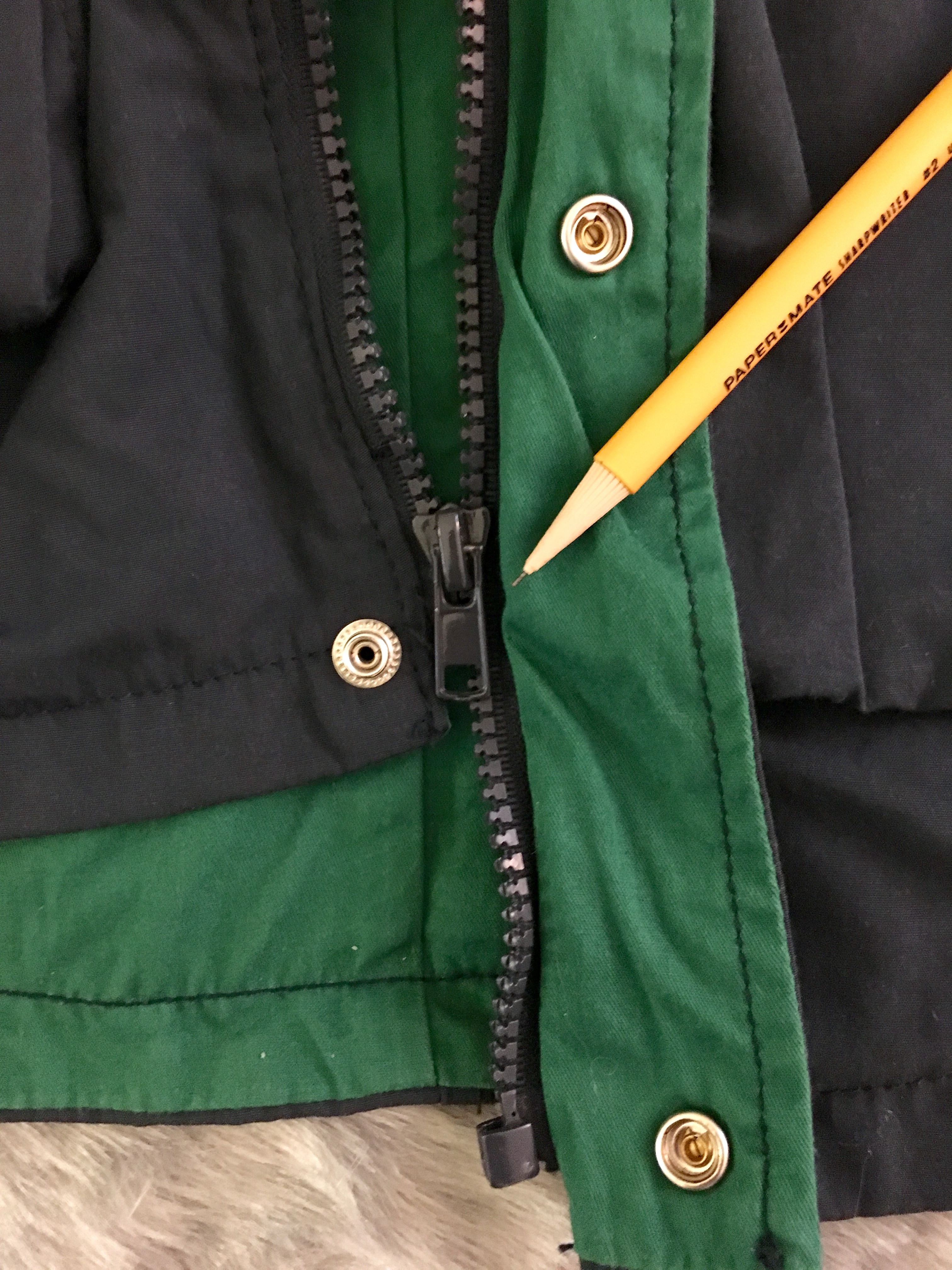
Most modern metal and nylon zippers rely on a locking slider. Inside the upper and lower plates of the slider, a small metal pin or locking tooth sits on a hinge or spring. When you pull the tab downward to zip a jacket, jeans, or bag, the pull tab pivots and lifts this internal locking pin out of the teeth. This allows the slider to glide freely.
When you let go of the pull tab, it drops flat against the slider, forcing the internal pin back down between the teeth to lock the slider in place. Over time, physical stress, washing machine cycles, fabric softener buildup, and general wear and tear can deform the slider body. If the plates of the slider spread apart even a fraction of a millimeter, the locking pin fails to engage the teeth securely, causing the zipper to slide down under gravity or movement.
Preliminary Diagnosis and Preparation
Before attempting any permanent mechanical adjustments, inspect the zipper thoroughly under good lighting. Determining the specific type of zipper and the exact nature of the failure prevents accidental damage to expensive garments or gear.
Identifying Your Zipper Type
- Metal Zippers: Commonly found on heavy denim jeans, leather jackets, and rugged canvas bags. These feature individual metal teeth (brass, aluminum, or nickel) and are structurally rigid.
- Molded Plastic Zippers: Characterized by thick, individual plastic teeth shaped like little blocks. Frequently used on heavy-duty winter coats and outdoor gear.
- Coil Zippers: Made from continuous loops of nylon or polyester coil stitched to fabric tape. These are flexible, common on backpacks, athletic wear, and lightweight hoodies.
Gathering Your Repair Tools
Depending on the severity of the issue and the chosen repair path, you may need a few basic tools found around most homes:
- Needle-Nose Pliers: Essential for gently squeezing widened metal slider plates back into alignment.
- Standard Tweezers: Useful for clearing lint, threads, and debris from inside the slider mechanism.
- Lubricant: Bar soap, beeswax, or a graphite pencil to reduce friction without staining fabric.
- Temporary Fixes: Small rubber bands, hair elastics, or metal key rings if the slider itself cannot be adjusted.
Method 1: Tightening the Slider with Pliers
For metal zippers on jeans, jackets, and bags where the slider plates have loosened, gentle mechanical compression provides the most effective permanent fix.
Step-by-Step Adjustment
- Position the Slider: Move the zipper slider down to the bottom of the track (the retainer box) if possible, or leave it midway if you are working on a closed-end zipper where the bottom is fixed.
- Inspect the Sides: Locate the left and right outer edges of the slider body—the walls connecting the top and bottom plates.
- Apply Gentle Pressure: Take your needle-nose pliers and place one jaw on the top plate and the other jaw on the bottom plate, positioning them directly over the outer edges of the slider.
- Squeeze Cautiously: Apply firm, controlled pressure to squeeze the plates slightly closer together. Do not crush the slider. Metal fatigue can cause cheap alloy sliders to snap entirely. Apply a small amount of pressure, then test the zipper.
- Test and Repeat: Pull the zipper up. If it still slips, apply slightly more pressure to the opposite end of the slider, testing frequently until the locking pin engages firmly with the teeth.
Method 2: Lubricating and Cleaning the Track
Sometimes a zipper slides down not because the slider is broken, but because accumulated dirt, lint, or excessive friction prevents the teeth from meshing deeply enough for the locking pin to seat properly.
Cleaning Debris
Inspect the channel of the slider and the spaces between the teeth. Use a pair of tweezers or a sewing needle to carefully pull out trapped threads, fabric fuzz, or pet hair. Even a small accumulation of lint can keep the slider plates propped apart just enough to disable the locking mechanism.
Applying Lubricant
Never use heavy machine oils or cooking oils on clothing zippers, as these will permanently stain the fabric and attract more dirt. Instead, choose clean, dry lubricants:
- Graphite: Rub the soft lead of a standard graphite pencil back and forth across the zipper teeth. The carbon acts as a dry lubricant.
- Beeswax or Paraffin: Rub a block of beeswax or an unscented white candle along the teeth on both sides.
- Bar Soap: Rub a dry bar of soap along the teeth.
After applying the dry lubricant, run the zipper up and down several times to distribute the substance evenly across the teeth and inside the slider mechanism.
Method 3: Quick Temporary Fixes Without Tools
If you are away from home, at work, or dealing with a delicate garment where you cannot use pliers, several clever household hacks keep a zipper up until you can perform a proper repair or replacement.
| Temporary Fix | Best Used For | How It Works |
|---|---|---|
| Rubber Band / Hair Tie | Jeans and trousers | Loop a small rubber band through the zipper pull tab, pull the loop through the buttonhole, and loop it over the pants button. |
| Key Ring | Jackets and hoodies | Attach a small metal split ring to the zipper pull tab, pull the zipper up, and hook the ring over the jacket button or toggle. |
| Clear Nail Polish | Slipping sliders | Apply a thin coat of clear nail polish to the inside of the slider mechanism to add friction, allowing it to grip the teeth. Let dry completely. |
| Safety Pin | Heavy canvas bags | Pin the base of the zipper pull to the surrounding fabric, or pin the pull tab directly to the garment lining. |
Troubleshooting Persistent Failures and Replacement
If tightening the slider and lubricating the track fail to resolve the issue, the internal locking mechanism or the teeth themselves have suffered structural wear that cannot be undone.
When to Replace the Slider
If you squeeze the slider with pliers and it either snaps or immediately loosens back up the moment you pull it, the metal has lost its temper and structural integrity. Fortunately, you do not always need to replace the entire zipper tape. You can often slide a replacement slider onto the track if the top or bottom stops can be removed.
- Remove the top stops of the zipper using pliers.
- Slide the old, worn-out slider off the top of the tracks.
- Align a new slider of the exact same size and style onto the tracks.
- Reinstall or replace the top stops to prevent the slider from falling off the top.
When to Replace the Entire Zipper
For heavily frayed fabric tape, missing teeth, or molded plastic zippers with warped elements, patching individual components is insufficient. Tailors and garment repair shops typically charge a modest fee to replace a zipper entirely, making it a cost-effective option for favorite jackets and heavy coats.
Frequently Asked Questions
Why does my jeans zipper keep falling down throughout the day?
Jeans experience continuous outward lateral tension from movement, sitting, and breathing. This constant pressure wears out the locking pin inside the metal slider, allowing gravity and body movement to push the slider downward. Using the rubber band trick over the button or tightening the slider plates with pliers permanently solves this issue.
Can I use WD-40 to fix a stuck or slipping zipper?
You should avoid standard liquid WD-40 on clothing zippers. While it reduces friction temporarily, the petroleum base will soak into the surrounding fabric, creating permanent grease stains that attract dust, lint, and grime, ultimately worsening the problem. Stick to dry lubricants like graphite or beeswax.
What size replacement slider do I need for my jacket?
Slider sizes are stamped on the flat underside or side of the slider body, typically indicated by a number such as #3, #4, #5, #8, or #10. Measuring the width of the zipper teeth in millimeters can also help; for example, a #5 zipper generally has teeth measuring approximately 5 millimeters across when zipped.
Is it possible to fix missing zipper teeth?
Replacing missing individual teeth on metal or plastic zippers is extremely difficult and rarely durable. If a zipper has lost teeth in the middle of a track, the structural integrity is compromised, and the entire zipper assembly must be replaced by a professional or via a DIY sewing kit.
Next Actions and Preventive Care
To prevent your zippers from failing prematurely in the future, always close zippers fully before tossing garments into the washing machine to prevent the slider from banging against the drum. Fasten buttons and snaps before zipping to relieve mechanical tension. For outdoor gear and winter coats subjected to salt, mud, or moisture, wash and dry them according to manufacturer guidelines and apply a dry silicone spray or beeswax periodically to keep the tracks operating smoothly.
Image Gallery