What Is a National Identification Card? A Comprehensive Guide to Modern Identity Systems
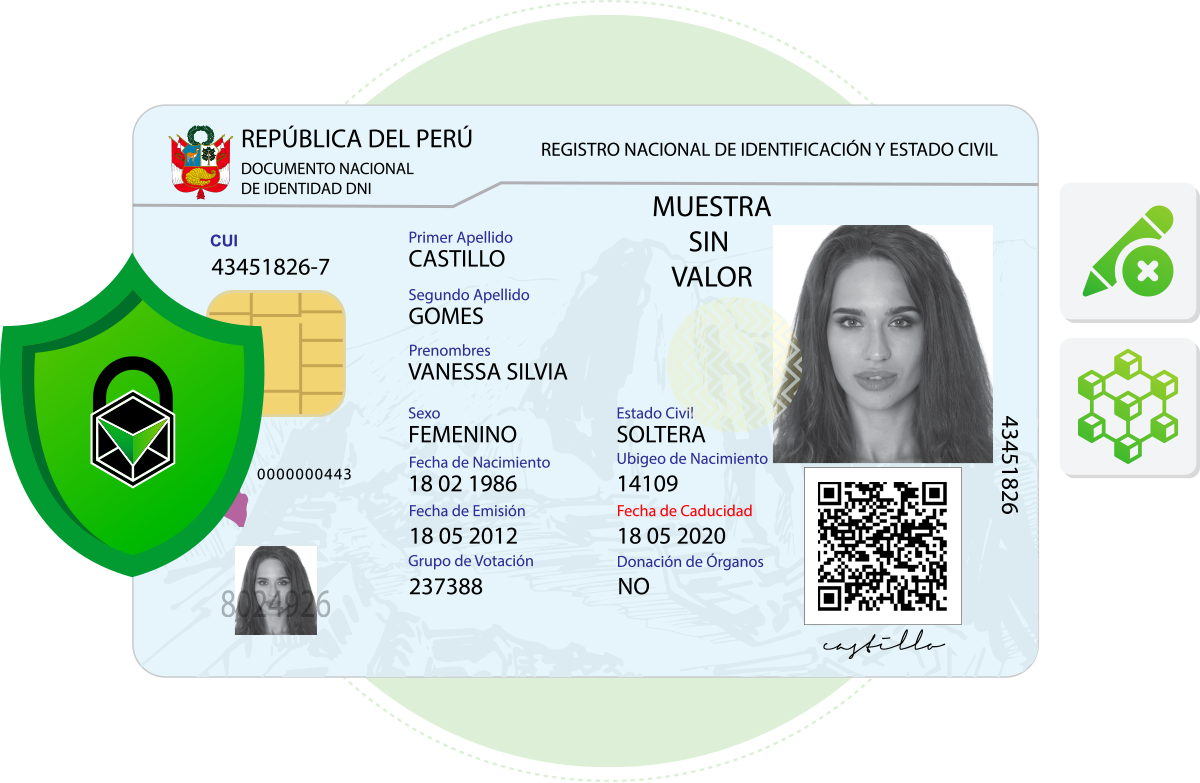
A national identification card is a government-issued document used to verify the identity and citizenship of an individual within a specific country. Often containing biometric data and digital chips, it serves as a central tool for a...
A national identification card is a government-issued document used to verify the identity and citizenship of an individual within a specific country. Often containing biometric data and digital chips, it serves as a central tool for accessing public services, voting, and cross-border travel, streamlining administrative processes between citizens and the state.
Contents
Defining the National Identification Card
At its core, a national identification card (NIC) is a foundational identity document. Unlike functional documents—such as a driver’s license (designed for road safety) or a student ID (designed for educational access)—the NIC is intended to be a primary source of truth for an individual's legal existence. It is typically issued by a central government authority, such as a Ministry of the Interior or a National Registration Office.
In 2026, the definition of a national ID has expanded beyond a mere plastic card. It now frequently exists as a digital identity (eID), which allows citizens to authenticate themselves online for banking, healthcare, and tax filings. While the physical card remains a tangible backup, the underlying data—verified against a central civil registry—is what constitutes the "identity."
The card typically displays basic biographical information, including:
- Full legal name and date of birth.
- A unique national identification number.
- The bearer's photograph and signature.
- Nationality or residency status.
- An expiration date to ensure the data and biometric markers remain current.
Common Components and Technologies
Modern identification systems are far more complex than the laminated paper cards of the 20th century. To combat identity theft and forgery, governments have integrated sophisticated security features that make these cards nearly impossible to replicate.
Biometric Data Integration
Most national ID cards issued today are "biometric." This means they store physiological characteristics that are unique to the individual. According to the International Civil Aviation Organization (ICAO), standard biometrics include fingerprints, facial recognition maps, and sometimes iris scans. This data is often stored on an embedded contactless chip (NFC), allowing authorities to verify the holder's identity with high precision.
Smart Card Chips (eID)
The inclusion of an electronic chip transforms a standard card into a "smart card." This technology allows for digital signatures, which have the same legal weight as a handwritten signature in many jurisdictions. For example, a citizen can plug their card into a reader or tap it against a smartphone to securely sign a legal contract or a mortgage application.
Visual Security Features
High-end NICs utilize "Level 1" security features that are visible to the naked eye, such as holograms, color-shifting inks, and laser-engraved personal data. "Level 2" features require basic equipment like ultraviolet (UV) lights, while "Level 3" features involve forensic-level forensics usually reserved for high-stakes law enforcement verification.
The Evolution of National IDs: From Paper to Digital
The history of national identification is a progression from surveillance and control toward service delivery and digital inclusion. Historically, ID cards were often associated with wartime mobilization or colonial administration. However, in the 21st century, the focus shifted toward the World Bank’s ID4D (Identification for Development) initiative, which aims to provide a legal identity for every human being by 2030.
As of 2026, the shift toward "mobile IDs" (mDLs or mIDs) has gained significant momentum. Many countries now allow citizens to store a digital version of their national ID in a secure smartphone wallet. These digital versions use Zero-Knowledge Proofs (ZKP), a cryptographic method that allows a user to prove something (like being over 21) without revealing their actual birthdate or other sensitive information.
Types of National Identity Systems
Not all countries approach national identity in the same way. Generally, global systems fall into three categories:
1. Mandatory Systems
In countries like Belgium, Spain, and Germany, citizens of a certain age are legally required to possess and carry a national ID card. These cards are the primary method for interacting with the government. Failure to produce a card upon request by law enforcement can sometimes lead to fines.
2. Voluntary Systems
Countries like France and Italy offer national ID cards that are technically voluntary but practically essential. While you might not be fined for not having one, you may find it difficult to open a bank account, rent an apartment, or collect social security benefits without this standardized proof of identity.
3. Functional Equivalents (The De Facto Approach)
In "Anglosphere" countries like the United States, the United Kingdom, and Australia, there is often a cultural or political resistance to a single national ID card. Instead, these countries rely on a patchwork of documents. In the U.S., the REAL ID Act has effectively turned state-issued driver's licenses into a federal identification standard for domestic air travel, though it is not a "national ID" in the strictest legal sense.
Global Implementation and Variations
The implementation of national ID systems varies wildly based on a country's infrastructure and legal philosophy.
| Feature | Estonia (e-ID) | India (Aadhaar) | USA (REAL ID) |
|---|---|---|---|
| Mandatory | Yes | De Facto (for services) | No (for identity, yes for travel) |
| Biometrics | Facial/Chip | Fingerprint/Iris | Facial (Photo) |
| Digital Use | Full (Voting/Banking) | High (Subsidies) | Limited (Authentication) |
| Physical Card | Smart Card | Paper/Plastic/Digital | Driver's License |
| Central Registry | Yes | Yes | Decentralized (State-run) |
Estonia: The Digital Gold Standard
Estonia is widely considered the world leader in digital identity. Their national ID card is a mandatory smart card that provides access to 99% of public services online. Estonians can vote from their living rooms, file taxes in minutes, and view their medical records securely, all using their national eID.
India: The Aadhaar System
India’s Aadhaar program is the world’s largest biometric identity system. Managed by the Unique Identification Authority of India (UIDAI), it provides a 12-digit unique number to residents based on their biometric and demographic data. While initially intended for the fair distribution of welfare, it has become the primary identity tool for the Indian economy.
Benefits and Challenges of National Identity Schemes
The debate over national ID cards often centers on the balance between administrative efficiency and individual privacy.
The Advantages
- Reduced Fraud: Biometric verification makes it extremely difficult for individuals to claim multiple identities or commit "ghost" fraud in social benefit programs.
- Financial Inclusion: For many people in developing nations, a national ID is the first step toward getting a bank account or a formal loan.
- Streamlined Travel: Within regions like the European Union’s Schengen Area, a national ID card is sufficient for cross-border travel, eliminating the need for a bulky passport.
- Crisis Response: During public health emergencies or natural disasters, a national ID allows governments to distribute aid quickly and accurately to the right people.
The Challenges and Risks
- Privacy Concerns: Centralized databases are "honeypots" for hackers. A single breach of a national ID registry can expose the sensitive data of an entire population.
- State Surveillance: Civil liberties advocates argue that mandatory ID cards allow the state to track citizens' movements and associations more easily.
- Exclusion: If a system is poorly designed, vulnerable populations (such as the homeless or those in remote areas) may struggle to get the card, effectively "locking" them out of society.
Comparing National ID Cards with Other Documents
It is a common mistake to confuse national ID cards with other forms of documentation. Here is how they differ:
- Passport: A passport is primarily an international travel document that certifies your citizenship to foreign governments. A national ID is primarily for internal use and service access.
- Driver’s License: This confirms your ability to operate a vehicle. While often used as an ID, it is not proof of citizenship and does not grant access to the same suite of federal services as an NIC.
- Social Security Card: In the U.S., this is a tax and benefits record. It lacks a photo and security features, making it a poor choice for identity verification, despite its frequent misuse for that purpose.
Privacy and Cybersecurity Considerations in 2026
As we move through 2026, the focus has shifted toward Self-Sovereign Identity (SSI). This is a model where individuals own and control their identity data on their own devices, using blockchain or distributed ledger technology to provide "claims" of identity without needing to query a central government database every time.
To protect yourself, it is essential to treat your national ID with the same level of security as a credit card. Never share photos of your card on social media, and be wary of third-party apps that ask for your national ID number or a scan of the card unless you can verify their security protocols.
Frequently Asked Questions
Can I travel internationally with a national ID card?
Generally, national ID cards are intended for domestic use or travel within specific regional blocs. For example, citizens of the European Union can travel throughout the EU and several non-EU countries (like Switzerland and Norway) using only their national ID. However, for most intercontinental travel, a valid passport is still required.
What should I do if I lose my national ID card?
You should report the loss immediately to the issuing authority and, in many cases, the police. This prevents "identity takeover" where someone else uses your card to open accounts or commit crimes. Most countries have a dedicated online portal for deactivating the digital certificates on the lost card and ordering a replacement.
Is a national identification card the same as a citizenship certificate?
No. A citizenship certificate is a document that proves you are a citizen of a country, often issued at birth or upon naturalization. A national ID card is a dynamic document used for daily verification. While the card is based on your citizenship or residency status, it is an identification tool, not a foundational legal status document.
Does the United States have a national ID card?
Technically, no. The U.S. has no single, mandatory federal identity card. However, the REAL ID-compliant driver's licenses and state IDs fulfill many of the same functions for domestic flights and entry into federal buildings. The U.S. Passport Card is perhaps the closest thing to a voluntary national ID for U.S. citizens.
Are digital ID cards safe from hacking?
While no system is 100% secure, modern eID cards use high-level encryption (AES-256 or higher) and Multi-Factor Authentication (MFA). The risk often lies not in the card itself, but in the central databases or the mobile devices where digital versions are stored. Using biometric locks and updated software is critical for maintaining security.
Practical Next Steps
If you live in a country that issues national ID cards, your first step should be to visit the official website of your national government’s identity or interior department. Check the validity of your current card; many smart cards have digital certificates that expire before the physical card does. If you do not have a card, review the eligibility requirements, as having one is increasingly becoming a prerequisite for participating in the modern digital economy.
Image Gallery