Custom Luncheon Napkins: Material Guide, Sizing Options, and Event Branding Strategies
Custom luncheon napkins serve as functional tabletop essentials and versatile branding tools, elevating table settings for weddings, corporate galas, and boutique catering events through tailored printing, material selection, and preci...
Custom luncheon napkins serve as functional tabletop essentials and versatile branding tools, elevating table settings for weddings, corporate galas, and boutique catering events through tailored printing, material selection, and precise sizing options.
Contents
When planning an event, hosting a corporate gathering, or running a catering business, every detail contributes to the guest experience. Among the array of tabletop accessories, custom luncheon napkins occupy a unique space by bridging practical utility with sophisticated aesthetic branding. Whether monogrammed with a couple's initials for a wedding reception, stamped with a minimalist corporate logo for a product launch, or printed with festive artwork for a holiday gala, personalized luncheon napkins transform a standard paper product into a memorable design element. Achieving the right balance between appearance, texture, and functionality requires understanding paper weights, printing techniques, sizing specifications, and order logistics.
Defining Custom Luncheon Napkins and Standard Specifications
In the hospitality and event planning industries, a luncheon napkin refers to a specific size category that sits between smaller beverage (cocktail) napkins and larger dinner napkins. Standard luncheon napkins typically measure approximately 6.5 inches by 6.5 inches when folded, opening out to 13 inches by 13 inches. This dimension makes them exceptionally versatile—large enough to accompany a midday meal, hors d'oeuvres stations, or dessert tables without overwhelming the place setting.
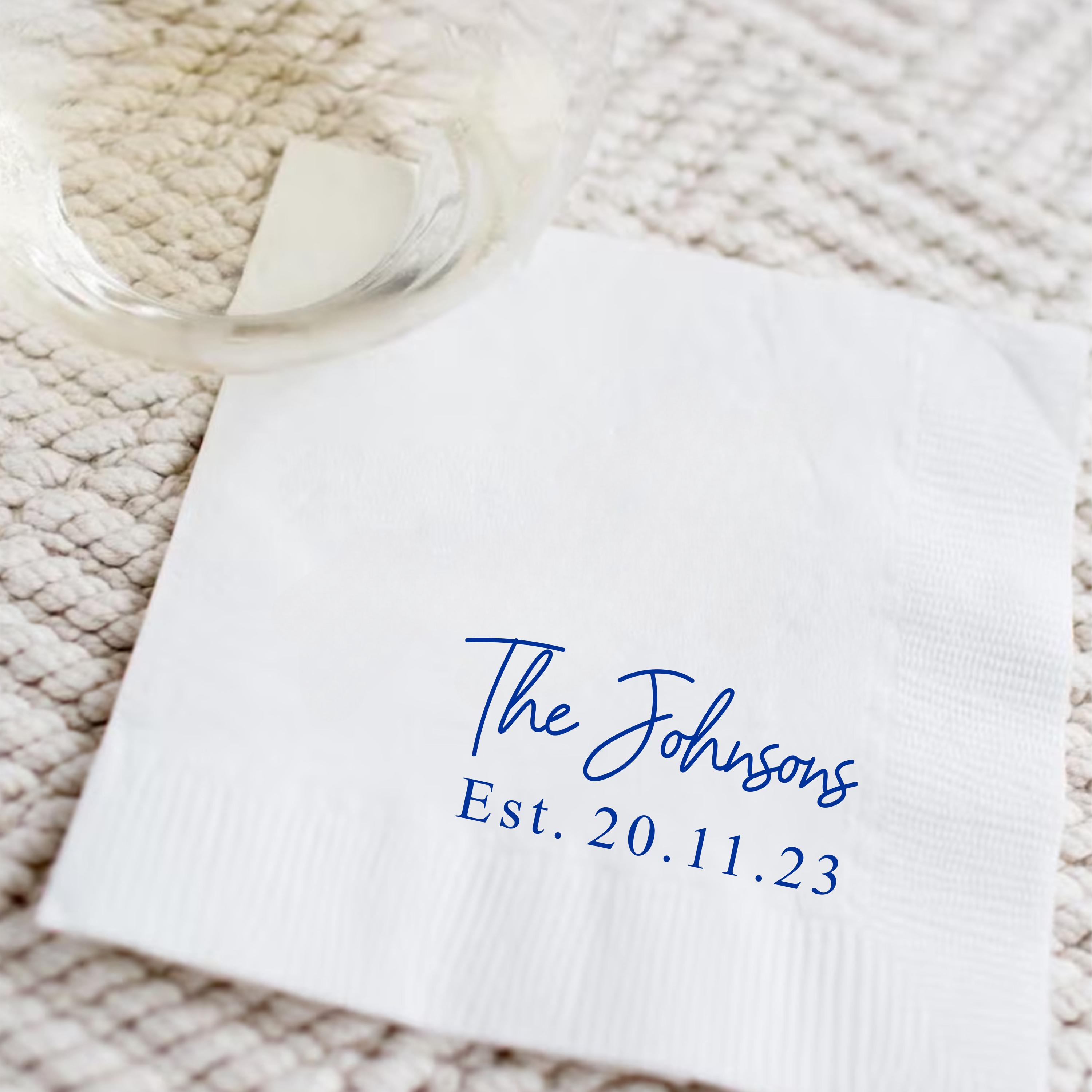
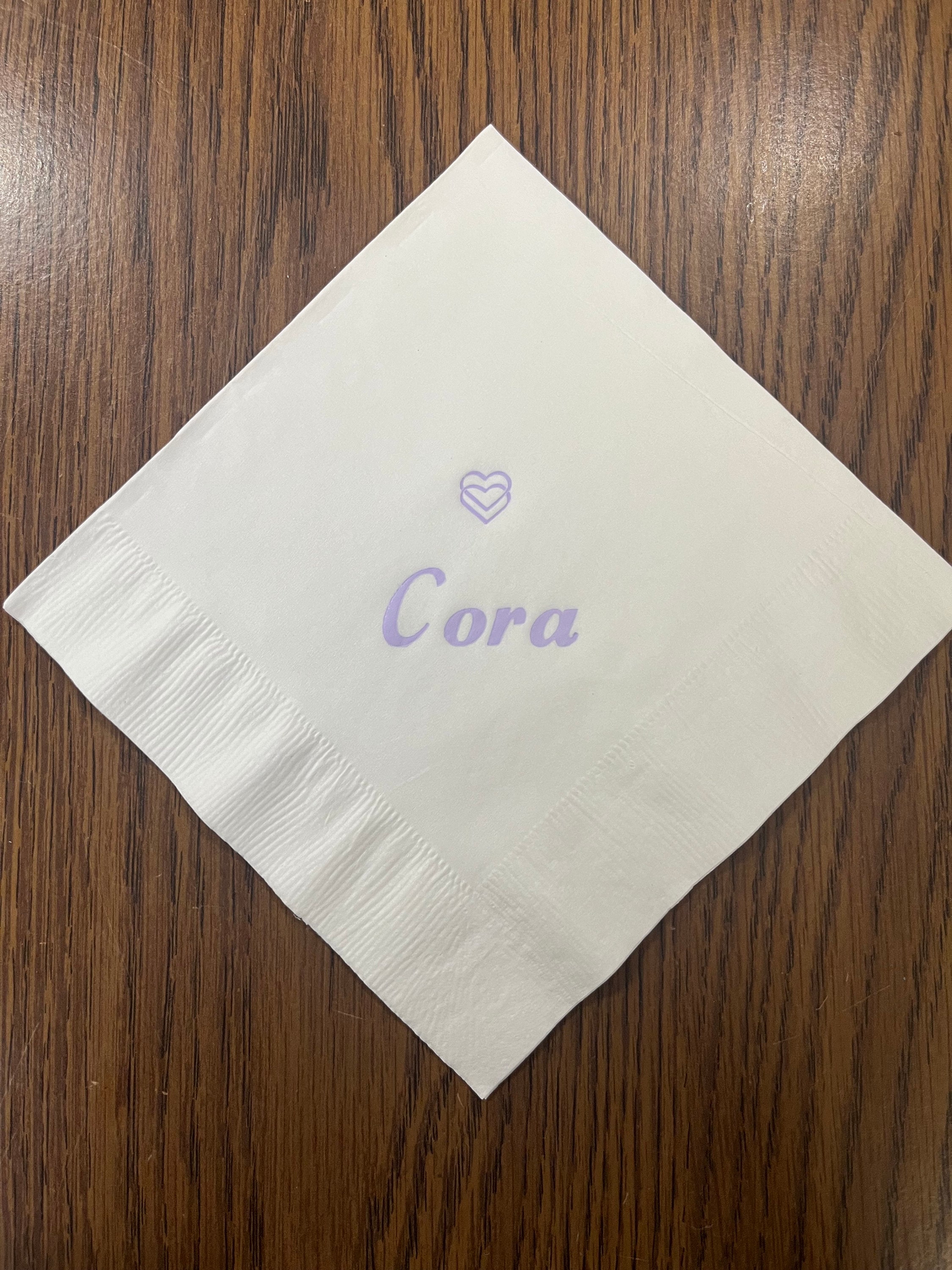
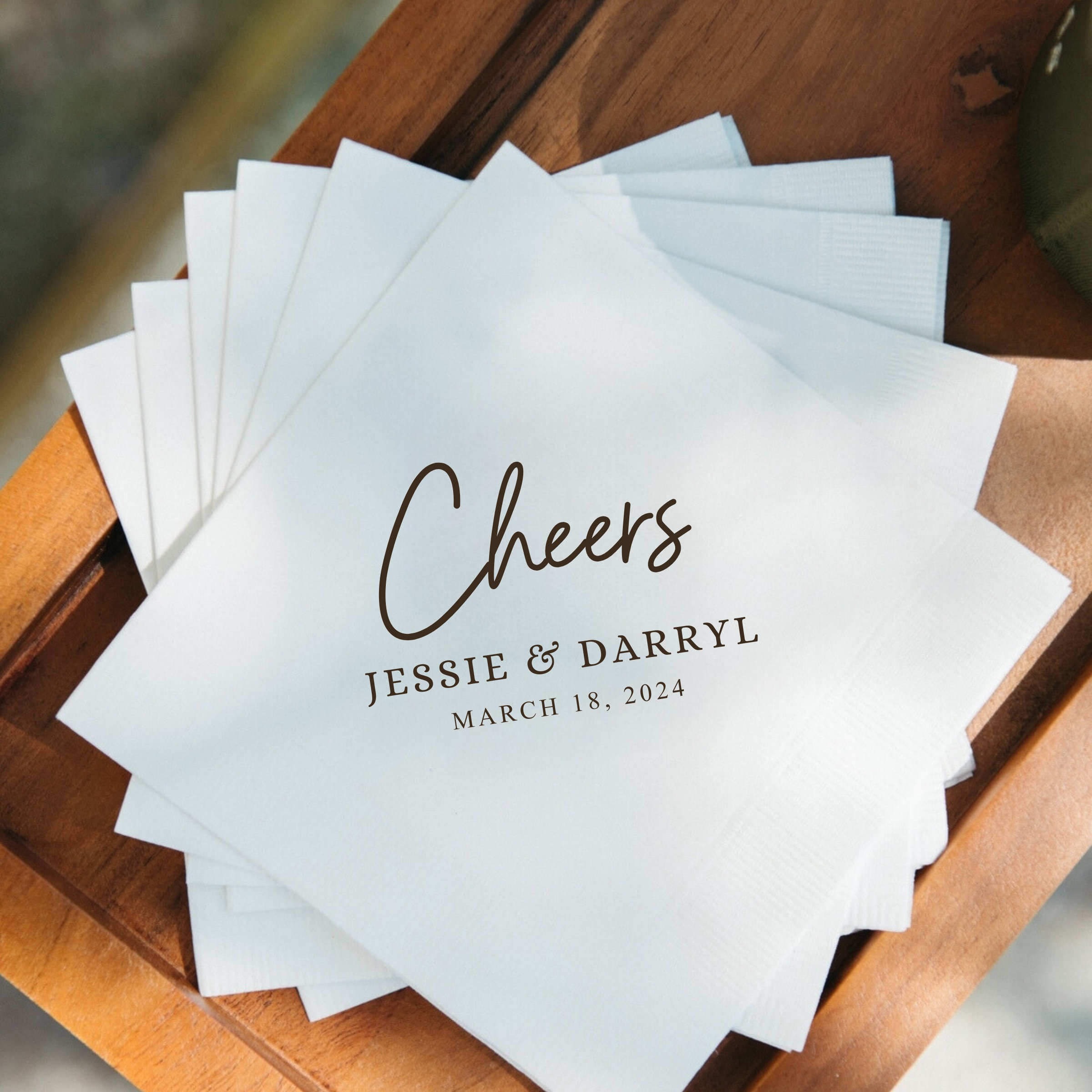
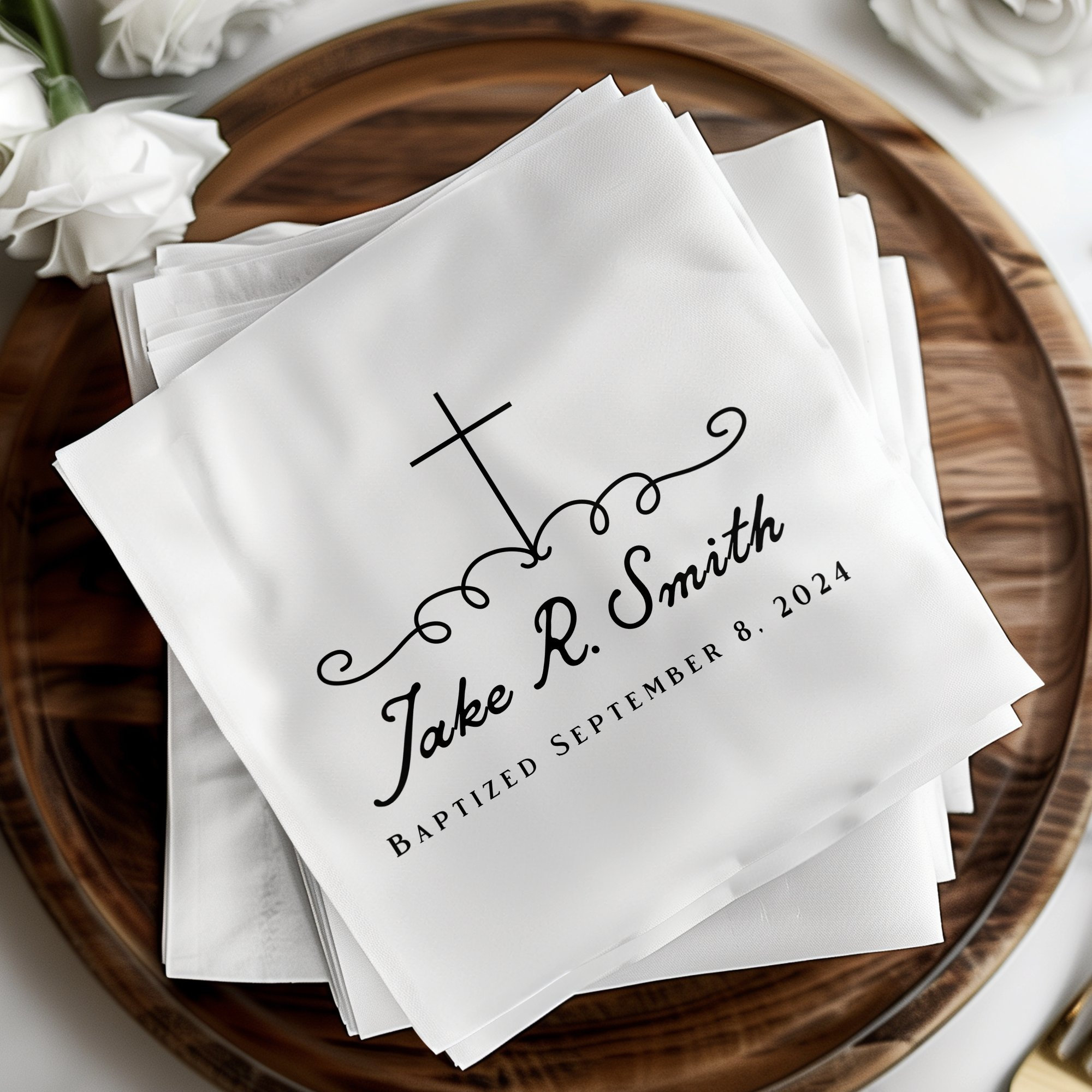
Customization involves applying proprietary artwork, monograms, text, or brand logos onto these blank substrates. Unlike generic retail napkins, custom iterations allow hosts and business owners to control the ink color, foil stamping finish, font style, and napkin color to match their exact event palette or brand identity. The primary goal is to provide reliable absorbency while serving as a subtle yet effective canvas for visual communication.
Material Composition and Quality Tiers
The performance, look, and tactile feel of custom luncheon napkins depend heavily on the material chosen during the manufacturing process. Manufacturers generally offer two main material categories: paper-based substrates and textile alternatives. Within paper substrates, quality varies by ply count and manufacturing method.
2-Ply and 3-Ply Paper Napkins
Standard custom luncheon napkins are most commonly produced in 2-ply or 3-ply configurations using cellulose paper.
- 2-Ply Napkins: These feature two layers of tissue paper bonded together. They represent the most economical option, suitable for casual corporate mixers, large-scale community events, and high-volume cocktail hours where turnover is rapid. While functional, they offer lighter absorbency.
- 3-Ply Napkins: Comprising three layers of tissue, 3-ply napkins provide superior thickness, durability, and absorbency. They feel more substantial in the hand, making them the preferred choice for sit-down luncheon events, upscale weddings, and VIP corporate dinners.
Airlaid and Linen-Feel Substrates
For events demanding an ultra-premium touch, airlaid paper—frequently marketed as "linen-feel" or "dexter" paper—serves as the gold standard in disposable table settings. Airlaid napkins are manufactured using a dry-papermaking process where air is used to transport fibers on a forming screen, resulting in a textile-like fabric made from cellulose. They are remarkably soft, highly absorbent, and do not tear easily when damp. They mimic the drape and texture of real cloth linen while maintaining the convenience of disposability.
Printing Methods and Customization Options
The visual appeal of custom luncheon napkins relies heavily on the printing technology applied. Different techniques yield distinct finishes, textures, and cost structures.
| Printing Method | Best Suited For | Visual Finish | Texture / Feel |
|---|---|---|---|
| Flexographic Print | Large volume orders, solid spot colors | Matte, smooth ink layer; flat appearance | Standard paper texture remains largely unaffected |
| Foil Stamping | Elegant monograms, metallic branding, weddings | High-gloss or matte metallic (gold, silver, rose gold) | Indented impression with a raised, tactile metallic foil |
| Digital Printing | Full-color artwork, intricate gradients, photographic prints | Full spectrum color, vivid saturation | Smooth finish, slight ink stiffness on heavy coverage |
Flexographic Printing
Flexographic printing uses flexible relief plates and fast-drying, water-based inks. It is the industry standard for high-volume custom napkin production. It delivers clean lines for spot colors and simple logos, offering a cost-effective solution when ordering in quantities of five hundred or more.
Foil Stamping
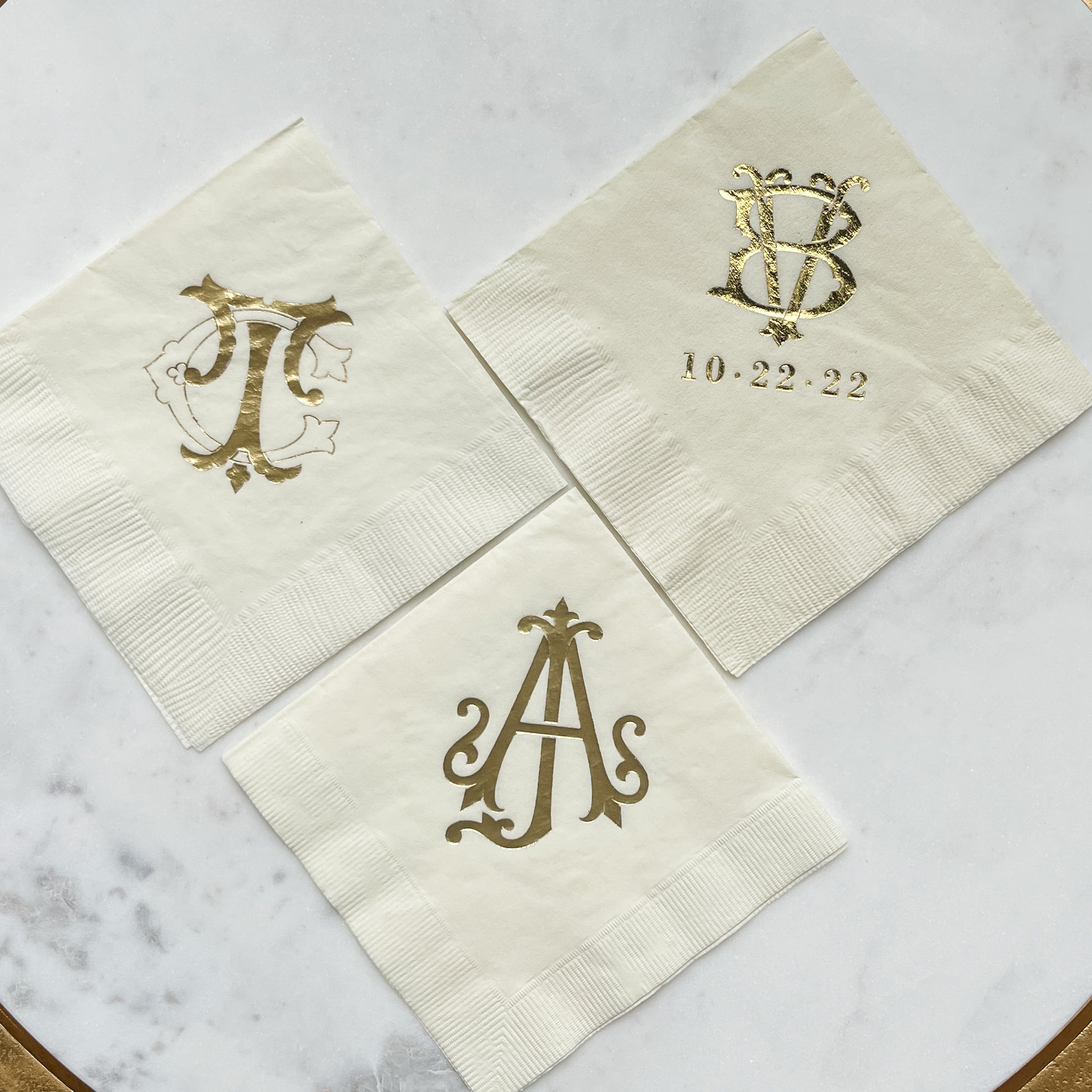
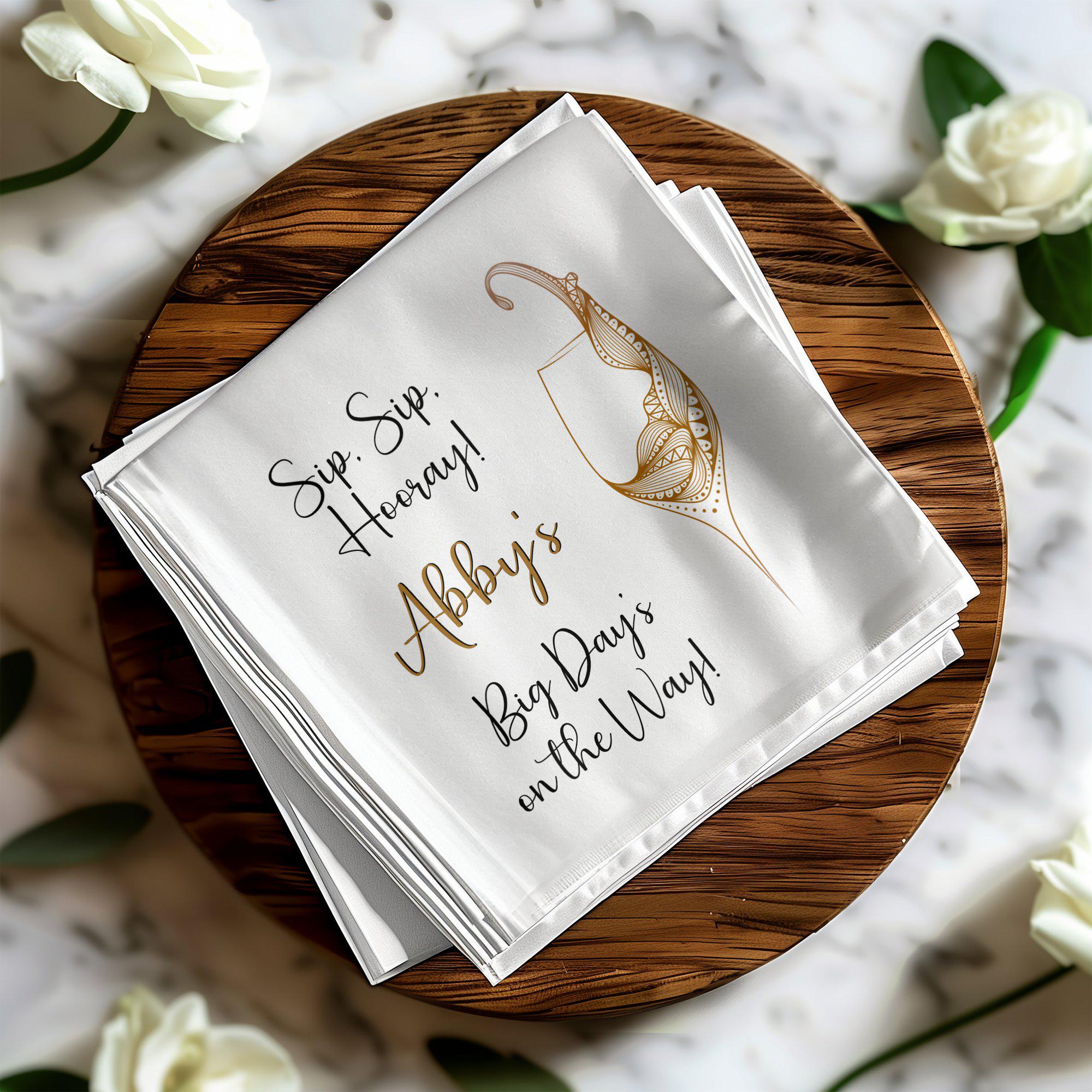
Foil stamping applies heat and pressure to transfer a thin metallic or pigmented foil film onto the napkin surface. This method produces a striking, reflective finish that catches ambient lighting. Gold, silver, copper, and rose gold foils are particularly popular for upscale weddings, anniversaries, and luxury corporate galas. The process creates a slight physical indentation (debossing) on the napkin, adding a tactile element of luxury.
Digital Printing
Digital printing accommodates multi-colored, complex artwork and photographic designs without requiring custom printing plates. While traditional foil and flexo printing excel at flat spot colors, digital methods allow brands to print full-color illustrations, intricate watercolor motifs, and detailed gradients directly onto the paper substrate.
Sizing and Folding Configurations
Understanding how luncheon napkins are folded helps planners determine how the printed artwork will appear when displayed on tables or inside caddies.
- Quarter Fold (Dinner Fold): The napkin is folded in half and in half again, creating a closed square. The printed design typically sits in the lower right-hand corner of the top-facing panel. When unfolded by the guest, the artwork remains oriented in one corner.
- Rectangle Fold (Long Fold): Often used in cutlery pockets or napkin wraps, this fold creates a rectangular profile.
- Open-Face Display: In catering displays, luncheon napkins are frequently unfolded once or fanned out in acrylic dispensers, exposing the full width of the custom imprint.
When designing artwork, graphic designers must account for "bleed" areas and safe zones, ensuring that text and logos do not fall too close to folded creases or edges where cutting tolerances may vary slightly during mass production.
Cost Considerations and Ordering Economics
Purchasing custom luncheon napkins involves evaluating pricing structures that differ significantly from standard retail paper goods. Because custom plates or setup routines are required, per-unit costs decrease substantially as order volumes increase.
Bulk Pricing Dynamics
Small-batch orders—such as fifty or one hundred napkins for an intimate dinner party—carry a higher unit cost because the setup labor and plate creation fees are distributed across a small quantity. Conversely, ordering in batches of five hundred, one thousand, or five thousand drastically reduces the cost per napkin. Event organizers should calculate total guest counts carefully, factoring in a standard surplus of 2 to 3 napkins per guest for cocktail hours, catering refreshes, and accidental drops.
Lead Times and Proofing
Custom printing requires lead times that generic products do not. Standard production runs generally take between 5 to 15 business days, excluding shipping transit times. Rush processing options are sometimes available for an additional fee. Reputable suppliers typically provide digital proofs for approval before production begins. Reviewing these proofs carefully prevents alignment errors, spelling mistakes in custom monograms, or incorrect color representations on colored paper substrates.
Environmental Considerations and Material Disposal
As sustainability becomes a central priority for consumers and corporate event planners alike, the environmental footprint of single-use paper products warrants close examination.
Most quality paper luncheon napkins are manufactured from renewable wood pulp sources. Buyers seeking eco-friendly alternatives should look for certifications such as the Forest Stewardship Council (FSC) certification, which guarantees that the pulp originates from responsibly managed forests that provide environmental, social, and economic benefits.
Additionally, many suppliers offer napkins made from 100% recycled content or post-consumer waste (PCW). Furthermore, when water-based inks and unbleached, chlorine-free paper stocks are utilized, the resulting napkins are fully biodegradable and compostable in industrial or municipal composting facilities. Event organizers should verify whether their catering venues have composting programs in place to ensure that post-event disposal aligns with sustainability goals.
Common Mistakes to Avoid When Ordering Custom Napkins
Navigating the custom printing process for tabletop accessories involves several common pitfalls that can affect the final outcome of an event:
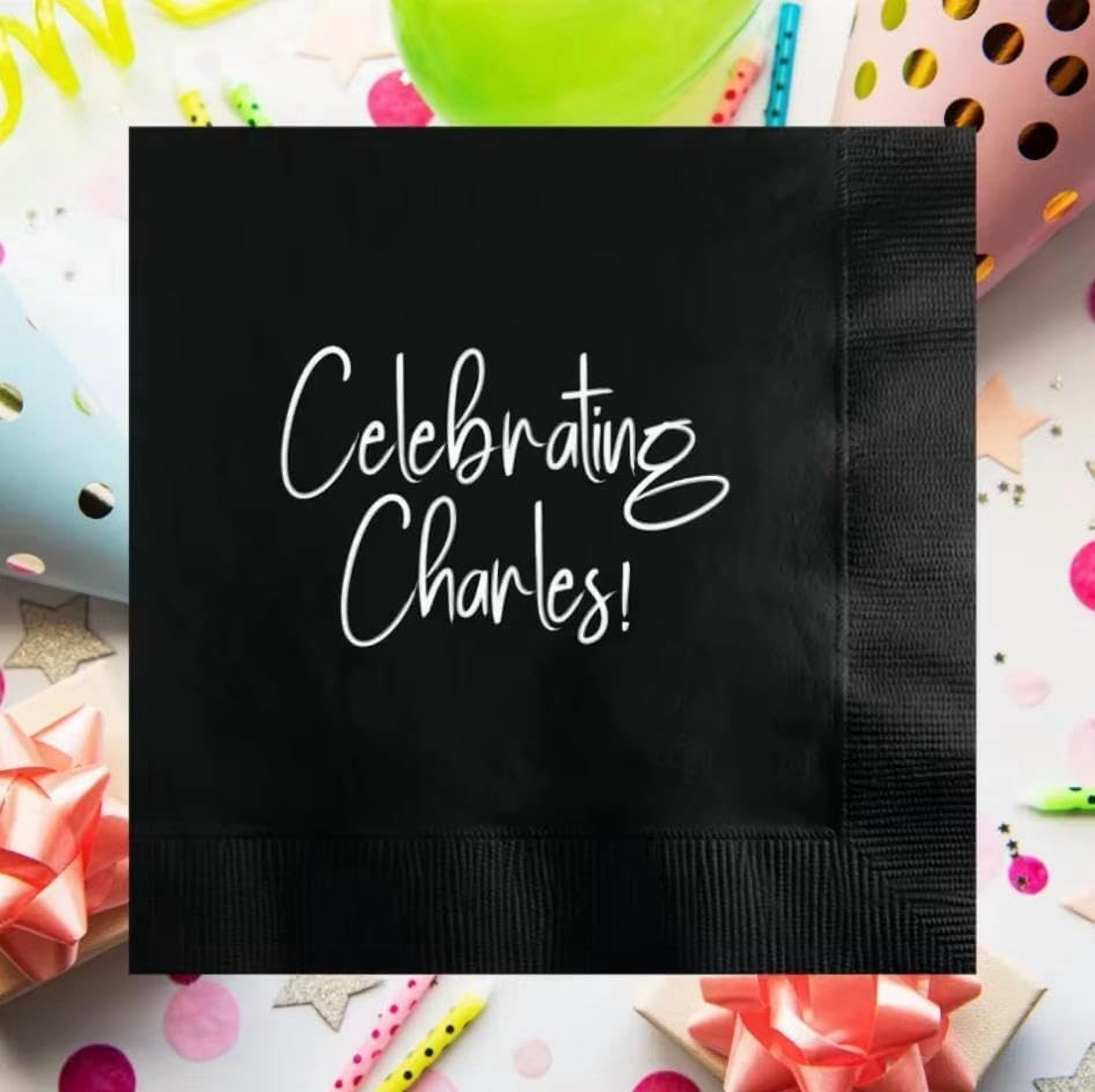
- Inadequate Contrast Between Ink and Napkin Color: Selecting dark ink on a dark napkin (such as navy blue ink on a black napkin) renders the custom imprint nearly invisible under dim event lighting. High contrast—such as metallic gold foil on ivory paper or white ink on deep emerald green—ensures legibility.
- Choosing Fine Fonts on Textured Substrates: Highly detailed, hairline typography often gets lost when printed on textured 3-ply or airlaid linen-feel paper. Bold, clean, sans-serif or classic serif fonts perform much better across varied paper textures.
- Underestimating Quantity Requirements: Running out of napkins midway through a cocktail reception or dinner service disrupts hospitality operations. Always factor in extra units for spills, bar service, and dessert courses.
- Ignoring Scale: A monogram or logo that looks appropriately sized on a computer screen may appear overly massive or microscopically small when translated onto a 6.5-inch square panel. Always check the physical dimensions specified by the manufacturer.
Frequently Asked Questions
What is the difference between luncheon napkins and beverage napkins?
Beverage napkins (often called cocktail napkins) are smaller, typically measuring 4.75 by 4.75 inches, designed specifically to accompany drinks and absorb condensation from glassware. Luncheon napkins are larger (6.5 by 6.5 inches) and are engineered to accompany light meals, hors d'oeuvres, or desserts, providing greater surface area and absorbency.
Can custom luncheon napkins be customized on both sides?
Most standard custom napkin printing methods apply ink or foil stamping to a single side (typically the top-facing quadrant when folded). Two-sided or all-over continuous printing is technically possible with specialized flexographic machinery, but it is rarely standard and usually requires custom manufacturing runs with higher minimum order quantities.
Are linen-feel airlaid napkins washable?
No. Despite their soft, cloth-like texture and durability, airlaid paper napkins are designed for single-use disposability. Attempting to wash and reuse them will cause the cellulose fibers to dissolve and disintegrate.
What is the standard turnaround time for custom printed napkins?
Standard production windows range from 5 to 15 business days from the moment the digital artwork proof is approved. Expedited or rush printing services can sometimes shorten this window to 2 to 4 business days for an additional fee.
How many custom napkins should I order for my event?
A general rule of thumb is to calculate 2 to 3 napkins per guest for events featuring food and cocktail service. For open bars or heavy hors d'oeuvres receptions, increasing this estimate to 3 or 4 napkins per guest helps ensure adequate supply throughout the gathering.
Conclusion and Next Actions
Selecting and ordering custom luncheon napkins requires balancing aesthetic preferences with functional requirements such as ply count, substrate texture, and printing style. By determining accurate guest counts, reviewing digital proofs carefully, and selecting materials that match the formality of the occasion—whether standard 3-ply paper for a business conference or luxurious airlaid linen-feel napkins for a wedding reception—hosts and event coordinators can elevate their table settings effectively. To begin the ordering process, gather finalized vector artwork, confirm the exact event color palette, and request physical or digital sample swatches from reputable suppliers to verify texture and color accuracy before committing to a bulk run.
Image Gallery