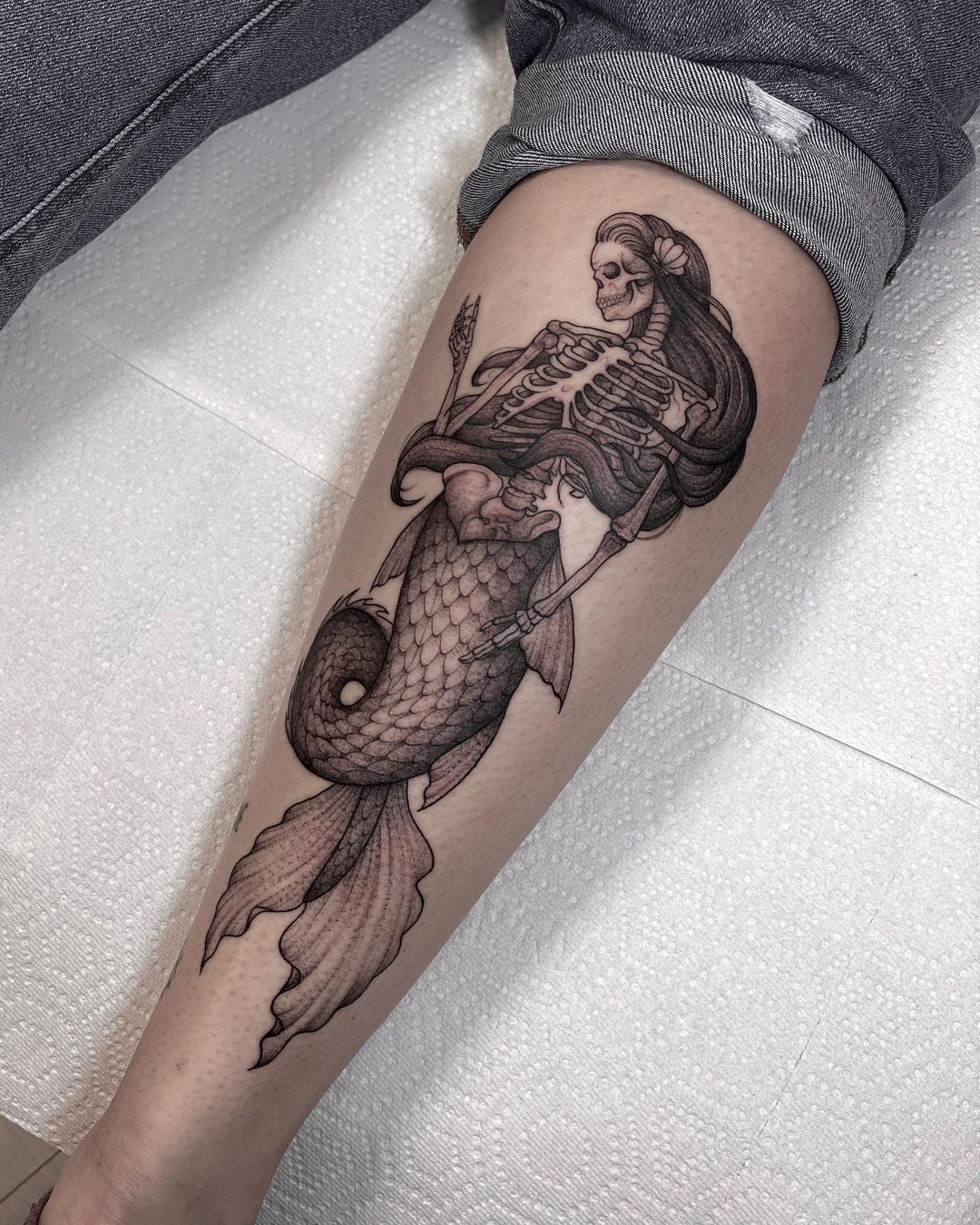
Understanding the Meaning of Mermaid Thighs and Their Role in Body Positivity
Mermaid thighs refer to a physical trait where a person’s thighs touch or rub together when standing upright, creating a silhouette that resembles a mermaid’s tail. This term emerged as a viral social media movement to celebrate bodies...
Mermaid thighs refer to a physical trait where a person’s thighs touch or rub together when standing upright, creating a silhouette that resembles a mermaid’s tail. This term emerged as a viral social media movement to celebrate bodies that do not have a "thigh gap," promoting self-acceptance and realistic beauty standards.
Contents
The term transitioned from a simple physical description into a powerful cultural symbol. In 2026, as we look back on over a decade of body-positive evolution, "mermaid thighs" stands as a foundational concept in the movement to de-stigmatize natural human anatomy. Understanding the meaning of mermaid thighs requires exploring the biological realities of the human body, the psychological shift away from restrictive beauty ideals, and the impact of digital media on self-perception.
The Origin and Cultural Context of Mermaid Thighs
The term "mermaid thighs" first gained significant traction on social platforms like Instagram and Twitter around 2016. It was born as a direct rebuttal to the "thigh gap" trend—a controversial beauty standard that prioritized a visible space between the inner thighs. The thigh gap was often criticized for being biologically unattainable for most individuals, as it frequently depends more on bone structure (specifically hip width) than on fitness or weight.
The #MermaidThighs hashtag became a rallying cry for inclusivity. By framing the lack of a thigh gap as a magical or desirable trait—likening it to the graceful tail of a mermaid—the movement effectively flipped the script on traditional "flaws." Instead of focusing on what the body lacked (space), it celebrated what the body had (strength, softness, and natural curves).
By 2026, this terminology has been integrated into broader discussions regarding body neutrality. While body positivity focuses on loving one’s appearance, mermaid thighs also highlight the functionality of the body. The trend encourages individuals to embrace their natural silhouette without the pressure to conform to fleeting, and often unhealthy, digital aesthetics.
Anatomy and the Biology of Leg Shapes
To understand the meaning of mermaid thighs, one must first understand the anatomical factors that determine whether thighs touch. It is a common misconception that having thighs that touch is solely a result of body fat percentage. In reality, several structural factors play a more significant role.
Pelvic Structure and the Q-Angle
The width of the pelvis is the primary determinant of whether a person will have a thigh gap or mermaid thighs. Individuals with a wider pelvis have hip sockets that are positioned further apart, making a thigh gap more likely regardless of weight. Conversely, a narrower pelvic girdle brings the femurs (thigh bones) closer together, making it nearly certain that the thighs will touch.
The Q-angle, or the angle at which the femur meets the tibia (shin bone), also influences the leg’s silhouette. A higher Q-angle can cause the knees to turn slightly inward, naturally bringing the inner thighs into contact.
Muscle Distribution and Fat Storage
The adductor muscles, located on the inner thigh, contribute significantly to the volume of the leg. Athletes, particularly those involved in cycling, sprinting, or weightlifting, often develop robust adductors that cause the thighs to touch. Furthermore, female-typical fat distribution (gynoid fat distribution) naturally prioritizes storage in the hips and thighs. This is a biological necessity for hormonal health and energy storage, making mermaid thighs a standard biological outcome for a vast majority of the population.
Mermaid Thighs vs. The Thigh Gap: A Comparison
The transition from the "thigh gap" era to the "mermaid thighs" era represents a massive shift in cultural values. The following table compares these two beauty standards and their implications for health and wellness.
| Feature | Thigh Gap Trend | Mermaid Thighs Movement |
|---|---|---|
| Primary Focus | Absence of contact/Space | Presence of contact/Fullness |
| Biological Basis | Dependent on wide hip bone structure | Common across most pelvic structures |
| Health Impact | Often linked to restrictive dieting | Encourages muscle development and health |
| Social Media Era | Peak popularity 2012–2014 | Peak popularity 2016–Present |
| Psychological Goal | Thinness and fragility | Strength, confidence, and realism |
| Industry Adoption | High-fashion runway standards | Inclusive activewear and "curvy" lines |
The Impact on the Fashion and Fitness Industries
The "meaning" of mermaid thighs is not just social; it is also economic. As the movement grew, the fashion industry was forced to adapt to a consumer base that demanded clothes designed for bodies with thighs that touch.
Solving the "Thigh Chafe" Problem
One of the most practical outcomes of the mermaid thighs movement was the mainstreaming of solutions for friction-induced skin irritation, commonly known as "chub rub." Before the movement, many people felt ashamed of this common occurrence. Today, brands openly market anti-chafe sticks, specialized thigh bands, and moisture-wicking biker shorts designed specifically to protect mermaid thighs.
Sizing and Durability in Apparel
In 2026, garment engineering has reached a point where durability in the inner-thigh area is a standard feature for many denim and athletic brands. Historically, jeans would wear out quickly between the legs for those with mermaid thighs. Modern textile innovations now incorporate reinforced stitching and high-denier fibers in these high-friction zones, acknowledging that the "mermaid" silhouette is a standard, not an outlier.
Psychological Benefits of Embracing Mermaid Thighs
The mental health implications of the mermaid thighs movement are profound. Social media has a documented history of triggering body dysmorphic tendencies through filtered images and "thinspiration" content. The mermaid thighs trend serves as a protective factor by:
- Normalizing Diversity: By seeing thousands of images of healthy, active people with thighs that touch, users decondition themselves from the narrow "thigh gap" ideal.
- Reducing Body Shame: Naming a trait—especially with a whimsical or positive term—removes its power to cause shame. What was once seen as a "problem" to be fixed becomes an identity to be celebrated.
- Promoting "Body Neutrality": While the term is celebratory, it has helped many move toward body neutrality—the idea that your body is a vessel for your life rather than just an object to be looked at. Mermaid thighs are great for swimming, running, and providing a stable base for movement.
The National Eating Disorders Association (NEDA) has frequently highlighted how positive social media trends can mitigate the negative effects of digital consumption on body image.
Common Misconceptions About Mermaid Thighs
Despite the positive nature of the movement, several myths persist. It is important to clarify what mermaid thighs are and what they are not:
- Myth: Only "plus-size" people have mermaid thighs.
- Fact: Many individuals who wear "straight" sizes or have low body fat percentages have thighs that touch due to their narrow bone structure or high muscle mass.
- Myth: It is an "unhealthy" trait.
- Fact: There is no medical correlation between touching thighs and poor health. In many cases, it is a sign of healthy muscle development or natural genetic predispositions.
- Myth: You can "exercise away" mermaid thighs.
- Fact: While you can change muscle tone and fat percentage, you cannot change your bone structure. If your hips are set narrow, your thighs will likely touch regardless of your fitness level.
Frequently Asked Questions
What does "mermaid thighs" mean in 2026?
In 2026, the term is used to describe a body where the thighs touch from the crotch down to the knees, similar to a mermaid's tail. It remains a key term in the body-positive movement to celebrate natural silhouettes and challenge unrealistic beauty standards like the thigh gap.
Why is it called "mermaid thighs"?
The name comes from the visual similarity to a mermaid. When a person stands with their legs together and their thighs touch, it creates a continuous line or "tail" shape rather than having a visible hole or gap between the legs.
Is having mermaid thighs a matter of genetics?
Yes, genetics play a major role. Your pelvic width, the angle of your femur bones, and where your body naturally stores fat are all determined by your DNA. For many people, achieving a thigh gap is physically impossible without extreme and unhealthy measures because their bones are simply structured to have their thighs touch.
How did the movement start?
The movement gained traction on social media around 2016. Users began posting photos with the hashtag #MermaidThighs to show that you don't need a thigh gap to be beautiful, fit, or confident. It was a grassroots response to the pressures of digital editing and restrictive beauty ideals.
Does having mermaid thighs cause any physical issues?
The only common physical issue is skin chafing (friction) when walking or running in humid conditions or without protective clothing. However, this is a manageable issue and not a medical "problem." Modern athletic wear and anti-chafe products have made this much easier to handle.
Practical Recommendations for Embracing Your Silhouette
If you have mermaid thighs, the best way to embrace them is through a combination of practical comfort and mental reframing.
- Curate Your Feed: Follow social media accounts that showcase diverse body types. Seeing "mermaid thighs" regularly will help normalize the trait in your own mind and reduce the urge to compare yourself to filtered or genetically different standards.
- Invest in Quality Apparel: Seek out brands that prioritize "thigh-friendly" designs. Look for leggings with gussets (diamond-shaped fabric inserts in the crotch) and jeans with reinforced inner-thigh panels to increase comfort and garment longevity.
- Use Skin Protection: Don't let chafing stop you from being active. Use barrier creams, powders, or anti-chafe sticks before long walks or workouts.
- Focus on Strength: Shift your fitness goals from "shaping" your legs to "strengthening" them. Appreciate your thighs for the power they provide during squats, runs, or daily activities.
By recognizing the meaning of mermaid thighs as a symbol of strength and biological reality, you can move away from the cycle of body dissatisfaction and toward a more resilient, positive relationship with your physical self.
Image Gallery