Why the Daniels Running Formula PDF Is Worth the Download
Downloading the Daniels Running Formula PDF provides runners and coaches with a mathematically rigorous, scientifically proven methodology to structure training, optimize paces, and prevent overtraining through individualized VDOT-base...
Downloading the Daniels Running Formula PDF provides runners and coaches with a mathematically rigorous, scientifically proven methodology to structure training, optimize paces, and prevent overtraining through individualized VDOT-based intensity zones.
Contents
For decades, Dr. Jack Daniels—haunted by the moniker "the world's best coach" bestowed by Runner's World—has shaped how endurance athletes approach training. His seminal work, Daniels' Running Formula, bridges the gap between exercise physiology and day-to-day road running. While physical copies of the book remain a staple on nearly every competitive runner's shelf, securing a digital or PDF reference guide offers distinct advantages for quick pacing lookups, cross-referencing race equivalencies, and analyzing training logs on the go. Understanding why this resource is worth downloading requires a close examination of its core framework, the science of VDOT, and how it translates raw race data into actionable weekly mileage.
The Core Concept: Understanding VDOT and Individualized Pacing
At the heart of the Daniels methodology is the VDOT metric. Unlike generic pacing charts that rely exclusively on a runner's current race times without context, VDOT is a calculated value that takes your current running performance and quantifies your actual fitness level. It represents your VO2 max while incorporating running economy—the efficiency with which your body utilizes oxygen at various speeds.
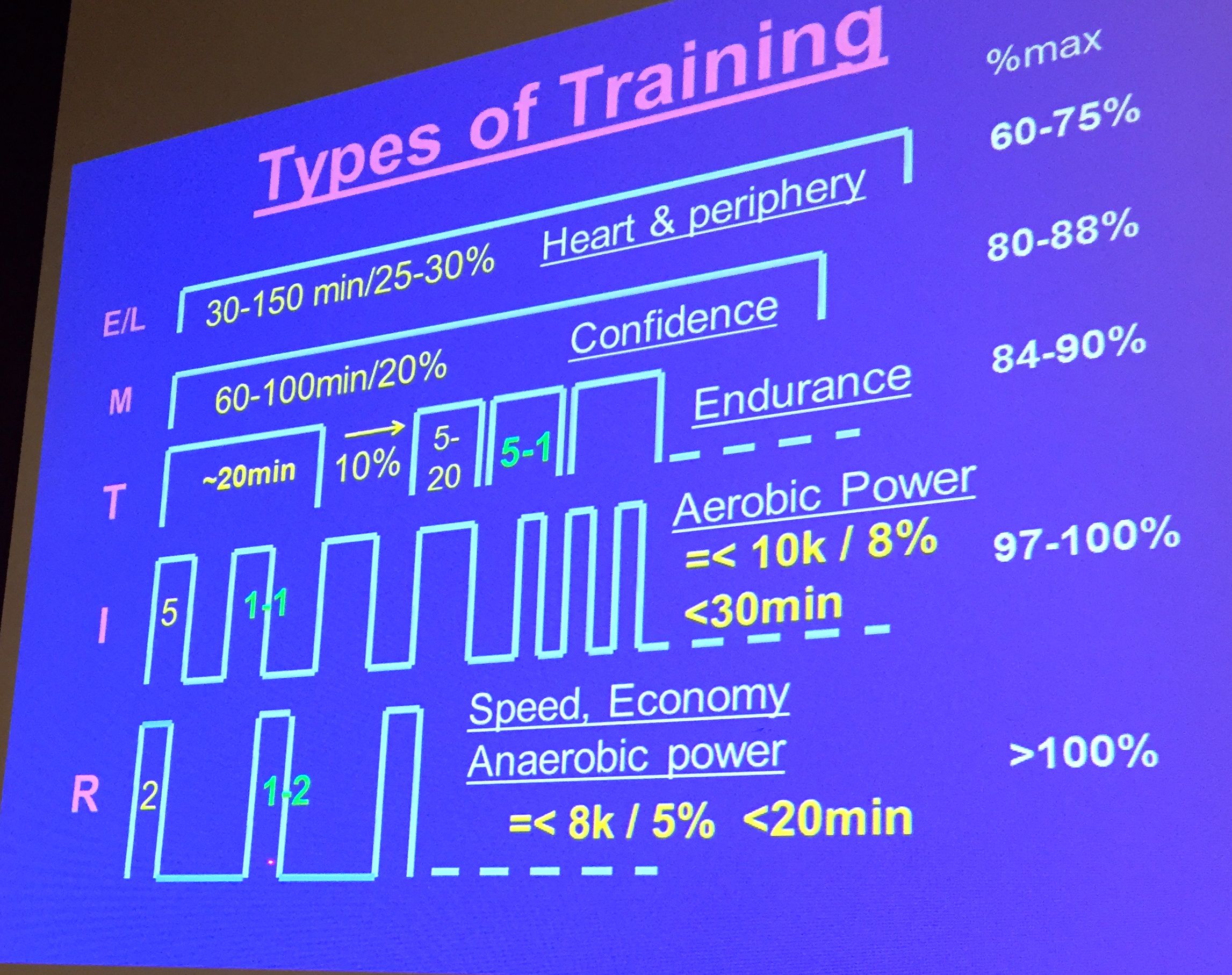
When runners search for a digital copy of the formula, they are typically looking for the comprehensive VDOT tables. These tables serve as a master decoder ring for endurance training. By plugging in a recent 5K, 10K, half marathon, or marathon time, the VDOT lookup table immediately generates precise training paces for five distinct intensity zones:
- E-Pace (Easy): Designed for recovery, aerobic development, and building capillary density without creating excessive fatigue.
- M-Pace (Marathon): Simulates the specific metabolic demands and muscular endurance required for the marathon distance.
- T-Pace (Threshold): Also known as tempo running, this zone improves your body's ability to clear lactate, allowing you to sustain a faster pace for longer periods.
- I-Pace (Interval): Targets true VO2 max enhancement by forcing the cardiovascular system to operate near its maximum oxygen uptake capacity.
- R-Pace (Repetition): Focuses entirely on neuromuscular coordination, running economy, and pure speed rather than cardiovascular strain.
Having this information compiled in an accessible PDF format allows athletes to reference their precise training speeds instantly, eliminating the guesswork that often leads to running too hard on easy days and too slow on hard days.
Scientific Rigor Versus Generic Training Plans
Many modern running applications and internet-generated plans offer one-size-fits-all schedules. These generic programs often prescribe specific minute-per-mile paces based solely on an arbitrary goal time, ignoring the runner's current physiological capabilities. If a runner's current fitness does not match the demands of the plan, injury, burnout, or stagnation inevitably follows.
Dr. Daniels built his system on decades of physiological research conducted at the altitude training center in Flagstaff, Arizona, and the Human Performance Laboratory at the State University of New York at Cortland. The formula treats running not as an art form based on feel, but as a science governed by predictable physiological adaptations.
The value of having the comprehensive guide in a digital document lies in the depth of explanation accompanying the tables. The text details the why behind every workout. It explains how stress and recovery cycles interact over a typical 16-to-24-week training macrocycle. Understanding these principles prevents runners from blindly following a schedule and empowers them to modify workouts when life disrupts their training block.
Key Benefits of Having a Digital Reference Guide
While reading a physical book is valuable for initial study, maintaining a digital or PDF reference offers several practical benefits for active runners and coaches managing multiple athletes.
| Feature / Benefit | Physical Book | Digital PDF / Reference |
|---|---|---|
| Portability | Requires carrying a physical paperback to the track or gym. | Accessible instantly on smartphones, tablets, or laptops during workouts. |
| Quick Lookups | Requires manual page-flipping to cross-reference race times and paces. | Allows text searching and immediate bookmarking of specific VDOT tables. |
| Training Integration | Must be transcribed manually into digital training logs or spreadsheets. | Can be easily referenced alongside digital training software like TrainingPeaks or Garmin Connect. |
| Cost & Availability | Subject to shipping times, out-of-print editions, or local bookstore stock. | Instantly available for download via authorized digital publishers and educational portals. |
Beyond these logistical conveniences, a digital copy facilitates seamless integration with modern coaching workflows. Coaches can quickly pull up VDOT equivalents while communicating with athletes remotely, ensuring that adjustments to training loads are mathematically sound and physiologically defensible.
Structuring a Complete Training Season
A common mistake among self-coached runners is treating every week of the year the same way. The Daniels framework introduces the concept of phase training, dividing a comprehensive buildup into distinct periods that build upon one another sequentially.
Phase I: Foundation and Form
The primary goal of the initial phase is to establish a comfortable base of easy mileage while working on running mechanics, posture, and neuromuscular efficiency. The PDF outlines how to introduce strides—short, controlled accelerations—at the end of easy runs to maintain leg speed without incurring anaerobic debt.
Phase II: Early Quality (Threshold and Repetitions)
Once the aerobic foundation is secure, the program introduces threshold training and repetition work. The text provides explicit rules regarding how much quality work (measured in total distance or time) an athlete can safely handle based on their weekly mileage. This prevents the classic pitfall of running too many hard intervals, which compromises recovery and increases injury risk.
Phase III: Transition to Peak (Intervals and Race-Specific Pace)
As the goal race approaches, the training shifts toward high-intensity interval sessions designed to maximize oxygen uptake, alongside goal-pace runs that prepare the body and mind for the specific rigors of the target distance. The formula specifies exact recovery intervals between hard efforts, ensuring the athlete clears sufficient metabolic byproducts before starting the next repetition.
Phase IV: Tapering and Recovery
The final weeks of any Daniels-inspired plan focus on reducing volume while maintaining intensity to ensure the runner reaches the starting line fully recovered yet physically sharp. The guide provides clear guidelines on tapering timelines for distances ranging from the 5K to the marathon.
Common Pitfalls and How the Formula Prevents Them
Even the most dedicated runners frequently sabotage their progress through common training errors. The text directly addresses these mistakes, offering structural safeguards within the methodology.
- The "Junk Mileage" Trap: Many runners run their easy days too fast, turning recovery runs into moderate, stressful outings that compromise the quality of upcoming threshold or interval sessions. The VDOT tables enforce strict lower bounds for easy paces, protecting the runner from excessive daily fatigue.
- Overtraining Syndrome: By capping the percentage of weekly mileage that should be dedicated to high-intensity work (typically around 10% or a specific distance limit), the formula protects athletes from the structural breakdown associated with chronic high-impact stress.
- Ignoring Environmental Factors: Heat, humidity, and altitude significantly impact running performance. The formula includes specific adjustment guidelines for training and racing in challenging weather conditions, preventing runners from panicking when their standard paces feel unachievable on a hot summer day.
Frequently Asked Questions
What is the VDOT number in the Daniels Running Formula?
VDOT is an estimated indicator of current running ability. It combines your VO2 max with your running economy into a single numerical score, allowing you to map any recent race time directly to recommended training paces for easy, threshold, interval, and repetition workouts.
Can beginners use the Daniels running formula?
Yes, the methodology accommodates runners of all levels, from absolute beginners to elite Olympians. The VDOT tables scale down to slower times and lower weekly mileage totals, ensuring that even runners covering low weekly distances receive appropriate, personalized pacing guidance.
How often should I recalculate my VDOT score?
You should update your VDOT score following a recent, maximal-effort race (such as a 5K or 10K) or a time trial performed under normal weather conditions. Avoid recalculating based on a single hard training run, as daily fatigue or weather fluctuations can skew the result.
Is the formula only applicable for marathons?
No, the Daniels formula provides detailed, structured training programs for distances ranging from 1,500 meters and the mile up to the marathon and ultra-endurance events, tailoring the phase distribution to the specific physiological demands of your target race.
How do I handle missed workouts in a Daniels training plan?
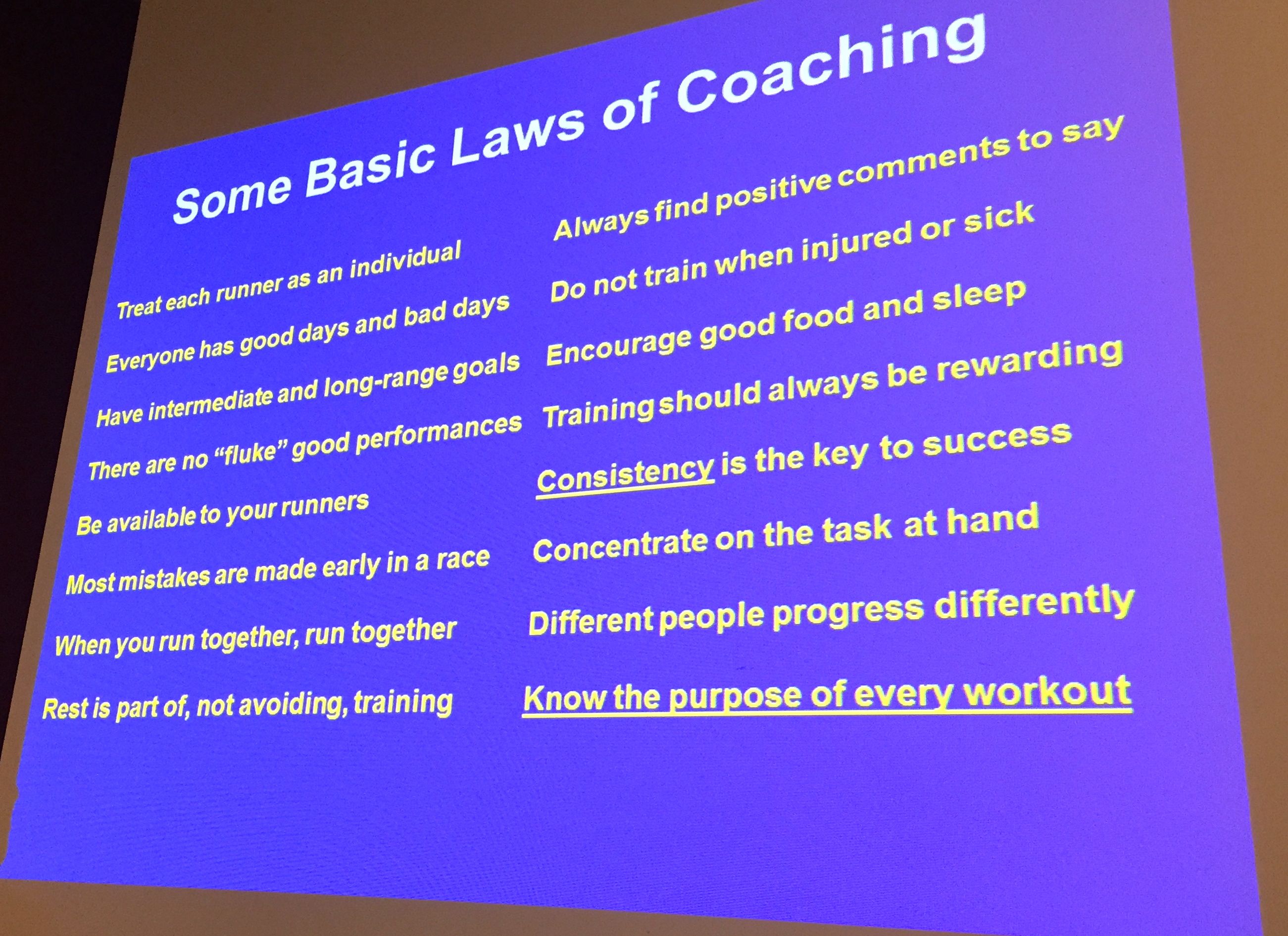
Dr. Daniels emphasizes that consistency matters far more than individual workouts. If you miss a session due to illness or life commitments, simply resume the schedule where you left off rather than trying to cram multiple hard workouts into a single week, which dramatically increases injury risk.
Next Actions for Runners and Coaches
To maximize the value of downloading and studying the Daniels running formula, athletes should begin by establishing a reliable baseline VDOT value using a recent race result or a controlled time trial. Once your baseline is established, review the corresponding training zones and audit your current weekly schedule to ensure that your easy days are genuinely easy and your quality sessions align with the prescribed intensity targets. Pair this digital reference with a reliable training log to monitor cumulative fatigue, track your progression over time, and adjust your VDOT score upward as your physiological fitness improves.
Image Gallery