The Tragic Deaths of the Australian Brothers in Mexico: An In-Depth Investigative Overview
In April 2024, the disappearance and subsequent murders of two Australian brothers, Callum and Jake Robinson, alongside their American friend Jack Carter Rhoad, during a surfing trip in Baja California, Mexico, sent shockwaves across i...
In April 2024, the disappearance and subsequent murders of two Australian brothers, Callum and Jake Robinson, alongside their American friend Jack Carter Rhoad, during a surfing trip in Baja California, Mexico, sent shockwaves across international borders, sparking intense global media coverage, diplomatic scrutiny, and renewed anxiety regarding travel safety in popular Latin American tourist destinations.
Contents
The tragic incident highlights the severe risks associated with opportunistic crime targeting international travelers in remote coastal regions. This comprehensive analysis examines the sequence of events, the investigative findings, the broader implications for international tourism, and the essential safety frameworks required when traveling through high-risk areas of Mexico.
Context and Chronology of Events
Understanding the tragedy requires a detailed examination of the timeline surrounding the disappearance of the three young men. Callum Robinson (33), his brother Jake Robinson (30), both from Perth, Australia, and their American companion Jack Carter Rhoad (30), traveled to the Baja California peninsula for a weekend surf and camping trip in late April 2024.
The group had planned to visit the pristine coastal area of Ensenada and surrounding surf spots, a region celebrated for its rugged beauty, world-class waves, and proximity to the United States border. However, communication from the men ceased abruptly on April 27, 2024. Concerned family members and friends raised the alarm when the travelers failed to check in at their pre-arranged accommodation in Rosarito and missed their scheduled return flights.
Local authorities, in collaboration with the Australian and United States embassies, immediately launched a multi-agency search operation. The investigation quickly shifted from a missing persons case to a criminal probe as suspicious activity emerged regarding the men's possessions and vehicle.
The Investigation and Discovery of Evidence
As Mexican law enforcement agencies—specifically the State Attorney General’s Office of Baja California (FGE)—dove deeper into the disappearance, crucial evidence materialized near the coastal town of Santo Tomás.
Key Investigative Findings
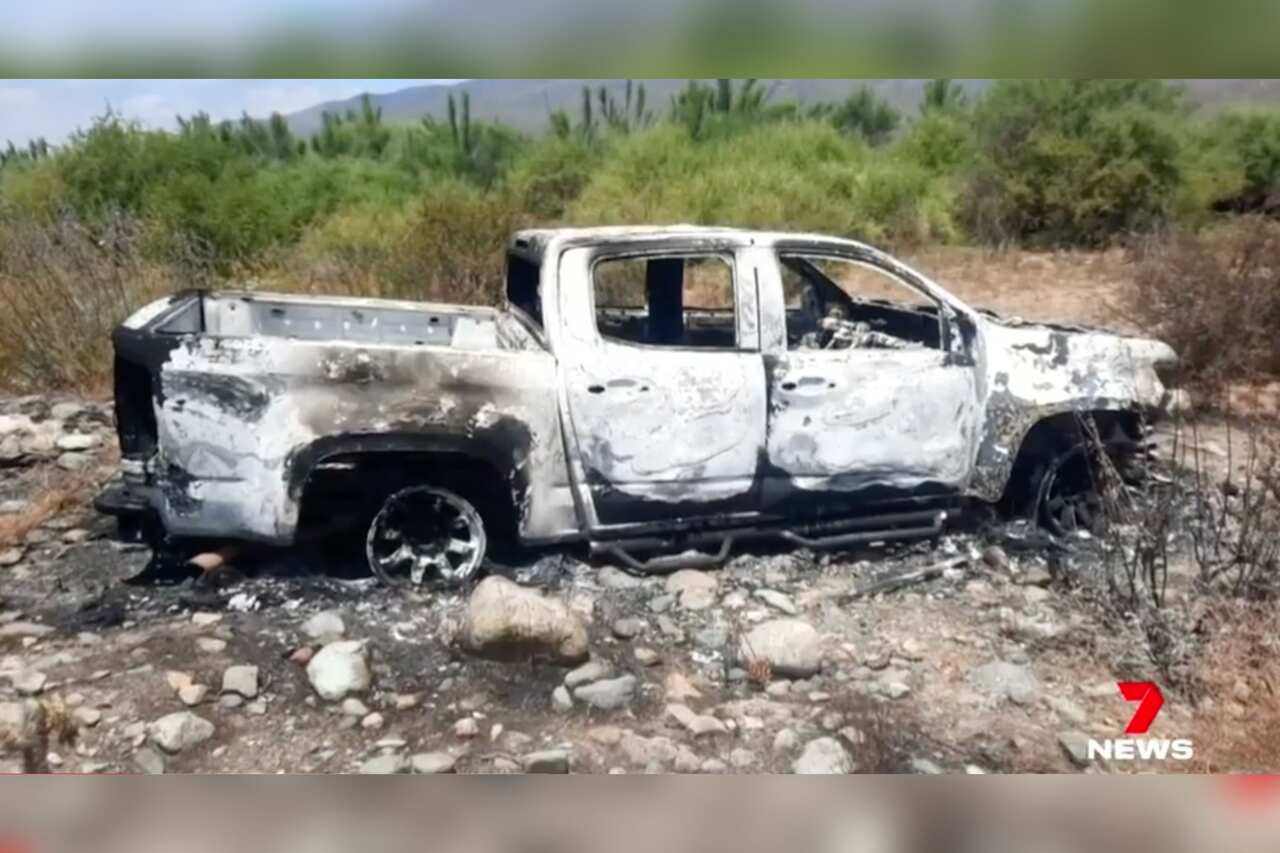
- The Abandoned Vehicle: The brothers' white Chevrolet pickup truck was found burned out and abandoned in a remote area, signaling an attempt by perpetrators to destroy forensic evidence.
- Personal Belongings: Investigators recovered tents, cell phones, and personal items belonging to the victims near the site of the burned vehicle.
- The Recovery Site: Following the apprehension of primary suspects, authorities located a remote well in an elevated area near Santo Tomás, approximately 15 meters deep, containing three bodies.
- Forensic Identification: Forensic examiners confirmed that the bodies recovered from the well belonged to Callum Robinson, Jake Robinson, and Jack Carter Rhoad. Autopsy reports later revealed that all three men died from gunshot wounds to the head.
Motive and Perpetrator Profile
The Mexican Attorney General’s Office determined that the motive behind the killings was vehicular robbery gone wrong. Investigators stated that the perpetrators targeted the victims' high-profile pickup truck for its tires and parts. When the surfers resisted or encountered the criminals during the theft, they were fatally shot.
Three suspects were swiftly arrested in connection with the crime. Local authorities charged the individuals with forced disappearance and subsequently added homicide charges as the investigation progressed. The rapid identification and apprehension of the suspects highlighted local police efforts under intense international pressure, though the incident laid bare the persistent vulnerabilities faced by tourists traveling off the beaten path in isolated regions.
Comparative Travel Safety Analysis for Baja California
Baja California remains a premier destination for international surfers, campers, and tourists. However, the security landscape varies dramatically between heavily policed resort corridors and isolated rural stretches.
| Region / Area | Primary Attraction | Security Profile | Recommended Precautions |
|---|---|---|---|
| Cabo San Lucas / San José del Cabo | Luxury resorts, sportfishing | Moderate to High Security | Stay within resort zones, use authorized transport. |
| Ensenada Urban Center | Culinary tourism, wine country | Moderate Risk | Exercise standard urban awareness, avoid isolated areas at night. |
| Baja Coastal Surfing Spots (e.g., Santo Tomás) | Remote surf breaks, camping | Elevated Risk | Travel in groups, avoid remote overnight camping without local security. |
| U.S.-Mexico Border Crossings | Transit, short trips | High Congestion / Variable Risk | Monitor wait times, travel during daylight hours exclusively. |
Geopolitical Fallout and Travel Advisories
The murders of the Australian brothers prompted immediate diplomatic responses and updated travel warnings from Western governments.
The Australian Department of Foreign Affairs and Trade (DFAT) and the United States Department of State maintain targeted travel advisories for Mexico. Following the incident, officials re-emphasized warnings regarding travel to specific Mexican states experiencing high rates of cartel activity, violent crime, and opportunistic robbery.
While major tourist hubs like Cancun, Mexico City, and parts of Baja California Sur maintain robust security infrastructure, remote areas of Baja California Norte continue to present distinct safety challenges. Governments advised citizens to exercise a high degree of caution, avoid driving after dark on federal and rural highways, and register travel itineraries with consular services when venturing into remote regions.
Frequently Asked Questions
What safety precautions should travelers take when visiting remote parts of Mexico?
Travelers should prioritize daytime driving, avoid isolated camping spots without established security, use toll roads (cuotas) rather than free roads (libres), and maintain open communication channels with family or friends back home regarding daily itineraries.
Are tourist areas in Mexico generally safe from violent crime?
Major tourist resorts and designated hotel zones maintain significant municipal and federal police presence, making them statistically safer than rural transit corridors. However, opportunistic crimes, scams, and localized cartel violence can still affect visitors who venture outside secure zones.
How do foreign governments assist citizens in emergency situations abroad?
Consulates and embassies provide emergency consular assistance, help coordinate with local law enforcement agencies, facilitate communication with families, and assist in the repatriation of remains in the event of a fatality.
What was the official cause of death for the Australian brothers?
Forensic autopsies confirmed that Callum and Jake Robinson, along with their companion Jack Carter Rhoad, died from gunshot wounds inflicted during an opportunistic robbery targeting their vehicle.
Which agency led the criminal investigation into the incident?
The State Attorney General’s Office of Baja California (FGE) led the investigation, working in coordination with federal Mexican security forces and international consular representatives.
Next Actions and Practical Guidance
For individuals planning travel to Mexico, thorough preparation remains the most effective defense against unforeseen security risks. Consult official government travel advisory portals—such as Smartraveller for Australians or the U.S. State Department’s travel advisory pages—immediately prior to departure. Ensure comprehensive international travel insurance is secured, including coverage for emergency medical evacuation and political or security extraction if visiting high-risk regions. When exploring remote natural attractions, consider hiring licensed local guides or joining verified tour groups rather than traveling independently through isolated territory.
Image Gallery