Understanding the Distinction: EPLI versus Workers Compensation Coverage
Employment Practices Liability Insurance (EPLI) and workers compensation coverage are two distinct pillars of business protection, yet they are frequently confused because both relate to the employer-employee relationship. While worker...
Employment Practices Liability Insurance (EPLI) and workers compensation coverage are two distinct pillars of business protection, yet they are frequently confused because both relate to the employer-employee relationship. While workers compensation provides a mandatory safety net for physical workplace injuries and occupational diseases, EPLI offers a crucial defense against claims of discriminatory or wrongful conduct. Understanding the scope, legal triggers, and financial protections of each is essential for comprehensive risk management in 2026.
Contents
At its core, workers compensation is a no-fault system designed to cover medical expenses and lost wages for employees injured on the job, whereas EPLI is a liability policy designed to protect an employer from lawsuits alleging legal violations in the employment relationship, such as harassment, discrimination, or wrongful termination.
Defining Workers Compensation Coverage
Workers compensation is a statutory requirement in almost every jurisdiction in the United States. It functions as a "grand bargain" between employers and employees: employees receive guaranteed benefits for work-related injuries or illnesses regardless of fault, and in exchange, they generally relinquish the right to sue their employer for negligence.
Scope of Protection
This coverage applies specifically to physical injuries and occupational illnesses that arise "out of and in the course of employment." This includes:
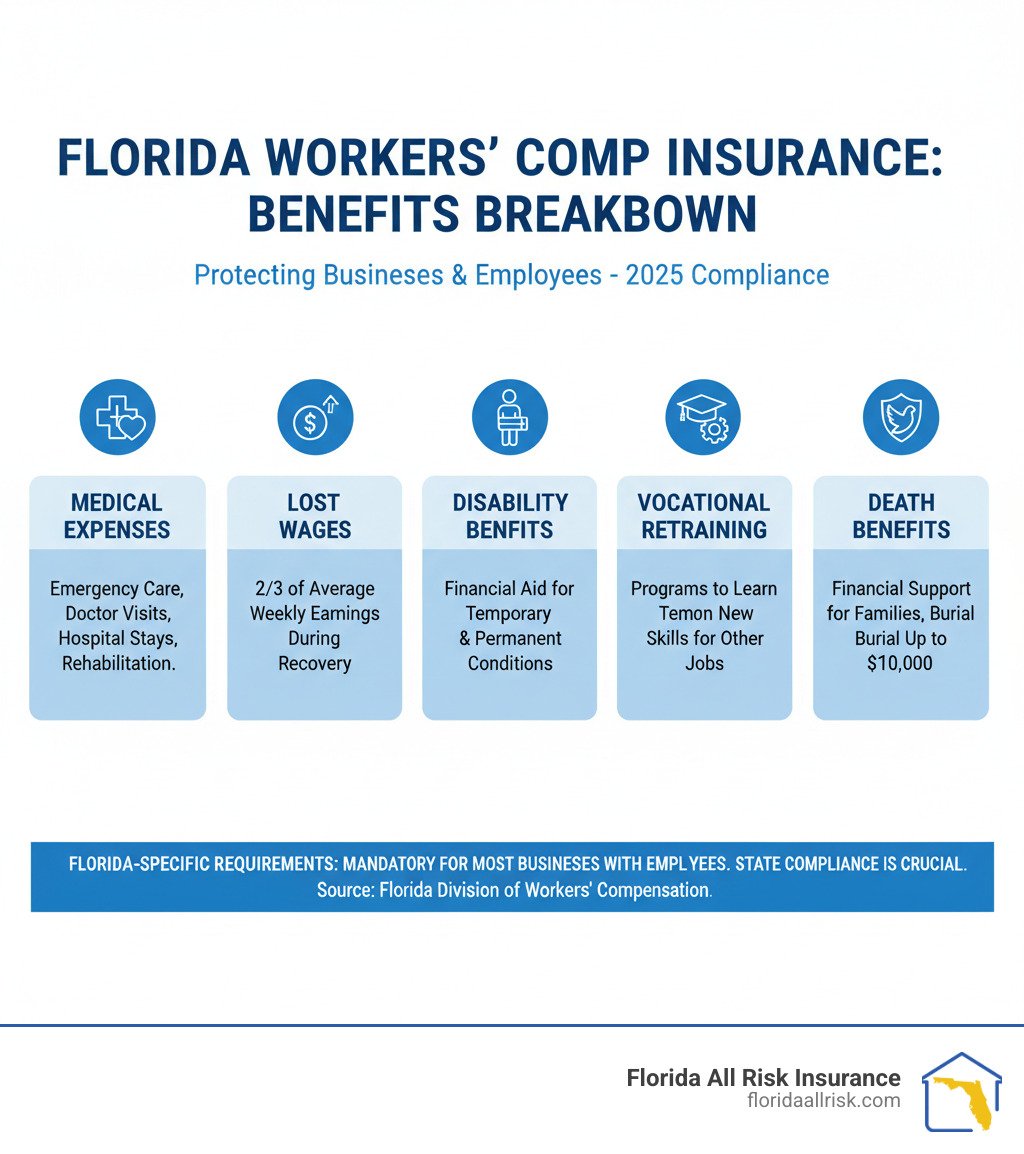
- Medical Expenses: Costs for emergency care, surgeries, physical therapy, and ongoing treatments related to the injury.
- Lost Wages: Partial replacement of income if the employee is unable to work for a period defined by the jurisdiction.
- Permanent Disability: Compensation for long-term or permanent impairments resulting from workplace incidents.
- Death Benefits: Financial support for dependents if an employee loses their life due to a work-related event.
Because workers compensation is a "no-fault" system, it covers the employee even if the injury was caused by their own clumsiness or an unavoidable accident. Conversely, it prevents an employee from suing the employer for personal injury damages, effectively insulating the business from common tort lawsuits regarding workplace safety.
Defining Employment Practices Liability Insurance (EPLI)
EPLI serves a fundamentally different purpose. It protects a company against legal claims brought by employees, former employees, or even prospective employees who allege that their rights were violated. Unlike workers compensation, EPLI is not mandated by state law, though it is considered a standard best practice for risk mitigation in modern human resources.
Scope of Protection
EPLI policies are designed to cover the costs of legal defense, settlements, and court-ordered judgments associated with claims of:
- Wrongful Termination: Allegations that an employee was fired in violation of contract, public policy, or as a form of retaliation.
- Discrimination: Claims based on protected statuses, such as race, color, religion, sex, national origin, age, or disability.
- Sexual Harassment: Hostile work environment claims or quid pro quo allegations.
- Failure to Hire or Promote: Allegations that a hiring or promotion process was biased or discriminatory.
- Retaliation: Claims that an employee was punished for exercising a legal right, such as filing a complaint or whistleblowing.
EPLI typically operates on a "claims-made" basis, meaning the policy must be active both when the alleged incident occurred and when the claim is officially filed.
Comparative Overview: EPLI versus Workers Compensation
To simplify the decision-making process for business owners and risk managers, it is helpful to contrast these two policies across their primary operational categories.
| Feature | Workers Compensation | EPLI |
|---|---|---|
| Primary Purpose | Covers physical injuries/illnesses | Covers workplace rights violations |
| Legal Status | Mandated by state law | Voluntary / Discretionary |
| Fault Requirement | No-fault | Allegation-based / Defense of intent |
| Typical Costs | Based on payroll and job risk codes | Based on company size and turnover |
| Exclusivity | Usually provides immunity to lawsuits | Provides defense against litigation |
Why Both Policies Are Necessary
Many business owners mistakenly believe that one type of insurance covers the other. This misconception creates dangerous coverage gaps. For example, if a worker suffers a repetitive stress injury (such as carpal tunnel syndrome) from data entry, workers compensation is designed to pay for the medical treatment. However, if that same employee alleges that they were demoted because they complained about the injury, that is an employment practices issue. Workers compensation will not defend the business against a retaliation lawsuit; only EPLI provides that protection.
Identifying the Overlap and Exclusions
The intersection of these policies occurs primarily at the point of "emotional distress." While some workers compensation policies may include limited coverage for mental health issues caused by a physical injury, they generally do not cover the emotional distress or psychological harm resulting from harassment or discrimination. EPLI is specifically structured to address the legal costs associated with these sensitive personnel issues.
Furthermore, employers must be aware that many general liability policies exclude employment-related practices. Relying on a standard Business Owner’s Policy (BOP) to cover a wrongful termination claim will almost certainly result in a claim denial, leaving the company to shoulder the entire burden of expensive legal fees and potential damages.
Practical Considerations for Employers in 2026
As you evaluate your insurance portfolio for the 2026 fiscal year, consider the following practical steps to ensure your business remains protected.
1. Conduct a Risk Assessment
Identify the specific risk factors within your workforce. High turnover environments or industries with significant physical labor risks require a robust combination of both insurance products.
2. Verify Statutory Compliance
Ensure your workers compensation policy meets the specific requirements of the state or states in which you operate. Penalties for failing to carry mandatory workers compensation can include heavy fines, stop-work orders, and personal liability for business owners.
3. Review EPLI Policy Triggers
When purchasing or renewing an EPLI policy, pay close attention to the "prior acts" date. This determines how far back in time the policy covers occurrences that haven't yet been reported as claims.
4. Implement Proactive HR Policies
Insurance is a safety net, not a replacement for good management. Maintain up-to-date employee handbooks, conduct regular anti-harassment training, and document all employment actions clearly. Documented performance reviews and standardized disciplinary procedures are your best defense against the types of lawsuits that EPLI is meant to handle.
Frequently Asked Questions
Does workers compensation cover stress-related claims? Generally, no. Workers compensation is designed for physical injury or disease. While some jurisdictions have narrow exceptions for "mental-mental" claims (psychological injury caused by a psychological event at work), these are rare and difficult to prove. EPLI is the appropriate tool for claims regarding a hostile work environment or emotional distress.
If I have high-quality workers compensation, do I still need EPLI? Yes. They cover entirely different legal risks. Workers compensation protects you from liability related to physical workplace safety; it does not protect you from lawsuits arising from hiring, firing, or management decisions.
How are EPLI premiums determined? Premiums for EPLI are typically influenced by the number of employees, the industry's litigation profile, the company's past history of employment claims, and the internal HR policies currently in place. Companies with established HR departments often receive more favorable rates.
Can a single incident trigger both policies? In complex cases, yes. For example, if an employee is injured on the job and then fired for complaining about the lack of safety equipment, the injury claim falls under workers compensation, while the retaliatory discharge claim would fall under an EPLI policy.
Final Recommendation
Do not view workers compensation and EPLI as redundant costs. Instead, categorize workers compensation as an essential operational expense required for legal compliance and employee physical safety, and view EPLI as a strategic investment in corporate governance and litigation defense. Review your current policy limits annually with a licensed insurance broker to ensure that your coverage amounts remain commensurate with your company’s growth and current risk profile.
Image Gallery