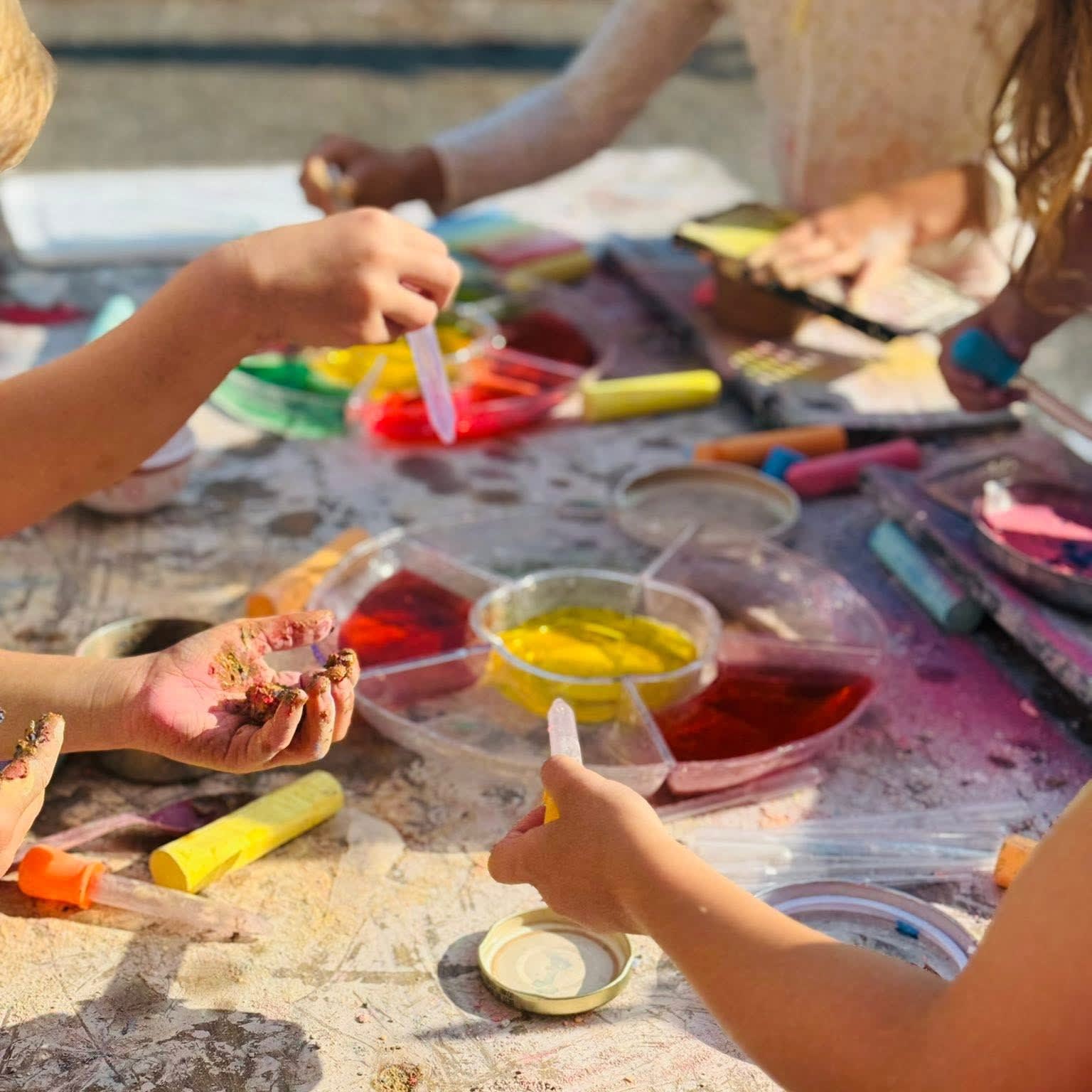
What Creative Minds Fargo Offers for Artful Play: Programs, Activities, and Community Opportunities
Creative Minds offerings in Fargo, North Dakota provide structured and open-ended artful play designed to foster imagination, fine motor development, and self-expression. Through process-oriented art sessions, sensory play, studio work...
Creative Minds offerings in Fargo, North Dakota provide structured and open-ended artful play designed to foster imagination, fine motor development, and self-expression. Through process-oriented art sessions, sensory play, studio workshops, and interactive media exploration, Fargo's creative play programs give infants, toddlers, children, and families accessible avenues for hands-on artistic discovery.
Contents
Understanding Artful Play in Fargo’s Creative Ecosystem
Artful play combines creative expression with self-directed exploration. Unlike traditional art instruction, which focuses on producing a predefined end product, artful play emphasizes the process of creation. Participants interact with varied textures, visual media, building materials, and dramatic play elements, prioritizing inquiry, experimentation, and tactile discovery over rigid outcomes.
In Fargo, North Dakota, community providers, early childhood educators, and arts organizations integrate artful play into local programming. Organizations such as Creative Minds, alongside cultural anchors like the Plains Art Museum's Katherine Kilbourne Center for Creativity, offer environments designed for open-ended artistic engagement. These spaces are equipped with non-toxic, child-safe media, specialized tools, and adaptable layouts that accommodate individual exploration and group collaboration.
Research in early childhood education highlights that process art and artful play promote critical developmental milestones. Children engaging in open-ended creative tasks build spatial awareness, refine hand-eye coordination, strengthen problem-solving skills, and practice emotional regulation through self-directed choices.
Core Artful Play Offerings and Program Structures
Programs centered on creative minds and artful play in Fargo serve diverse age groups through tailored curricula and free-form studio time. These offerings are structured across several primary engagement models:
1. Early Childhood Sensory and Process-Art Sessions
Designed for infants, toddlers, and preschoolers, these sessions focus on multi-sensory engagement.
- Sensory Bins and Texture Exploration: Children interact with safe, malleable materials such as colored rice, wet clay, finger paints, water tables, and kinetic sand.
- Open-Ended Paint Play: Wall-mounted paper, easel stations, and floor canvases allow young creators to experiment with broad motor movements using sponges, rollers, brushes, and natural objects like leaves or pinecones.
- Tactile Crafting: Introducing child-safe scissors, non-toxic glues, felt, and recycled paper products helps develop fine motor strength without pressuring children toward uniform project outputs.
2. Youth and Elementary Studio Workshops
As children transition into primary school ages, artful play integrates foundational techniques with creative autonomy.
- Mixed-Media Projects: Combining collage, watercolors, oil pastels, and found-object assemblage enables participants to explore texture and layer interaction.
- Introductory Clay and Sculptural Play: Utilizing air-dry clay, ceramic clay, and wire forms, students learn 3D design concepts through pinch pots, abstract sculptures, and relief tiles.
- Printmaking and Stenciling: Using gel plates, foam stamps, and screen stencils, participants create repeated patterns, exploring color theory and layering.
3. Family and Intergenerational Play Days
Community-oriented sessions bring parents, guardians, and children together to co-create without formal instruction constraints.
- Drop-in Studio Hours: Open access to studio supplies, printmaking blocks, and easel stations.
- Collaborative Murals: Shared canvas spaces where participants contribute individual art pieces to a larger community artwork.
- Seasonal Craft Labs: Holiday and season-themed open studios emphasizing recycled materials, nature art, and festive decorations.
Key Components of Artful Play Spaces in Fargo
To deliver high-value creative play experiences, Fargo providers maintain specialized studio spaces designed for safety, adaptability, and mess-tolerant activities.
| PHYSICAL INFRASTRUCTURE | CREATIVE MATERIALS |
|---|---|
| • Low-height, cleanable tables | • Non-toxic paints & washes |
| • Floor-to-ceiling easel walls | • Natural clay & modeling dough |
| • Dedicated wash & aprons zones | • Recycled paper & fabric scraps |
| • Accessible material bins | • Loose parts (beads, wood blocks) |
Mess-Tolerant Environments
Artful play requires space where spillages and splatter are accepted parts of learning. Facilities feature sealed concrete or vinyl flooring, washable wall panels, low-height sinks for independent cleanup, and supplied smocks or aprons.
Accessible "Loose Parts" Systems
Inspired by Reggio Emilia and Montessori educational principles, artful play spaces utilize loose parts systems—baskets of unscripted materials such as wooden blocks, buttons, yarn, ribbon, sea shells, cardboard tubes, and fabric scraps. Children select and combine these elements freely, building abstract structures or storytelling props.
Guided Facilitation vs. Free Discovery
Instructors in Fargo artful play programs act as facilitators rather than traditional teachers. Instead of demonstrating a step-by-step product, facilitators ask open-ended questions ("What happens when you mix those two textures?" or "How can we make that tower balance?"), encouraging problem-solving and self-correction.
Comparative Overview of Artful Play Venues and Programs in Fargo
Fargo features multiple institutions offering art-based play, process studios, and creative workshops. The table below outlines how key local options compare in focus, age targeting, and access structure.
| Provider / Program Venue | Target Audience | Primary Activity Focus | Session Format | Cost Model | Key Advantage |
|---|---|---|---|---|---|
| Creative Minds Early Learning Programs | Ages 0–6 | Sensory exploration, process art, dramatic play | Structured weekly / daily integration | Tuition / Enrolled childcare | Blends early child development with daily art play |
| Plains Art Museum (Hannah Center for Creativity) | All ages (K–12 & Adults) | Ceramics, printmaking, painting, Kid Quest | Drop-in events, multi-week courses | Free family events; fee-based classes | Professional studio equipment & exhibition space |
| Unglued Studio (Downtown Fargo) | Kids, Teens, Adults | DIY crafting, maker kits, fun creative workshops | Scheduled workshops & walk-in craft bars | Per-session workshop fees | Unique, modern craft focus using upcycled media |
| Clay Your Way (Fargo) | All ages | Paint-your-own pottery, canvas painting, clay modeling | Walk-in studio hours & private events | Per-item studio fee model | Accessible ceramic paint-and-fire experience |
| Fargo Park District Arts Programs | Ages 3–15 | Seasonal art camps, youth craft workshops | Multi-session seasonal registration | Program-based registration fee | Neighborhood park access & structured youth recreation |
Developmental and Educational Benefits of Artful Play
Artful play serves as a vital tool for cognitive, physical, and emotional growth. Integrating creative play into child development offers targeted benefits:
1. Fine Motor and Spatial Skill Refinement
Manipulating clay, squeezing glue bottles, cutting paper with safety scissors, and holding paintbrushes build intrinsic hand muscle strength. These activities develop the grip stability and hand-eye coordination required for handwriting, tool use, and athletic coordination.
2. Emotional Regulation and Stress Relief
Sensory play—such as squishing dough, smoothing clay, or blending watercolor washes—provides calming sensory input. Artful play gives children a non-verbal outlet to process complex emotions, reduce frustration, and practice focus in a low-pressure setting.
3. Cognitive Problem-Solving and Resilience
When an art project does not stand up or paint runs across a page, children practicing process art learn to adapt. They evaluate physical properties (weight, balance, adhesion, drying time) and experiment with solutions without fear of "failing" a graded assignment.
4. Language Development and Social Collaboration
Group artful play encourages communication. Children negotiate shared materials, describe their creations to peers, and practice descriptive vocabulary (e.g., rough, viscous, opaque, translucent, malleable).
Practical Planning: Participating in Fargo Artful Play Programs
For families and individuals seeking to participate in creative play options across Fargo, thoughtful preparation ensures an optimal experience.
1. Dressing for Mess
Process art often involves permanent dyes, acrylics, slip clay, or water-based paints that can migrate onto clothing.
- Wear clothes that can get dirty or stained.
- Bring a backup change of clothes for toddlers and young children.
- Use provided smocks or wear long-sleeved shirt covers.
2. Registration and Timing Considerations
- Drop-in Programs: Events like Plains Art Museum's Kid Quest or walk-in craft sessions at local studios offer flexibility but can reach capacity during winter months. Arriving early ensures studio access.
- Registered Courses: Multi-week youth ceramics or process-art camps through the Fargo Park District or local art centers typically require advance enrollment weeks prior to the start date.
3. Bringing Artful Play Home
Parents can replicate Fargo's studio models at home using affordable, accessible supplies:
- Set up a dedicated "mess zone" using an oilcloth tablecloth or vinyl drop cloth.
- Maintain a "recycled creative bin" containing egg cartons, cardboard tubes, fabric swatches, and bottle caps.
- Focus praise on effort and process ("Look at how you layered those blue and yellow strokes!") rather than outcome ("What a pretty house").
Frequently Asked Questions
What is the primary difference between artful play and traditional art classes in Fargo?
Traditional art classes typically focus on teaching specific techniques to create a uniform end product, such as painting a specific landscape. Artful play focuses on process art, emphasizing open-ended exploration, sensory experience, and self-directed creation without requiring a specific finished result.
Are artful play programs in Fargo suitable for toddlers under 3 years old?
Yes. Programs designed for early childhood—such as toddler sensory sessions at Creative Minds or early childhood workshops—use non-toxic, washable, and taste-safe materials (such as water, edible dough, or ice painting) tailored to young children's developmental capabilities.
Do parents need to stay with their children during artful play sessions?
Attendance policies depend on the venue and age group. Drop-in family programs (like museum family days or walk-in paint studios) typically require adult supervision. Registered youth camps or preschool-aged early learning programs generally operate as drop-off sessions with trained staff.
How much do artful play activities cost in Fargo?
Costs vary by venue and format. Free community family days are routinely offered by local cultural non-profits. Walk-in studio sessions (like ceramics painting) range from $15 to $35 per piece, while multi-week youth art courses or summer camps range from $50 to $150 depending on duration and included supplies.
What should participants bring to an open studio or creative workshop in Fargo?
Participants should wear clothes that can get dirty. Most facilities provide aprons, tools, paints, and cleaning stations. For younger children, bringing a wet-bag with a spare outfit and baby wipes is recommended for post-session cleanup.
Next Steps for Experiencing Creative Play in Fargo
To get started with artful play in Fargo:
- Identify the Right Setting: Choose between structured early learning centers for daily care, weekend drop-in community workshops for casual family outings, or specialized studio sessions for focused skill development.
- Review Community Calendars: Check program schedules at the Plains Art Museum, Fargo Park District, and local art studios for upcoming seasonal play sessions and family events.
- Prepare for Exploration: Gather mess-friendly attire and approach every session with an emphasis on exploration, trial-and-error, and self-expression.
Image Gallery