Understanding the Context and Fallout of LeBron James’s Comments on China
LeBron James faced intense public scrutiny in October 2019 following his remarks regarding Daryl Morey’s tweet supporting Hong Kong protests. James criticized Morey for being "misinformed," arguing that public comments on complex geopo...
LeBron James faced intense public scrutiny in October 2019 following his remarks regarding Daryl Morey’s tweet supporting Hong Kong protests. James criticized Morey for being "misinformed," arguing that public comments on complex geopolitical issues can carry severe financial, physical, and emotional ramifications for others, which ignited widespread debate over the intersection of sports, global business, and free speech.
Contents
The Catalyst: Daryl Morey’s Tweet and the NBA Crisis
In October 2019, Daryl Morey, then the general manager of the Houston Rockets, posted an image on Twitter featuring the slogan "Fight for Freedom. Stand with Hong Kong." The post appeared amid intense anti-government protests in the autonomous territory, sparking an immediate and severe backlash from mainland Chinese state media, government agencies, and corporate partners.
China represents one of the National Basketball Association's most lucrative international markets, generating hundreds of millions of dollars in merchandising, broadcast rights, and sponsorship deals through entities like Tencent and various state-run enterprises. Within hours of Morey's tweet, Chinese sponsors suspended their partnerships with the Rockets, state broadcaster CCTV halted the transmission of NBA preseason games played in China, and local merchandising operations pulled league products from shelves.
The financial and operational shock to the league exposed the deep economic interdependence between major American sports franchises and the Chinese consumer market. As league executives scrambled to manage the diplomatic and commercial crisis, players found themselves directly questioned by reporters regarding their stance on free expression versus corporate stability.
LeBron James’s Press Conference Remarks
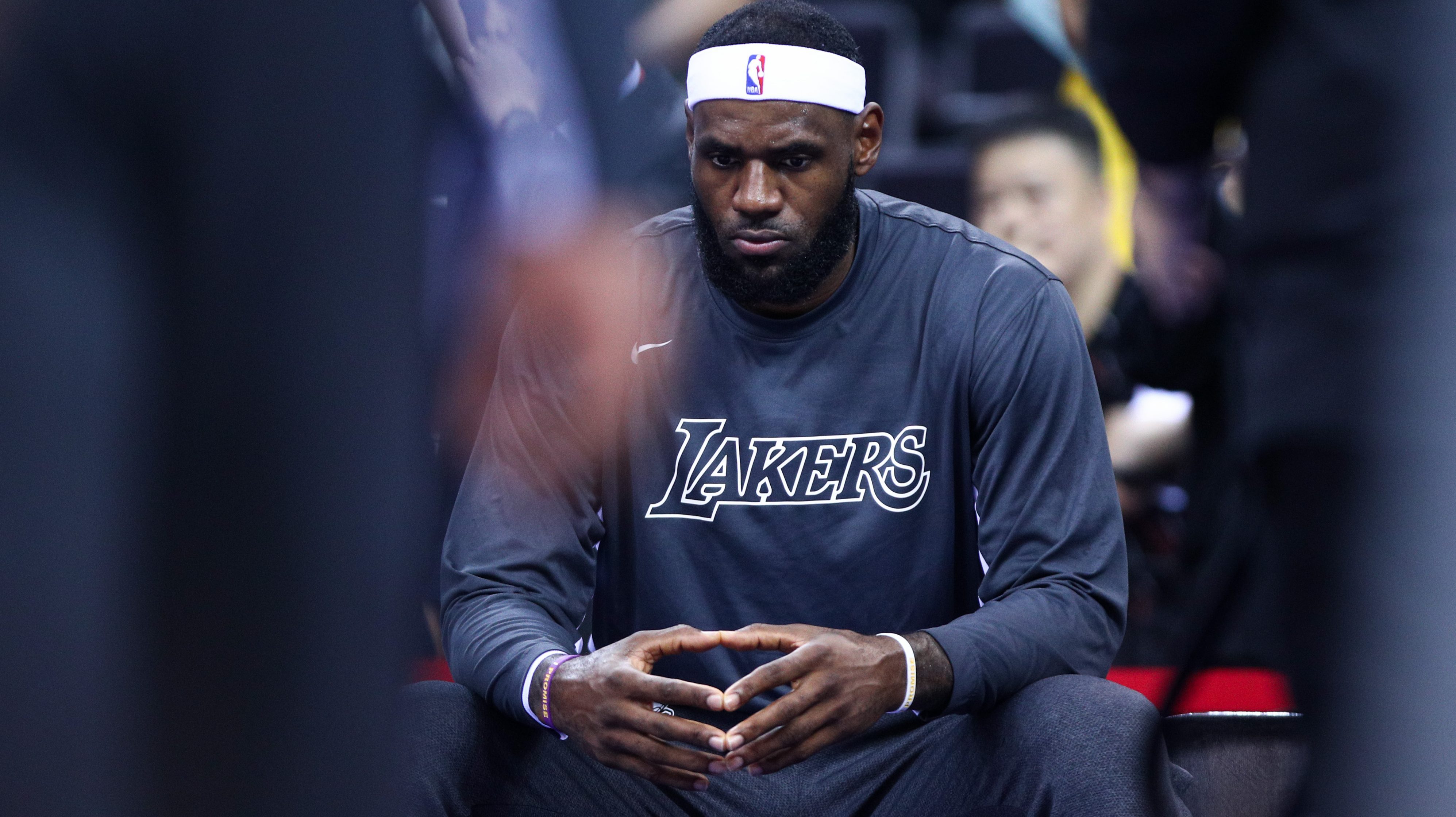
On October 14, 2019, LeBron James addressed the controversy for the first time during a media availability session after returning from a preseason trip to China with the Los Angeles Lakers. His comments focused heavily on what he perceived as a lack of foresight by Morey regarding the timing and potential fallout of his social media post.
James stated that while everyone has the freedom of speech, that freedom can also come with negative consequences if not handled carefully. He remarked that Morey might have been "misinformed or not really educated on the situation" when he hit send on the tweet. James emphasized that his critique was not directed at the substance of the political issue itself, but rather at the timing and the potential impact that sudden geopolitical controversies can have on individuals working or traveling abroad—specifically noting the vulnerable position of NBA players, staff, and league representatives currently on the ground in China.
"I don't want to get into a feud with Daryl Morey, but I believe he wasn't educated on the situation at hand, and a lot of people could have been harmed, not only financially, but physically, emotionally, spiritually." — LeBron James
These remarks immediately drew a sharp division among fans, media commentators, and human rights advocates, many of whom interpreted the statement as a defense of Chinese censorship and an economic prioritization over human rights activism.
Public and Media Backlash in the United States
The immediate reaction to LeBron James’s comments across domestic media channels was swift and highly critical. For years, prominent American professional athletes, particularly those in the NBA, had cultivated public personas centered on social justice, community activism, and the vocal defense of civil rights—exemplified by slogans like "More Than an Athlete" and active commentary on domestic political issues.
Critics argued that James’s critique of Morey represented a double standard: advocating passionately for social justice and free speech at home in the United States while appearing to subordinate those same principles abroad to protect lucrative sneaker endorsement deals and commercial interests in authoritarian markets. Protestors at subsequent NBA games wore "Stand with Hong Kong" t-shirts and distributed pro-democracy literature, occasionally clashing with arena security.
Key Arguments from Critics and Supporters
- Critics' Perspective: Argued that James prioritized financial interests over fundamental human rights, undermining his credibility as a social justice advocate by appeasing the Chinese government.
- Supporters' Perspective: Highlighted the practical safety concerns for players and personnel currently traveling in foreign nations, suggesting that domestic executives should weigh the real-world operational dangers before issuing public statements on foreign policy.
Economic and Geopolitical Realities of the NBA-China Relationship
To fully evaluate the context of the controversy, it is necessary to examine the scale of the economic relationship between the NBA and China, which began decades earlier under former commissioner David Stern.
| Metric / Area | NBA Involvement in China (Pre-2019 Baseline) |
|---|---|
| Broadcast Partner | Tencent (digital streaming rights valued at $1.5 billion over 5 years) |
| Sponsorships | Dozens of major Chinese corporations (Alibaba, Vivo, Anta, etc.) |
| Retail Market | Billions of dollars in annual merchandise sales and licensed apparel |
| Live Events | Regular hosting of NBA China Games in Beijing, Shanghai, and Shenzhen |
The financial exposure meant that any prolonged boycott or state-mandated ban by Chinese authorities posed an existential threat to the league's salary cap projections, which directly impact player earnings. James's focus on the financial and physical safety of league personnel reflected the pragmatic concerns of players whose livelihoods depend on global economic stability.
Long-Term Impact on Athlete Activism and Corporate Diplomacy
The 2019 controversy marked a permanent turning point in how professional sports leagues approach international politics and public relations. Following the incident, sports organizations implemented stricter internal communication guidelines regarding geopolitical commentary, advising executives and players to weigh international liabilities carefully.
For LeBron James, the episode served as a stark reminder of the complexities inherent in global celebrity status. While he continued his domestic philanthropic efforts—such as opening the I PROMISE School and speaking out on American social issues—the incident permanently altered public discourse surrounding the boundaries of athlete activism when commercial interests intersect with international geopolitics.
Frequently Asked Questions
What did LeBron James say about China?
LeBron James stated that Houston Rockets General Manager Daryl Morey was "misinformed or not really educated" when he tweeted support for Hong Kong protests, emphasizing that public comments on foreign affairs can create severe financial and physical risks for individuals operating abroad.
Why was Daryl Morey’s tweet controversial?
Daryl Morey posted an image supporting Hong Kong pro-democracy protesters, which triggered massive boycotts, cancelled sponsorship deals, and suspended game broadcasts across mainland China, threatening the NBA's multi-billion-dollar market.
Did LeBron James apologize for his remarks?
No. James later clarified on social media that he was not discussing the substance of the political conflict itself, but rather the lack of consideration for the immediate consequences that the tweet posed for players and staff traveling in China.
How did the NBA respond to the crisis?
The NBA issued a neutral statement acknowledging that Morey’s views did not represent the league or the team, which subsequently drew heavy criticism in the United States for appearing to appease Chinese censorship.
What are the broader takeaways from the 2019 NBA-China controversy?
The event highlighted the deep financial integration between Western sports leagues and authoritarian markets, illustrating the difficulty athletes face when balancing domestic social activism with global commercial enterprises.
Conclusion and Next Actions
Understanding the nuances of LeBron James’s comments on China requires looking past sensationalized headlines to examine the intersection of global commerce, personal safety, and free speech. When analyzing similar international corporate crises, researchers and sports enthusiasts should examine the underlying economic dependencies, verify original primary source statements from press conferences, and consider the operational vulnerabilities faced by multinational organizations operating in foreign jurisdictions.
Image Gallery