How to Handle a Minor Injury in a Car Accident: A Comprehensive Guide
To handle a minor injury in a car accident, prioritize immediate safety and seek a professional medical evaluation within 24 hours, as adrenaline often masks underlying trauma. Document the scene, exchange insurance information, and no...
To handle a minor injury in a car accident, prioritize immediate safety and seek a professional medical evaluation within 24 hours, as adrenaline often masks underlying trauma. Document the scene, exchange insurance information, and notify your provider to initiate a Personal Injury Protection (PIP) or MedPay claim for medical coverage.
Contents
Immediate On-Scene Actions and Safety Protocols
The moments following a car accident are often chaotic, even when injuries appear minor. In 2026, standard safety protocols emphasize a "safety-first, evidence-second" approach. Before assessing your physical condition, ensure that your vehicle is moved out of the flow of traffic if possible. According to the National Highway Traffic Safety Administration (NHTSA), secondary collisions are a significant risk for those standing near disabled vehicles on high-speed roadways.
Once you have secured the area, perform a self-assessment. Minor injuries often manifest as dull aches, stiffness, or small abrasions. However, the physiological response to a collision—specifically the surge of adrenaline and cortisol—can temporarily block pain receptors. This "fight or flight" response may lead you to believe you are uninjured when, in reality, you have sustained soft tissue damage or a mild concussion.
Documenting the Incident Digital-First
In 2026, most insurance carriers utilize high-resolution digital claim portals. Use your smartphone to take wide-angle and close-up photos of the vehicle damage, the surrounding road conditions, and any visible injuries, such as bruising or lacerations. While the injury may seem insignificant, these photographs serve as "contemporaneous evidence," which is vital if the injury worsens over the following days.
Identifying Common Minor Injuries and Latent Symptoms
A "minor" injury in a car accident is generally defined as one that does not pose an immediate threat to life or limb but still requires diagnostic verification. Understanding the specific types of injuries common in low-to-moderate impact collisions helps in communicating effectively with healthcare providers.
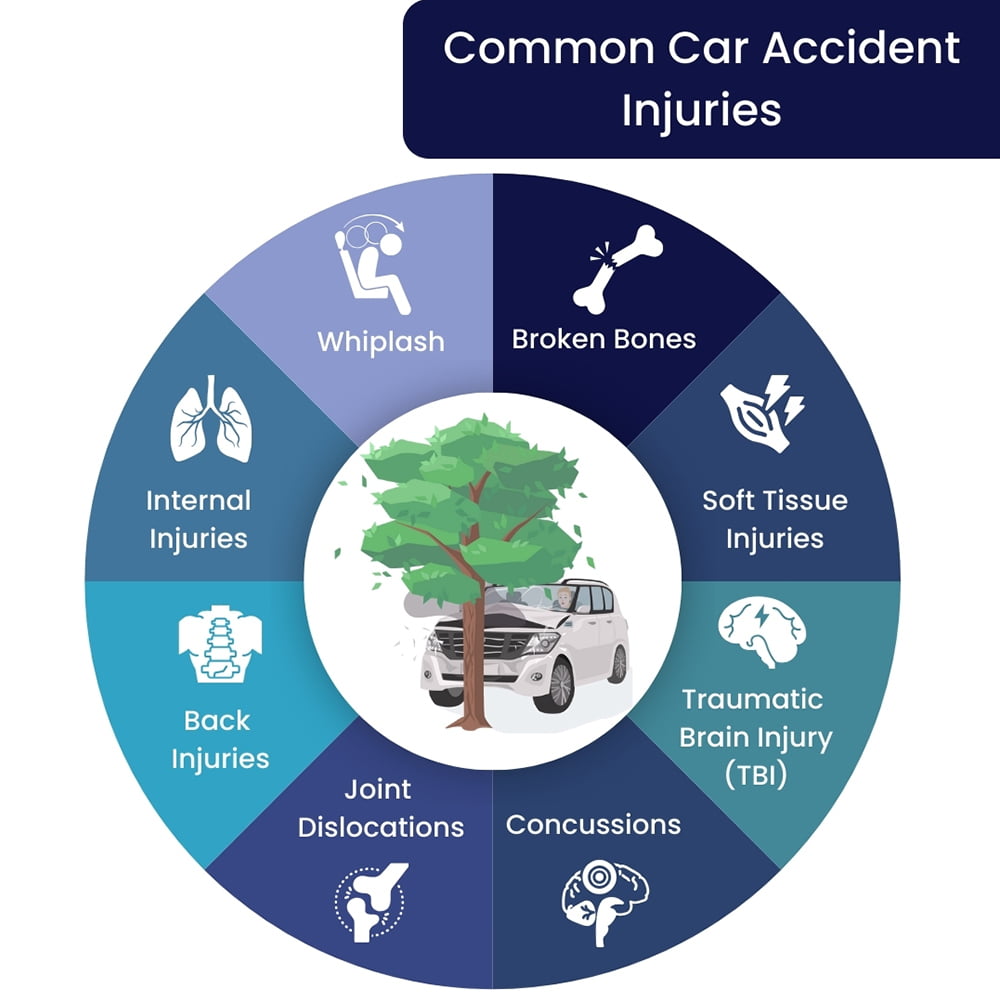
Whiplash and Cervical Strain
Whiplash occurs when the head is suddenly jerked forward and backward, stretching the tendons and ligaments in the neck beyond their normal range of motion. Symptoms often do not appear until 12 to 24 hours after the impact. You might experience neck stiffness, headaches at the base of the skull, or radiation of pain into the shoulders.
Soft Tissue and "Seat Belt" Injuries
Soft tissue injuries include sprains, strains, and contusions. A common phenomenon is the "seat belt sign," which is bruising across the chest or abdomen caused by the restraint system. While the seat belt saved your life, the force applied can cause internal bruising or minor rib fractures that require an X-ray or ultrasound for confirmation.
Mild Traumatic Brain Injury (mTBI)
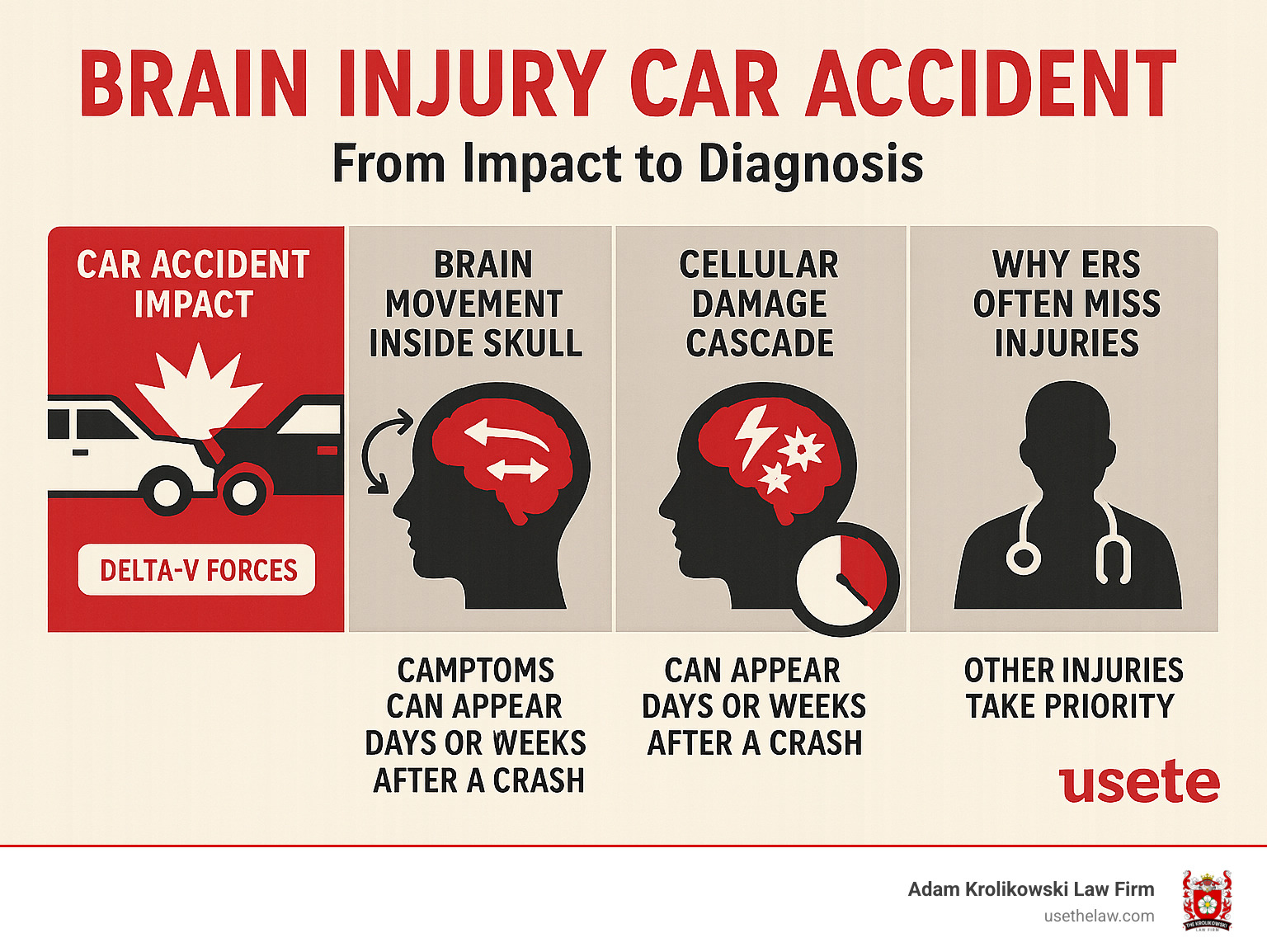
Even without hitting your head on the steering wheel or window, the rapid acceleration and deceleration of a crash can cause the brain to strike the inner skull. This results in a concussion. In 2026, medical guidelines from the Centers for Disease Control and Prevention (CDC) emphasize monitoring for "red flag" symptoms:
- Persistent dizziness or vertigo.
- Sensitivity to light or sound.
- Minor memory lapses or "brain fog."
- Changes in sleep patterns.
The Necessity of Medical Evaluation Within 24 Hours
One of the most frequent mistakes accident victims make is "toughing it out." From a legal and insurance perspective, waiting more than 48 to 72 hours to see a doctor can be catastrophic for a claim. Insurance adjusters often use a delay in treatment as evidence that the injury was either not serious or occurred in an unrelated incident after the accident.
Choosing the Right Care Facility
In 2026, the healthcare landscape offers several tiers of care. For a minor injury, you must decide between a Primary Care Physician (PCP), an Urgent Care center, or a specialized "accident clinic."
| Care Option | Best For | Pros | Cons |
|---|---|---|---|
| Urgent Care | Immediate diagnostic needs (X-rays, stitches) | Faster than ER; walk-ins welcome | May not specialize in long-term trauma |
| Primary Care (PCP) | Follow-up and general wellness | Knowledge of your medical history | Often requires weeks for an appointment |
| Emergency Room | Rule out internal bleeding or severe TBI | Comprehensive testing equipment | High cost; long wait times for non-emergencies |
| Telemedicine | Initial screening and documentation | Convenient; instant record of report | Cannot perform physical exams or imaging |
For most minor injuries, an Urgent Care center is the optimal balance of speed and diagnostic capability. Ensure that you inform the intake staff that your visit is related to a motor vehicle accident, as this requires specific billing procedures separate from standard health insurance.
Navigating the Insurance Claim Process
Handling the financial aspect of a minor injury requires a clear understanding of your policy's "First-Party" benefits. Depending on your jurisdiction, you may live in a "No-Fault" state or a "Tort" (At-Fault) state.
Personal Injury Protection (PIP) and MedPay
In No-Fault states, your own insurance company pays for your medical bills regardless of who caused the accident through Personal Injury Protection (PIP). In 2026, many states have updated PIP thresholds to account for inflation in medical costs. PIP typically covers:
- Medical expenses (surgeries, X-rays, rehabilitation).
- Lost wages if the minor injury prevents you from working.
- "Essential services" like house cleaning if you are physically limited.
Medical Payments Coverage (MedPay) is a similar, though usually more limited, benefit available in Tort states. Unlike PIP, MedPay generally only covers direct medical expenses and does not include lost wages.
Disclosing the Injury to Your Carrier
When you report the claim, be factual but concise. Do not use definitive statements like "I am fine" or "I am not hurt." Instead, use phrases like "I am seeking a medical evaluation for symptoms resulting from the crash." This leaves the door open for medical professionals to provide a formal diagnosis.
Documentation and the "Pain Journal"
To ensure your minor injury is handled fairly by insurance adjusters, you must maintain a meticulous record of your recovery. This is often referred to as a "special damages" log.
What to track in your documentation:
- Medical Receipts: Every co-pay, prescription, and over-the-counter brace or medication.
- Travel Expenses: Mileage to and from physical therapy or doctor appointments.
- The Recovery Timeline: In 2026, digital "pain journals" or apps are frequently used to log daily pain levels (1-10) and how the injury interferes with daily activities (e.g., "Could not lift groceries due to shoulder strain").
This documentation is vital because minor injuries can sometimes transition into chronic conditions. For example, a minor lumbar strain can evolve into a herniated disc issues months later. Without a continuous paper trail starting from the date of the accident, linking the chronic condition to the initial crash becomes difficult.
Legal Considerations for Minor Injuries
You might wonder if you need an attorney for a minor injury. While many small claims are settled directly with insurance companies, there are specific scenarios where legal advice is necessary.
The "Serious Injury Threshold"
In No-Fault states, you are generally prohibited from suing the other driver unless your injuries meet a specific "threshold." This is usually defined by a certain dollar amount in medical bills or the nature of the injury (e.g., permanent scarring or loss of function). An attorney can help determine if your "minor" injury has crossed this threshold, allowing you to seek "pain and suffering" damages.
Statutes of Limitations in 2026
Every jurisdiction has a time limit for filing a personal injury claim. By 2026, some states have shortened these windows to encourage faster resolution of claims. It is essential to verify the statute of limitations in your specific state—most range from one to three years, but the clock starts ticking the moment the accident occurs.
Common Mistakes to Avoid
- Accepting an Immediate Settlement: Insurance companies may offer a "quick cash" settlement within days of the accident. While tempting, this requires you to sign a release waiving your right to any future claims. If your minor injury requires surgery six months later, you will be responsible for all costs.
- Downplaying Symptoms to the Police: The police report is a foundational document. If you feel any discomfort, ensure the officer notes "possible injury" on the report.
- Posting on Social Media: In 2026, insurance adjusters routinely monitor social media. Posting a photo of yourself at the gym or a party can be used as evidence that your "minor injury" is non-existent or exaggerated.
FAQ
How long do I have to see a doctor after a car accident? While legal limits vary, medical experts and insurance professionals recommend seeking an evaluation within 24 to 48 hours. This establishes a clear "causal link" between the accident and your physical condition, which is necessary for a successful insurance claim.
Can I handle a minor injury claim without a lawyer? Yes, it is possible to handle minor claims independently if the medical bills are low and the insurance company is cooperative. However, if the insurer denies liability or if your symptoms persist for more than a month, consulting with a personal injury attorney is advisable to protect your rights.
What if the other driver's insurance calls me? You are not required to provide a recorded statement to the other driver’s insurance company. In fact, doing so can be risky, as they may use your words to minimize your injury. Direct them to your own insurance agent or your attorney.
Is whiplash considered a minor injury? Whiplash is often categorized as a "minor" or "soft tissue" injury by insurance companies, but its effects can be significant and long-lasting. It requires professional diagnosis via physical examination and sometimes imaging to rule out more severe spinal issues.
Will my health insurance cover my accident injuries? In many cases, your auto insurance (PIP or MedPay) is the primary payer for accident-related injuries. Your private health insurance usually acts as secondary coverage, kicking in only after your auto policy limits are exhausted.
Proactive Recovery and Next Steps
Once the initial shock has worn off and you have received medical clearance, focus on proactive recovery. Minor injuries often respond well to the R.I.C.E. method (Rest, Ice, Compression, Elevation) in the first 48 hours, followed by gentle physical therapy or stretching as prescribed by a professional.
Continue to monitor your symptoms closely. If you experience new numbness, tingling in your extremities, or worsening cognitive function, return to your healthcare provider immediately. By combining prompt medical attention with diligent documentation, you ensure that your "minor" injury remains just that—a temporary setback rather than a long-term financial or physical burden.
Image Gallery