Wine in Puglia for the Curious: A Guide to Indigenous Grapes, Terroirs, and Styles
Puglia, the long, sun-drenched region forming the heel of Italy's boot, is one of the Mediterranean’s most dynamic wine-producing landscapes. For curious wine enthusiasts, exploring Apulian wine means moving beyond generic table wine t...
Puglia, the long, sun-drenched region forming the heel of Italy's boot, is one of the Mediterranean’s most dynamic wine-producing landscapes. For curious wine enthusiasts, exploring Apulian wine means moving beyond generic table wine traditions to discover ancient indigenous grape varieties, unique coastal microclimates, structured reds, crisp whites, and world-class rosé styles.
Contents
The Terroir of Puglia: Geography, Climate, and Soil
Understanding Apulia—known locally as Puglia—begins with its distinctive geography. As a narrow peninsula situated between the Adriatic Sea to the east and the Ionian Sea to the south and west, Puglia boasts more coastline than almost any other Italian region. This maritime positioning shapes every aspect of its viticulture.
- ADRIATIC SEA
- [Northern Puglia]: Daunia & Castel del Monte (Limestone Hills, Cool Nights)
- [Central Puglia]: Valle d me / Murge Plateau (High Altitude, Chalky Soils)
- [Southern Puglia]: Salento Peninsula (Terra Rossa, Flat, Twin-Sea Breezes)
- IONIAN SEA
Climate and Sun Exposure
Puglia experiences a classic Mediterranean climate characterized by hot, dry summers and mild, wet winters. Constant sea breezes roll across the land from both seas, providing natural ventilation that cools the vineyards during summer heatwaves and keeps grape clusters dry, significantly lowering the risk of fungal diseases.
Diurnal temperature variation—the temperature gap between day and night—is particularly pronounced in higher-altitude subregions like the Murge plateau and Castel del Monte. Cool nocturnal winds preserve natural acidity in the grapes, balancing the rich sugar accumulation driven by intense daylight.
Soil Diversity
The geological foundation of Puglia varies considerably from north to south, directly influencing style:
- Terra Rossa (Red Clay): Prominent across the Salento peninsula, these iron-rich clay soils lie atop porous limestone bedrock. They retain essential moisture during dry spells while allowing vines to tap into deep mineral reserves.
- Limestone and Calcarenite: Dominant in central Puglia around the Valle d'Itria and Murge, these chalky, alkaline soils yield whites and light reds with high mineral drive and vibrant acidity.
- Alluvial and Sandy Soils: Found along coastal zones and northern plains, these well-drained soils produce highly aromatic, fruit-forward wines.
The Legacy of Alberello Training
Curious wine lovers will frequently encounter the term alberello (bush vine training). Introduced by the ancient Greeks, this head-trained, freestanding vine system keeps canopy leaves low to shelter grape bunches from scorching sunlight while maintaining low yields and high flavor concentration. Many of Puglia’s most complex red wines are crafted from old alberello vines, some exceeding 70 to 100 years of age.
The Core Indigenous Red Grapes
Red grapes dominate Apulian viticulture, accounting for the vast majority of the region's total production. However, far from being monolithic, these varieties display distinct personalities tied to their specific subregions.
1. Primitivo
Primitivo is Puglia’s most famous indigenous red grape. The name derives from the Latin primitivus, referencing the grape’s tendency to ripen earlier than other varieties, often harvested in late August or early September.
- Genetic Kinship: DNA profiling confirmed that Primitivo is genetically identical to California’s Zinfandel and Croatia's ancient Tribidrag (or Crljenak Kaštelanski).
- Flavor Profile: Primitivo typically yields full-bodied, opaque dark red wines. Expect aromas of blackberry jam, baked plum, dried fig, sweet tobacco, and black pepper. Despite high alcohol content (often ranging from 14.5% to 16% ABV), top examples maintain freshness through balanced acidity.
- Key Regions: Primitivo di Manduria (near the Ionian coast) produces rich, plush, velvet-textured wines, while Gioia del Colle (further inland at higher elevations) delivers a tighter, more structured, and mineral-driven expression.
2. Negroamaro
The flagship grape of the southern Salento region, Negroamaro has been cultivated in Puglia for over two millennia. The name likely stems from a combination of the Latin niger and Greek mavros, both meaning "black," emphasizing the grape's deep color.
- Flavor Profile: Unlike the fruit-forward sweetness of Primitivo, Negroamaro displays a savory, slightly rustic character. It offers ripe dark cherry, wild plum, dried Mediterranean herbs (thyme and rosemary), dark chocolate, and a signature bitter-almond finish on the palate.
- Structure: Negroamaro possesses medium-to-high tannins and vibrant acidity, making it exceptionally food-friendly and capable of aging. It forms the backbone of legendary regional blends, such as Salice Salentino.
3. Nero di Troia (Uva di Troia)
Predominant in northern Puglia around Barletta, Trani, and the hills of Castel del Monte, Nero di Troia is a late-ripening variety favored by enthusiasts seeking elegance and perfume over brute power.
- Flavor Profile: Nero di Troia is recognized by its expressive aromatics, featuring notes of violet, red rose petal, black cherry, liquorice, and crushed clove.
- Palate Structure: It delivers firm, fine-grained tannins and elevated acidity. Its lower sugar accumulation compared to Primitivo results in lower alcohol levels and a taut, linear palate structure suitable for extended cellar aging.
4. Susumaniello
Once relegated to blending due to its extremely high yields when young, Susumaniello gets its name from somarello (donkey), referring to how heavily loaded the vines were. As vines age, however, yields drop dramatically, producing concentrated, high-quality berries.
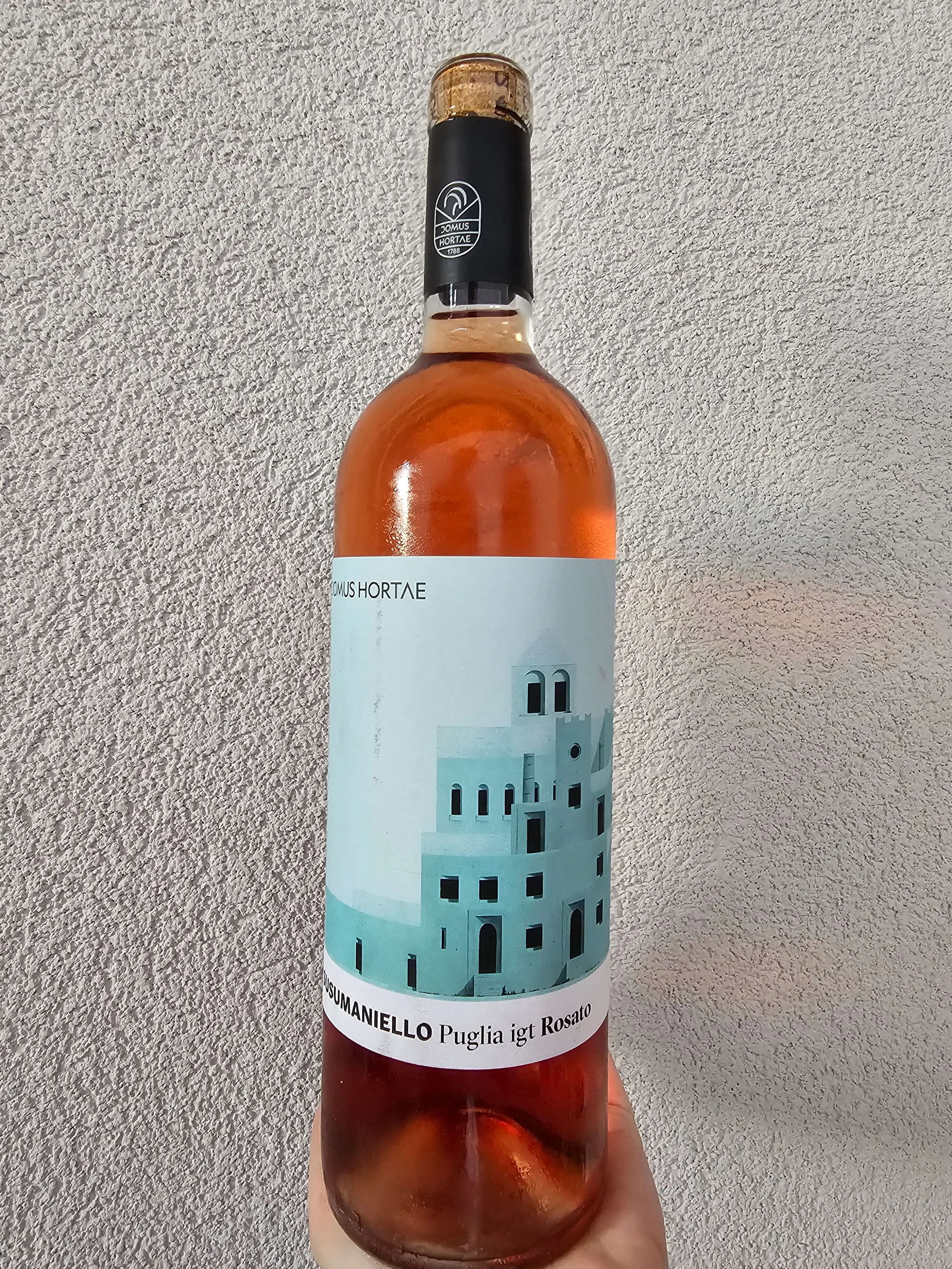
- Flavor Profile: Modern monovarietal Susumaniello is celebrated for its deep ruby-purple hue, striking aromas of fresh blueberry, pomegranate, red plum, and graphite. It combines bright acidity with plush, silky tannins, representing one of Puglia's most exciting varietal revivals.
Exploring Puglia’s Whites and Rosés
While reds claim the spotlight, Puglia’s white and rosé wines offer remarkable freshness and culinary versatility.
PUGLIA'S NON-RED PORTFOLIO
| WHITE VARIETIES | ROSATO STYLES |
|---|---|
| • Verdeca (Crisp apple, citrus, mineral/saline) | • Salento Rosato (Negroamaro-based, dry, crisp, red berry, citrus) |
| • Minutolo (Aromatic floral, peach, herbal) | |
| • Bombino Bianco (Neutral, crisp, stone fruit) |
Indigenous White Grape Varieties
- Verdeca: Historically used for vermouth bases, Verdeca has emerged as a crisp, bone-dry varietal white. Grown primarily in the Valle d'Itria, it exhibits aromas of green apple, white peach, lemon peel, and a distinct sea-salt minerality.
- Minutolo (Fiano Minutolo): Not to be confused with Campania's Fiano di Avellino, Minutolo is an aromatic variety native to Puglia. It delivers exotic aromatics reminiscent of Gewürztraminer or Muscat, bursting with white flowers, passion fruit, lemon verbena, and chamomile, backed by crisp acidity.
- Bombino Bianco: Widely planted across northern Puglia, Bombino Bianco produces light-bodied, highly refreshing white wines with delicate floral notes and bright citrus flavors. It is also used to craft regional sparkling wines (Metodo Classico).
The Rosato Tradition
Puglia ranks among Italy’s finest producers of rosé, locally termed Rosato. Centered in Salento and crafted primarily from Negroamaro or Bombino Nero grapes using short maceration skin contact, Apulian Rosatos stand out for their coral pink color, structure, and gastronomic versatility. They present fragrant notes of fresh strawberry, pomegranate, blood orange, and Mediterranean scrub, finishing dry with balanced acidity.
Major Appellations: Navigating Labels
Understanding Apulian wine classifications helps buyers identify quality and origin. Puglia hosts several Denominazione di Origine Controllata (DOC) zones and prestigious Denominazione di Origine Controllata e Garantita (DOCG) regions.
Key DOC and DOCG Regions
- Primitivo di Manduria DOC & DOCG:
- DOC: Covers dry, full-bodied reds made from at least 85% Primitivo grown near the Gulf of Taranto.
- DOCG (Dolce Naturale): Puglia’s first DOCG zone, dedicated exclusively to naturally sweet wines crafted from sun-dried (appassimento) Primitivo grapes harvested late in the season.
- Castel del Monte DOCG:
- Located in northern Puglia around the historic octagonal castle built by Emperor Frederick II.
- Home to two distinct DOCGs: Castel del Monte Nero di Troia Riserva (structured red requiring a minimum 2 years of aging) and Castel del Monte Bombino Nero (a dedicated rosé DOCG).
- Salice Salentino DOC:
- The heart of Salento red production. Blends must contain at least 75% Negroamaro, typically rounded out with Malvasia Nera for aromatic softness. These wines offer complex notes of plum preserves, leather, and dried herbs.
- Gioia del Colle DOC:
- Located on the rocky limestone plateau south of Bari. Primitivo grown here benefits from high elevations (up to 450 meters), producing reds with sharper acidity, mineral undertones, and higher aging potential than warmer coastal equivalents.
Comparative Profile of Puglia’s Grape Varieties
The table below compares the core characteristics, flavor markers, and recommended pairings for Puglia's primary grape varieties:
| Grape Variety | Primary Subregion | Body & Acidity | Key Flavor Profile | Recommended Food Pairing |
|---|---|---|---|---|
| Primitivo | Manduria, Gioia del Colle | Full Body / Medium Acidity | Baked plum, blackberry, sweet spice, cocoa | Slow-braised beef shanks, smoked meats |
| Negroamaro | Salento, Salice Salentino | Medium-Full Body / High Acidity | Dark cherry, dried herbs, espresso, bitter almond | Orecchiette with sausage and ragù |
| Nero di Troia | Castel del Monte, Foggia | Medium Body / High Acidity | Violet, black pepper, black cherry, clove | Roasted lamb, aged caciocavallo cheese |
| Susumaniello | Brindisi, Salento | Medium-Full Body / Medium-High Acidity | Fresh blueberry, pomegranate, graphite, black tea | Grilled pork chops, rich pasta dishes |
| Verdeca | Valle d'Itria | Light-Medium Body / High Acidity | Green apple, lemon peel, saline minerality | Grilled octopus, fresh seafood risotto |
| Minutolo | Valle d'Itria, Bari | Medium Body / High Acidity | Jasmine, white peach, tropical citrus | Spicy Asian dishes, herb-crusted fish |
Food Pairing Principles for Apulian Wine
Apulian gastronomy evolved alongside its wine styles, emphasizing local produce, olive oil, hard wheat, fresh seafood, and roasted meats.
[APULIAN PAIRING MATRIX]
Rich / Roasted Meats: Primitivo & Nero di Troia (High Fruit / Firm Tannins)
Savory Pasta / Ragù: Negroamaro & Salice Salentino (Earthy / High Acidity)
Fresh Seafood / Fish: Verdeca & Rosato di Salento (Saline / Bright Acidity)
Aromatic / Spicy Food: Minutolo (High Floral / Fresh Finish)
Orecchiette cime di rapa (Turnip Tops): The bitter, garlic-infused brassica greens pair exceptionally well with a dry Rosato di Salento or a crisp, mineral Verdeca, which clean the palate without overpowering the dish.
Grilled Meats and Lamb: The structural tannins and violet-accented spice of Nero di Troia cut through the rich fat of wood-grilled lamb chops or roasted pork.
Rich Tomato Ragù and Meatballs: Negroamaro-based wines like Salice Salentino possess the high natural acidity necessary to match savory tomato sauces and braised meats.
Aged Cheeses (Pecorino Pugliese, Caciocavallo Podolico): Aged red wines, particularly mature Gioia del Colle Primitivo or Castel del Monte Riserva, match the salty intensity of hard cow and sheep milk cheeses.
Practical Buyer's and Tasting Guide
Navigating Apulian wine selection requires attention to label designations, vintage conditions, and serving protocols.
Decoding the Label
When purchasing Apulian wine, look for these specific indicators on the bottle:
- IGP (Indicazione Geografica Protetta): Labels marked IGP Salento or IGP Puglia offer fantastic quality and value. Winemakers frequently use IGP status to bottle single-varietal experimental wines (such as 100% Susumaniello or Minutolo) that fall outside traditional DOC rules.
- Riserva: Denotes wines aged for a mandatory minimum period before release (often 2 years for reds, with at least 6 months in wood barrels), ensuring smoother tannins and integrated flavors.
- Vigne Vecchie (Old Vines): Indicates grapes harvested from low-yielding bush vines (alberello). These wines generally show greater fruit concentration, texture, and complexity.
Serving Temperature Recommendations
- Whites (Verdeca, Minutolo): Serve chilled at 8–10°C (46–50°F) to highlight brightness and aromatic detail.
- Rosatos: Serve slightly cellar-chilled at 10–12°C (50–54°F) to balance fruit character and crisp acidity.
- Lighter/Medium Reds (Susumaniello, young Negroamaro): Serve at 14–16°C (57–61°F).
- Full-Bodied Reds (Primitivo di Manduria, Castel del Monte Riserva): Serve at 16–18°C (61–64°F). Decant high-alcohol Primitivo or young Nero di Troia 30 to 60 minutes prior to serving to open up tight aromatics and soften youthful tannins.
Frequently Asked Questions
Is Primitivo exactly the same as Zinfandel?
Yes, genetically Primitivo and Zinfandel are the same grape variety (Tribidrag). However, regional terroir, climate, and winemaking practices create distinct styles. Apulian Primitivo often shows riper baked fruit and lower noticeable oak intervention compared to American Zinfandel, reflecting its Mediterranean environment.
Why are Rosato wines so prominent in Puglia?
Puglia’s warm climate and historical culinary reliance on seafood and vegetables made red wines too heavy for warm summer dining. Rosato production allowed winemakers to utilize red grapes like Negroamaro to craft structured, refreshing wines perfectly suited to coastal cuisine.
Are all Puglia red wines high in alcohol?
While coastal zones like Manduria produce high-alcohol Primitivo (often 15% ABV or higher due to rapid sugar accumulation), other subregions produce moderate-alcohol wines. High-altitude zones like Gioia del Colle and Castel del Monte yield elegant reds typically sitting between 13% and 14% ABV.
How long can Apulian red wines age in a cellar?
Entry-level IGP wines are designed for fresh consumption within 2 to 4 years. However, top-tier appellations—such as Castel del Monte Nero di Troia Riserva, Gioia del Colle Primitivo, and wood-aged Salice Salentino—possess the structure, acidity, and polyphenols to evolve gracefully over 8 to 15 years.
What does "Terra Rossa" soil contribute to the wine?
Terra rossa is an iron-rich red clay sitting over limestone bedrocks. It retains moisture during dry Apulian summers while supplying essential mineral nutrition to the vines, contributing to both fruit concentration and vibrant acidity in varieties like Negroamaro and Primitivo.
Recommended Next Actions for Wine Explorers
To deepen your understanding of Apulian viticulture, consider the following practical steps:
- Conduct a Side-by-Side Primitivo Tasting: Purchase a bottle of coastal Primitivo di Manduria DOC alongside an inland, high-altitude Gioia del Colle Primitivo DOC. Compare how elevation and soil influence weight, acidity, and aromatic complexity.
- Explore Monovarietal Heritage Grapes: Move beyond Primitivo by trying single-varietal bottles of Susumaniello and Nero di Troia to experience the stylistic spectrum of Apulian red wine.
- Sample Fresh Salento Rosato: Pair a chilled bottle of 100% Negroamaro Rosato di Salento with grilled seafood or pasta to discover one of Italy's finest food-matching wines.
Image Gallery