Fleet Management Solutions Simplified: Optimizing Operations in 2026
Simplifying fleet management involves transitioning from fragmented manual processes to integrated digital platforms that consolidate GPS tracking, maintenance scheduling, and compliance data into a single interface. By leveraging AI-d...
Simplifying fleet management involves transitioning from fragmented manual processes to integrated digital platforms that consolidate GPS tracking, maintenance scheduling, and compliance data into a single interface. By leveraging AI-driven analytics and real-time telematics, businesses can reduce operational overhead, ensure driver safety, and maintain regulatory compliance with minimal manual intervention.
Contents
Effective fleet management is no longer just about knowing where a vehicle is located; it is about orchestrating a complex ecosystem of data to drive efficiency and profitability. In 2026, the complexity of managing mixed fleets—comprising internal combustion engines (ICE), electric vehicles (EVs), and specialized equipment—requires a streamlined approach that eliminates data silos. This guide breaks down the essential components of simplified fleet solutions, providing a roadmap for implementation and optimization.
The Evolution of Fleet Management in 2026
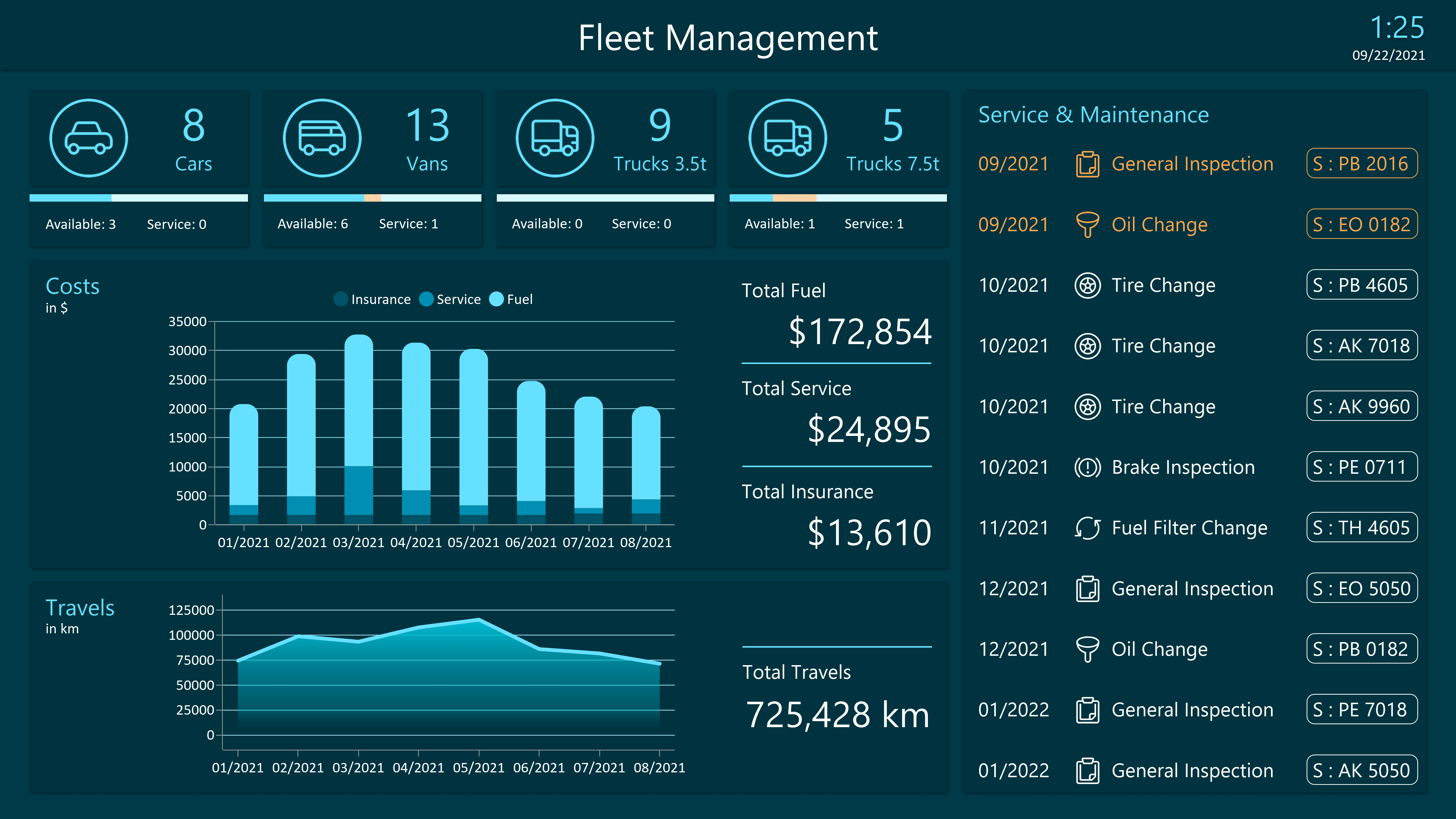
The landscape of logistics and transport has shifted significantly over the last decade. Historically, fleet managers relied on whiteboards, spreadsheets, and radio communication to track assets. Today, fleet management solutions simplified through technology provide a unified view of every asset in real-time. The primary goal of these modern systems is to transform raw data from vehicle sensors into actionable insights.
The integration of 5G telematics has virtually eliminated latency, allowing for instantaneous feedback between the vehicle and the back office. This connectivity is the backbone of "simplified" management, as it automates the collection of odometer readings, engine diagnostics, and location history. When this data flows seamlessly into a centralized dashboard, the need for manual check-ins and data entry is removed, allowing managers to focus on high-level strategy rather than administrative minutiae.
Core Components of a Simplified Fleet Platform
To truly simplify operations, a solution must address several critical areas within a single pane of glass. When these components are disconnected, the fleet manager's job becomes more difficult, not easier.
1. Telematics and Real-Time GPS Tracking
Telematics is the foundation of any modern fleet strategy. By installing a small device in the vehicle’s OBD-II port or hardwiring it to the CAN bus, companies can monitor speed, idling, and harsh braking. Simplified solutions take this a step further by providing Geofencing capabilities, which trigger automatic alerts when a vehicle enters or exits a predefined area. This automation reduces the need for constant monitoring, as the system only notifies the manager when an exception occurs.
2. Automated Maintenance Management
Maintenance is often the largest variable cost in fleet operations. A simplified solution moves away from "calendar-based" maintenance (every six months) toward "usage-based" maintenance (every 5,000 miles or 300 engine hours). By pulling live odometer data, the software can automatically schedule service appointments and notify the shop. This proactive approach prevents the catastrophic failures that lead to unplanned downtime and expensive emergency repairs.
3. Integrated Fuel and Energy Monitoring
With fuel prices remaining volatile and the rise of EV charging infrastructure in 2026, managing energy consumption is vital. Simplified platforms integrate with fuel cards to automatically reconcile receipts against vehicle location, effectively eliminating fuel fraud. For electric fleets, these platforms monitor state-of-charge (SoC) and battery health, ensuring that vehicles are charged during off-peak hours to minimize energy costs.
The Role of AI and Predictive Analytics
Artificial Intelligence (AI) is the primary driver behind making fleet management "simplified" in 2026. Rather than requiring a human to analyze thousands of data points, AI algorithms identify patterns that suggest future problems.
Predictive Maintenance is perhaps the most significant application. By analyzing vibrations, temperature fluctuations, and historical failure data, the system can predict when a starter motor or alternator is likely to fail before it actually does. This allows the fleet manager to schedule the repair during a vehicle's scheduled downtime, maintaining the integrity of the delivery schedule.
Furthermore, AI-powered Video Telematics has simplified driver coaching. Instead of reviewing hours of footage, managers receive short clips of "events" (such as distracted driving or tailgating). The software can even provide real-time in-cab coaching to the driver, correcting the behavior in the moment and reducing the manager’s workload. This shift from reactive to proactive management is a hallmark of a simplified solution.
Regulatory Compliance and Safety Requirements
Navigating the regulatory environment is one of the most burdensome aspects of fleet management. In the United States, the Federal Motor Carrier Safety Administration (FMCSA) mandates strict adherence to Hours of Service (HOS) and Electronic Logging Device (ELD) rules.
A simplified fleet solution automates compliance by:
- HOS Tracking: Automatically recording driving time to prevent violations.
- DVIR (Driver Vehicle Inspection Reports): Moving from paper-based inspections to digital checklists that immediately flag defects for the maintenance team.
- IFTA (International Fuel Tax Agreement) Reporting: Automatically calculating fuel taxes based on GPS data across state lines, a process that used to take days of manual calculation.
By centralizing these regulatory tasks, companies significantly reduce the risk of fines and improve their CSA (Compliance, Safety, Accountability) scores, which in turn can lower insurance premiums.
Comparing Fleet Management Solution Tiers
When selecting a solution, it is important to understand the level of "simplification" provided at different price points. The following table compares standard features available in 2026.
| Feature | Basic Tracking | Professional Suite | Enterprise AI Integrated |
|---|---|---|---|
| GPS Update Frequency | 1-5 Minutes | 30 Seconds | Real-time (1-3 Seconds) |
| Maintenance | Manual Entry Alerts | Odometer-Based Alerts | Predictive AI Analytics |
| Compliance | Standard ELD | ELD + IFTA Reporting | Full Automated Compliance |
| Driver Safety | Harsh Event Alerts | AI Dashcam Integration | Real-time In-Cab Coaching |
| Integrations | Limited API | Full ERP Integration | Webhooks & Custom Logic |
| EV Support | None | Basic SoC Tracking | Advanced Charging Optimization |
Step-by-Step Implementation of a Simplified Solution
Transitioning to a simplified fleet management system requires a structured approach to ensure data integrity and driver buy-in.
- Requirement Audit: Identify the biggest "time-wasters" in your current process. Is it fuel reconciliation? Driver phone calls? Paperwork? Focus your solution search on these pain points.
- Hardware Selection: Decide between plug-and-play OBD-II devices or hardwired units. Hardwired units are more secure and can provide more data from the CAN bus, while OBD-II units are easier to install and move between vehicles.
- Pilot Program: Test the solution on 5–10% of your fleet for 30 days. This allows you to refine alert settings so that managers aren't overwhelmed by "alert fatigue."
- Driver Training: Transparency is key. Explain to drivers how the system simplifies their jobs (e.g., automated HOS, easier inspections) rather than focusing solely on "tracking."
- Full Rollout and Integration: Once the hardware is installed, integrate the fleet data with your existing CRM or ERP systems via API. This ensures that fleet data informs the rest of the business, such as billing and customer service.
Cost Considerations and ROI
While there is an upfront cost for hardware and a monthly subscription fee (SaaS), the ROI for simplified fleet management is usually realized within 6 to 12 months.
Direct Savings:
- Fuel Reduction: Monitoring idling and speeding can reduce fuel costs by 10-15%.
- Maintenance: Extending the life of the vehicle through preventive care reduces capital expenditure.
- Labor: Automating administrative tasks can save a fleet manager 10-20 hours per week.
Indirect Savings:
- Insurance: Many insurers, such as those following NHTSA safety guidelines, offer discounts for fleets using AI dashcams and telematics.
- Customer Retention: More accurate ETAs lead to higher customer satisfaction.
Overcoming Implementation Challenges
Even the best technology can fail if not implemented correctly. The most common hurdle is "data overload." A system isn't "simplified" if it sends 500 emails a day to the manager. To avoid this, utilize exception-based reporting. Configure the system to only notify you when something goes wrong (e.g., a vehicle leaves a geofence, or a driver has a harsh braking event).
Another challenge is driver privacy. In 2026, privacy regulations are stringent. It is essential to choose a solution that complies with local labor laws and provides clear documentation on what data is collected and how it is used. Focus on "Safety and Efficiency" as the primary goals to build trust with the workforce.
Frequently Asked Questions
What is the difference between telematics and fleet management?
Telematics refers specifically to the technology used to transmit data from a vehicle to a remote server. Fleet management is the broader discipline of using that data, along with other tools like fuel cards and maintenance schedules, to oversee the entire lifecycle and daily operations of a vehicle group.
Can simplified solutions work for small fleets with fewer than 10 vehicles?
Yes. In fact, small fleets often benefit the most from simplification because they lack the dedicated administrative staff that larger companies possess. Many providers offer "lite" versions of their software specifically designed for small business needs, focusing on GPS and basic compliance.
How does AI improve fleet safety?
AI improves safety by identifying risky patterns before they lead to accidents. For example, AI dashcams can detect signs of driver fatigue or distraction (like looking at a phone) and issue an audible alert. This immediate feedback loop is more effective than reviewing an incident days after it occurred.
Are these solutions compatible with electric vehicles (EVs)?
Modern fleet solutions in 2026 are built with "EV-first" mentalities. They track battery health, charging station proximity, and "range-to-empty" metrics. This is crucial for avoiding "range anxiety" and ensuring that EVs are utilized as efficiently as their ICE counterparts.
What happens if the cellular network goes down?
Most high-quality telematics devices have internal storage (store-and-forward capability). If the vehicle enters an area with no 5G or 4G coverage, the device continues to collect data and uploads it all once a connection is re-established. This ensures no gaps in compliance or maintenance records.
Recommendation for Next Actions
To simplify your fleet operations, begin by consolidating your existing data sources. If you are currently using different providers for GPS, fuel cards, and maintenance, look for a unified platform that offers API integration. Start with a demo of an AI-integrated suite to see how predictive analytics can specifically reduce your unplanned downtime. Prioritize solutions that offer a mobile app for drivers, as this is the most effective way to eliminate paper-based workflows and ensure real-time data accuracy.
Image Gallery