Understanding NAGS in Auto Insurance: Pricing, Claims, and Glass Replacement Standards
NAGS, or National Auto Glass Specifications, is the universal benchmark system used by the auto insurance industry to standardize the pricing, identification, and installation of vehicle glass. It provides a common language for insuran...
NAGS, or National Auto Glass Specifications, is the universal benchmark system used by the auto insurance industry to standardize the pricing, identification, and installation of vehicle glass. It provides a common language for insurance carriers, glass manufacturers, and repair shops to ensure consistent claim processing and fair market valuations for windshields, side windows, and rear glass.
Contents
The Role of NAGS in the Modern Insurance Ecosystem
In 2026, the automotive landscape is more complex than ever, with glass no longer serving as a mere transparent barrier but as a critical housing for advanced sensors and safety technologies. To manage this complexity, the insurance industry relies almost exclusively on the National Auto Glass Specifications (NAGS). Owned and maintained by Mitchell International, NAGS functions as the "blue book" of the auto glass world.
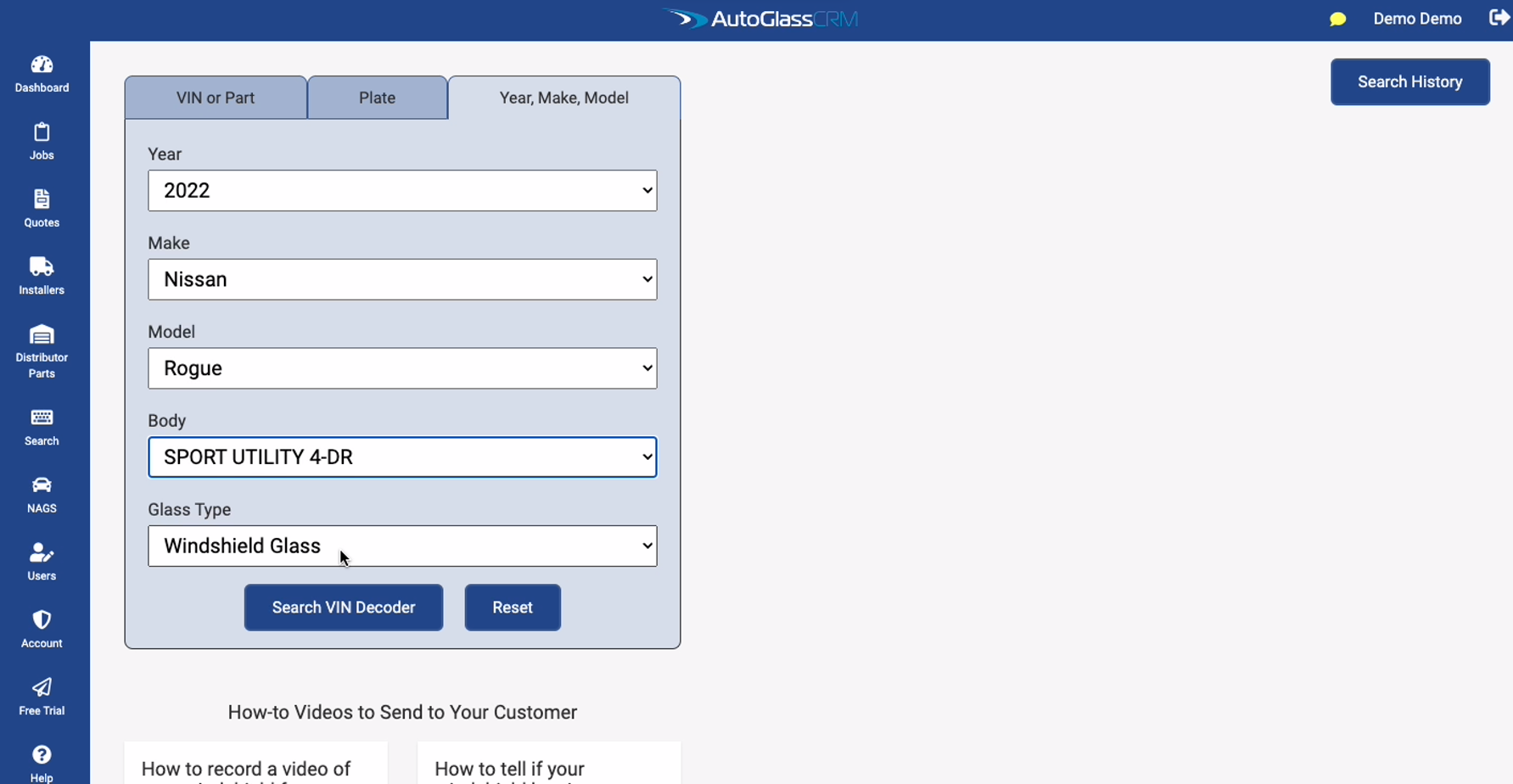
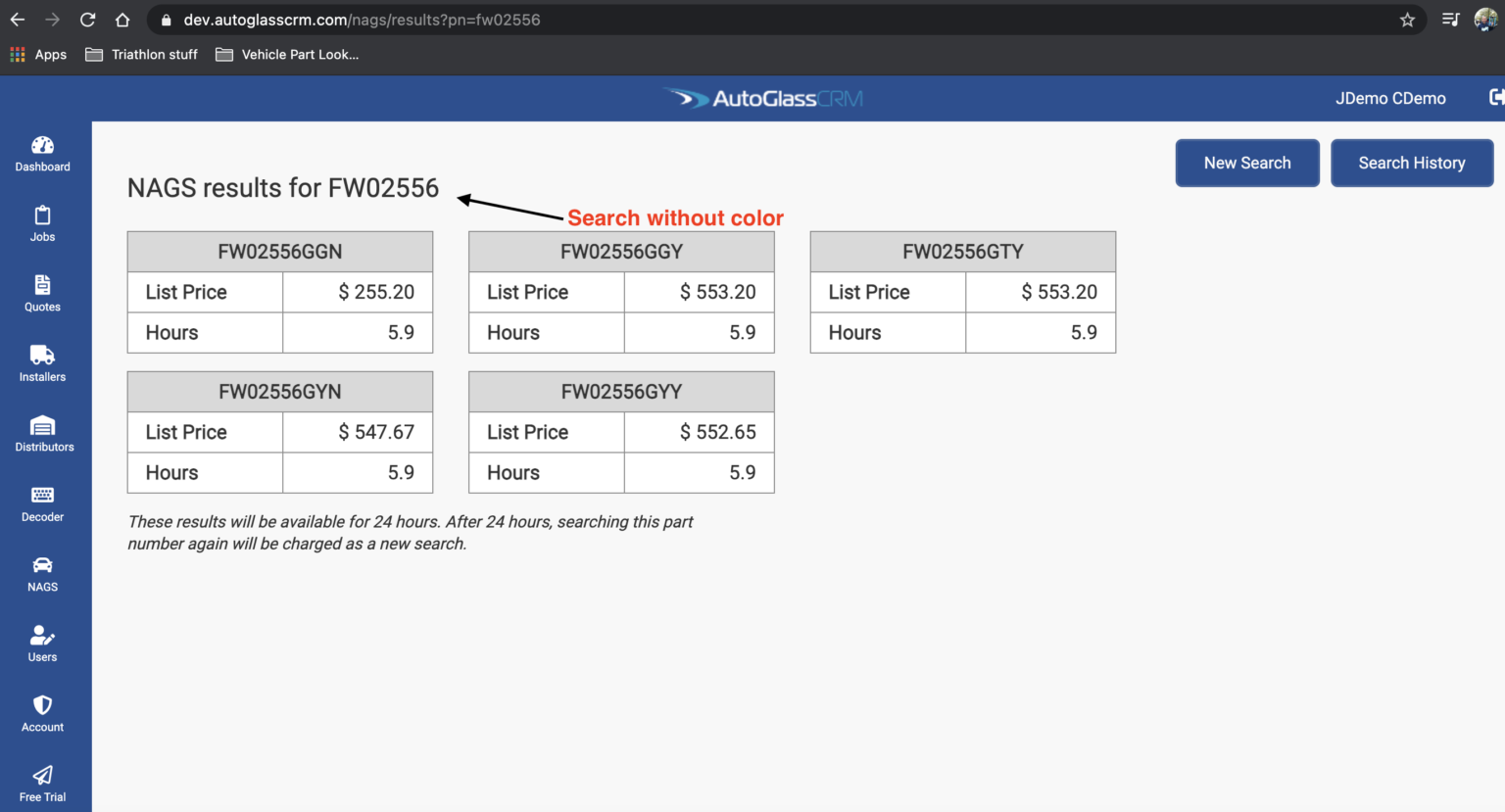
When you file an auto insurance claim for a cracked windshield, your insurance adjuster does not simply guess the cost of the replacement. Instead, they consult the NAGS International Benchmark Calculator. This database assigns a unique part number to every piece of glass for every vehicle make and model on the road. Along with the part number, NAGS provides a "List Price" and a standardized "Labor Time" required for the installation.
This standardization is vital for the efficiency of the claims process. Without NAGS, every glass shop in the country could set arbitrary prices for parts and labor, leading to massive discrepancies in what insurance companies pay. By using a centralized database, insurers can automate much of the glass claim workflow, often allowing for "no-touch" claims where a policyholder can book a replacement through an app, and the shop is paid automatically based on NAGS-approved rates.
How NAGS Pricing Works: List Price vs. Insurance Reimbursement
A common point of confusion for consumers is the difference between the NAGS "List Price" and the actual amount paid by the insurance company. It is important to understand that the NAGS List Price is a benchmark, not a mandatory retail price.
In the current 2026 market, most insurance carriers negotiate contracts with glass networks (such as Safelite Solutions or LYNX Services) that operate on a "NAGS Minus" formula. For example, an insurance policy might agree to pay "NAGS List Minus 50%" for the glass part, plus a flat hourly labor rate.
The NAGS Calculator Mechanics
The NAGS Calculator is updated several times a year to reflect changes in manufacturing costs, supply chain fluctuations, and the introduction of new vehicle models. When a new update is released, insurance companies and glass shops adjust their software to reflect the new benchmark.
- Part Numbers: Every piece of glass is assigned a specific code (e.g., a "DW" prefix for domestic windshields).
- List Price: This is the suggested value of the glass. It is calculated based on historical data and manufacturer input.
- Installation Time: This is the "book time" or the number of hours NAGS deems necessary for a qualified technician to complete the job.
- Kit Pricing: This includes the cost of moldings, clips, and adhesives required for the installation.
By using these metrics, the insurance company ensures they are paying a competitive rate that reflects the actual difficulty of the job. If a technician claims a windshield takes five hours to install, but NAGS states the standard time is 2.2 hours, the insurance company will likely deny the overage unless the shop can provide documented proof of extraordinary circumstances.
The Evolution of Glass: ADAS and Calibration in 2026
The most significant shift in NAGS standards over the last decade involves Advanced Driver Assistance Systems (ADAS). In 2026, nearly every new vehicle is equipped with cameras and sensors mounted directly to or behind the windshield. These systems control vital safety features such as lane-keep assist, automatic emergency braking, and adaptive cruise control.
NAGS has evolved to include specific labor operations for ADAS calibration. When a windshield is replaced, these cameras must be recalibrated to ensure they are pointing at the exact angle required by the vehicle’s computer. If the calibration is off by even a fraction of a degree, the safety systems may fail to engage or, worse, engage incorrectly.
Insurance companies now look to NAGS for the "Calibration Labor Time." This has added a new layer to auto insurance claims:
- Static Calibration: The vehicle is placed in a controlled environment with specific targets.
- Dynamic Calibration: The vehicle is driven at specific speeds for a set duration to allow the sensors to "learn" the road.
NAGS provides the standardized time for both types of calibration, allowing insurers to reimburse shops fairly for the specialized equipment and training required for these high-tech tasks. Because calibration can often cost as much as—or more than—the glass itself, having a standardized NAGS price prevents price gouging in the specialized safety sector.
OEM vs. Aftermarket Glass: The NAGS Distinction
When an insurance claim is filed, a major point of contention is often whether the replacement glass will be Original Equipment Manufacturer (OEM) or Aftermarket (OEE - Original Equipment Equivalent).
NAGS assigns different numbers and values based on the specifications of the glass. While OEM glass is made by the same manufacturer that produced the glass originally installed in the vehicle, OEE glass is made by other companies to the same specifications.
Most insurance policies state that the carrier will pay for glass of "like kind and quality." In the eyes of the NAGS system, if an aftermarket windshield meets all the structural and safety requirements of the OEM part, it is considered a valid replacement. However, for 2026 models with complex Head-Up Displays (HUD) or specific acoustic dampening needs, NAGS data often clarifies when an OEM part is technically necessary for the vehicle to function as intended. If the NAGS database indicates that a specific sensor only works with OEM-branded glass, the insurance company is much more likely to approve the higher cost of the manufacturer-branded part.
Understanding the Financial Impact of NAGS on Your Policy
The efficiency provided by the NAGS system directly impacts consumer insurance premiums. By standardizing costs, insurance companies can more accurately predict their "loss reserves"—the amount of money they need to set aside to pay for future glass claims.
| Feature | NAGS Standardized Data | Impact on Insurance Claim |
|---|---|---|
| Part Identification | Unique NAGS ID for every vehicle glass component. | Prevents ordering the wrong part; reduces delay. |
| Labor Hours | Pre-determined time units for installation. | Limits overcharging for labor by glass shops. |
| Calibration | Requirements for ADAS reset and testing. | Ensures safety systems are functional after repair. |
| Hardware/Kits | Lists necessary clips, moldings, and urethane. | Standardizes the "extras" that often inflate bills. |
| List Price | National benchmark for the value of the glass. | Provides a starting point for "NAGS Minus" discounts. |
For a policyholder, the use of NAGS means that if you choose a shop that is "in-network," your out-of-pocket cost is usually limited strictly to your deductible. Because the shop and the insurer both use the NAGS system, there is rarely a dispute over the total bill. However, if you choose an "out-of-network" shop that refuses to use NAGS pricing and instead charges a higher "retail" rate, you may be responsible for paying the difference between the shop's invoice and the NAGS-based reimbursement provided by your insurer.
Common Challenges and Troubleshooting in NAGS-Based Claims
Despite the high level of standardization, issues can still arise in the NAGS-driven insurance process. One of the primary challenges in 2026 is the "Pricing Lag." Because the NAGS calculator is updated periodically, there can be a delay between a sudden increase in manufacturing costs (such as a spike in the price of raw glass or specialized resins) and the reflected price in the NAGS database.
In these instances, glass shops may find that the "NAGS Minus" reimbursement from the insurance company is actually lower than the price the shop paid to buy the glass from the wholesaler. This can lead to shops refusing to perform certain insurance jobs unless the insurer agrees to a "price override."
Another common issue is Part Obsolescence. For older vehicles or rare imports, the NAGS database may still list a price for a part that is no longer in production. In these cases, the insurance adjuster must work outside of the NAGS system to find a specialized source or a used part, which often requires manual approval and can slow down the claim.
Frequently Asked Questions
Does NAGS set the price I pay for my windshield?
No, NAGS sets the benchmark price that insurance companies and glass shops use to negotiate. If you are paying out-of-pocket (not through insurance), a shop may charge you more or less than the NAGS List Price depending on their own overhead and local market competition.
Why does my insurance company pay "NAGS Minus" instead of the full price?
The NAGS List Price is intentionally set high to serve as a ceiling. Insurance companies use their massive volume of claims to negotiate "bulk" discounts with glass shops. This "NAGS Minus" structure is a standard industry practice designed to keep insurance premiums lower by controlling repair costs.
What happens if a glass shop's quote is higher than the NAGS price?
If your chosen shop's quote exceeds the NAGS-approved rate, your insurance company will typically only pay the NAGS rate. You would then be responsible for the "balance bill"—the difference between the shop's price and the insurance payment—in addition to your deductible.
Is NAGS used for side and rear windows too?
Yes. NAGS provides specifications, part numbers, and labor times for all automotive glass, including door glass, vent glass, quarter glass, and back lites (rear windshields). It also covers the labor required to clean up broken tempered glass inside the vehicle.
Does NAGS determine if my windshield can be repaired instead of replaced?
While NAGS focuses primarily on replacement parts and labor, it works in tandem with ROLAGS (Repair of Laminated Auto Glass Standard). Insurance companies use ROLAGS to determine if a chip is repairable and NAGS to determine the cost if a full replacement is necessary.
Recommendations for Policyholders
When dealing with an auto glass claim in 2026, the most important step is to verify how your insurance carrier utilizes NAGS data. To ensure a smooth experience and avoid unexpected costs, consider the following actions:
- Confirm Glass Coverage: Check if you have a "Full Glass" endorsement, which often waives the deductible for glass claims, or if the claim will fall under your Comprehensive coverage.
- Use Preferred Providers: Choosing a shop that is integrated with the NAGS system ensures that the billing is handled directly between the shop and the insurer, protecting you from balance billing.
- Ask About Calibration: If your car is newer than 2018, ensure the shop is using NAGS-approved calibration protocols. This ensures your safety sensors are accurately reset and that the insurance company will cover the cost of the service.
- Verify Part Quality: If you prefer OEM glass, check your policy language. Some policies only cover OEM glass if the vehicle is less than two years old, while others allow for it if the NAGS data proves an aftermarket alternative is unavailable or insufficient for ADAS functions.
By understanding that NAGS is the governing framework for auto glass claims, you can better navigate the repair process and ensure that your vehicle is restored to its original safety specifications without unnecessary financial surprises.
Image Gallery