Shopify vs Wix: Which Platform Wins for E-commerce in 2026?
Shopify is the definitive winner for businesses prioritizing scalability, high-volume transactions, and a dedicated commerce infrastructure. However, Wix is the superior choice for small-scale entrepreneurs and creative brands that pri...
Shopify is the definitive winner for businesses prioritizing scalability, high-volume transactions, and a dedicated commerce infrastructure. However, Wix is the superior choice for small-scale entrepreneurs and creative brands that prioritize visual design flexibility and an intuitive drag-and-drop interface over complex inventory management and enterprise-grade scaling tools.
Contents
The Core Philosophy: Purpose-Built vs. General Purpose
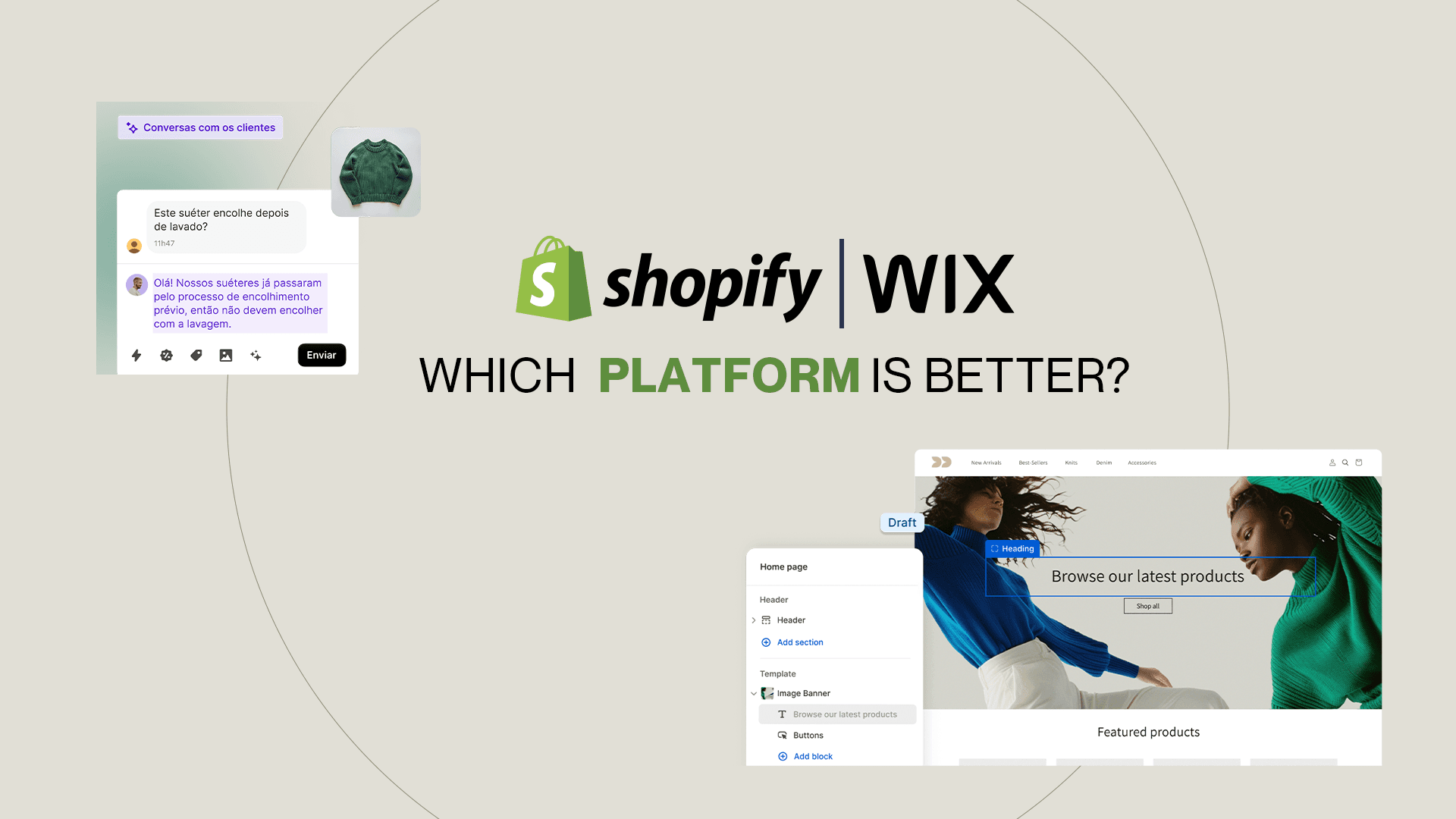
Choosing between Shopify and Wix requires understanding their fundamental architecture. Shopify was engineered from day one as a dedicated e-commerce platform. Every line of code is optimized to facilitate transactions, manage inventory, and secure customer data. It treats the website as a storefront first and a content hub second.
Wix, conversely, began as a general-purpose website builder. Its primary goal was to democratize web design through a "What You See Is What You Get" (WYSIWYG) editor. Over the years, Wix has integrated robust e-commerce features, transforming into a viable contender for online selling. However, its core remains rooted in creative freedom, whereas Shopify’s core is rooted in commercial efficiency.
In 2026, this distinction is more pronounced than ever. Shopify has leaned heavily into "headless" commerce and specialized checkout optimizations, while Wix has expanded its "Wix Studio" capabilities to give designers more control over responsive layouts. Your choice depends on whether you view your business as a digital storefront that needs a powerful engine or a visual brand that happens to sell products.
Ease of Use and the Learning Curve
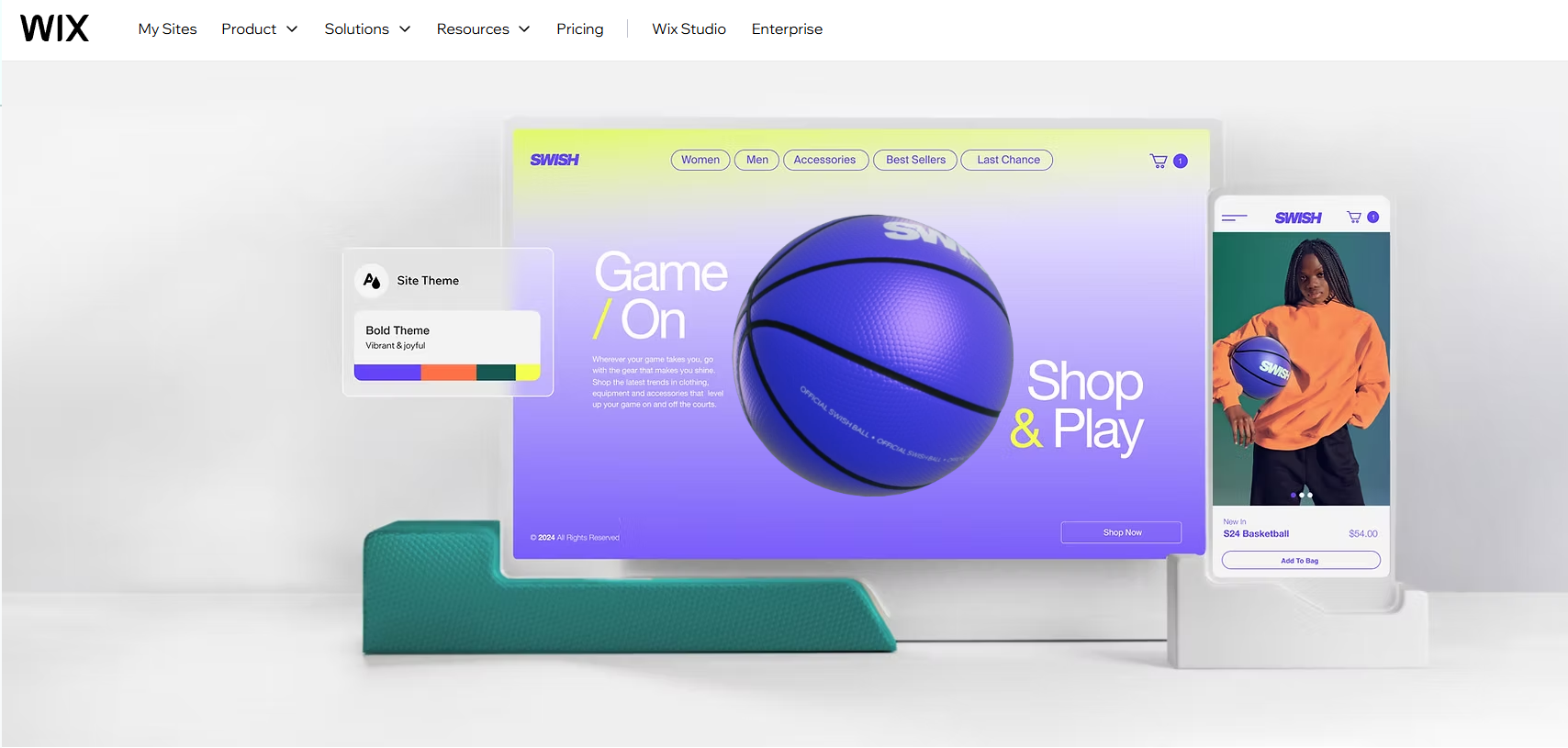
Wix is widely regarded as the most user-friendly platform for beginners. Its unstructured drag-and-drop editor allows you to place elements—text, images, buttons—anywhere on the page. This provides an immediate sense of control. For a business owner with no coding experience who wants a unique-looking site in a few hours, Wix is hard to beat.
Shopify uses a more structured, section-based editor. While you can customize the order of sections on a page, you cannot drag elements to arbitrary pixel coordinates. This "guardrail" approach ensures that your site remains mobile-responsive and functional. While the learning curve is slightly steeper than Wix's, Shopify's interface is highly logical. It separates the "back office" (inventory, orders, analytics) from the "online store" (design and themes), which helps merchants stay organized as they scale.
Design Flexibility and Templates
Wix offers over 800 templates, many of which are specifically tailored for e-commerce niches like fashion, electronics, or home decor. The primary advantage of Wix is that you can change almost anything visually without touching a line of code. However, there is a significant caveat: once you choose a template and go live, you cannot easily switch to a completely different template without re-inputting much of your content.
Shopify offers fewer themes—roughly 150 in the official Shopify Theme Store—but they are engineered for performance and conversion. Shopify themes are highly flexible; you can swap themes entirely while keeping your product data and site structure intact. For those with technical resources, Shopify’s use of Liquid (a templating language) allows for deep customization that Wix’s standard editor cannot match.
E-commerce Features and Inventory Management
When comparing raw e-commerce power, Shopify consistently outperforms Wix. Shopify’s inventory management is designed for complexity. It handles thousands of SKUs, multiple locations, and automated collections with ease. It also excels in "multi-channel" selling, allowing you to sync your inventory across Amazon, eBay, Instagram, and physical Point of Sale (POS) systems seamlessly.
Wix’s e-commerce suite is impressive for small to mid-sized operations. It handles product variations, subscriptions, and abandoned cart recovery effectively. However, it can struggle with very large inventories or high-concurrency traffic during major sales events.
Key Feature Comparison Table (2026 Status)
| Feature | Shopify | Wix |
|---|---|---|
| Primary Focus | High-volume E-commerce | Design-led E-commerce |
| Inventory Limit | Unlimited | Unlimited (but performance may lag at scale) |
| Transaction Fees | 0% (with Shopify Payments) | 0% |
| Payment Gateways | 100+ options | 50+ options |
| Point of Sale (POS) | Industry-leading integrated POS | Basic POS integrations |
| Multi-currency | Built-in via Shopify Markets | Available via third-party apps |
| App Ecosystem | 8,000+ specialized apps | 500+ general and commerce apps |
| SEO Tools | High control over technical SEO | Automated "SEO Wiz" for beginners |
The "Shopify Tax" vs. Wix Pricing
Pricing is often the deciding factor, but it is also where many merchants make mistakes. Both platforms offer tiered subscription models. As of 2026, Shopify’s plans generally start at a higher price point than Wix’s basic e-commerce plans.
However, the "true cost" of Shopify includes its transaction fees. If you do not use Shopify Payments (the platform’s internal processor), Shopify charges an additional fee ranging from 0.5% to 2% per transaction. This is often referred to as the "Shopify Tax." Wix does not charge these additional transaction fees, though you still pay standard processing fees to providers like Stripe or PayPal.
While Wix may seem cheaper upfront, Shopify often yields a higher Return on Investment (ROI) for growing stores because its checkout is optimized for higher conversion rates. A 1% increase in conversion can easily offset the difference in monthly subscription costs.
SEO and Marketing Capabilities
Historically, Wix faced criticism for its SEO performance. By 2026, those issues have been largely resolved. Wix provides an "SEO Wiz" that guides users through the basics of indexing and meta-tagging. It also offers advanced features like custom URL structures and structured data (Schema) markup.
Shopify is built with a clean, logical site structure that search engines love. It automatically generates sitemaps and handles 301 redirects efficiently. One area where Shopify leads is in its marketing integrations. Shopify Audiences, for instance, uses aggregated data to help merchants lower their customer acquisition costs on platforms like Meta and Google—a feature Wix currently lacks at the same level of sophistication.
Scalability: Preparing for the Future
Scalability is the most significant differentiator. If your goal is to grow from $10,000 in annual revenue to $10 million, Shopify is the safer bet. It offers Shopify Plus, an enterprise-level solution used by global brands. This tier provides dedicated support, advanced automation (Shopify Flow), and the ability to handle massive traffic spikes without downtime.
Wix is making strides into the mid-market with Wix Studio, but it is still fundamentally a shared-hosting environment. While it can handle successful small businesses, it lacks the specialized enterprise infrastructure required for global, multi-store operations or complex wholesale (B2B) requirements.
Troubleshooting and Support
Both platforms offer 24/7 customer support via chat and email. Shopify’s support is often cited as being more "commerce-focused," meaning their agents are better equipped to help with shipping configurations or payment gateway issues.
Wix’s support is excellent for design-related queries. Because Wix manages the hosting and the editor, they can often resolve technical "glitches" quickly. However, because Shopify has a much larger ecosystem of third-party developers, finding an expert to hire for custom work is significantly easier on Shopify than on Wix.
Frequently Asked Questions
Is Wix better than Shopify for dropshipping?
Shopify is generally better for dropshipping because of its deep integration with apps like DSers and Spocket. It also offers more robust automated order fulfillment workflows, which are essential for managing multiple suppliers. Wix does support dropshipping via its App Market, but the selection of suppliers and automation tools is more limited.
Can I migrate my store from Wix to Shopify later?
Yes, you can migrate from Wix to Shopify, but it is a complex process. While you can export your product CSV files from Wix and import them into Shopify, you will lose your design, and your URL structures may change, potentially impacting your SEO. It is usually more cost-effective to choose the platform that fits your three-year growth plan rather than your current week-one needs.
Which platform is faster for mobile users?
In 2026, both platforms offer excellent mobile performance. Shopify themes are "mobile-first" by design, ensuring fast load times and easy navigation. Wix has introduced "Editor X" and "Wix Studio" technologies that allow for precise responsive design, but because Wix allows users to add many heavy design elements, an unoptimized Wix site can sometimes load slower than a standard Shopify site.
Does Wix have better blogging features than Shopify?
Yes, Wix typically offers a more robust blogging platform than Shopify. Wix’s blog editor is more intuitive and allows for more creative layouts. While Shopify includes a blogging engine, it is relatively basic and often requires third-party apps to match the design flexibility and social features found natively in Wix.
Which platform is better for international selling?
Shopify wins for international commerce. Its Shopify Markets feature allows merchants to manage multiple countries and currencies from a single store, including localized pricing and duties calculation. Wix supports multi-lingual sites and multiple currencies, but its international logistics and localized tax handling are less sophisticated than Shopify’s.
Final Verdict: Which One Should You Choose?
Choose Shopify if:
- You plan to scale your business into a major brand.
- You have a large inventory (100+ items).
- You need advanced features like multi-channel selling and enterprise-grade POS.
- You want access to the largest ecosystem of e-commerce apps and experts.
Choose Wix if:
- You are a small business, freelancer, or creative professional.
- You prioritize having a unique, highly customized design without hiring a developer.
- You are selling a small number of items alongside a content-heavy or service-based website.
- You want an all-in-one platform that is easy to manage with zero technical knowledge.
To move forward, identify your primary business goal for the next 24 months. If that goal is maximizing sales volume and operational efficiency, sign up for a Shopify trial. If your goal is building a stunning brand presence with minimal technical overhead, start your journey on Wix.
Image Gallery