How to Understand a Moving Price Quote
To understand a moving price quote, you must distinguish between binding and non-binding estimates, identify the "line-haul" base cost, and scrutinize accessorial charges for specific services like packing or stair carries. A quote is...
To understand a moving price quote, you must distinguish between binding and non-binding estimates, identify the "line-haul" base cost, and scrutinize accessorial charges for specific services like packing or stair carries. A quote is a legal document outlining the scope of work, liability coverage, and the final price ceiling based on weight or volume.
Contents
Understanding the complexities of a moving price quote is essential for any household transition in 2026. As moving companies increasingly use AI-driven inventory tools and virtual surveys to generate estimates, the underlying contractual structures remain rooted in consumer protection laws and industry-standard terminology. A price quote is not merely a number; it is a breakdown of labor, logistics, and risk management. Failing to decipher these components can lead to "sticker shock" on delivery day or, worse, inadequate protection for your high-value assets.
The Three Primary Types of Moving Estimates
Before analyzing individual line items, you must identify the legal framework of the quote. In the moving industry, the "type" of estimate dictates whether the price is a suggestion or a guarantee.
Binding Estimates
A binding estimate guarantees that the total cost of the move will be the price listed on the quote, provided the inventory does not change. If you add three more boxes or a bicycle on moving day, the mover has the right to renegotiate. However, if the inventory remains identical to the quote, the price is fixed regardless of whether the actual weight is higher or lower than estimated. This provides the highest level of budget certainty but prevents you from saving money if your shipment ends up being lighter than expected.
Non-Binding Estimates
Non-binding estimates are the most common but also the most volatile. These quotes are "best guesses" based on the mover’s assessment of your belongings. The final price is determined by the actual weight of your shipment and the services performed. Under federal regulations in the United States, movers cannot require you to pay more than 110% of the non-binding estimate at the time of delivery; any remaining balance is billed 30 days later. While these quotes often look lower initially, they carry the highest risk of price escalation.
Binding Not-to-Exceed Estimates
Often considered the most consumer-friendly option in 2026, the "Binding Not-to-Exceed" (or "Guaranteed Not-to-Exceed") quote sets a price ceiling. If your shipment weighs more than estimated, you only pay the quoted price. If the shipment weighs less, the price is reduced accordingly. This structure protects the consumer from overages while allowing for potential savings, though the initial base rate may be slightly higher to account for the mover's risk.
Anatomy of a Moving Quote: Key Components
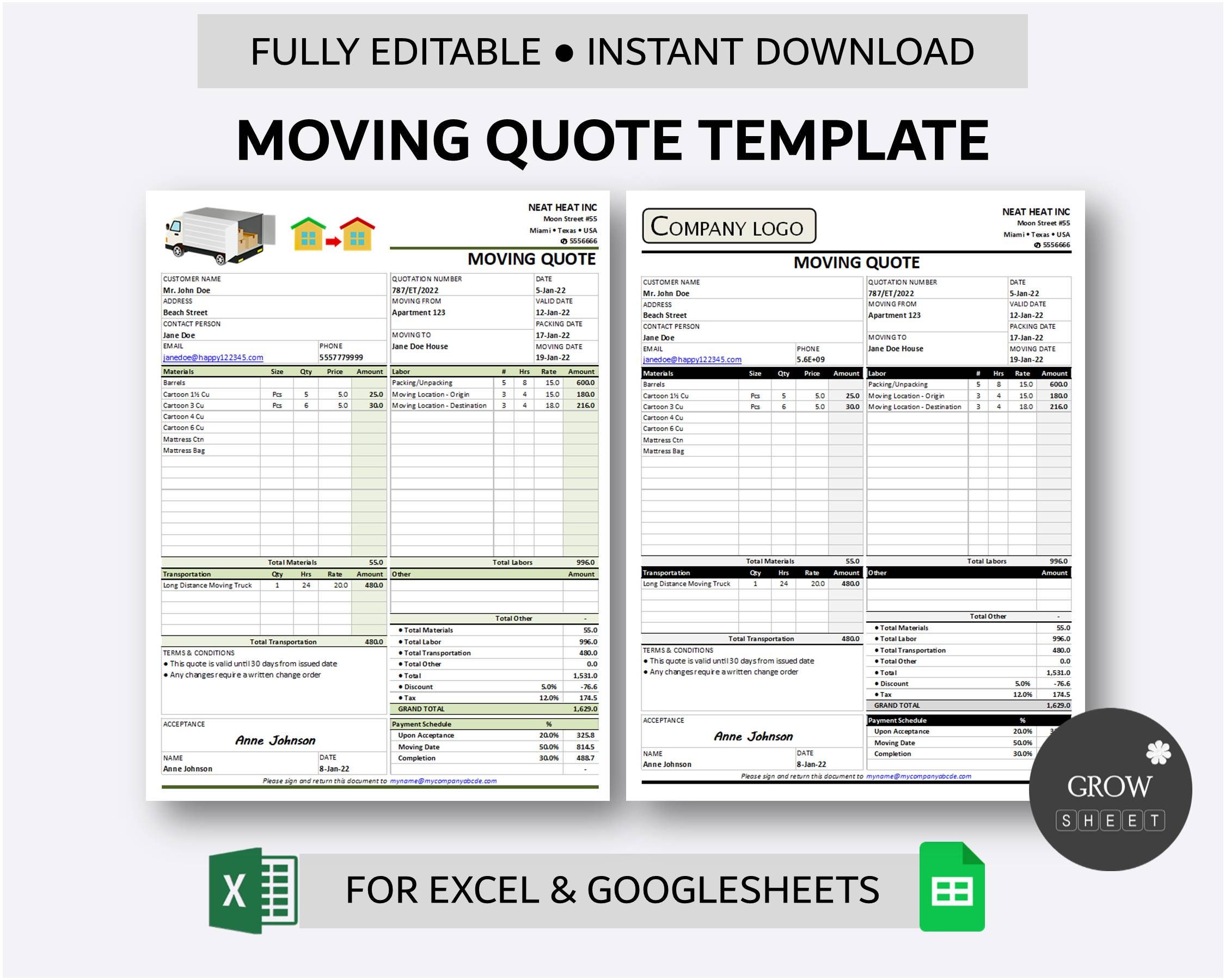
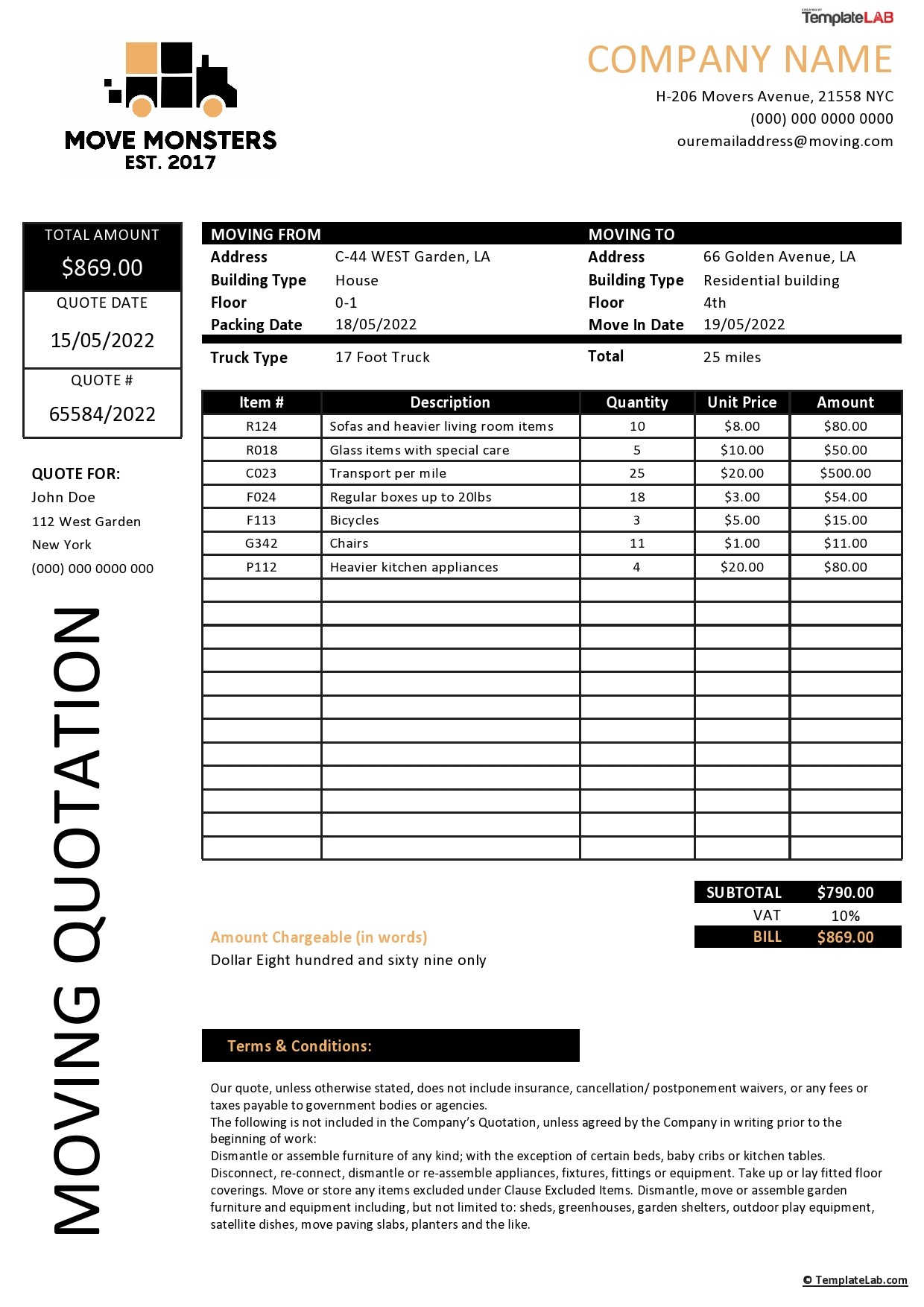
A professional moving quote is subdivided into several categories. Understanding these helps you identify where your money is going and where you might be able to reduce costs.
Line-haul Charges
For long-distance or interstate moves, the line-haul charge is the "base price." It is calculated based on the mileage between the origin and destination and the total weight of the shipment. In 2026, many carriers use standardized tariffs (the published schedule of rates) to calculate this. It covers the vehicle, the driver, and the basic transportation services.
Fuel Surcharges
Fuel surcharges are standard in 2026 to account for the volatility of energy prices. This fee is typically a percentage of the line-haul charge. It is important to verify that the fuel surcharge is based on a national average (such as the Energy Information Administration's weekly index) rather than an arbitrary figure set by the company.
Accessorial Services and Charges
Accessorial charges are fees for services beyond basic loading, hauling, and unloading. These are often the source of confusion and dispute. Common accessorials include:
- Flight Charge: Fees for carrying items up or down multiple flights of stairs.
- Long Carry: A fee triggered if the moving truck cannot park within a certain distance (usually 75 feet) of your entrance.
- Shuttle Service: If a large tractor-trailer cannot navigate your street, the mover must use a smaller truck to ferry items. This is an expensive add-on.
- Bulky Item Fee: Extra charges for pianos, hot tubs, or heavy safes.
- Appliance Servicing: Fees for disconnecting or stabilizing washing machines and refrigerators.
Valuation Coverage vs. Insurance
One of the most misunderstood sections of a moving quote is "Valuation." It is technically not insurance, though it serves a similar purpose. In 2026, movers are legally required to offer two levels of liability.
- Released Value Protection: This is the basic coverage included at no extra cost. However, it is minimal—typically 60 cents per pound per article. If your $2,000 OLED television weighs 50 pounds and is destroyed, the mover is only liable for $30.00.
- Full Value Protection (FVP): This is a more comprehensive plan where the mover is liable for the replacement value of lost or damaged items. If you choose FVP, the quote will include a "valuation fee" based on the total declared value of your shipment. It may also include a deductible.
If you have highly valuable items, check if your homeowners' or renters' insurance policy covers "goods in transit." If not, opting for FVP is almost always recommended to avoid catastrophic financial loss.
Red Flags and Verification Steps
A moving quote is only as reliable as the company providing it. To ensure the quote you are analyzing is legitimate, perform the following checks:
- Physical or Virtual Survey: Never trust a quote provided over the phone without a visual inspection of your goods. Reputable movers in 2026 use video surveys or in-person walk-throughs to accurately gauge volume and weight.
- DOT and MC Numbers: For interstate moves, the quote must include the company's U.S. Department of Transportation (DOT) and Motor Carrier (MC) numbers. You can verify these on the FMCSA's Protect Your Move website.
- The "Order for Service": This document precedes the Bill of Lading. It should mirror the quote exactly. If there are discrepancies between your initial quote and the Order for Service, do not sign it until they are resolved.
- Too-Good-to-Be-True Pricing: If one quote is significantly lower than three others, it is likely a "lowball" estimate. Shady operators use these to secure a deposit, only to hold your belongings hostage for higher fees later.
Comparison Table: Evaluating Multiple Quotes
When comparing quotes from different providers, use a standardized format to see which offers the best value rather than just the lowest price.
| Feature | Company A | Company B | Company C |
|---|---|---|---|
| Estimate Type | Non-Binding | Binding | Binding Not-to-Exceed |
| Total Estimated Weight | 7,000 lbs | 7,200 lbs | 7,100 lbs |
| Line-haul Charge | $4,500 | $5,100 | $5,300 |
| Packing Services | Not Included | Full Packing Included | Partial Packing |
| Valuation Cost | $0 (Basic 60¢) | $450 (Full Value) | $380 (Full Value) |
| Potential Hidden Fees | High (Stairs/Long Carry) | Low (All-inclusive) | Moderate (Fuel variable) |
| Final Risk Level | High | Low | Lowest |
Determining Total Cost Factors in 2026
The final price on your quote is influenced by the "Moving Date" and "Seasonality." Moving in the peak summer months (May through September) can result in quotes that are 20% to 30% higher than winter moves. Furthermore, the "Tariff" used by the mover—a document that outlines their rates, rules, and classifications—must be available for your inspection upon request. While most consumers do not read the full tariff, asking to see the "rules" section can signal to the mover that you are an informed customer who will not tolerate arbitrary fee increases.
Frequently Asked Questions
What is a "Cube Sheet" and why is it in my quote?
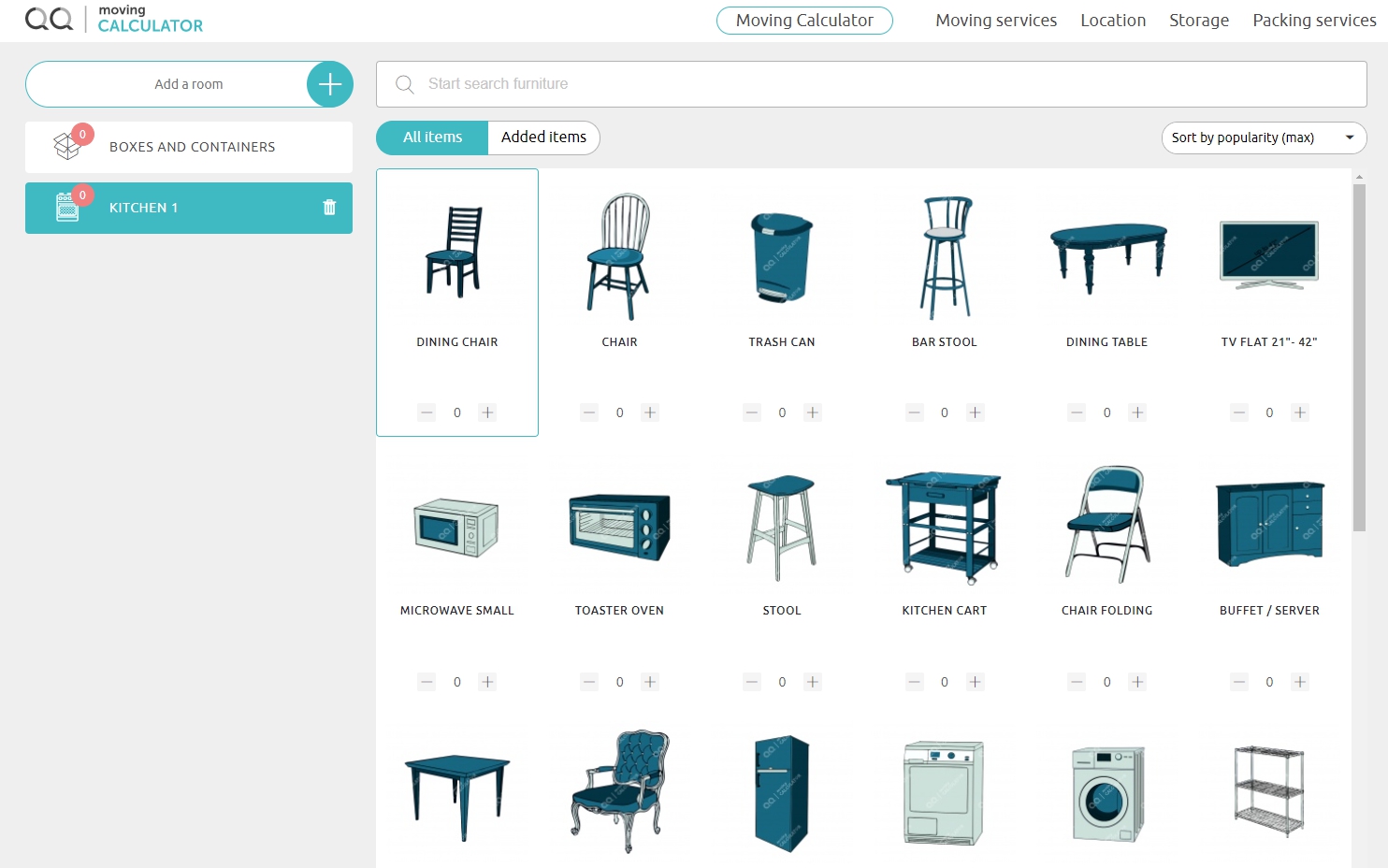
A cube sheet is a document used by movers to calculate the volume (cubic feet) of your belongings, which is then converted into an estimated weight. In 2026, most cube sheets are generated via tablet apps during the survey. Reviewing this list is vital; if the mover missed a storage shed or an attic, your final price will inevitably rise.
Can a mover change my quote after I sign it?
If it is a Binding Estimate, they cannot change the price unless the "scope of work" changes. This means if you ask for additional packing on moving day or if you have significantly more items than listed on the inventory, they can issue a "Revised Estimate" which you must sign before work begins.
Why is there a "Shuttle Fee" on my quote?
A shuttle fee appears if the destination or origin address cannot accommodate a full-sized 53-foot moving trailer. This often happens in narrow urban streets, gated communities with weight limits, or mountain roads. The mover has to hire a smaller "shuttle" truck to move items from the house to the big rig, significantly increasing labor and equipment costs.
Does my quote include tips for the movers?
No, moving quotes almost never include gratuities. While not mandatory, tipping is standard practice for good service in 2026. Budgeting an additional 5% to 10% of the total move cost for tips is a helpful rule of thumb to ensure you are prepared on moving day.
What is the 110% rule mentioned in quotes?
This federal regulation applies to non-binding estimates. It states that a mover cannot demand payment of more than 110% of the original estimate at the time of delivery. If the actual costs are higher, the mover must deliver your goods and bill you for the remaining balance after 30 days. This prevents companies from holding your furniture "hostage" for massive unexpected payments.
Final Recommendation
To ensure the most accurate and safe moving experience, always request a Binding Not-to-Exceed Estimate based on a physical or virtual inventory. Once you receive your quotes, cross-reference the inventory list (Cube Sheet) with your actual belongings to ensure nothing was omitted. Finally, verify the mover’s credentials via the FMCSA database to confirm they are authorized to operate. Never sign a blank or incomplete document, and keep a digital copy of your signed quote accessible on your phone throughout the duration of the move.
Image Gallery