The Transformation of 1001 Newkirk Avenue: Evolution and Neighborhood Impact
The primary change at 1001 Newkirk Avenue is its complete transition from a low-density site into a modern, mid-rise luxury residential complex. Completed in the early 2020s, the development replaced older, underutilized structures wit...
The primary change at 1001 Newkirk Avenue is its complete transition from a low-density site into a modern, mid-rise luxury residential complex. Completed in the early 2020s, the development replaced older, underutilized structures with a multi-unit building featuring high-end amenities, energy-efficient systems, and a mix of market-rate and affordable housing units.
Contents
For years, the corner of Newkirk Avenue and Coney Island Avenue represented the architectural bridge between the historic Victorian homes of Ditmas Park and the busier commercial corridors of Midwood. However, as of 2026, the property at 1001 Newkirk Avenue stands as a cornerstone of the neighborhood’s residential modernization. This evolution is not merely about a new facade; it reflects broader shifts in Brooklyn’s zoning, housing policy, and demographic demands. To understand what has changed, one must look at the structural, legal, and operational facets of the property.
The Shift from Traditional to Modern Residential Density
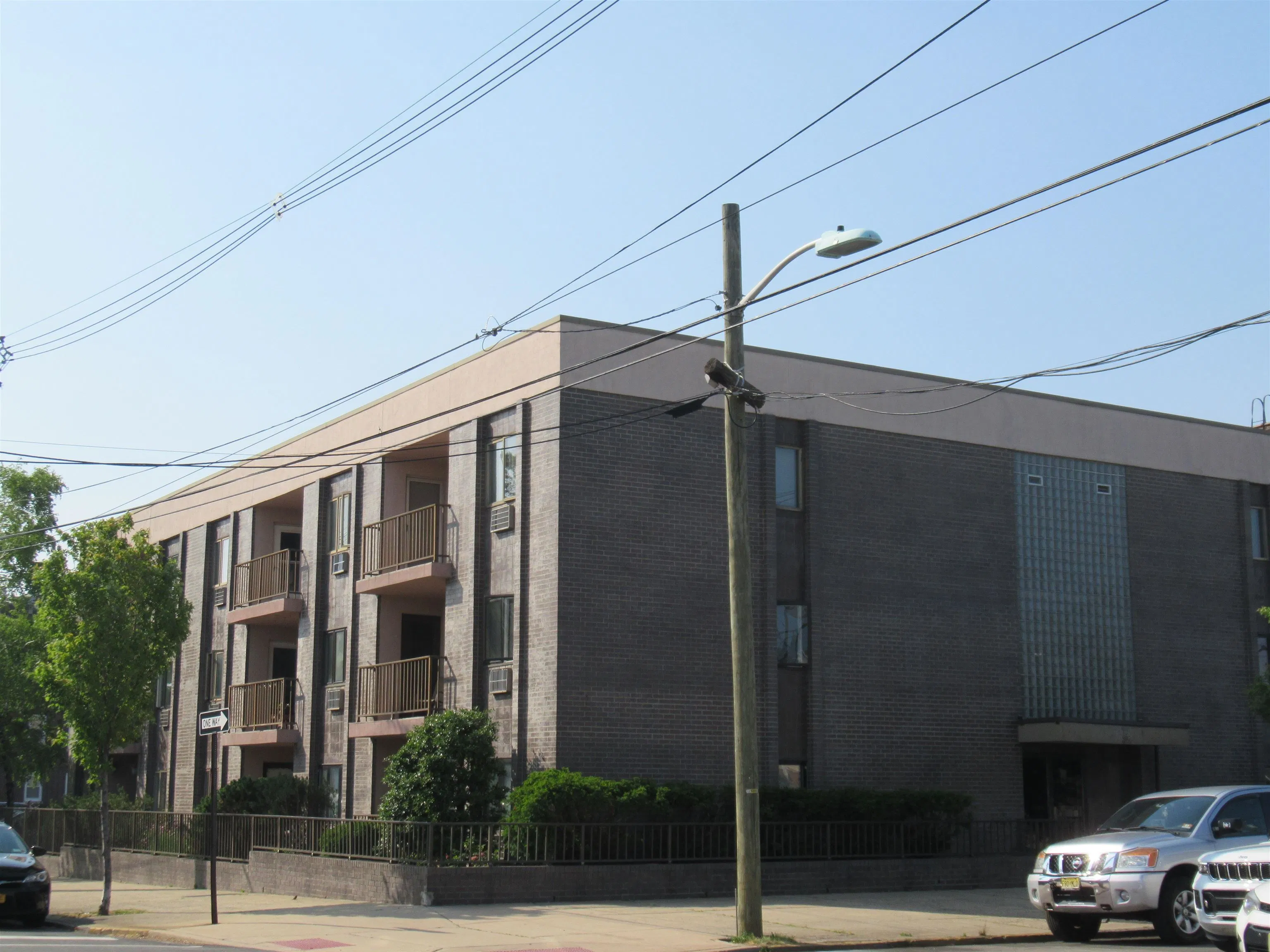
Historically, the area surrounding 1001 Newkirk Avenue was characterized by a mix of pre-war apartment buildings and single-family homes. The specific lot at 1001 Newkirk underwent a significant transformation when developers recognized the potential for higher-density housing. This change was facilitated by specific zoning regulations that allow for larger residential footprints along major transit-adjacent corridors.
The new structure, often referred to in real estate listings as "The Newkirk" or similar branding, maximized the allowable Floor Area Ratio (FAR). This transition meant moving from a site that contributed minimally to the local housing stock to one that provides dozens of modern apartments. This increase in density was designed to address the persistent housing shortage in Brooklyn while attracting a demographic of young professionals and families seeking proximity to the B and Q subway lines.
Architectural and Structural Innovations
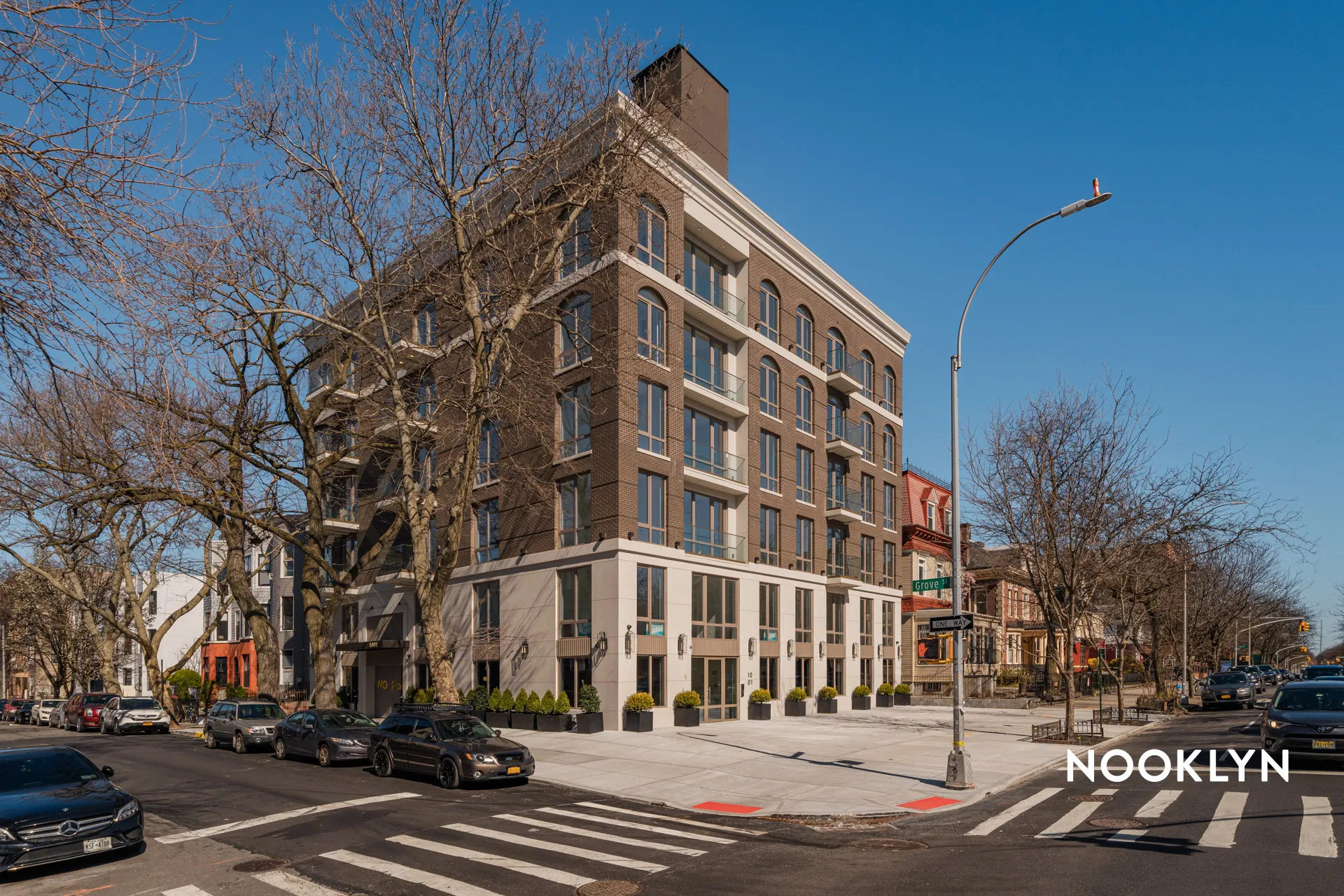
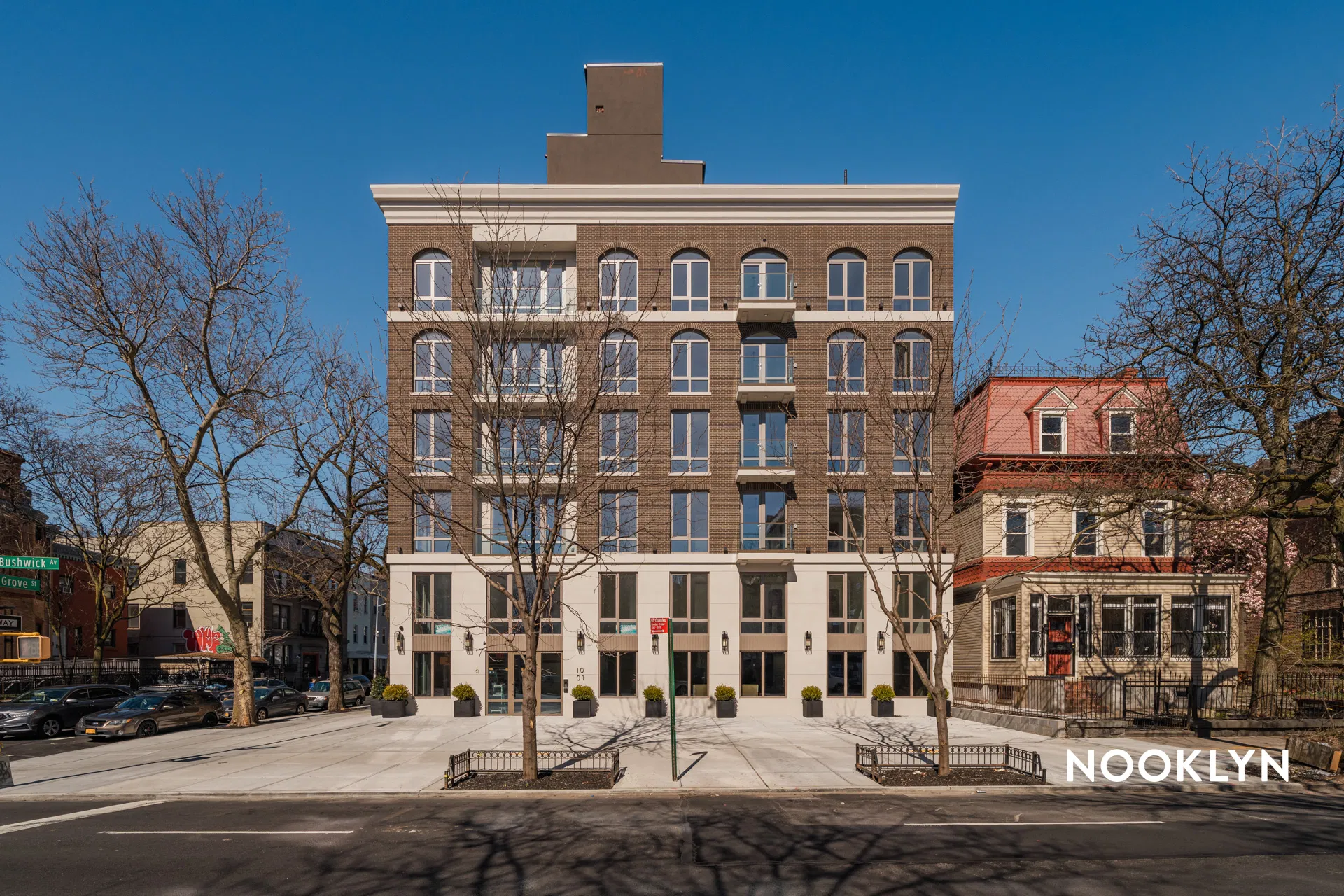
One of the most visible changes at 1001 Newkirk Avenue is its architectural departure from the surrounding red-brick pre-war aesthetic. The current building utilizes a contemporary design language, featuring:
- Floor-to-Ceiling Windows: Unlike the smaller, double-hung windows of older neighborhood stock, the new units prioritize natural light and views of the Brooklyn skyline.
- Integrated Balconies: Many units now include private outdoor spaces, a feature that became a high priority for residents following the global shift toward hybrid work and the increased value of personal outdoor access.
- Energy-Efficient Envelope: The building was constructed using modern insulation standards and high-performance HVAC systems, which significantly lower the carbon footprint compared to the steam-heated buildings common in the 11230 zip code.
These structural changes required extensive filings with the New York City Department of Buildings (DOB), ensuring that the new construction met the latest fire safety and accessibility codes, including ADA-compliant elevators and entryways that were absent in previous iterations of the site.
Internal Amenities and Lifestyle Upgrades
The shift in "what changed" is most evident inside the building's walls. The developers pivoted toward a "lifestyle-centric" model, which was largely non-existent in this specific pocket of Midwood a decade ago.
Modern Interior Specifications
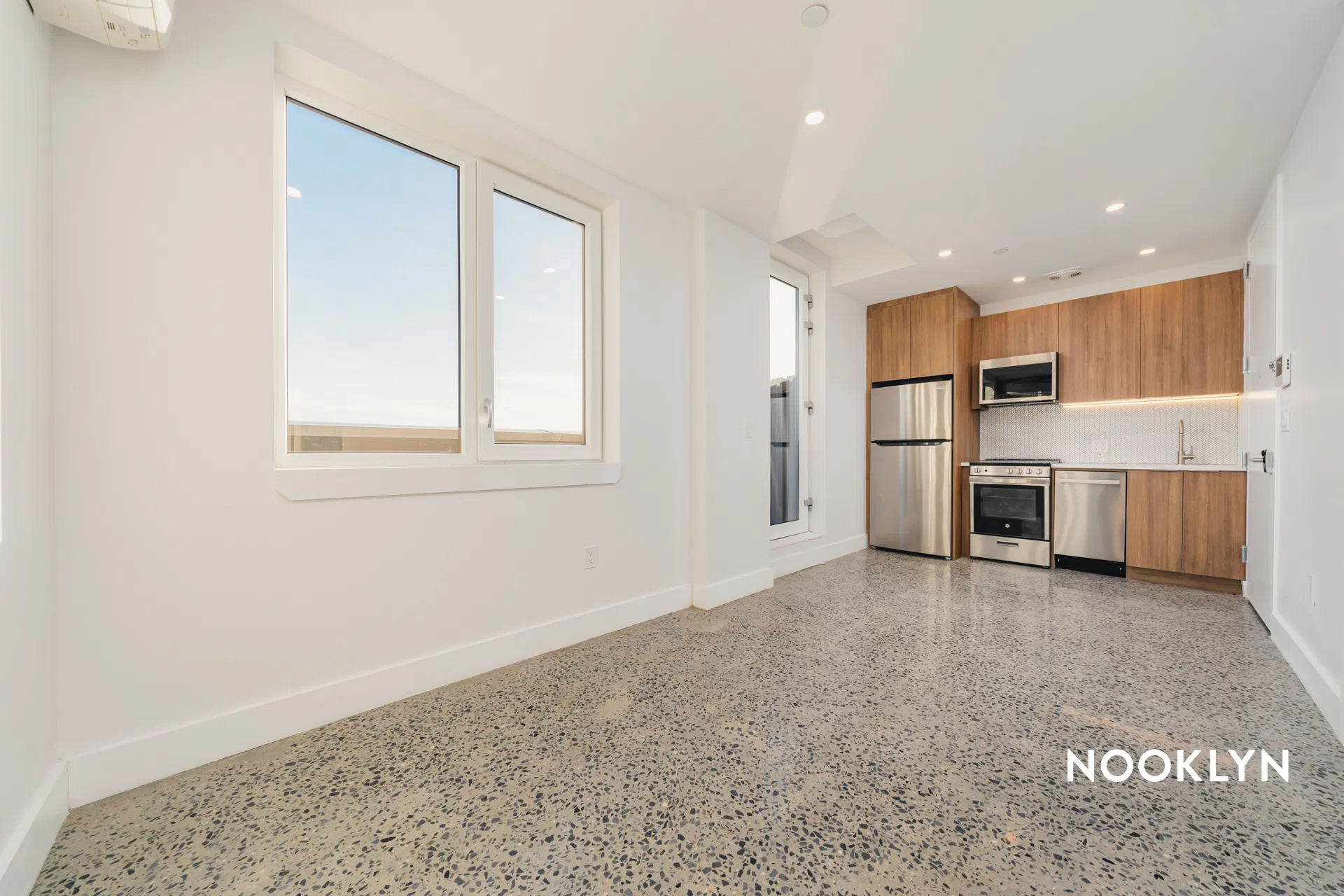
Every unit at 1001 Newkirk Avenue was designed with a specific set of high-end finishes. The kitchens transitioned from basic functional spaces to design-forward hubs featuring quartz countertops, stainless steel appliances, and dishwasher units—amenities that are often considered premium in older Brooklyn rentals. Hardwood flooring and in-unit laundry facilities (washers and dryers) were also standardized, addressing a major pain point for urban renters who previously relied on basement laundry rooms or local laundromats.
Building-Wide Services
Beyond the individual apartments, the building’s operational model changed to include:
- Virtual Doorman Systems: Enhancing security and package management through digital interfaces.
- Fitness Centers: A dedicated gym space for residents, reducing the need for external memberships.
- Roof Decks: Common outdoor areas that provide a social space for the building community, often featuring lounge seating and grilling stations.
- Secure Bike Storage: A response to the increasing number of residents utilizing the nearby Ocean Parkway bike path.
Zoning, Tax Abatements, and the Affordable Housing Component
A critical technical change at 1001 Newkirk Avenue involves its participation in the Affordable Housing New York Program (formerly known as the 421-a tax incentive). To qualify for certain tax benefits, the developers were required to designate a percentage of the units as "affordable."
These units are typically awarded through the NYC Housing Connect lottery system. This change meant that 1001 Newkirk Avenue became a mixed-income environment, providing modern housing to individuals and families at various income brackets (often ranging from 80% to 130% of the Area Median Income). As of 2026, these units remain rent-stabilized, providing long-term housing security that is rare in the purely market-rate sector.
Comparative Analysis: Then vs. Now
To visualize the extent of the changes, the following table compares the site characteristics of 1001 Newkirk Avenue before and after its modern redevelopment.
| Feature | Pre-Development Status | Current Status (2026) |
|---|---|---|
| Primary Use | Low-density commercial/residential | High-density multi-family residential |
| Unit Count | Minimal (<5 units) | Multiple floors / dozens of units |
| HVAC System | Traditional steam or window units | Centralized/Split energy-efficient systems |
| Laundry | Off-site or communal basement | In-unit washer/dryer in most units |
| Outdoor Space | None or restricted ground-level | Private balconies and communal roof deck |
| Technology | Standard keyed entry | Smart locks and virtual doorman |
| Housing Type | Market-rate rental | Mixed-income (Affordable & Market-rate) |
Management and Operational Evolution
The management of 1001 Newkirk Avenue has shifted from smaller, potentially individual ownership to professional property management firms. This change has streamlined the tenant experience but also introduced more rigid lease enforcement and automated maintenance requests.
In the real estate market of 2026, the building is recognized for its proactive maintenance schedules. By centralizing management through digital portals, the owners have reduced the "friction" of urban living. Residents now handle rent payments, lease renewals, and repair tickets via smartphone apps, a significant departure from the manual processes that defined the property's past.
Impact on the Surrounding Neighborhood
The changes at 1001 Newkirk Avenue have had a "halo effect" on the surrounding blocks. The influx of new residents with higher disposable income has spurred the growth of local businesses along Coney Island Avenue and Newkirk Avenue.
- Commercial Growth: New cafes, fitness studios, and boutique grocery stores have opened to serve the building’s demographic.
- Property Values: The successful lease-up and high occupancy rates at 1001 Newkirk have served as a "proof of concept" for other developers, leading to a slight uptick in property valuations for nearby multi-family dwellings.
- Transit Pressure: The increased density has placed more emphasis on the Newkirk Plaza subway station, leading to community calls for continued transit improvements and accessibility upgrades at the station.
Common Mistakes and Misconceptions
When discussing what changed at 1001 Newkirk, there are a few common misconceptions:
- "The building is entirely luxury": While it is marketed as a luxury building, the inclusion of rent-stabilized affordable units is a legally mandated and significant portion of its operation.
- "It is located in Ditmas Park": Geographically, 1001 Newkirk is often on the border. While real estate listings may use "Ditmas Park" for its prestige, the building technically sits at the edge of Midwood. This distinction is important for school zoning and local precinct boundaries.
- "Parking is unlimited": Like many new Brooklyn developments, 1001 Newkirk had to balance parking requirements with residential density. While some parking may be available, it is often at an additional premium and is not guaranteed for every unit.
FAQs About 1001 Newkirk Avenue
Is 1001 Newkirk Avenue a rent-stabilized building?
A portion of the building is rent-stabilized due to the 421-a tax abatement program. These units are specifically designated for households that meet income requirements and were selected through a housing lottery. The market-rate units, however, do not follow the same stabilization rules and are subject to market fluctuations upon lease renewal.
What are the closest transportation options?
The building is primarily served by the Newkirk Plaza station, which provides access to the B (express) and Q (local) trains. Additionally, several bus lines run along Coney Island Avenue, providing North-South connectivity throughout Brooklyn.
Are pets allowed at 1001 Newkirk Avenue?
Most modern developments in this category, including 1001 Newkirk, are pet-friendly. However, there are usually specific weight limits and breed restrictions, along with a requirement for a pet deposit or a small monthly "pet rent." Prospective residents should verify the current management policy as of 2026.
Does the building offer parking?
Yes, the building was designed with an on-site parking garage. However, spots are limited and usually require a separate monthly fee. Residents should check availability through the management portal, as there is often a waitlist for these spaces.
What utilities are included in the rent?
In most modern Brooklyn "luxury" buildings, tenants are responsible for electricity (which often powers the heating and cooling units) and internet/cable. Water and gas (if applicable) are frequently covered by the landlord, but this can vary based on the specific lease agreement.
Recommended Next Steps for Interested Parties
If you are a prospective renter or an investor looking at the changes at 1001 Newkirk Avenue, your next action should be to verify the current unit availability and pricing via the building’s official management website or a reputable listing service like StreetEasy.
For those interested in the affordable housing component, keep a close eye on the NYC Housing Connect portal. While the initial lottery for 1001 Newkirk has concluded, "re-rentals" occur when an affordable unit becomes vacant, and these are often filled from the existing waitlist or through new mini-lotteries. Finally, visiting Newkirk Plaza during peak hours is recommended to understand the commute and neighborhood vibe, as the area continues to evolve rapidly in 2026.
Image Gallery