How to Get a Home Equity Loan: A Comprehensive Guide
A home equity loan allows homeowners to borrow against the accumulated equity in their property, receiving a lump sum of cash repaid at a fixed interest rate over a set term. Securing this type of financing requires meeting specific fi...
A home equity loan allows homeowners to borrow against the accumulated equity in their property, receiving a lump sum of cash repaid at a fixed interest rate over a set term. Securing this type of financing requires meeting specific financial qualifications, gathering extensive documentation, and navigating a formal underwriting process similar to obtaining a primary mortgage.
Contents
Borrowing against your home is a major financial decision that transforms an illiquid asset into accessible capital. Often referred to as a second mortgage, a home equity loan is secured directly by your property. This means your home serves as collateral, introducing distinct financial risks if repayment terms are not met. Understanding how the application process works, what lenders look for, and how to manage the ongoing costs ensures you approach the market with absolute clarity.
Understanding Home Equity and How Loans Work
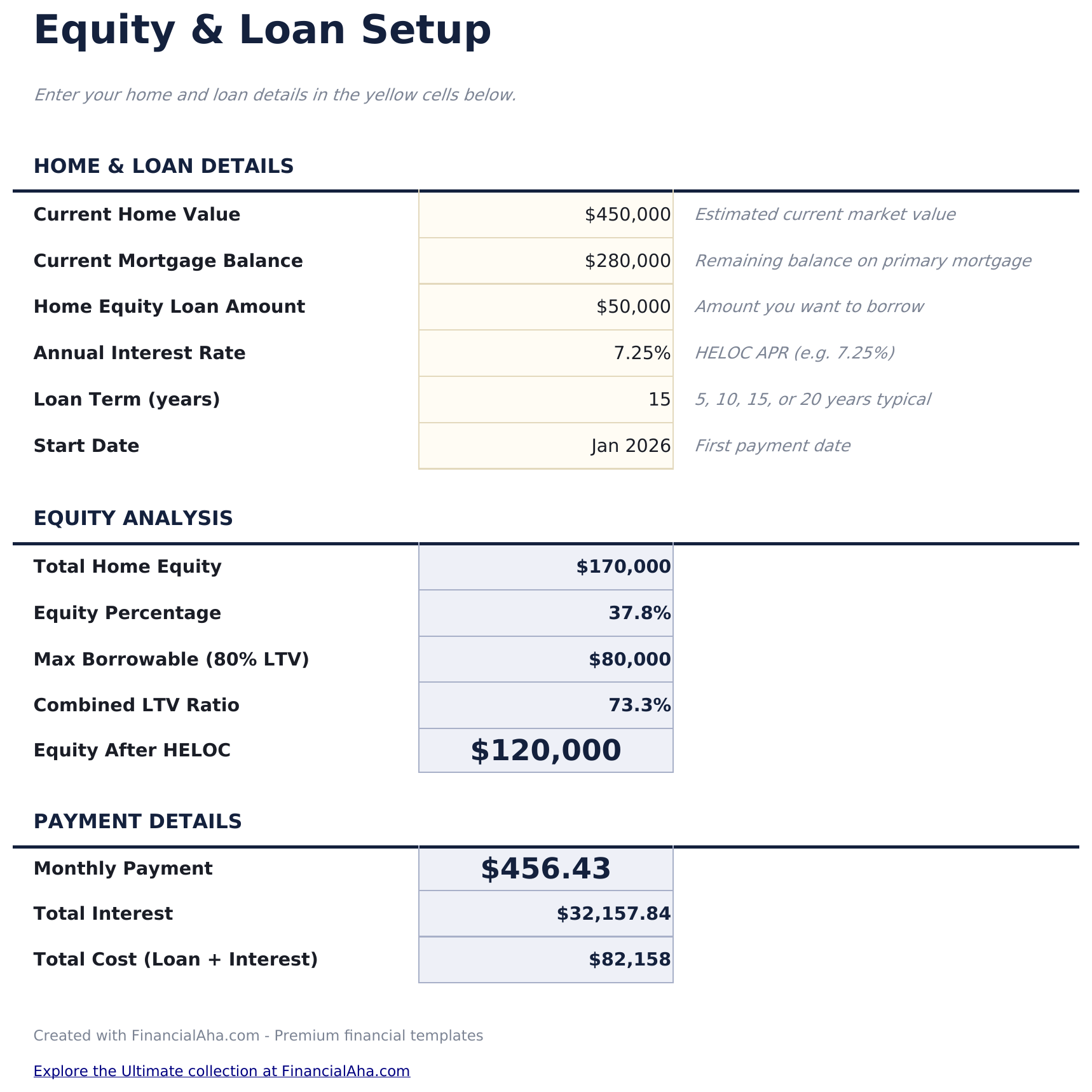
Home equity represents the portion of your property’s value that you genuinely own outright. It is calculated by taking the current market appraised value of your home and subtracting the remaining balance of all mortgages or liens attached to it. For example, if your home is valued at $400,000 and your remaining primary mortgage balance is $250,000, you possess $150,000 in raw equity.
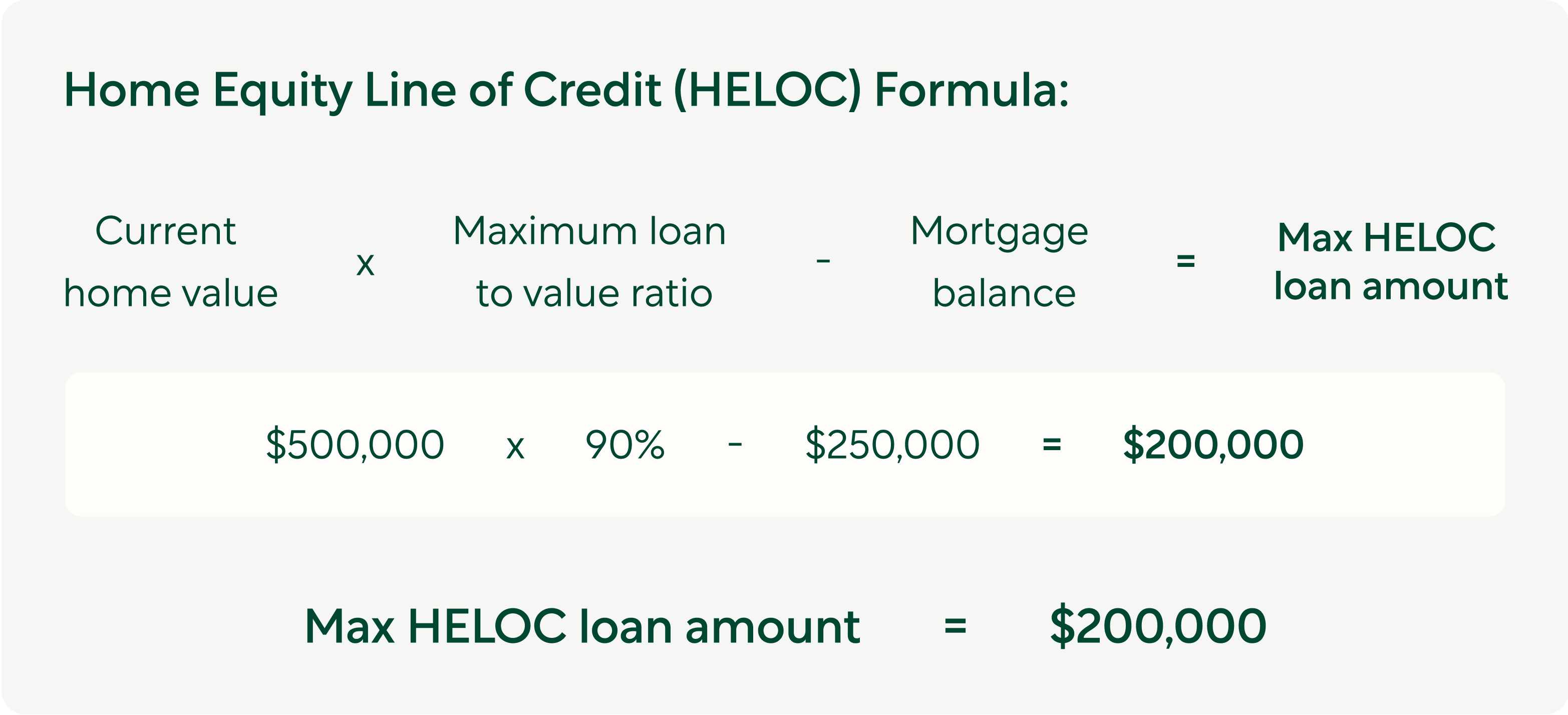
However, lenders rarely allow you to borrow 100% of that equity. Instead, they utilize a metric called the Loan-to-Value (LTV) ratio—specifically, a Combined Loan-to-Value (CLTV) ratio when accounting for your primary mortgage and the new loan combined. Most traditional financial institutions and credit unions cap the maximum CLTV at 80% to 85%.
Using the previous example, an 80% CLTV limit on a $400,000 home equals $320,000. Subtracting your existing $250,000 mortgage balance leaves a maximum borrowing capacity of $70,000 for a home equity loan.
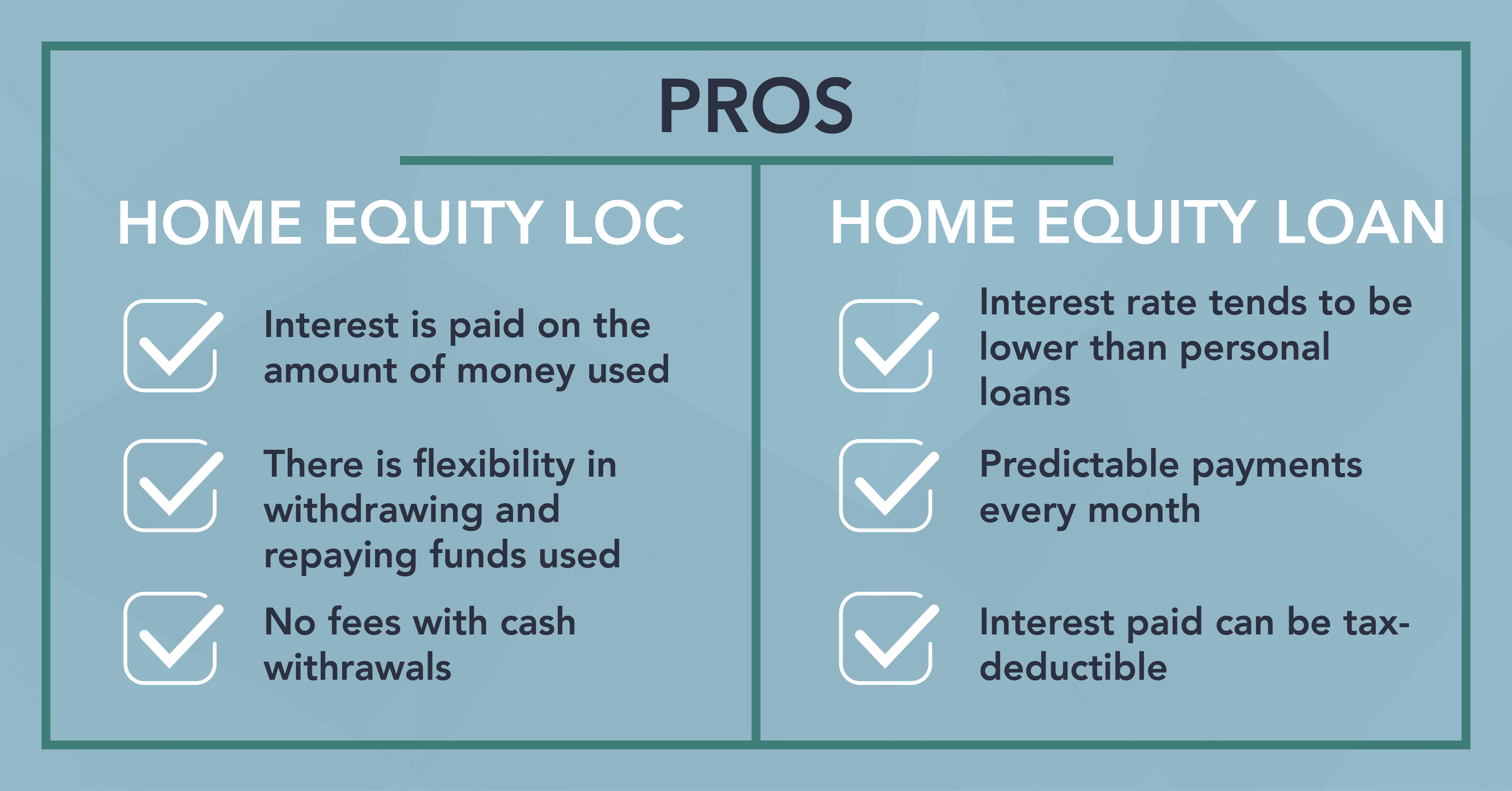
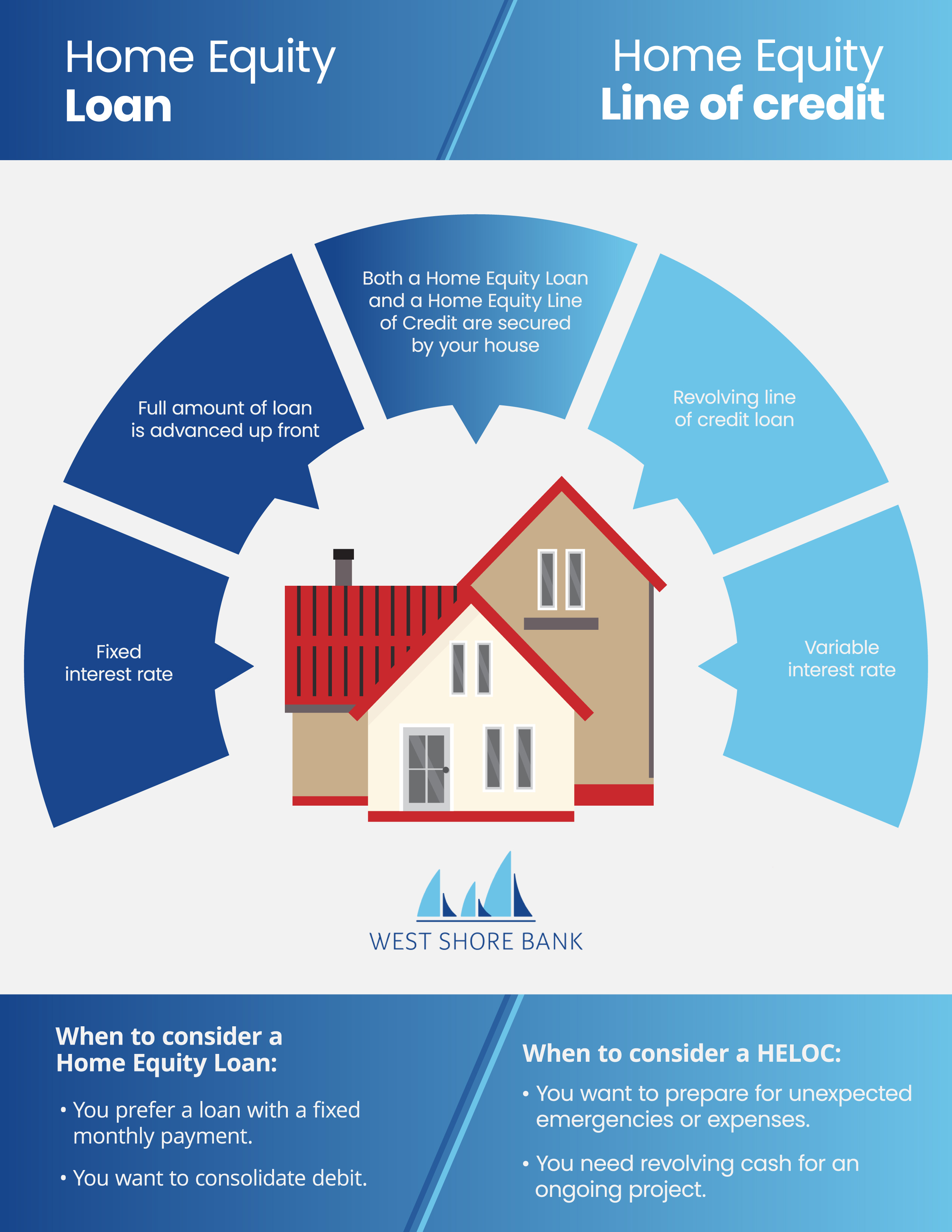
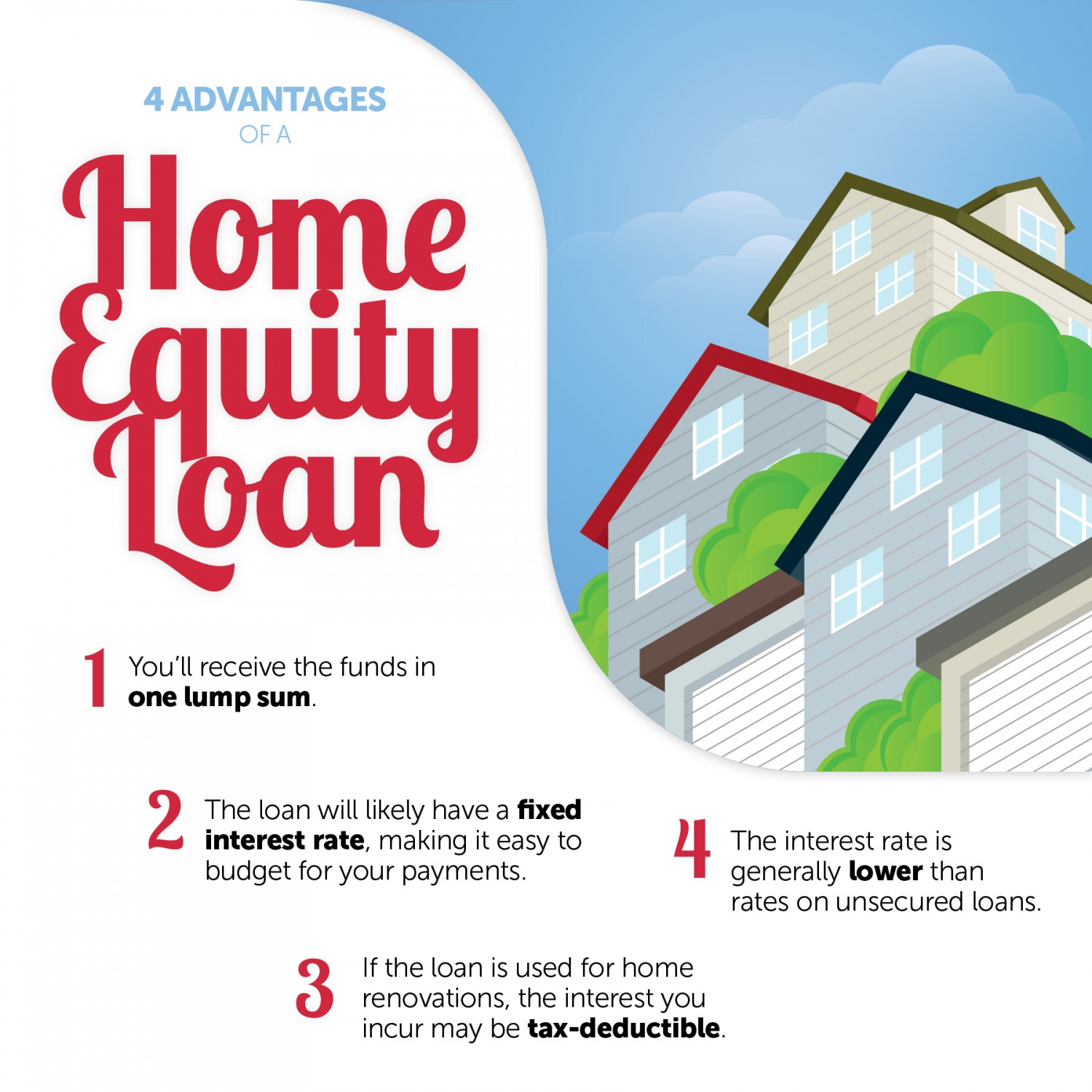
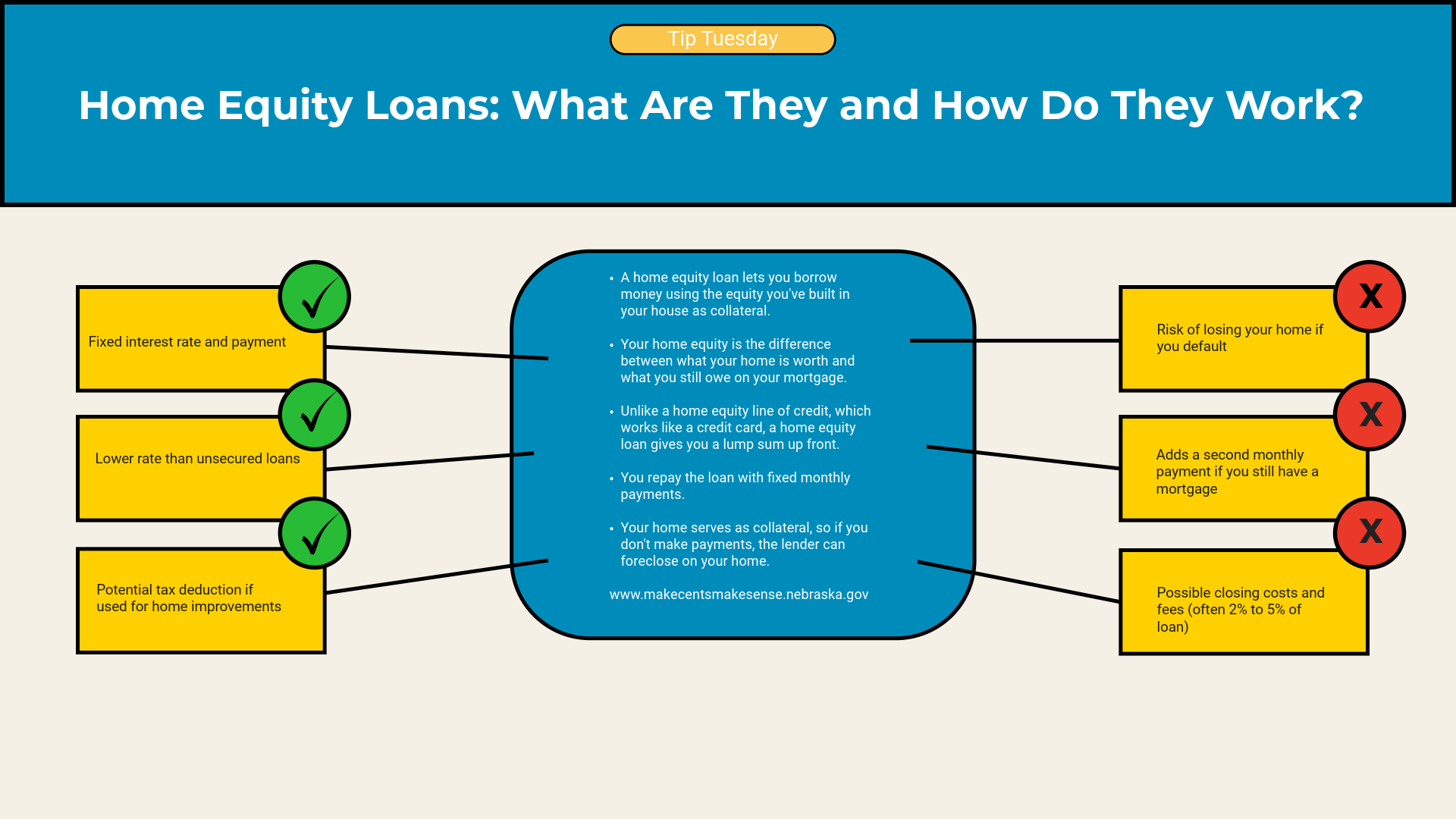
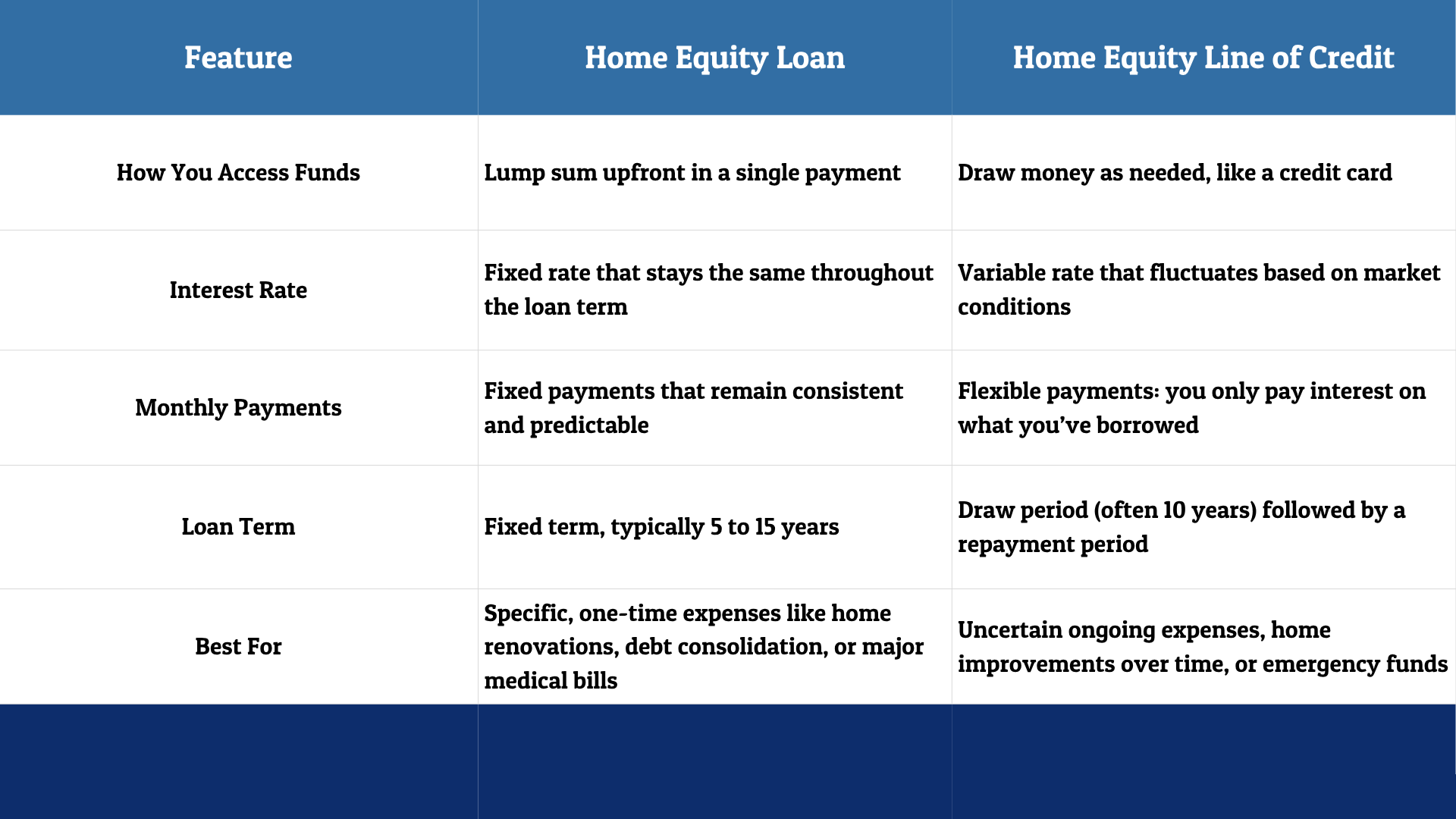
Unlike a Home Equity Line of Credit (HELOC), which functions like a revolving credit card with a variable interest rate, a home equity loan provides a single lump sum distributed at closing. This sum features a fixed interest rate and predictable monthly payments amortized over a fixed term—frequently ranging from five to thirty years. This structure makes home equity loans ideal for major, one-time expenses where budgeting predictability is paramount.
Prerequisites and Qualification Requirements
Before submitting an application, you must meet strict underwriting criteria. Lenders evaluate your creditworthiness, income stability, and property valuation to mitigate their risk. Satisfying these prerequisites significantly improves your chances of approval and helps secure competitive interest rates.
Credit Score Thresholds
Most lenders look for a FICO credit score of 620 or higher, though the most favorable interest rates and terms are typically reserved for borrowers with scores of 700 or above. A higher credit score demonstrates a reliable history of managing debt, signaling to the lender that you are a lower default risk.
Debt-to-Income (DTI) Ratio
Your DTI ratio compares your monthly debt obligations to your gross monthly income. Lenders generally prefer a DTI ratio below 43%, though some may accept up to 50% if the borrower possesses significant liquid reserves or an exceptionally high credit score. To calculate this, sum your proposed new housing payment (including the home equity loan), credit card minimums, car loans, and student loans, then divide that total by your gross monthly income.
Equity Cushion
As established, lenders require you to retain a cushion of equity in your home after the loan is funded. Maintaining at least 15% to 20% equity ensures that even if local property values fluctuate downward, the lender remains protected against negative amortization.
Step-by-Step Guide to Getting a Home Equity Loan
Navigating the application and funding process requires careful preparation and organization. While exact timelines vary by institution, the journey generally follows a structured sequence.
[1. Check Financial Health] ➔ [2. Shop Multiple Lenders] ➔ [3. Gather Documentation] ➔ [4. Formal Application] ➔ [5. Appraisal & Underwriting] ➔ [6. Closing & Funding]
1. Evaluate Your Financial Health
Pull your credit reports from major bureaus to check for errors and verify your score. Calculate your current DTI ratio and estimate your home's market value using recent comparable sales in your neighborhood. Knowing these figures in advance prevents surprises during formal evaluation.
2. Shop and Compare Lenders
Do not settle for the first institution you encounter. Request loan estimates from traditional banks, credit unions, and online fintech lenders. Compare interest rates, origination fees, closing costs, prepayment penalties, and repayment terms. A minor difference in interest rates can compound into thousands of dollars over a 15- or 30-year term.
3. Gather Required Documentation
Underwriters require extensive paperwork to verify your financial standing. Prepare the following items before submitting your application:
- Recent pay stubs covering at least 30 consecutive days.
- W-2 forms or 1099 statements from the past two tax years (self-employed individuals will need complete business and personal tax returns).
- Proof of homeowners insurance coverage.
- Your most recent primary mortgage statement.
- Government-issued photo identification.
4. Submit the Formal Application
Once you select a lender, complete their formal application. Be prepared to pay an application fee upfront if required by the institution, though many lenders have eliminated this charge to remain competitive.
5. Undergo Property Appraisal and Underwriting
The lender will order a professional home appraisal or a drive-by evaluation to confirm the property's current market value. Simultaneously, a loan officer and underwriter will scrutinize your financial documents, verify employment, and check public records for liens or bankruptcies.
6. Review Closing Disclosures and Fund the Loan
Federal regulations require lenders to provide a Closing Disclosure detailing your exact loan amount, interest rate, monthly payment, and closing costs at least three business days before closing. Review this document carefully. Once signed, federal law (via the Truth in Lending Act) mandates a mandatory three-day rescission period for primary residences, giving you the right to cancel the loan without penalty before the funds are ultimately disbursed.
Cost Comparison: Home Equity Loans vs. Alternatives
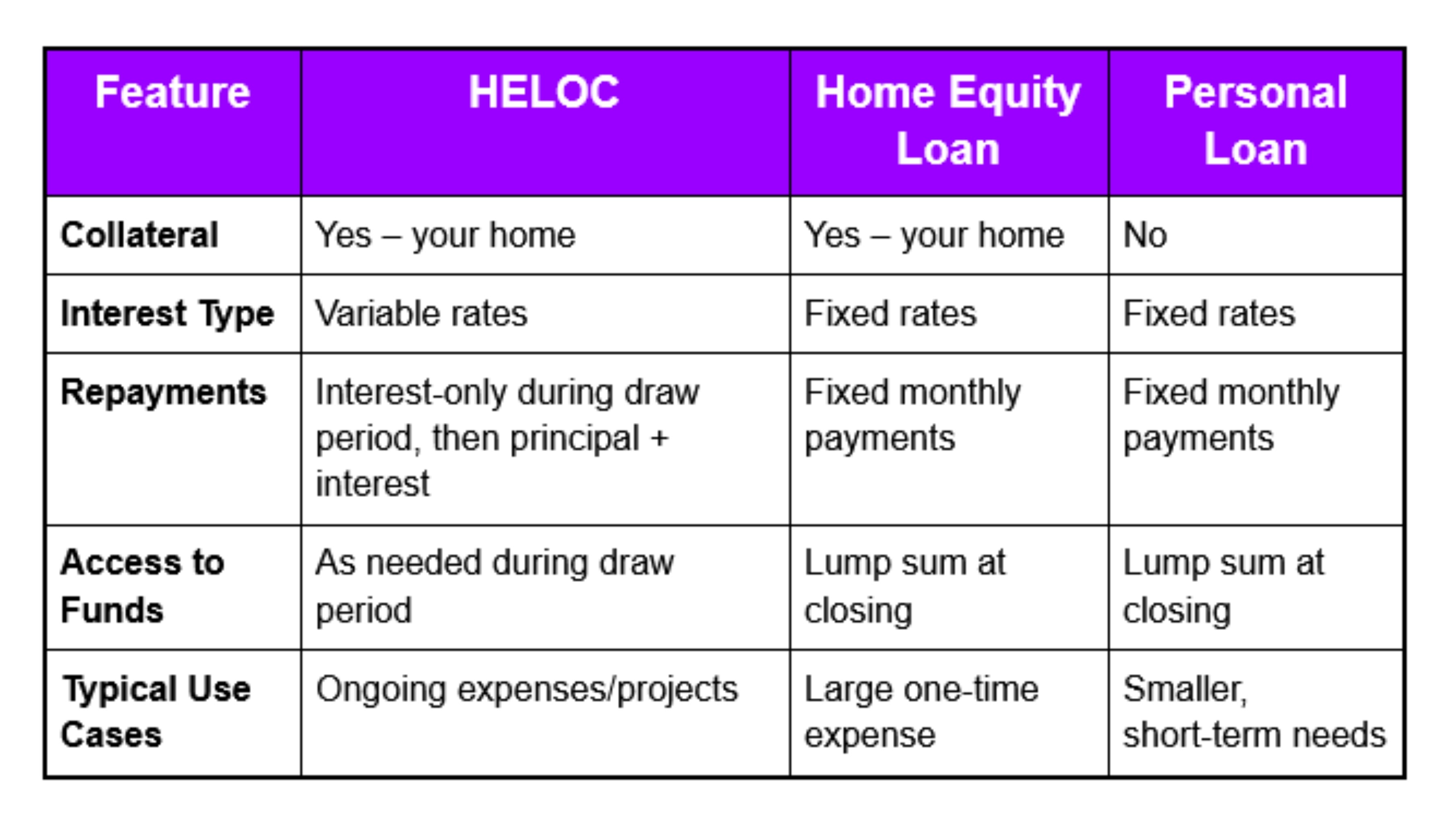
Choosing the right financial instrument depends on your immediate needs, repayment timeline, and tolerance for market volatility. The table below outlines how home equity loans compare to HELOCs and personal unsecured loans.
| Feature | Home Equity Loan | HELOC | Unsecured Personal Loan |
|---|---|---|---|
| Disbursement Type | Single lump sum | Revolving credit line | Single lump sum |
| Interest Rate | Fixed for the loan term | Variable (can fluctuate) | Usually fixed |
| Repayment Term | 5 to 30 years | Draw period + repayment period | 2 to 7 years |
| Collateral Required | Your home | Your home | None (Unsecured) |
| Best Used For | One-time, large expenses | Ongoing projects or emergencies | Smaller, immediate expenses |
Common Pitfalls to Avoid
Securing a home equity loan injects significant capital into your hands, but it also creates vulnerabilities if mismanaged. Avoiding common pitfalls protects your financial future.
- Overborrowing Against Your Asset: Just because a lender approves you for a maximum credit limit does not mean you should spend it all. Borrow only what is strictly necessary for your stated purpose.
- Failing to Read Closing Disclosures: Hidden administrative fees, high origination points, or unexpected prepayment penalties can inflate the cost of borrowing. Always review the itemized closing costs.
- Treating Equity as Free Money: A home equity loan is debt that must be serviced monthly. Defaulting on this loan places your primary residence in direct jeopardy of foreclosure.
- Ignoring Market Fluctuations: If local real estate values decline rapidly after you take out the loan, you could find yourself "underwater," owing more on your combined mortgages than the home is actually worth, complicating future plans to sell or refinance.
Frequently Asked Questions
What can I use a home equity loan for?
Lenders generally do not restrict how you use the lump sum once it is disbursed. Common and financially sound uses include major home renovations that add structural value, debt consolidation to replace high-interest credit card balances, and educational expenses. Avoid using home equity for depreciating assets like vacations or luxury purchases.
Are home equity loan interest payments tax-deductible?
Under current tax guidelines, interest on home equity loans is only deductible if the borrowed funds are utilized to buy, build, or substantially improve the taxpayer’s home that secures the loan. Interest on loans used for personal living expenses, such as consolidating credit cards or paying medical bills, is no longer deductible. Consult a certified public accountant to understand how tax laws apply to your specific situation.
How long does the approval process take?
The timeline from initial application to final funding typically ranges from two to six weeks. The primary variable is the home appraisal process, as scheduling an independent appraiser and waiting for their finalized report can introduce delays.
Can I get a home equity loan with bad credit?
Qualifying with a credit score below 620 is difficult through traditional commercial banks, though some specialized lenders or credit unions may consider applications if you possess an exceptionally low DTI ratio and a high equity percentage. Be prepared for significantly higher interest rates if approved.
Is there a penalty for paying off a home equity loan early?
Some lenders charge prepayment penalties to recoup expected interest earnings if you settle the loan ahead of schedule. Always ask your loan officer directly about prepayment terms before signing the final promissory note.
Next Actions
Start by pulling your credit report and calculating your current debt-to-income ratio to gauge your financial readiness. Next, research at least three distinct financial institutions—including your current primary bank, a local credit union, and an online lender—to compare current fixed interest rates and closing fees. Once you identify the most advantageous offer, organize your tax returns, pay stubs, and mortgage statements to initiate a formal application with confidence.
Image Gallery