Understanding How Roofing Marietta Costs Affect Your Home Investment in 2026
Roofing costs in Marietta directly influence your property’s equity, insurance premiums, and long-term structural integrity. In 2026, a standard residential roof replacement in the Marietta area typically ranges from $9,000 to $24,000,...
Roofing costs in Marietta directly influence your property’s equity, insurance premiums, and long-term structural integrity. In 2026, a standard residential roof replacement in the Marietta area typically ranges from $9,000 to $24,000, depending on material choice and square footage. These costs affect you by dictating your immediate out-of-pocket expenses, influencing your home’s resale value, and determining your eligibility for competitive homeowners' insurance rates.
Contents
The financial landscape of home maintenance in Cobb County has evolved. As we move through 2026, homeowners must look beyond the initial quote to understand how various cost factors ripple through their household finances. Whether you are dealing with the aftermath of a North Georgia storm or planning a proactive upgrade, the price of a new roof is a multi-layered investment.
The Primary Drivers of Roofing Costs in Marietta
To understand how these costs affect you, it is essential to break down what you are actually paying for. In the Atlanta metropolitan fringe, including Marietta, pricing is influenced by three main pillars: materials, labor, and regulatory compliance.
Material Selection and Market Volatility
As of 2026, asphalt shingles remain the most popular choice due to their balance of cost and durability. However, the price of petroleum-based products fluctuates based on global supply chains. Architectural shingles, which provide better wind resistance—a necessity for Georgia's occasional severe weather—now command a premium over traditional three-tab shingles.
Metal roofing has seen a surge in Marietta due to its longevity. While the initial "sticker shock" of metal can be double or triple that of asphalt, the impact on you is a lower "cost per year" over the roof's 50-year lifespan. Natural slate and synthetic composites represent the high end of the market, often seen in historic districts or luxury developments near Kennesaw Mountain.
Labor Dynamics in the Southeast
Labor costs in Marietta reflect the broader Georgia economic climate. A shortage of skilled tradespeople has led to higher wages for certified roofing crews. When you receive a quote, roughly 40% to 50% of that total is typically attributed to labor. Higher labor costs affect you by increasing the total project price, but they often correlate with better craftsmanship and extended workmanship warranties, which protect your investment over time.
How Roofing Costs Affect Your Insurance and Liability
One of the most significant ways roofing Marietta costs affect you is through your relationship with your insurance provider. In 2026, insurance companies have become increasingly stringent regarding roof age and condition in the Southeast.
Premium Reductions and Eligibility
A new, high-quality roof can lead to a reduction in your annual homeowners' insurance premiums. Conversely, an aging roof—typically one older than 15 to 20 years—may result in your policy being non-renewed or switched to an Actual Cash Value (ACV) settlement rather than a Replacement Cost Value (RCV). If your roof is deemed "end-of-life" by an inspector, the cost of a proactive replacement might actually be lower than the cumulative cost of increased premiums and potential out-of-pocket repair bills for interior water damage.
Storm Damage and Deductibles
Marietta is prone to heavy spring thunderstorms and the remnants of tropical systems. If a storm damages your roof, the "cost" to you is often defined by your deductible. Many modern policies in Georgia have moved toward a percentage-based deductible for wind and hail (often 1% to 2% of the home’s insured value). This means that on a $500,000 home, your initial cost for a roof replacement could be $5,000 to $10,000 before the insurance coverage kicks in. Understanding these costs helps you maintain an emergency fund that matches your specific policy requirements.
Local Regulatory Impacts: Permits and Codes in Cobb County
Marietta residents are subject to specific building codes that can influence the final bill. The City of Marietta Building Inspections Division requires permits for most roofing work to ensure safety and compliance.
Compliance with Georgia State Minimum Standard Codes
Georgia enforces specific requirements for ice and water shields, drip edges, and ventilation. In 2026, code enforcement in Marietta remains strict regarding the number of layers allowed on a roof (typically no more than two, though most experts recommend a full tear-off). These requirements add to the material and labor totals but benefit you by ensuring the roof can withstand local wind loads and humidity levels.
- Drip Edges: Required to prevent water from wicking back under the shingles and rotting the fascia.
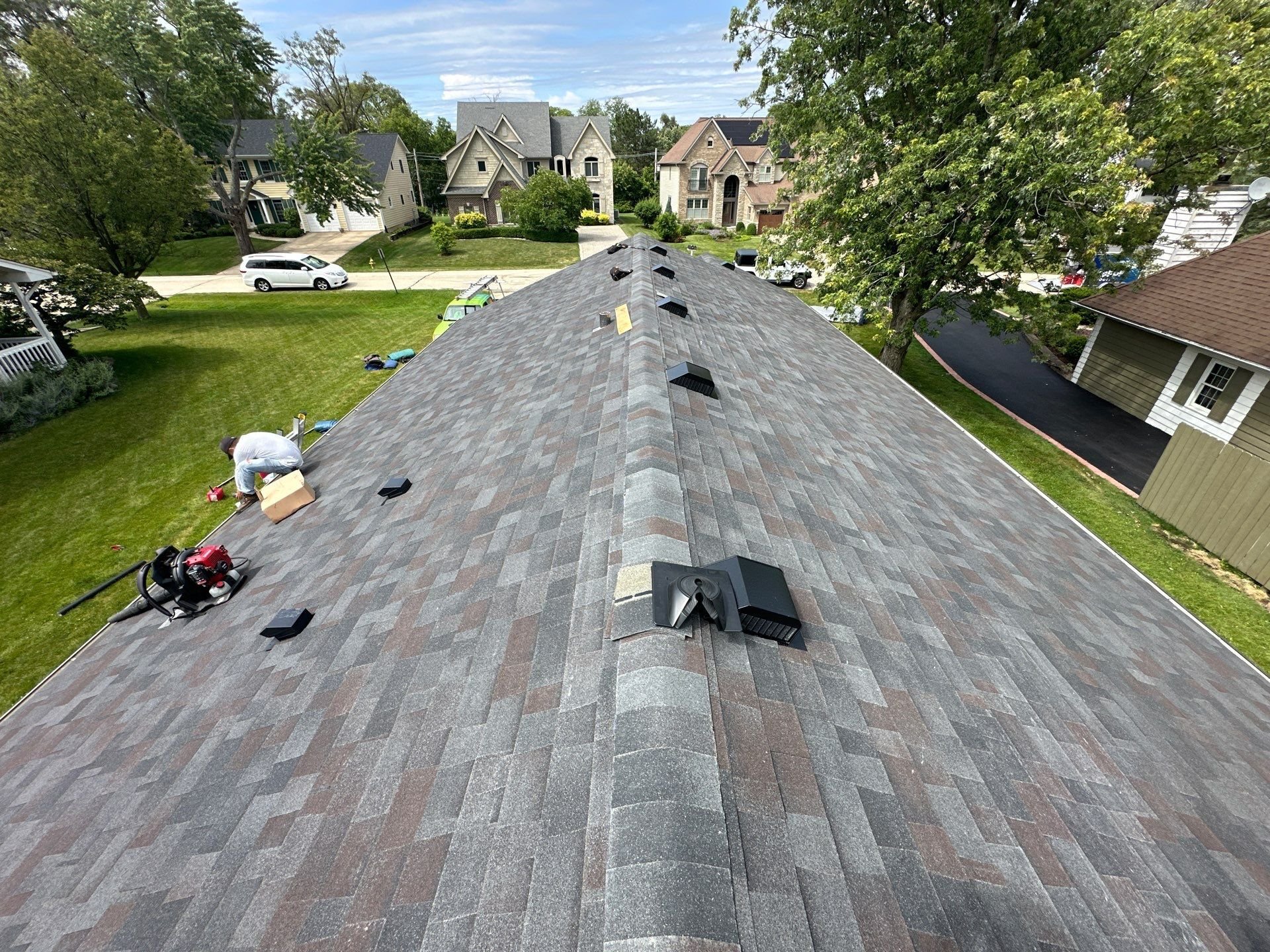
- Ventilation: Proper ridge vents and soffit intakes are mandatory to prevent heat buildup in the attic, which can prematurely age shingles and drive up cooling costs during hot Georgia summers.
Direct Comparison of Roofing Materials and Costs in 2026
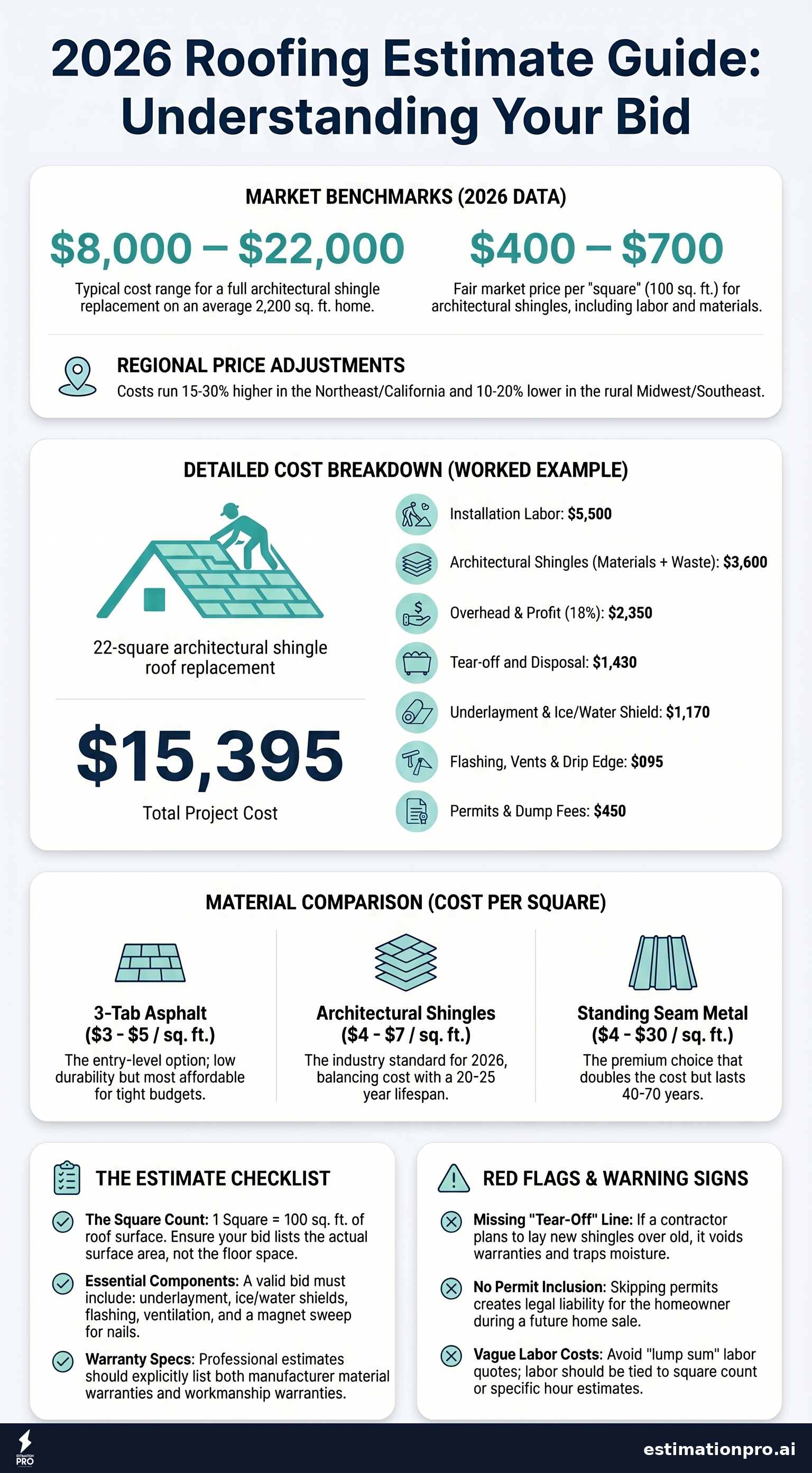
The following table provides an estimate of current market rates for common roofing materials in the Marietta area, based on a standard 2,000-square-foot roof (approximately 20–25 "squares" in roofing terminology).
| Material Type | Estimated Cost (Installed) | Expected Lifespan | Impact on Home Value |
|---|---|---|---|
| 3-Tab Asphalt Shingles | $8,500 – $11,000 | 15–20 Years | Low to Neutral |
| Architectural Shingles | $12,000 – $16,500 | 25–30 Years | Moderate Increase |
| Standing Seam Metal | $24,000 – $38,000 | 50+ Years | High Increase |
| Synthetic Slate/Tile | $30,000 – $50,000 | 40–50 Years | High / Niche Appeal |
| Wood Shakes | $22,000 – $35,000 | 20–25 Years | High (Maintenance intensive) |
Note: Prices vary based on roof pitch (steepness), number of chimneys, and current disposal fees at Cobb County landfills.
The "Invisible" Costs: Efficiency and Home Equity
When evaluating how roofing Marietta costs affect you, do not overlook the impact on your monthly utility bills and your home's "curb appeal."
Thermal Performance
In the 2026 market, "cool roofs" have become a standard consideration. These materials are designed to reflect more sunlight and absorb less heat than a standard roof. In Marietta’s climate, where summer temperatures frequently exceed 90°F, an energy-efficient roof can reduce cooling costs by 10% to 15%. While these shingles might cost slightly more upfront, the monthly savings on your Georgia Power bill provide a tangible return on investment.
Resale Value and Marketability
If you plan to sell your home in the next five years, the roof's condition is a major negotiating point. In the competitive Marietta real estate market, a roof that is more than 15 years old can be a "deal-breaker" for buyers who may not have the liquid cash to replace it immediately after closing. Conversely, a new roof with a transferable warranty can allow you to increase your asking price, often recouping 60% to 70% of the installation cost in the final sale price.
Common Mistakes That Increase Your Long-Term Costs
Homeowners often try to mitigate high roofing costs by choosing the cheapest option, but this frequently leads to higher "lifecycle" costs.
- Ignoring Minor Repairs: A small leak over a Marietta garage can quickly turn into a full deck replacement if the plywood rots. Routine inspections (at least once every two years) are the best way to keep long-term costs down.
- Hiring Uninsured Contractors: If a worker is injured on your property and the contractor doesn't have workers' compensation insurance, you could be held liable. Always verify the contractor’s license via the Georgia Secretary of State’s website.
- Overlooking Ventilation: A roof that cannot "breathe" will cook the shingles from the inside out. Even the best materials will fail in 10 years if the attic temperature isn't regulated.
Frequently Asked Questions
Does the pitch of my roof affect the cost in Marietta?
Yes, significantly. A "steep-slope" roof is more dangerous for crews to navigate and requires specialized safety equipment and more time. In Marietta, homes with complex rooflines or high pitches often see labor costs increase by 15% to 30% compared to a simple, ranch-style roof.
Can I install a new roof over my old one to save money?
While Georgia code may allow for a second layer in some instances, most Marietta contractors advise against it. Adding a second layer traps heat, prevents a thorough inspection of the wooden decking, and may void the manufacturer’s warranty on the new shingles. It is usually more cost-effective in the long run to pay for a full tear-off.
How do I know if a Marietta roofing quote is fair?
A fair quote in 2026 should be detailed and transparent. It should include the cost of the permit, debris disposal, specific brands of materials (e.g., GAF, Owens Corning), and a clear explanation of the workmanship warranty. Always get at least three estimates from local companies with a physical presence in or near Cobb County.
Are there any tax credits for new roofs in 2026?
Federal energy tax credits may apply if you install specific "Energy Star" certified metal or asphalt roofs designed to reduce heat gain. Check the current IRS guidelines for the Energy Efficient Home Improvement Credit, which has been extended and modified through the mid-2020s.
How long does a typical roof replacement take in Marietta?
For an average-sized home, the physical replacement usually takes one to three days. However, the entire process—including inspections, material delivery, and permit approval—can take two to four weeks.
Practical Recommendation for Marietta Homeowners
To manage how roofing costs affect you, begin by scheduling a professional inspection before you see signs of a leak. If your roof is over 15 years old, start budgeting for a replacement now by obtaining three localized quotes to establish a baseline for your specific neighborhood. When choosing a contractor, prioritize those who offer extended manufacturer warranties (such as 50-year non-prorated coverage), as these offer the highest protection against future labor and material price hikes. Finally, contact your insurance agent to see if a specific type of impact-resistant shingle could lower your monthly premiums, potentially paying for the price difference over time.
Image Gallery