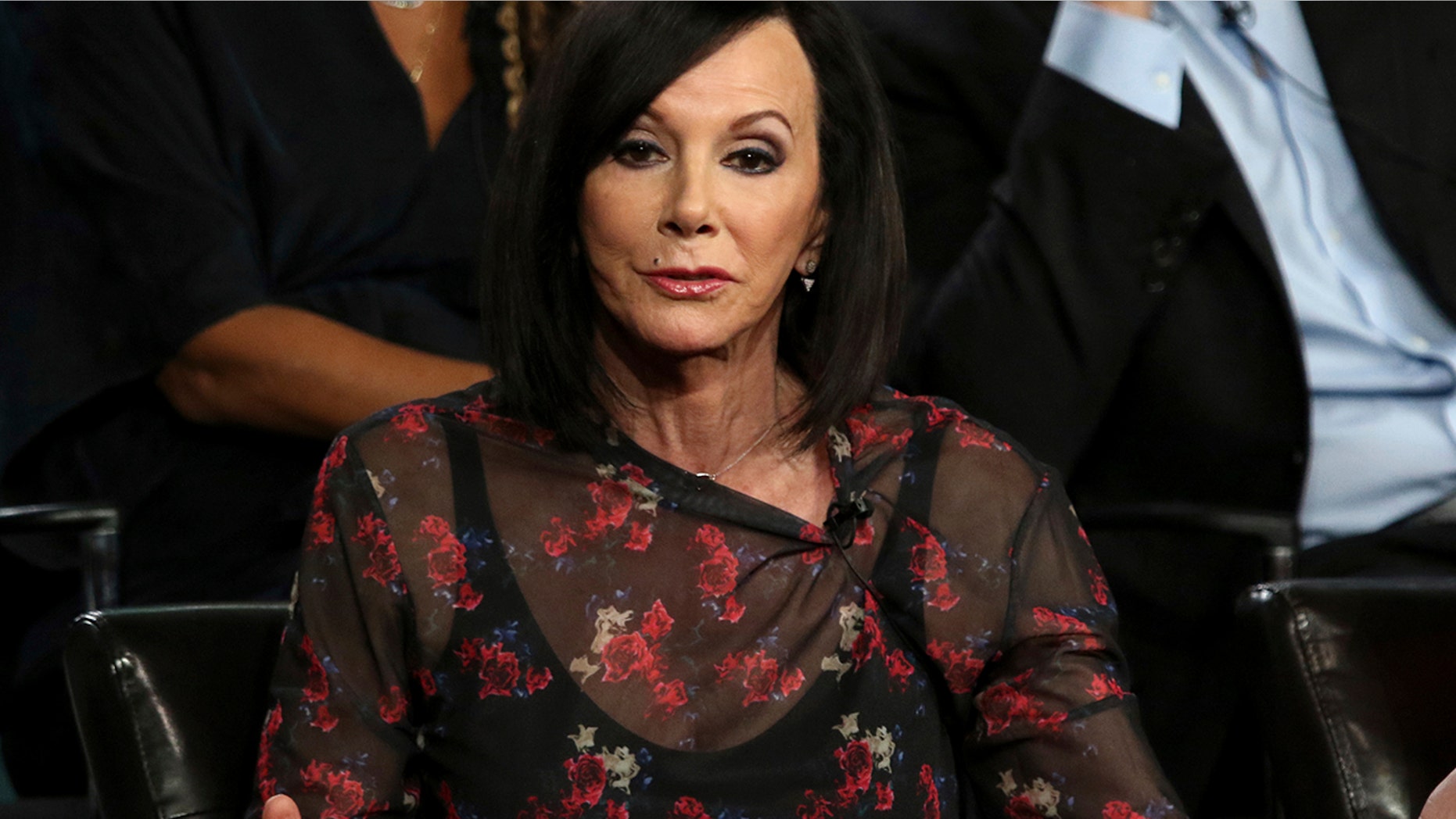
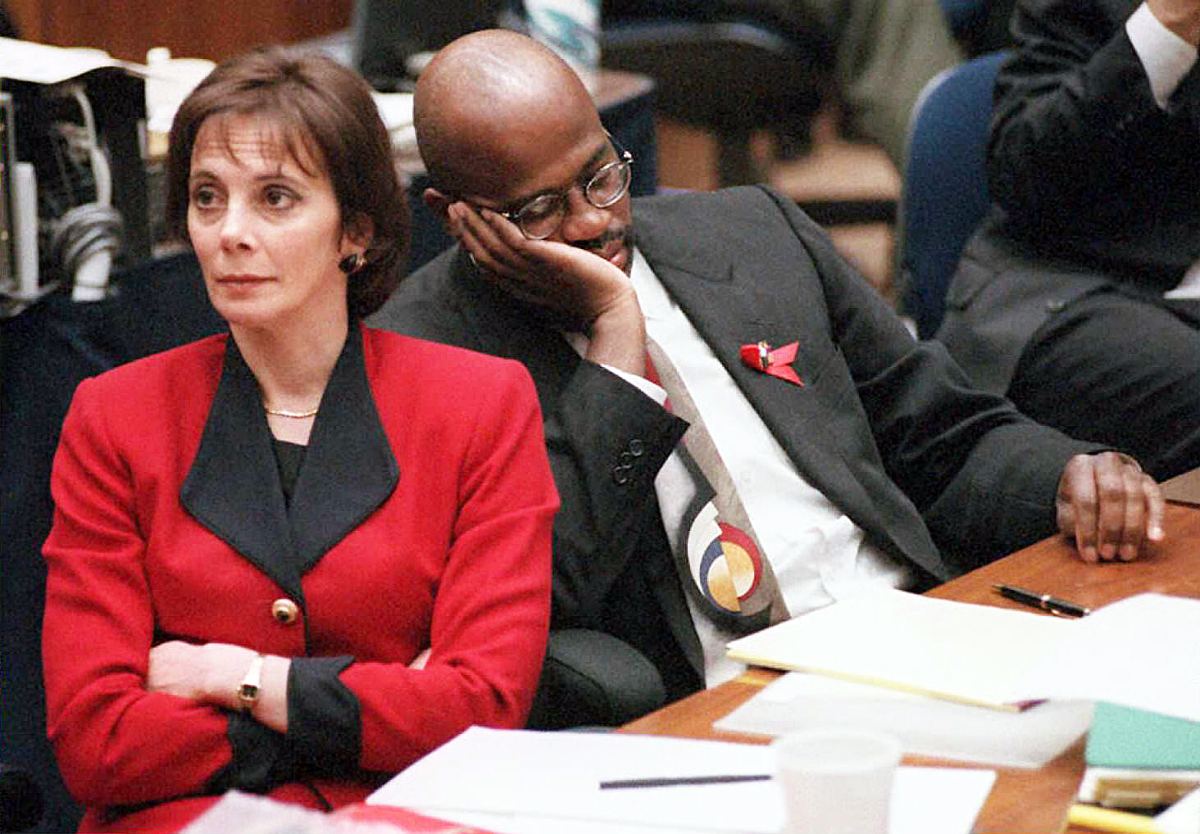
Marcia Clark’s Marriages and Divorces: A Detailed History of Her Ex-Husbands
Marcia Clark has been married and divorced twice. Her first husband was Gabriel Horner, an Israeli professional backgammon player, whom she married in 1976 and divorced in 1981. Her second husband was Gordon Clark, a computer programme...
Marcia Clark has been married and divorced twice. Her first husband was Gabriel Horner, an Israeli professional backgammon player, whom she married in 1976 and divorced in 1981. Her second husband was Gordon Clark, a computer programmer and former Church of Scientology member, with whom she shares two sons; their high-profile divorce coincided with the 1995 O.J. Simpson trial.
Contents
The personal life of Marcia Clark, the lead prosecutor in the "Trial of the Century," became almost as much of a public spectacle as the trial itself. While she was attempting to convict O.J. Simpson for double murder, her private life was scrutinized by the media, particularly her ongoing divorce and custody battle with her second husband. Understanding the history of her marriages provides context not only into her personal biography but also into the cultural climate of the mid-1990s regarding working mothers and the legal profession.
The First Marriage: Gabriel Horner (1976–1981)
Marcia Clark’s first marriage was to Gabriel Horner in 1976. At the time, Marcia was still establishing her career and had not yet become the household name she is today. Horner was a professional backgammon player, a career that stood in stark contrast to the rigorous, structured world of law that Marcia was entering.
The marriage occurred during a formative period in Clark's life. Born Marcia Rachel Kleks, she had transitioned from a brief interest in acting to the study of law. She earned her J.D. from Southwestern University School of Law in 1979. During the early years of her legal career, she was married to Horner, but the relationship eventually dissolved.
The divorce from Gabriel Horner was finalized in 1981. While the details of their separation remained relatively private compared to her later divorce, it is known that the union was childless. Following the divorce, Marcia focused heavily on her work at the Los Angeles County District Attorney's Office, where she began her ascent through the ranks of the Special Trials Division.
The Second Marriage: Gordon Clark and the Road to 1994
In 1980, shortly before her first divorce was finalized, Marcia met Gordon Clark. Gordon was five years her junior and worked as a computer programmer and administrative official for the Church of Scientology. The couple married in 1980, and the union initially seemed to provide the stability Marcia needed as her career in the D.A.'s office intensified.
The couple had two sons together, born in the late 1980s. For over a decade, the Clarks maintained a relatively standard professional life in Los Angeles. However, by the early 1990s, the marriage began to fracture. The pressures of Marcia’s high-stakes career—prosecuting complex murders—combined with the domestic responsibilities of raising two young children, created significant friction.
The timing of their separation was particularly difficult. Marcia Clark filed for divorce from Gordon in June 1994, the exact same month that Nicole Brown Simpson and Ron Goldman were murdered. As Marcia was thrust into the international spotlight as the lead prosecutor in the Simpson case, she was simultaneously navigating the emotional and legal complexities of ending a 14-year marriage.
The 1995 Custody Battle and Public Scrutiny
The divorce from Gordon Clark became a weapon used against Marcia in the court of public opinion. In February 1995, while the O.J. Simpson trial was in full swing, Gordon Clark filed for temporary primary custody of their two sons, then aged 3 and 5.
Gordon’s legal argument was built on the claim that Marcia was rarely home due to her 16-hour workdays on the Simpson trial. He argued that his more flexible schedule as a computer programmer made him the more suitable primary caregiver. This filing transformed Marcia Clark’s private life into a national debate about whether a woman could be both a high-powered professional and a fit mother.
Key Aspects of the Gordon Clark Custody Filing:
- The Argument of Neglect: Gordon claimed that Marcia’s "exhausting" schedule meant the children were being raised by baby-sitters and that he could provide a more stable environment.
- Child Support Claims: Gordon sought an increase in child support, citing the fact that Marcia’s visibility had increased and that he was bearing the brunt of the childcare costs.
- Media Impact: The tabloids and mainstream news outlets frequently ran stories about Marcia’s "parenting failures," adding immense psychological pressure to her already taxing professional role.
Marcia Clark responded to these claims with characteristic ferocity, noting that she had been the primary breadwinner and caregiver for years and that the trial was a temporary, albeit intense, professional obligation. The battle highlighted a double standard; male prosecutors on the same case, such as Christopher Darden or Johnnie Cochran (for the defense), were rarely questioned about their parenting abilities despite working similar hours.
Technical Comparison of Marcia Clark’s Marriages
To understand the trajectory of Marcia Clark’s domestic life, it is helpful to compare the two relationships side-by-side.
| Feature | Gabriel Horner (First Husband) | Gordon Clark (Second Husband) |
|---|---|---|
| Years Active | 1976 – 1981 | 1980 – 1995 |
| Duration | ~5 Years | ~15 Years |
| Occupation | Professional Backgammon Player | Computer Programmer / Administrator |
| Children | None | Two Sons |
| Divorce Reason | Irreconcilable Differences | Career Strain / Custody Dispute |
| Publicity Level | Low (Pre-fame) | Extreme (During Simpson Trial) |
| Primary Conflict | Career Beginnings | Work-Life Balance / Primary Custody |
Life After the Divorce: Gordon Clark’s Path
Following the finalization of their divorce in late 1995, Gordon Clark largely retreated from the public eye. Unlike Marcia, who transitioned into a career as a novelist and legal commentator, Gordon maintained a private life in the tech industry.
There was significant discussion during the trial regarding Gordon’s ties to the Church of Scientology. While Gordon was an employee and member of the church during their marriage, Marcia was not a member. Some analysts of the trial suggested that the Church’s views on family and divorce may have influenced the intensity of the custody battle, though this remains largely speculative. In the years following the trial, Gordon remained in California, and the two eventually reached a co-parenting arrangement that allowed their sons to grow up away from the paparazzi's glare.
Marcia Clark’s Reflection on Her Ex-Husbands
In her memoir, Without a Doubt, and in subsequent interviews (including those leading up to 2026), Marcia Clark has been candid about the toll her marriages took on her. She often describes the 1995 divorce as a "nightmare within a nightmare," where her role as a mother was used to punish her for her professional ambition.
Clark has noted that the scrutiny of her second husband’s filing was a turning point in her life. It convinced her that the legal system, even for those who operate within it, can be biased against women who do not fit traditional domestic molds. By 2026, Clark’s perspective is often cited in legal seminars discussing "the glass ceiling" and the "motherhood penalty" in the legal profession.
FAQ: Marcia Clark’s Husbands and Personal History
Who was Marcia Clark's first husband?
Marcia Clark's first husband was Gabriel Horner. They were married from 1976 to 1981. Horner was an Israeli professional backgammon player. The marriage ended as Marcia was beginning her career as a prosecutor.
Why did Gordon Clark sue for custody during the Simpson trial?
Gordon Clark filed for custody in February 1995, claiming that Marcia’s long hours on the O.J. Simpson trial prevented her from being an attentive mother. He argued that his schedule was more conducive to raising their two young sons. Many viewed this as a strategic move during a highly public divorce.
Was Marcia Clark's husband a Scientologist?
Yes, her second husband, Gordon Clark, was a member of the Church of Scientology and worked for the organization as a computer programmer and administrator during their marriage. Marcia Clark herself was never a member of the church.
How many children does Marcia Clark have?
Marcia Clark has two children, both sons, from her marriage to Gordon Clark. They were toddlers during the 1995 trial and are now adults.
Did Marcia Clark ever remarry after 1995?
As of 2026, Marcia Clark has not remarried. She has remained focused on her career as a bestselling author of legal thrillers, a public speaker, and a legal commentator.
What happened to the custody case between Marcia and Gordon?
The custody dispute was eventually settled out of court. Despite the public nature of the filing, Marcia Clark retained significant custody rights, and the two worked toward a private arrangement to raise their sons following the conclusion of the trial.
Expert Guidance: Lessons from the Clark Case
The history of Marcia Clark’s marriages serves as a case study for legal professionals regarding the intersection of high-profile litigation and family law. For those navigating similar circumstances, legal experts often recommend several protective measures:
- Privacy Agreements: In high-profile cases, ensuring that divorce and custody filings are sealed can prevent personal details from being used as leverage in a professional setting.
- Documenting Contribution: Marcia’s case proved the importance of documenting a long-term history of being a primary caregiver, which helped her counter Gordon’s claims that she was "never home."
- Separating Professional and Personal Identity: One of the greatest challenges Clark faced was the conflation of her performance in court with her performance as a parent. Modern legal consultants suggest that lead attorneys in high-stakes cases should have "shielding" in place to manage media inquiries regarding their personal lives.
For those researching the historical impact of the Clark divorces, the records from the Los Angeles County Superior Court and the archives of the Los Angeles Times remain the most authoritative sources for the specific dates and legal filings of 1994 and 1995.
Image Gallery