Legal and Security Analysis of the Zoo Boise Animal Cruelty Case in Idaho
The 2012 break-in at Zoo Boise in Idaho, where an intruder fatally beat a patas monkey, resulted in landmark legal prosecutions under both Idaho felony animal cruelty statutes and the federal Lacey Act. The offender received a multi-ye...
The 2012 break-in at Zoo Boise in Idaho, where an intruder fatally beat a patas monkey, resulted in landmark legal prosecutions under both Idaho felony animal cruelty statutes and the federal Lacey Act. The offender received a multi-year federal prison sentence, establishing critical legal precedents for zoo safety, federal jurisdictional reach, and animal protection laws.
Contents
Historical Context: The 2012 Zoo Boise Incident
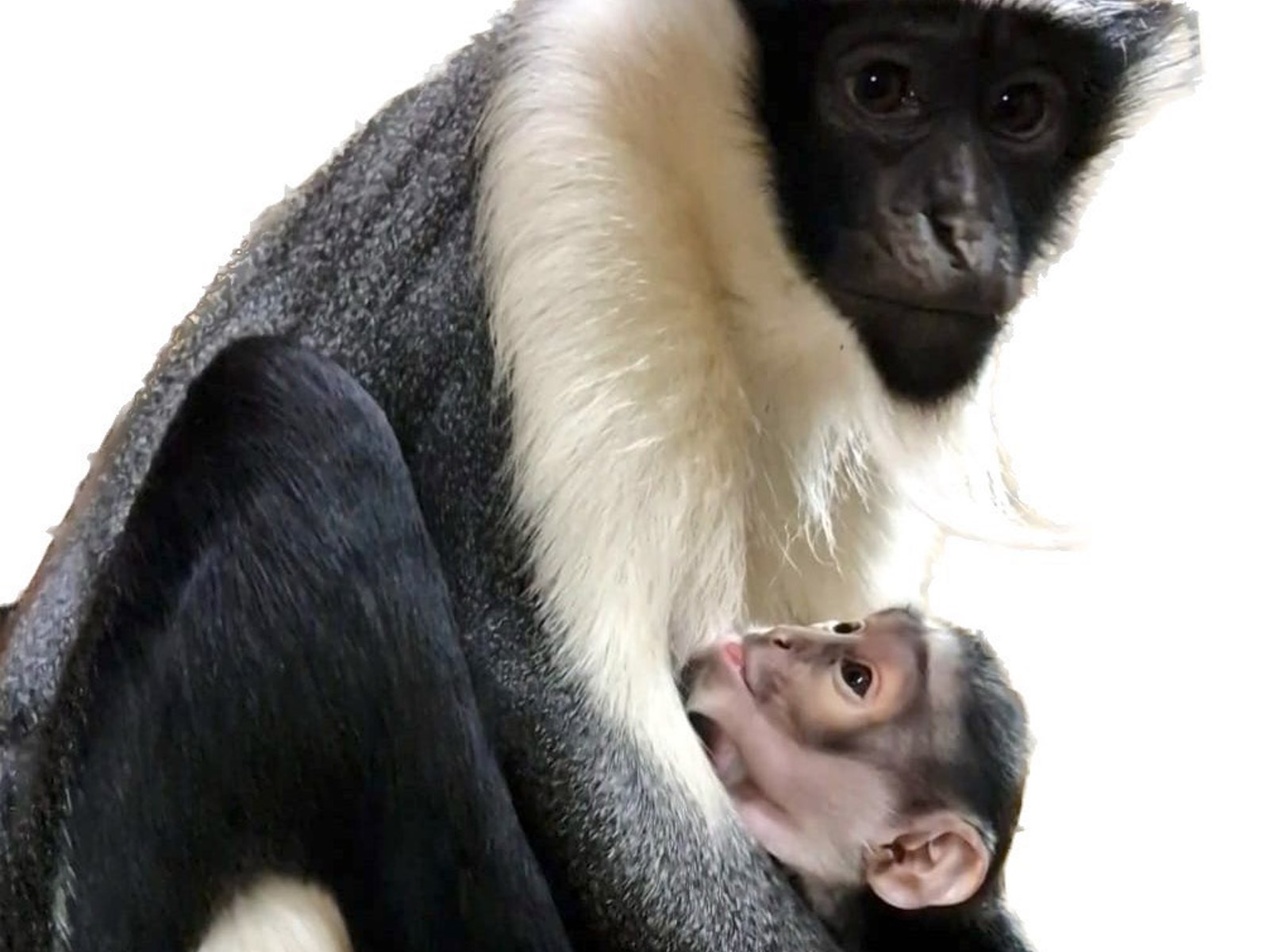
On the morning of September 3, 2012 (Labor Day), an unauthorized individual breached the perimeter of Zoo Boise, located in Julia Davis Park in Boise, Idaho. The intruder accessed the internal enclosure housing patas monkeys (Erythrocebus patas), a species native to West and East Africa. During the intrusion, the perpetrator attempted to steal one of the primates and inflicted severe blunt force trauma to the head and neck of a two-year-old male patas monkey named Neptune.
Zoo security personnel and Boise Police officers responded to reports of suspicious activity after security guards spotted an intruder near the enclosure during early morning rounds. The intruder fled the scene, leaving behind personal items, including a baseball cap and a shirt, which assisted law enforcement officers in forensic tracking. Despite immediate veterinary intervention by Zoo Boise clinical staff, the injured monkey died shortly after the attack from catastrophic internal injuries and cranial trauma.
The Boise Police Department, working alongside federal agents from the U.S. Fish and Wildlife Service, conducted an intensive multi-day investigation. Forensic evidence gathered at the crime scene, paired with community tips, led to the identification and arrest of Michael J. Watkins, a 22-year-old resident of Weiser, Idaho. Watkins was taken into custody and charged with multiple state and federal offenses, bringing national attention to the vulnerability of public zoological parks and the severe statutory consequences of harming animals held in public trust.
Idaho State Law and Felony Animal Cruelty Statutes
The criminal prosecution of intentional harm to zoo animals in Idaho operates at the intersection of property law, criminal trespass, and statutory animal welfare provisions. Under Idaho Code Title 25, Chapter 35, the state defines the legal standards for animal care, abuse, neglect, and intentional torture.
Idaho Code Title 25, Chapter 35 Statutory Escalation: Misdemeanor Cruelty (Simple Abuse/Neglect) ➔ Felony Animal Cruelty (Torture/Intentional Killing) + Burglary & Grand Theft
Historically, many state animal welfare codes treated animal cruelty primarily as misdemeanor offenses unless specific thresholds of commercial loss or livestock damage were met. However, Idaho statutory law incorporates distinct provisions that elevate intentional acts of cruelty, torture, or malicious killing to felony status:
- Felony Animal Cruelty (Idaho Code § 25-3504 & § 25-3504A): Intentional infliction of extreme physical pain, injury, or death upon an animal constitutes felony cruelty. In cases involving captive wild animals or public exhibit specimens, proving intent and malice allows prosecutors to seek felony indictments rather than basic misdemeanor citations.
- Burglary (Idaho Code § 18-1401): Entering any building, structure, enclosure, or closed yard with the intent to commit theft or any felony constitutes burglary under Idaho law. Because the intruder entered Zoo Boise perimeter fencing with the intent to unlawfully remove or injure an animal, state prosecutors filed felony burglary charges.
- Grand Theft (Idaho Code § 18-2403): Under state property law, captive exhibit animals possess financial value determined by procurement cost, breeding potential, conservation status, and facility investment. Taking or destroying property valued above statutory grand theft limits constitutes a felony offense.
Legal Disclaimer: Statutory provisions and penalty structures vary across state jurisdictions. Legal professionals and facility administrators should consult current state codes and local prosecutorial guidelines for specific jurisdictional applications.
Federal Prosecution and the Application of the Lacey Act
A pivotal aspect of the Idaho monkey beating case was the involvement of federal law enforcement and the United States Attorney's Office for the District of Idaho. Federal authorities asserted jurisdiction primarily through the Lacey Act (16 U.S.C. §§ 3371–3378), one of the nation's oldest wildlife protection statutes.
Lacey Act Violation Trigger: State Wildlife / Property Violation + Unauthorized Taking / Transport of Protected Captive Species = Federal Felony Jurisdiction
The Lacey Act makes it a federal crime to import, export, transport, sell, receive, acquire, or purchase any fish, wildlife, or plants that were taken, possessed, transported, or sold in violation of any federal, state, tribal, or foreign law. While the Lacey Act is commonly associated with illegal wildlife trafficking and poaching, federal prosecutors successfully applied it to the Zoo Boise intrusion based on the following legal mechanics:
- Underlying Violation: The initial illegal act violated Idaho state criminal law (burglary, illegal taking of captive wildlife, and felony animal cruelty).
- Wildlife Classification: Captive exotic mammals maintained in accredited zoological facilities fall under the broad legal definition of "wildlife" protected under federal conservation and protection standards.
- Federal Felony Threshold: Because the attempted removal and subsequent death of the animal involved an underlying state felony violation, the offense qualified for federal felony prosecution under 16 U.S.C. § 3373.
By pursuing federal charges through the U.S. Department of Justice, prosecutors ensured that the defendant faced federal imprisonment guidelines, which typically carry stricter mandatory sentencing structures and lack federal parole options.
Judicial Outcomes, Sentencing, and Financial Restitution
In 2013, the criminal proceedings against Michael J. Watkins concluded in federal and state courts, establishing clear legal consequences for attacks on municipal zoo facilities.
Sentencing & Financial Recovery Summary: • Federal Prison Sentence: 57 Months (U.S. District Court) • Supervised Release: 3 Years Post-Incarceration • Court-Ordered Restitution: ~$10,000 (Zoo Boise & Veterinary Costs) • Concurrent State Charges: Felony Burglary Conviction
U.S. District Judge Edward J. Lodge sentenced Watkins to 57 months (nearly 5 years) in federal prison, followed by three years of supervised release. This substantial prison term sent a clear deterrent message to potential offenders regarding the severity of harming captive animals.
In addition to incarceration, the federal court imposed mandatory financial restitution orders under the Mandatory Victims Restitution Act (MVRA). The defendant was ordered to pay approximately $10,000 in restitution to Zoo Boise and the City of Boise. The restitution package covered several direct financial damages:
- The economic acquisition value and care investment of the male patas monkey.
- Emergency veterinary diagnostic, treatment, and necropsy costs incurred during the incident.
- Direct property repair costs for damaged security barriers and enclosure infrastructure.
The state of Idaho concurrently resolved its felony burglary charges, ensuring that judicial records in both jurisdictions reflected the serious felony nature of the intrusion.
Security Upgrades and Facility Standards for Municipal Zoos
The 2012 incident prompted structural and operational overhauls in security management across North American zoological parks. Facilities accredited by the Association of Zoos and Aquariums (AZA) must adhere to rigorous physical safety standards designed to protect both human visitors and animal collections.
Following the attack, Zoo Boise and municipal risk management teams implemented comprehensive security enhancements, establishing new best practices for public institutions:
- Perimeter Hardening: Installation of anti-climb fencing, reinforced secondary barriers, and anti-intrusion gates surrounding sensitive outdoor exhibits.
- Surveillance & Infrared Detection: Deployment of high-definition closed-circuit television (CCTV) systems equipped with thermal imaging and automated motion-detection sensors capable of alerting municipal law enforcement in real time.
- On-Site Security Patrols: Transitioning from passive overnight monitoring to active, dedicated security personnel performing continuous night patrols throughout facility grounds.
- Intrusion Alarm Protocols: Integration of physical contact sensors on enclosure access doors and habitat perimeters connected directly to 911 dispatch centers.
These security standards align with regulatory guidelines established by the United States Department of Agriculture (USDA) under the Animal Welfare Act (AWA), which requires license holders to maintain adequate housing, containment, and security to ensure animal safety and public protection.
Legal Mechanisms for Public Zoo Protection and Wildlife Crimes
The table below outlines the statutory mechanisms, legal classifications, and enforcement authorities involved in prosecuting zoo intrusions and violent animal cruelty offenses in Idaho.
| Legal Category | Primary Governing Statute | Statutory Classification | Key Legal Elements & Requirements | Maximum Statutory Penalty |
|---|---|---|---|---|
| Idaho Felony Animal Cruelty | Idaho Code § 25-3504A | State Felony | Intentional torture, torment, or malicious killing of a captive or domestic animal. | Up to 5 years imprisonment; fines up to $9,000 per count. |
| Idaho Commercial Burglary | Idaho Code § 18-1401 | State Felony | Unlawful entry into any structure or enclosed yard with intent to commit theft or felony. | Up to 10 years in state prison facility. |
| Federal Lacey Act Provision | 16 U.S.C. § 3373(d) | Federal Felony | Transporting, taking, or acquiring wildlife in violation of underlying state penal laws. | Up to 5 years federal prison; fines up to $250,000. |
| Federal Animal Welfare Act | 7 U.S.C. § 2149 | Federal Civil / Regulatory Violation | Failure of facility/individuals to maintain secure containment and humane handling standards. | Civil monetary penalties; license revocation for operators. |
| State Grand Theft (Property) | Idaho Code § 18-2403 | State Felony | Unlawful taking or destruction of commercial or municipal property exceeding statutory value thresholds. | Up to 14 years imprisonment depending on property valuation. |
Protocol and Reporting for Animal Welfare Violations in Idaho
Effectively addressing threats to animal welfare and public safety requires immediate coordination between municipal agencies, law enforcement personnel, and regulatory authorities. Facilities and community members encountering instances of animal abuse or zoo security breaches must follow established legal response protocols.
Immediate Emergency Response Steps
Emergency Incident Reporting Workflow: 1. Call 911 (Immediate Breach/Active Abuse) ➔ 2. Secure Perimeter & Preserve Evidence ➔ 3. Notify ISDA & USFWS Authorities
- Contact Emergency Dispatch: For active trespass, unauthorized enclosure access, or immediate physical harm to animals, contact 911 or local emergency dispatch (e.g., Boise Police Department or Ada County Sheriff's Office) immediately.
- Preserve Crime Scene Integrity: Restrict public and non-essential staff access to the area to prevent contamination of biological, footprint, or physical evidence needed for forensic analysis.
- Notify Regulatory Agencies: Report severe incidents to state animal health officials and federal wildlife inspectors:
- State Level: Contact the Idaho Department of Agriculture (ISDA), Division of Animal Industries, to report violations of state animal care laws.
- Federal Level: Contact the U.S. Fish and Wildlife Service (USFWS) Office of Law Enforcement if illegal taking, trade, or harm to exotic/protected species is suspected.
- Document Veterinary Findings: Conduct immediate clinical evaluations and preserve necropsy reports executed by licensed veterinary professionals to serve as sworn evidentiary documentation in court proceedings.
Frequently Asked Questions
What legal penalties apply to killing a zoo animal in Idaho?
Intentionally killing a zoo animal in Idaho carries severe state and federal felony penalties. Under Idaho law, perpetrators face felony animal cruelty charges (Idaho Code § 25-3504A) alongside felony burglary and grand theft charges, carrying multi-year state prison sentences. Additionally, federal prosecution under the Lacey Act can result in up to 5 years in federal prison and statutory fines up to $250,000.
How does the federal Lacey Act apply to local zoo break-ins?
The Lacey Act (16 U.S.C. § 3372) makes it a federal crime to take, acquire, or possess wildlife in violation of any state law. When an individual breaches a local zoo and harms or attempts to steal a captive animal, that act violates state criminal statutes. Federal prosecutors can adopt the state violation as a predicate offense to charge the perpetrator with a federal felony under the Lacey Act.
What is the legal distinction between misdemeanor and felony animal cruelty in Idaho?
Misdemeanor animal cruelty in Idaho generally applies to negligent failure to provide adequate care, shelter, or food, or basic animal abuse. Felony animal cruelty requires proof of intentional malice, torture, extreme physical injury, or deliberate killing. Acts involving physical attacks or deadly trauma against captive exhibit animals meet the legal criteria for felony prosecution.
Were facility security standards altered across US zoos after the Zoo Boise incident?
Yes. The 2012 Zoo Boise case led to heightened security standards across North American zoos accredited by the Association of Zoos and Aquariums (AZA). Enhancements included mandatory perimeter fencing upgrades, real-time infrared motion sensor installations, 24/7 high-definition camera monitoring, and direct emergency dispatch links to local law enforcement.
Which government agencies investigate zoo animal cruelty cases in Idaho?
Investigations are conducted jointly by local municipal law enforcement (such as the Boise Police Department), county prosecutors, the Idaho Department of Agriculture Division of Animal Industries, and federal agencies including the U.S. Fish and Wildlife Service (USFWS) and the U.S. Department of Agriculture (USDA) Animal and Plant Health Inspection Service (APHIS).
Strategic Recommendations for Facility Risk Management
For municipal parks departments, zoological directors, and legal risk management advisors, preventing facility intrusions and protecting animal collections requires a multi-layered legal and physical security framework:
- Conduct Annual Perimeter Audits: Schedule structural vulnerability assessments with local law enforcement physical security specialists to evaluate perimeter fencing, lighting, and access points.
- Maintain Joint Prosecution Agreements: Establish clear operational protocols between municipal police departments, county prosecutors, and the local U.S. Attorney's Office to ensure immediate federal notification when captive wildlife is targeted.
- Upgrade Surveillance Infrastructure: Ensure all perimeter monitoring systems utilize off-site cloud recording and automated motion detection to prevent physical evidence destruction by intruders.
- Train Staff on Crime Scene Protocols: Train night staff and security officers on law enforcement procedures for preserving evidence, securing intrusion points, and managing public reporting following an incident.
Image Gallery